Can Board Games help navigate complex Change Management issues?
With board games becoming a regular activity in many UK households, Jonathan Berry, European Practice Director at international change management firm, Expressworks, looks at the lessons we can learn from them.
“When we can’t be together physically it is much more difficult to communicate and discuss complex ideas effectively,” says Jonathan. “We lose the benefit of being able to read body language, which accounts for more than half of all communication. So how do we have effective conversations about complex ideas when we’re in lockdown? Assuming we don’t have the time or inclination to read or write white papers, we have to think of something else.
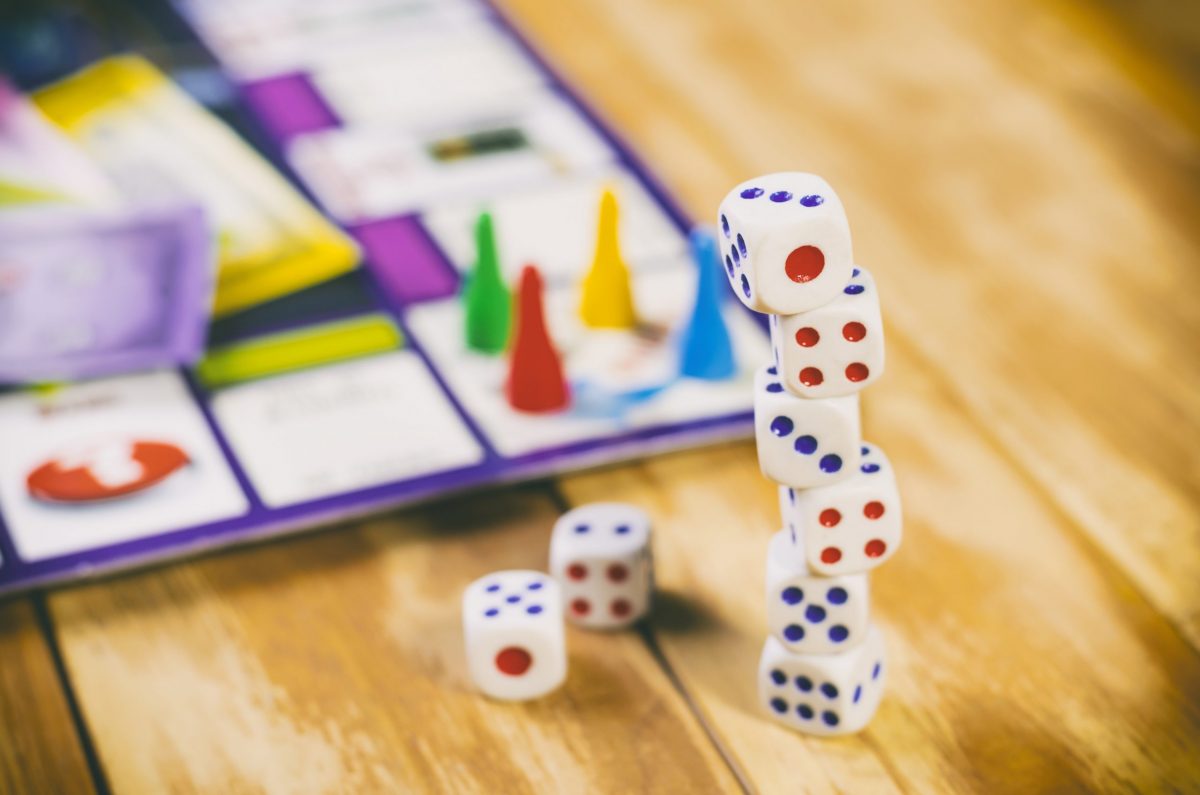
“As we enter the second month of lockdown, more and more families, including mine, are dusting off their old board games,” says Jonathan. “And it occurs to me that board games are incredibly powerful representations of complex, dynamic situations. Could they provide an answer?
“Firstly, they are often beautifully designed and are therefore visually compelling. They can represent a huge range of competing forces, trade-offs, trends and possible choices. And because they are games, we willingly engage with them in ways we probably don’t with a spreadsheet.
“People have been using gamification as a means of motivating changes in behaviour for years – and it is easy to see why when you stop to think about it. When playing games, we are challenged to make decisions in an uncertain, complex and changing environment; in much the same way as we have to do on a daily basis in business.”
So which games are the best for helping us to interpret and work through the sorts of complexities we see in modern organisations?
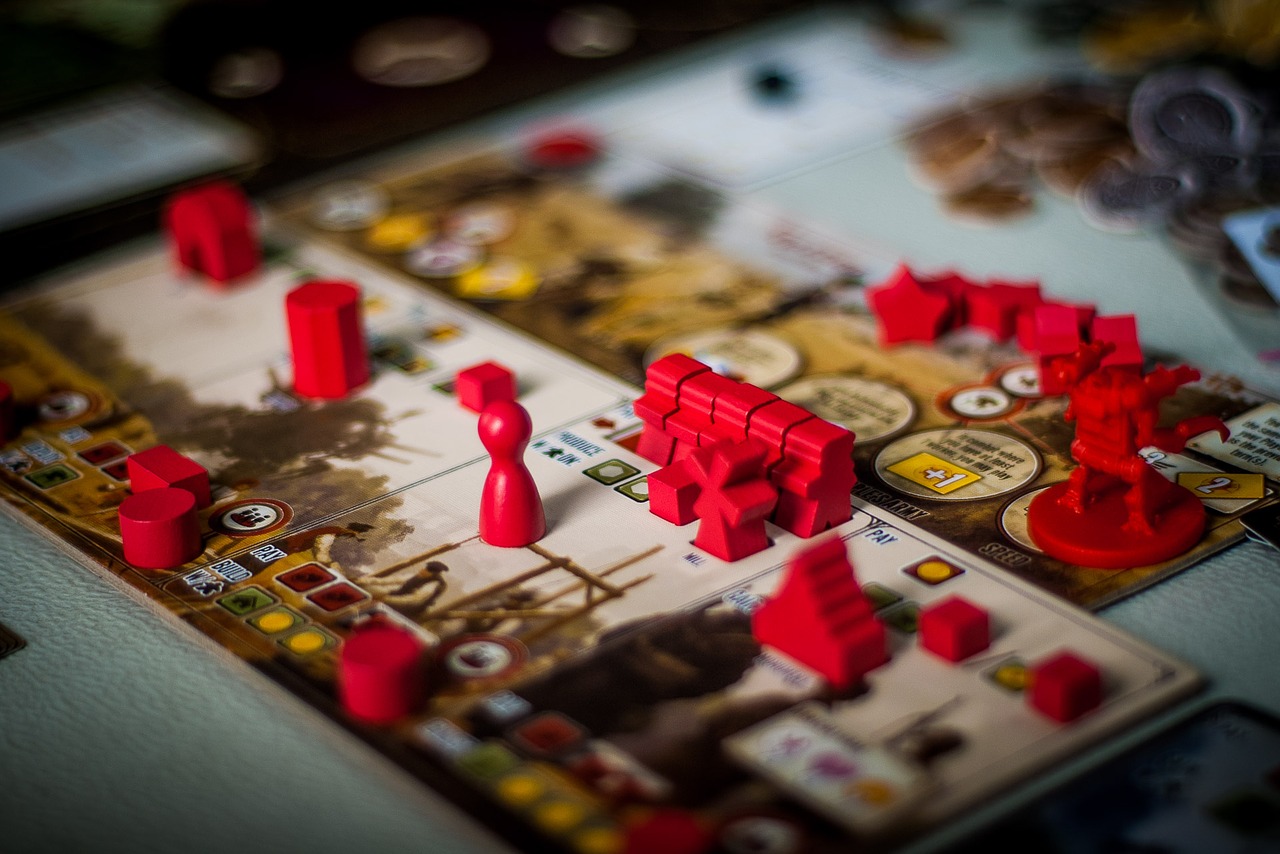
“The test of how well a game communicates a situation is how much you can glean about what’s going on just from walking past the board,” explains Jonathan. “For example, one look at a game of Risk and you will be able to see who is winning and where the key conflict areas are. Similarly, with Monopoly it is easy to see which streets are the most built up and who has the most resources.
“The old classics like Chess and Snakes and Ladders aren’t so useful. Chess requires too much decoding and interpretation to make sense of the situation at hand. Snakes and ladders on the other hand is easy to understand but too simplistic.
“What I find most intriguing is the latest generation of games, such as Scythe. It uses several boards, hundreds of pieces and multiple objectives. This sounds incredibly complex, but it can be understood quickly. Once you have mastered it, it can be used to communicate a hugely complex dynamic situation.
“As lockdown continues, and we look forward to a new normal emerging, can we find ways to include what we can learn from games to inform our change management processes and help us to communicate difficult decisions?”
Further resources: