UK Cladding contractors need expert advice on professional indemnity insurance
Construction professionals are being urged to get expert advice when buying professional indemnity insurance in the face of rising premiums and potential claims associated with building cladding.
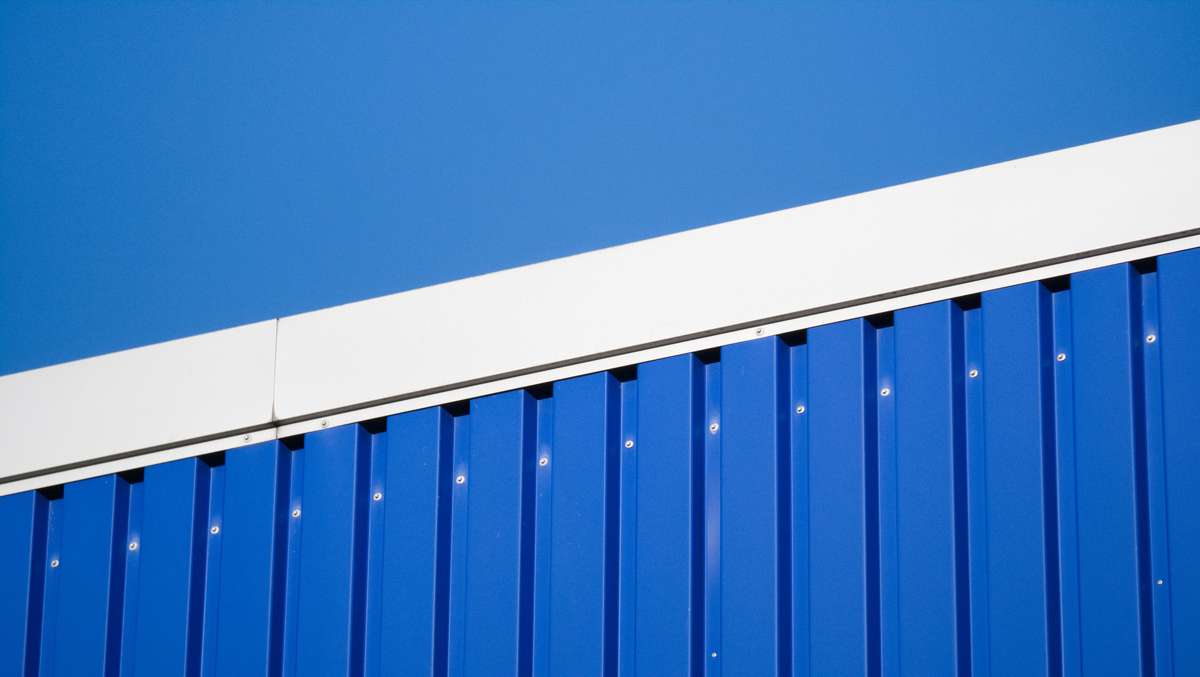
Stephen Ward, from RAW Insurance, who specialises in the construction sector, said safety concerns following the Grenfell fire in 2017 had had a knock-on effect on the insurance market, with many insurers unwilling to cover cladding deemed to be a fire risk.
The aluminium composite material (ACM) cladding used at Grenfell was cited as the primary cause for the rapid progression of the blaze which spread through several floors of the tower in west London.
Stephen said: “Many cladding specialists who designed, supplied and/or installed ACM run a huge risk of having professional indemnity claims brought against them due to the high fire risk this material brings with it.
“With properties now in the process of being stripped of this type of cladding and reinstated with fire safe material, the cost is more often than not being covered by the professional indemnity policy of whoever was responsible for the design.
“There is more pressure on the insurance market, with premiums increasing and fewer insurers offering cover than ever before.
“While businesses with previous claims are being hit the hardest, even companies with no claims can expect a big increase in premium.”
Stephen said contractors involved in cladding projects should take steps to find the best policy for their business.
“With fewer insurers in the market, I would recommend asking only one or two brokers to provide quotes because they will be approaching the same insurers,” he said.
“Too many brokers asking the same limited number of insurers for quotes is counterproductive.
“If you have had claims, it could be more difficult to obtain competitive renewal quotes, so make sure your broker understands what measures you have taken in your business to reduce the likelihood of future claims arising.
“Demonstrating an improved risk management approach to cladding following a claim will be viewed more favourably by insurers.”
Stephen also advised companies to begin the tender process at least three months in advance of the renewal date.
“Choose a broker you can trust, with a good reputation for delivering competitive quotes and who understands your business and the risks you face,” he said.
Cumbrian-based RAW Insurance is an independent commercial insurance broker with vast experience in this sector.
Stephen said: “Our team has decades of combined experience arranging specialist insurance in the construction sector so we understand the risks faced by firms in the industry.
“We have access to the most competitive policies in the market, and our clients automatically get free access to business support information including health and safety, HR, and regulatory compliance through our MORE from RAW online portal.”
RAW Insurance is a member of the British Insurance Brokers’ Association and is regulated by the Financial Conduct Authority.
The Grenfell disaster, which claimed 72 lives, triggered calls for changes to UK building regulations and the strengthening of fire safety measures.
When the tower was refurbished in 2015/16, a cladding system made up of aluminium composite material panels was installed.
In 2019, the chairman of the Grenfell Inquiry panel Sir Martin Moore-Bick concluded the “principal reason” the flames shot up the building at such speed was the combustible cladding with polyethylene cores which acted as a “source of fuel”.
Following the fire, buildings across the country with similar materials were examined and those needing materials removed were identified.
The Government has banned the use of combustible cladding on new buildings, and established funds to help pay for the removal and replacement of unsafe cladding.