Prometheus Materials set to decarbonize the Building Materials Industry
Prometheus Materials, a leader in zero-carbon building materials, today announced that it closed its $8 million Series A financing round.
The round was led by Sofinnova Partners, a leading European life sciences venture capital firm based in Paris, London, and Milan, with participation by the Microsoft Climate Innovation Fund, Skidmore, Owings & Merrill (SOM), GAF, and The Autodesk Foundation.
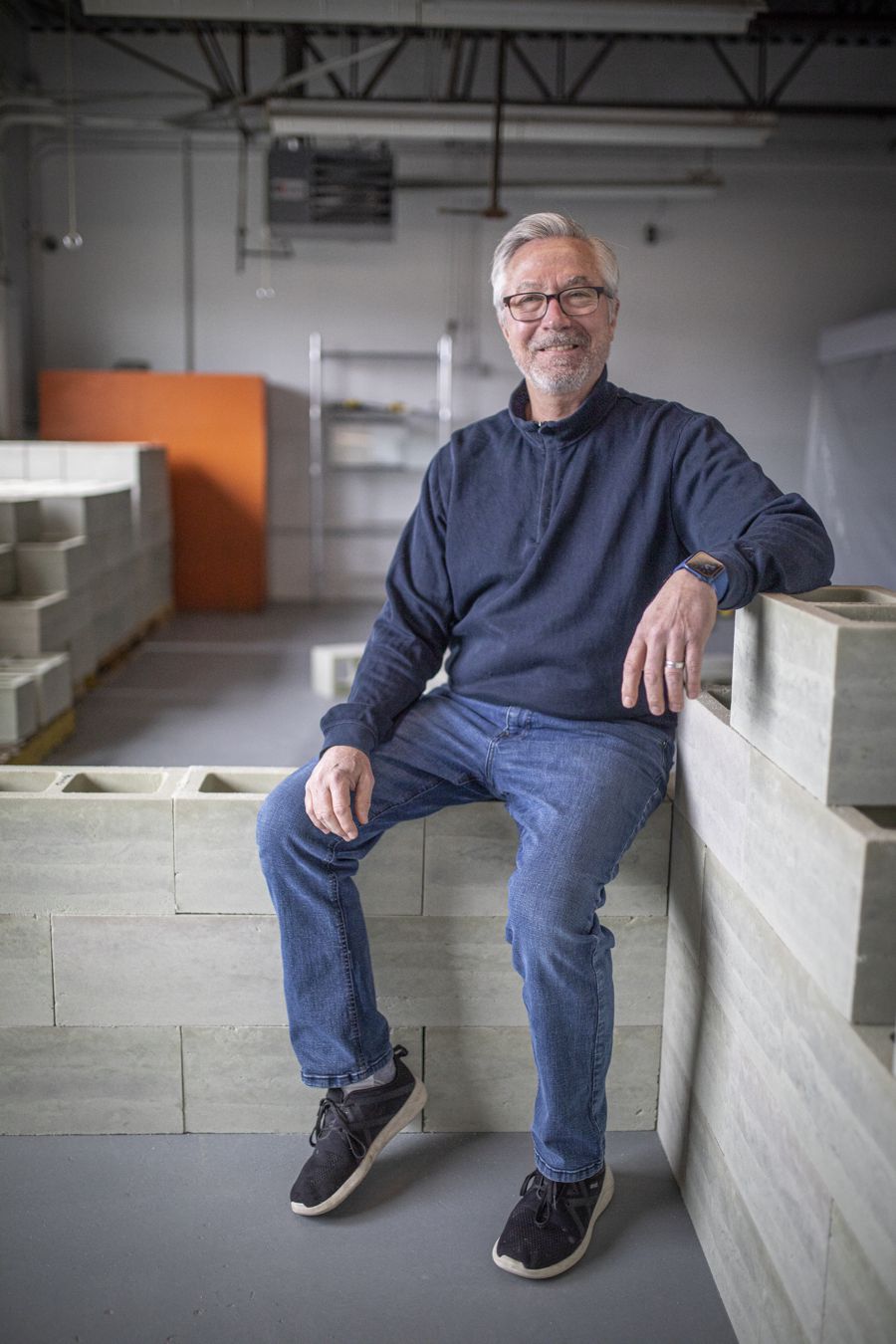
“To prevent catastrophic climate change, we cannot simply replace fossil fuels with renewable forms of energy – we must also decarbonize the way we create building materials,” said Loren Burnett, Co-Founder, President and CEO of Prometheus Materials. “By using biological rather than chemical means to create a strong, durable binding agent for aggregate, we can now offer a zero-carbon alternative to carbon-intensive portland cement. Our bio-cement will transform architecture as we know it, by providing the construction industry with a new decarbonized building material that has environmental and mechanical properties that mirror or exceed the capabilities of concrete, wood, steel, and glass.”
Bringing Zero-Carbon Building Materials to Market
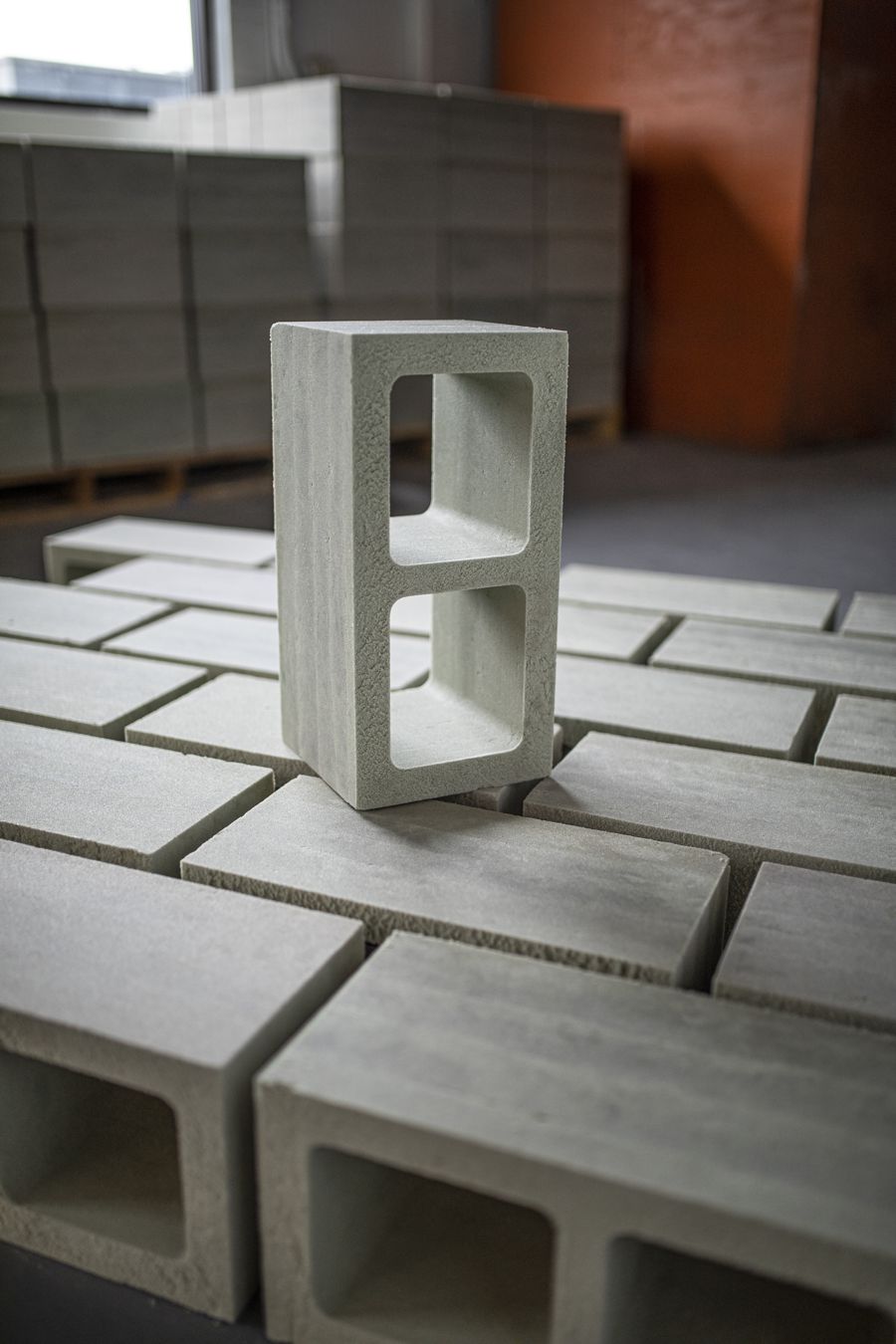
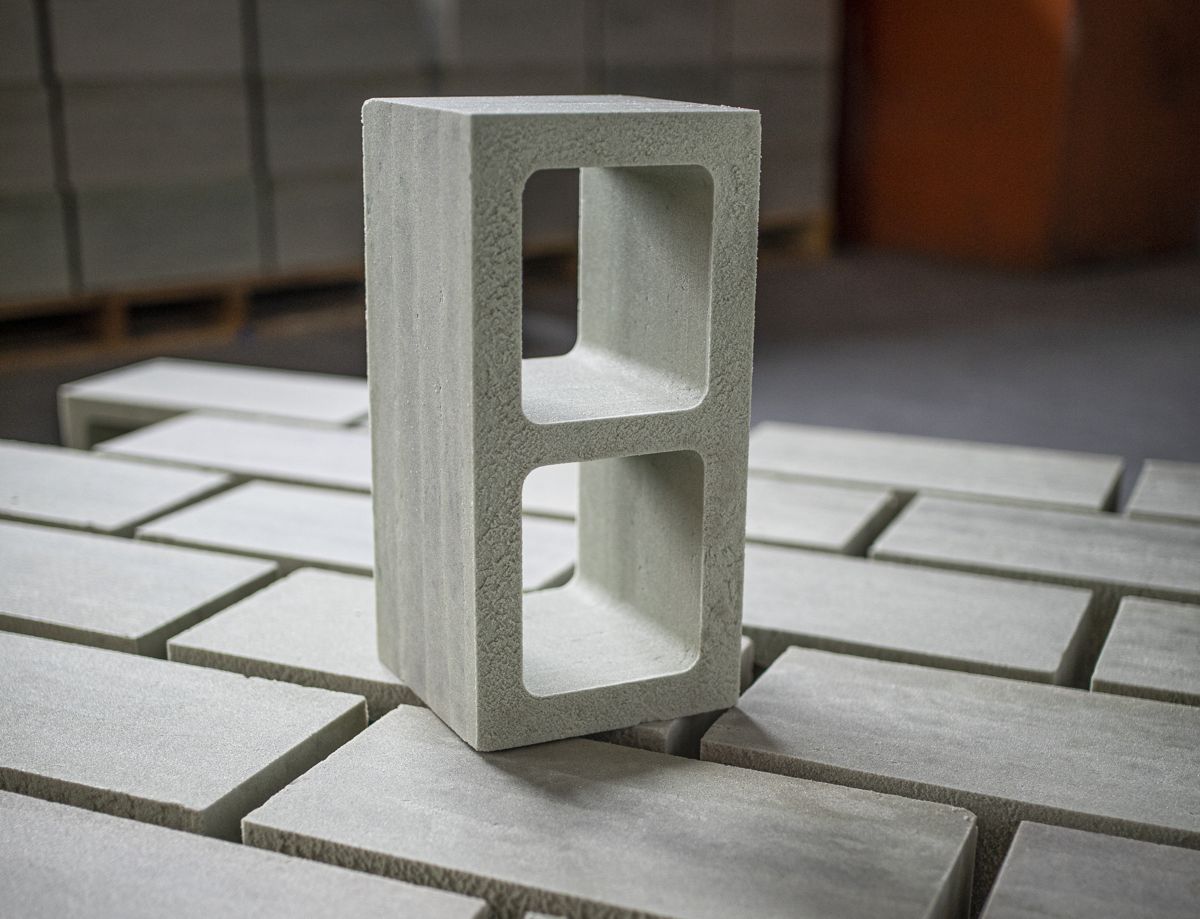
Prometheus Materials will use the funding to commercially manufacture zero-carbon masonry units at its production facility in Longmont, Colorado. The products will be marketed to architects, engineers, property and facility developers, and others in the construction industry as an affordable, strong, and durable zero-carbon alternative to portland cement-based concrete masonry units (commonly known as concrete blocks).
Pilot projects using Prometheus Materials masonry units are currently underway.
Over the next two years, Prometheus will use its Series A funding to begin commercial production of other zero-carbon building products, including:
- Precast biocomposite elements, a decarbonized alternative to traditional precast portland cement-based roofing tiles, wall panels, sound barriers, and other concrete elements.
- Ready-mix biocomposite, a decarbonized alternative to traditional portland cement-based ready-mix concrete.
A Groundbreaking Solution to a Global Problem
Developed under a Department of Defense grant by a team of scientists and engineers at the University of Colorado Boulder, Prometheus Materials’ zero-carbon building products are manufactured using naturally occurring microalgae. Using a patent-pending photosynthetic biocementation process, Prometheus Materials combines microalgae with water, sunlight, and CO2 to create a bio-cement similar to the material that coral uses to build reefs and oysters use to generate their shells.
When mixed with aggregate, this bio-cement creates a zero-carbon building material with mechanical, physical, and thermal properties comparable or superior to portland cement-based concrete.
This new material circumvents the carbon-intensive processes involved in the production and transportation of the 4 billion tons of portland cement made each year; processes that are responsible for 8% of the world’s total annual CO2 emissions, according to a report from Chatham House. This, along with the product’s ability to sequester carbon during the production process, results in a reduction of approximately 90% of embodied carbon compared to existing portland-cement based products.
“Coral reefs, shells, and even the limestone we use to produce cement today show us that nature has already figured out how to bind minerals together in a strong, clever, and efficient way,” says Dr. Wil Srubar III, Co-founder and Chief Technology Advisor at Prometheus Materials. “By working with nature to use existing microalgae to bind minerals and other materials together to create new types of sustainable building materials, we can eliminate most, if not all, of the carbon emissions associated with traditional concrete-based building materials.”
“As Microsoft grows, we continue to build new datacenters and corporate campuses. Sustainable building materials, like the carbon negative solution from Prometheus Materials, will enable our data centers to actually sequester carbon,” said Mark Kroese, General Manager, Sustainability Solutions at Microsoft. “We are proud to be working with Prometheus on this pilot program for low carbon concrete, and to be investing in companies that accelerate building decarbonization through our Climate Innovation Fund.”
“We’ve been impressed by the team’s ability to deliver a long-sought, sustainable, and highly effective replacement for traditional portland cement, minus the carbon emissions,” says Joško Bobanović, Partner at Sofinnova Partners, and a member of the Sofinnova Industrial Biotech team. “This solution demonstrates the power of biology to replace existing industrial processes with climate-friendly alternatives.”