Engineering a Sustainable Future with Fortis Foundations
Highways.Today was delighted to host an insightful interview with Will Temperley, the Managing Director and founder of Fortis Foundations.
Founded in 2020, Fortis Foundations has quickly become a distinguished name in the civil engineering sector, known for its expertise in foundations and piling across various industries. With over two decades of experience in rail and construction, Will brings a wealth of knowledge and innovative approaches to the company.
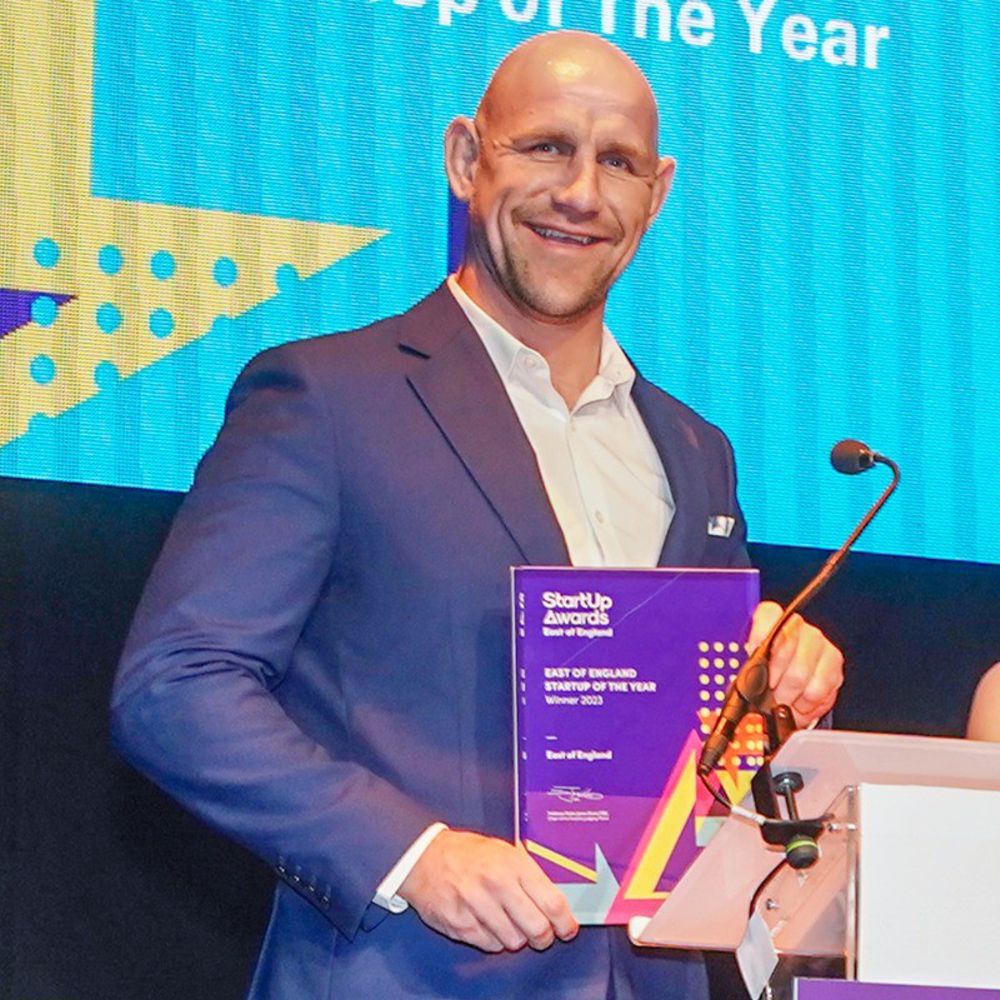
Under Will’s leadership, Fortis Foundations has made remarkable strides, including the launch of Fortis EV (Electric Vehicles) and achieving impressive accolades like a double-win at the renowned StartUp Awards in the East of England.
The company’s commitment to safety, sustainability, and cutting-edge technology has set it apart in the industry.
Tell us who you are, and why you founded Fortis Foundations?
“I’m Will Temperley, founder of Fortis Foundations.
“Fortis Foundations provide civil engineering products and services, with expertise in foundations and piling to the Rail, Civils, Energy, Residential and Water sectors.
“My inspiration to start the business began shortly after leaving my first long time employer after 17 years in 2018. I began talks with my wife about creating our own company after seeing a gap in the market for a turnkey civil engineering company that could do everything from start to finish, and that is when Fortis was born.
“Fortis is Latin for strong, bold and brave and fitted perfectly for our new venture.”
What benefits have you brought to the table since founding Fortis Foundations?
“Since founding Fortis Foundations, we have built a team that brings over 20 years of rail and construction industry experience and because of that our customers feel reassured they are getting the best service and advice. Our clients get to experience numerous benefits including:
“Seamless communication: We provide a one-to-one service between our management team and clientele, so any issues or concerns are addressed upfront.
“Cost savings: We embrace tech solutions to deliver efficient project management in addition to our highly competent team which has resulted in cost savings. Moreover, our effective design saves our client’s money.
“Safety standards: We put safety and the forefront of every decision and in turn reduce costs where necessary.
“Environmental sustainability: We are always focused on improving our sustainability practices. This results in a positive impact on the environment and greater energy efficiency.
“Long-term reliability: Clients can always be assured our expertise is up to date and the longevity and durability of our infrastructure is to a high standard which reduces maintenance costs over time.”
What are the key technical challenges when working with highways?
“Project delays, new safety recommendations, innovative technology and reducing carbon emissions are all technical challenges that affect our work with the highways both positively and negatively.
“We have social and environmental commitments, but how we integrate them to foster a more positive and productive working culture can be hard to navigate.”
What was the reason for founding Fortis EV?
“EV’s are becoming more and more necessary as they are changing how we live, work, and play. However, despite technology rapidly developing, the infrastructure to build and equip businesses with them is subpar to say the least.
“That’s why I decided to take the initiative and design and develop our own EVs as we had the knowledge and a network of industry professionals who could advise us along the way rather than waiting for other companies to do the work when we could do it better.”
Do you have plans to branch out into other areas?
“Yes, we are launching our latest product Fortis Solar very soon which will be for residential and commercial purposes. Our website will be available in a couple of weeks with the full details.”
What industry changes have you seen in recent years and what are the challenges for 2024 and beyond?
“The key challenges our industry has faced and will continue to contend with next year are the labour and skills shortage which have had a knock-on effect on our ability to recruit. As much as we want to expand our team and train the next generation of engineers, the lack of investment in teaching trade skills is having dire consequences. Furthermore, the industry has changed massively over the years, with technological innovation taking shape.
“AI in particular will play a role in the automation of our work, and we will work with it to improve the business and industry and combine it with human workers to get the best of both worlds.”
What skills do you need to work in Civil Engineering?
“Learning the basics is always the best place to start. You need to think theoretically before you start any project and the practicality of what you want to achieve in a certain amount of time. Core skills for me include problem solving, resilience, clear communication and teamwork. Gaining extra qualifications is also a plus as it makes you stand out and impresses employers.
“At Fortis we offer extra training through HSG47 Avoiding Danger from Underground Services, to give staff that additional training to keep employees as safe as possible.
“All our construction managers are Level 7 CSCS Management Professionals, with SMSTS Site Management Training and all Supervisors are Level 6 Gold Card with SSSTS Site Supervisor Safety Scheme. Finally, all our workforce are qualified and competent for their job role in NRSWA Street Works.”
How will you continue to futureproof Fortis Foundations?
“We are constantly thinking about what is coming next and how we can keep up with new technology and trends. We routinely attend industry events to meet other professionals and get a better outlook for what’s to come. We did this when developing Solar and will continue to do so for future projects and get a better understanding of how we can use AI.
“In addition, recruiting the right people is also on our radar. We believe in training on the job and provide courses and certifications and there may be some new ones we adopt in the future.”