Intel acquisition drives AI Everywhere for the Automotive Market at CES
Today at CES, Intel announced plans to drive the company’s AI everywhere strategy into the automotive market, including a deal to acquire Silicon Mobility, a fabless silicon and software company that specializes in SoCs for intelligent electric vehicle (EV) energy management.
Intel also announced: a new family of AI-enhanced software-defined vehicle system-on-chips (SoCs), with Zeekr as the first original equipment manufacturer (OEM) to adopt the new SoC to deliver its generative AI-driven living room experiences to next-generation vehicles.
“Intel is taking a ‘whole vehicle’ approach to solving the industry’s biggest challenges. Driving innovative AI solutions across the vehicle platform will help the industry navigate the transformation to EVs,” said Jack Weast, vice president and general manager of Intel Automotive. “The acquisition of Silicon Mobility aligns with our sustainability goals while addressing a critical energy management need for the industry.”
The EV transition alongside customer demand for in-vehicle experiences fuels Intel’s strategy to enable the SDV. Intel also announced a commitment to deliver the industry’s first open UCIe-based chiplet platform for SDVs. Intel will work with imec to ensure the packaging technologies meet the rigorous quality and reliability requirements of the automotive industry. Intel will also chair a new industry-defining international standard for EV power management.
Today, Intel SoCs are in more than 50 million vehicles, powering infotainment, displays, digital instrument clusters and more. Tomorrow, Intel’s expanded AI-enhanced “whole vehicle” roadmap will move the industry toward a more scalable, software-defined and sustainable future.
Intel to Acquire Silicon Mobility to Unlock a More Sustainable Electrified Future
Silicon Mobility SAS, a portfolio company of Cipio Partners and Capital-E, is a fabless automotive silicon and software company that designs, develops and deploys EV energy management SoCs. Silicon Mobility’s SoCs feature industry-leading accelerators purpose-built for energy delivery and co-designed with highly advanced software algorithms for significant gains in vehicle energy efficiency.
Silicon Mobility’s technology portfolio will extend Intel’s reach in the vehicle beyond high-performance compute into intelligent and programmable power devices. The acquisition is subject to necessary approvals.
Intel’s Open Platforms to Bring AI PC Experience to the Car
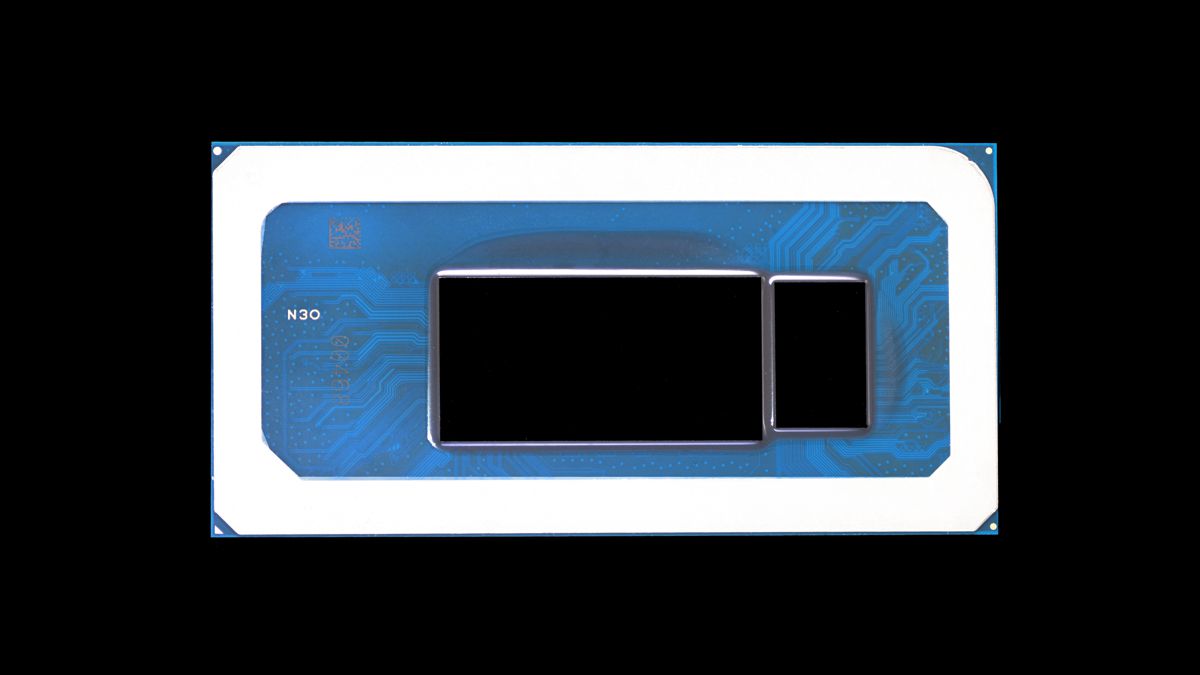
The new family of AI-enhanced SDV SoCs address a critical industry need for power and performance scalability. The family of SoCs feature AI acceleration capabilities from Intel’s AI PC roadmap to enable the most desirable in-vehicle AI use cases, such as driver and passenger monitoring.
A demo showed 12 advanced workloads – including generative AI, e-mirrors, high-definition video conference calling and PC games – running concurrently across multiple operating systems, including mixed critical use cases. The demo shows how automakers can consolidate legacy electronic control unit (ECU) architecture to improve efficiency, manageability and scalability – all while integrating their own custom solutions and AI applications.
“Intel’s AI-enhanced SDV SoCs combine the best of AI PC and Intel data center technologies necessary to support a true software-defined vehicle architecture,” Weast said.
Zeekr First to Bring Intel-powered GenAI Experience to Next-Gen EVs
Geely’s Zeekr brand will be the first OEM to use Intel’s new family of SDV SoCs. Andy An, president of Geely Holding Group and CEO of Zeekr Company Limited, explained how forward-compatibility on Intel systems combined with Intel AI acceleration will allow Zeekr to continually scale and upgrade services to enable next-gen experiences customers demand, such as generative AI-based voice assistants.
Open Standards Key to Industry Success
To fuel a faster, smoother transition to EVs and a sustainable SDV, Intel and SAE International announced a committee to deliver an automotive standard for Vehicle Platform Power Management (J3311). Intel will chair the committee.
Inspired by proven-in-use power management techniques from the PC industry’s ACPI standard, the new SAE standard will accelerate progress by adopting and enhancing advanced power management concepts from the PC industry, helping all EVs become more energy-efficient and sustainable.
The standards committee currently includes industry representation from Stellantis, HERE, and Monolithic Power Solutions (MPS). The committee is open to additional industry participation, with the goal of delivering the first draft standard within 12 to 18 months.
Intel Commits to Open Automotive Chiplet Platform
Intel also announced its intent to work with R&D hub imec to ensure Intel’s advanced chiplet packaging technologies meet the strict quality and reliability requirements necessary for automotive use cases.
The move underscores a commitment to be the first automotive supplier to support the integration of third-party chiplets into its automotive products. This gives OEMs the freedom and choice to incorporate a custom chiplet into an Intel roadmap product at a fraction of the cost of a fully custom SoC.
The ability to mix and match chiplets further eliminates the risk of vendor lock-in and fosters a more scalable software-defined architecture.