Deciphering UK Road Signs
According to the AA, 55% of Brits think they drive safely the majority of the time. However, over half of us still struggle with the Highway Code, so there’s clearly a big disconnect there.
Getting your head around what all the road signs mean in the first place can be a nightmare for new drivers, with one learner driver recently breaking the record for most attempts to pass their theory test. They passed on the 60th attempt – a never-say-die endeavour that set them back almost a grand and a half in test costs.
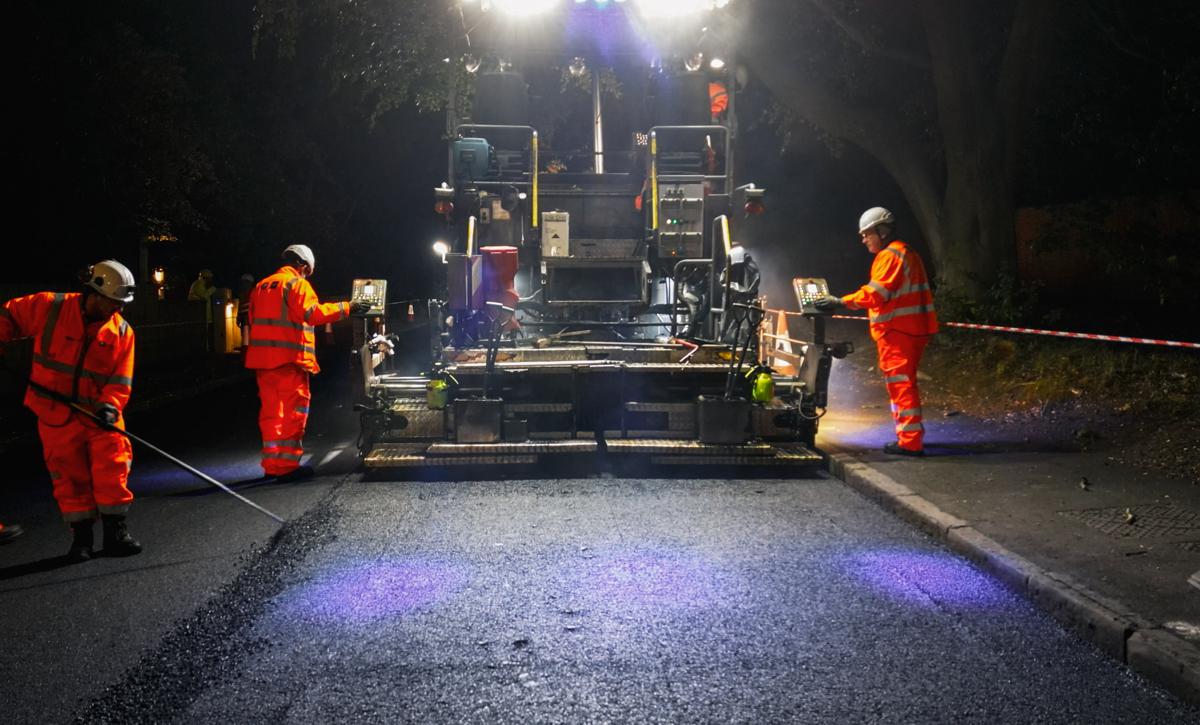
So, how well do you know your road signs? Some of the more unique signage might not appear in the Highway Code, but you might remember them from the theory test. You could even have seen them out and about while driving. Here, the road surfacing experts at Instarmac take a look at some of the most commonly misunderstood road signs in the UK:
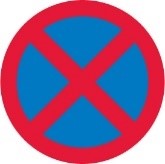
It’s one of the more common road signs, but a surprising number of people are unaware of what this sign means. This sign tells drivers that the road is a ‘clearway’ – which means no stopping under any circumstances.
That means no picking up or dropping off passengers, which has caught plenty of drivers out in the UK since these signs are commonly found outside schools.
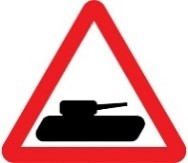
Typically seen on rural roads near military bases, this sign tells you to watch out for slow-moving military vehicles crossing or driving on the road. Tanks can weigh up to 70 tons, so it’s unsurprising that they’re often limited to about 40 mph. Think of being stuck behind a tractor but… scarier.
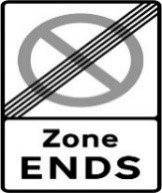
What kind of zone is this sign referring to? If you haven’t noticed any previous signs relating to parking restrictions, this sign can be confusing. But it simply means that any local parking restrictions are ending – so beyond this sign, parking is likely to be free. Always double check to be safe, though! You don’t want to get a parking ticket.
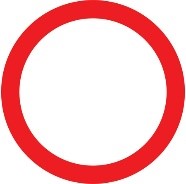
No, this one doesn’t mean there’s no road ahead or that the sign is half-finished. If you see this sign, it means all vehicles are banned from using the road ahead. So, turn back or you could find yourself with a parking ticket!
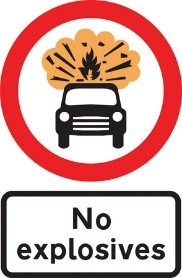
Thankfully, if you see this sign, it doesn’t mean your car might explode. If you’re carrying explosives, though, you’ll be in trouble. This sign means “No vehicles carrying explosives,” which is a no-brainer for most of us.
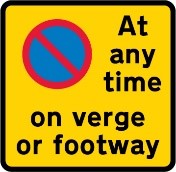
If you think this sign looks similar to the “no stopping” sign, that’s because it does. A blue circular background with a single diagonal red line across it means “no waiting” rather than no stopping. So, if you’re picking somebody up in one of these areas, don’t stop for too long!
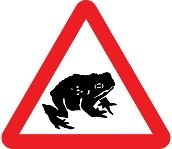
If you’re often driving in rural areas, like Devon or Northumberland, you might’ve come across this sign before. It tells motorists that this road is a hotspot for Migratory Toad Crossings. Drivers should be aware of large numbers of toads crossing these roads, in order to reach their seasonal homes.
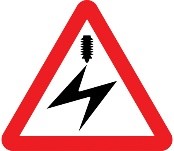
Usually seen near level crossings, or perhaps in tunnels, this sign denotes the fact that there are overhead electrical hazards in the area. It typically warns of danger, like the presence of overhead lines used for trains. You might also see similar signs near building sites where live overhead wires are providing power to large-scale plants or equipment.
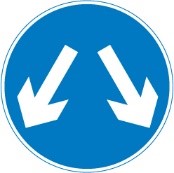
Usually used when the road ahead splits into two, this sign tells drivers that both of the new lanes will direct people to the same location. This helps limit the need for drivers to merge or switch lanes – just stay the course and you’ll end up where you need to be.
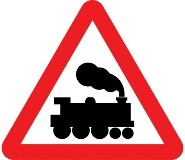
This one seems fairly self-explanatory but it’s one of the UK’s rarer signs. This sign denotes a railway crossing with no marked barrier or gate to prevent crossing. Since most larger roads have gates to prevent people from crossing at the wrong time, you can expect these to primarily appear on smaller rural roads.
Nick Holmes, Technical Training Manager at Instarmac comments: “Knowing and understanding road signs is vital to being a safe driver and limiting the stress experienced by yourself and others. Some of these signs are incredibly common and all road users should be aware of them.
“Others in this list might seem like more of a novelty, but understanding how to react if you do see one of these signs is vital.”