Halomec’s New Partnership with Hiboo Driving Decarbonisation in Fleet Management
In a bold move set to reshape the landscape of fleet management in the UK and Ireland, Halomec has officially partnered with Hiboo, a leading player in the data and decarbonisation sector. This collaboration is a significant step forward for both companies, as they aim to help off-highway equipment operators overcome critical challenges like reducing emissions and boosting productivity.
Halomec, renowned for its expertise in optimising mobile and static plants, will now integrate Hiboo’s cutting-edge fleet management platform into its portfolio. This move isn’t just about expanding services—it’s about setting new standards in equipment efficiency, sustainability, and digital transformation for the construction, mining, recycling, and energy sectors.
Why This Partnership Matters
As the UK and Irish markets gear up for significant infrastructure investments—spanning transport, energy, and housing—the demand for efficient and sustainable fleet management has never been higher. The integration of Hiboo’s technology into Halomec’s service offerings couldn’t have come at a better time, especially as the industry grapples with tightening carbon emission regulations and the push for greener operations.
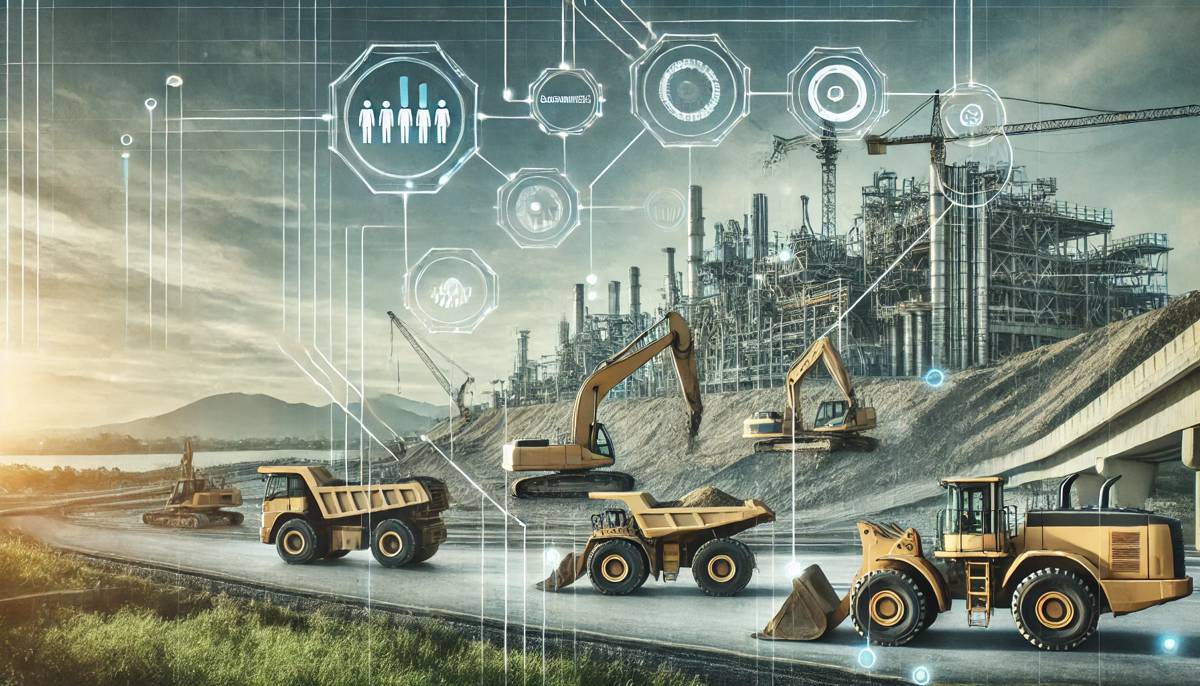
The new partnership aims to optimise the use of off-highway fleets, which are notoriously challenging to monitor due to the diversity of machinery involved. Hiboo’s platform brings these disparate systems under a single, user-friendly dashboard, providing insights into fuel consumption, equipment utilisation, idling, and real-time CO₂ emissions. The potential impact? Operators have already reported up to a 20% reduction in emissions—an impressive figure in an industry where every percentage point counts.
Leveraging Data for Decarbonisation
Hiboo’s innovative platform is the heart of this partnership, enabling businesses to collect and analyse data from their equipment in real time. This capability is especially crucial for plant hire companies, which dominate the UK market. By offering a centralised hub for data, Hiboo’s technology empowers operators to make agile decisions, reducing waste and increasing efficiency.
The platform’s ability to aggregate data across various equipment brands is a key differentiator. Unlike many proprietary systems that limit data to a single manufacturer, Hiboo’s solution is brand-agnostic. This flexibility is a game-changer for fleet operators looking to streamline operations without the headache of juggling multiple dashboards and software interfaces.
Key Benefits of the Hiboo Platform:
- Centralised dashboard for all equipment types
- Real-time monitoring of fuel usage and CO₂ emissions
- Predictive maintenance alerts to reduce downtime
- Enhanced productivity through utilisation metrics
“We are delighted to be forging this alliance with Hiboo in the UK,” says Julian Athawes, Managing Director of Halomec. “Our close association with the UK and Irish off-highway sector and our understanding of the needs of its operators will allow us to evolve a powerful resource for the market, with tailored local support.”
Meeting the Unique Needs of the UK and Irish Markets
This partnership isn’t just about integrating technology—it’s about customising it for the UK and Irish markets, which have distinct operational challenges and demands. With the sector poised for growth driven by large-scale infrastructure projects, the timing is perfect.
Halomec, with its long-standing expertise in installing systems in challenging environments, is uniquely positioned to deploy Hiboo’s solutions effectively. The company’s experience with SKF/Lincoln automatic lubrication systems and Loadrite productivity measurement tools aligns seamlessly with Hiboo’s data-driven approach.
Louis Petros, Head of Alliances & Partnerships at Hiboo, adds: “This partnership with a highly reputable company is part of our ambition to establish ourselves as a major player in the digitisation of fleets of heavy equipment, particularly in the realm of decarbonisation in Europe. Together, we’re committed to transforming the sector and helping our customers move towards more efficient and environmentally-friendly use of equipment.”
A Closer Look at Halomec and Hiboo
Halomec was established in 2006 with a mission to enhance productivity for mobile and static plant operations across the UK. Over the years, the company has become a trusted provider of advanced equipment solutions, especially in heavy industry sectors. Halomec’s team of highly skilled engineers is known for their precision and high safety standards in system installations, ensuring that clients achieve optimal performance.
On the other hand, Hiboo, founded in 2017, is a relatively young player but has already made waves in the industry. By processing data from over 100,000 machines across 100+ countries, Hiboo has proven its capabilities in fleet management and sustainability. The company’s solutions are endorsed by the prestigious “Solar Impulse Efficient Solution” label, a testament to its commitment to driving efficiency and reducing carbon footprints in heavy equipment industries.
Hiboo’s Core Offerings:
- Data collection from diverse machinery brands
- Cloud-based analytics for real-time insights
- Tools to track and reduce carbon emissions
- Compliance support for CSRD (Corporate Sustainability Reporting Directive) requirements
A Greener, More Efficient Future
Looking forward, this partnership is poised to make significant strides in helping operators across the UK and Ireland transition to more sustainable practices. As regulations around emissions and sustainability tighten, the construction and heavy equipment sectors will face increasing pressure to adapt. By harnessing the power of data, Halomec and Hiboo are positioning themselves as leaders in this critical area.
The real beauty of this partnership lies in its potential to drive a much-needed change in the industry. With Hiboo’s data analytics platform now accessible to Halomec’s customers, fleet operators will be better equipped to tackle the twin challenges of productivity and sustainability. This not only improves the bottom line but also paves the way for a more eco-friendly future.