5 Key Areas Of Your Office That Require Additional Security Measures
An office is rarely one big room with nothing else attached. Normally, your office space is composed of various areas and rooms that serve different purposes. As a consequence, some of these areas demand additional security measures that go beyond the normal ones in your office space. For example, your main office area might not include many strict security features – other than CCTV cameras to monitor the place during the night. But, some rooms or spaces contain important things or need to have another layer or two of security built in to protect both your business and employees.
This may initially sound confusing, so let’s look at five key parts of your office that require additional security measures. As you go through the different spaces, you’ll soon understand why these measures are necessary and how to bolster your building’s security.
Front-Of-House Entry Points
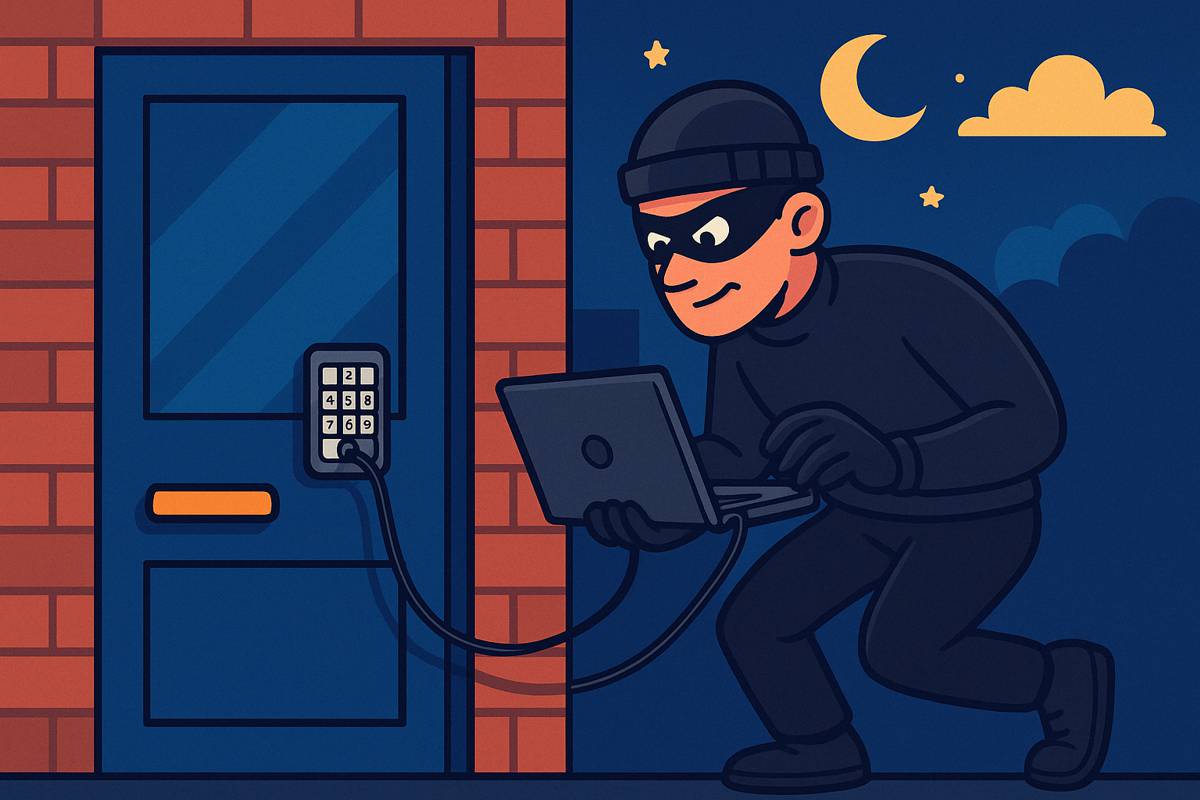
The main entry point to your office building needs as much security as possible. A robust access control system is an absolute must as it provides an extra layer over a traditional entry system. Instead of having a revolving door that anyone can walk through to enter the building and then head up to your office, you have a system that requires passcodes or contactless cards to unlock entry points. It’s a way of ensuring the right people have access to your building, and anyone who hasn’t been given access codes or a special card will have to buzz the intercom to be let in. From there, you can decide if you want to let the individual in or if they seem too suspicious.
The front-of-house area will also benefit from additional CCTV cameras pointed directly at the entrance doors. This helps you keep a log of everyone that passes through the doors, so even if someone manages to bypass your new access control system, you’ve got video footage of who it is and where they go after.

Server Rooms
Does your office contain a server room? This is very common in many medium-to-large businesses, as a server room gives you more control over your data. It’s where you house your server (and other vital IT equipment), so you’re not constantly connecting to wireless servers all over the world. In theory, this should also speed up efficiency and make it easier for your servers to handle vast workloads.
However, a server room becomes a massive security concern for your business. You’re sitting on hardware devices that contain all of your company’s most important data. Of course, you’ll have cloud-based backups, but that’s not the point. The point is that someone can waltz into the server room and either destroy or steal your equipment. Stealing it is the worst part because it means they technically have access to everything on your servers – and there’s no way for you to delete this information.
With that in mind, server rooms are in dire need of additional security measures. For one, ensure there’s a secure lock on the door to the room – this can be another access control system or a classic key lock. Then, make sure your IT equipment is packed within an IT enclosure or case. These cases can help ventilate and protect the equipment from environmental threats, though they also contain locks. It means someone needs a key to unlock the server door and another separate key to unlock the casing. Choosing a robust IT enclosure also helps with security because you can get ones that are shatterproof and hard to physically break. As a result, the server room becomes extremely safe, and you avoid costly security breaches.
Cleaning Cupboards
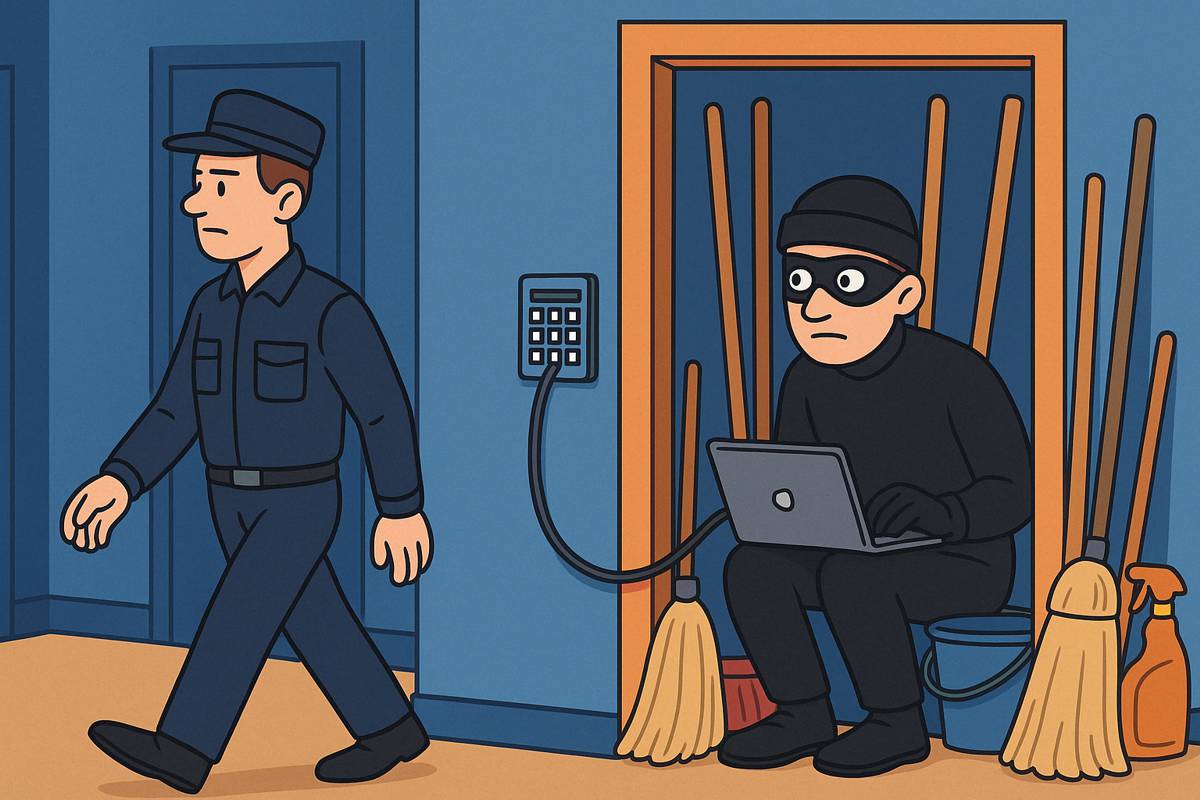
Who’d have thought that your cleaning cupboards demand extra security measures? You may find this overkill, but there’s a key reason to add a new layer of security here: cleaning products contain harmful chemicals.
No matter where you’re currently located, there will always be regulations regarding the safe containment of hazardous chemicals like bleach, etc. One of these regulations revolves around how you store chemicals – and it normally means you must keep them behind locked doors to restrict people’s access and exposure to them. In an office, this means you need a designated cleaning team that handles these products. You can either hire a team to do this or make it part of someone’s job.
Either way, it means your cleaning cupboards need to have proper locks on them. These can be robust padlocks, keypads and so on. It doesn’t necessarily matter how you lock down these cupboards; all that matters is the cupboards themselves can’t be opened by anyone who walks by. This will prevent accidents when someone mistakenly opens a cleaning cupboard and possibly touches something with bleach on the outside. If something like that were to happen in your office, then it’s literally the prime situation for an employee to sue you. It’s your responsibility to keep hazardous chemicals away from your workers.
Meeting Rooms
Meeting rooms are excellent places to gather lots of people and hold a meeting or seminar. It may also be where you meet with clients and want some privacy. You probably don’t think these rooms demand more security than the general office space, but that last word in the previous sentence is key: privacy.
Imagine you’re holding an important meeting with some key clients. They’re on the fence about carrying on and using your business because they’ve received offers from your rivals. This meeting is what stands in the way of losing or reclaiming a valued customer. Therefore, you can’t afford for people to burst in and interrupt the meeting. You also need there to be no distractions causing your client to pay less attention to the meeting – and that’s where the extra security comes in.
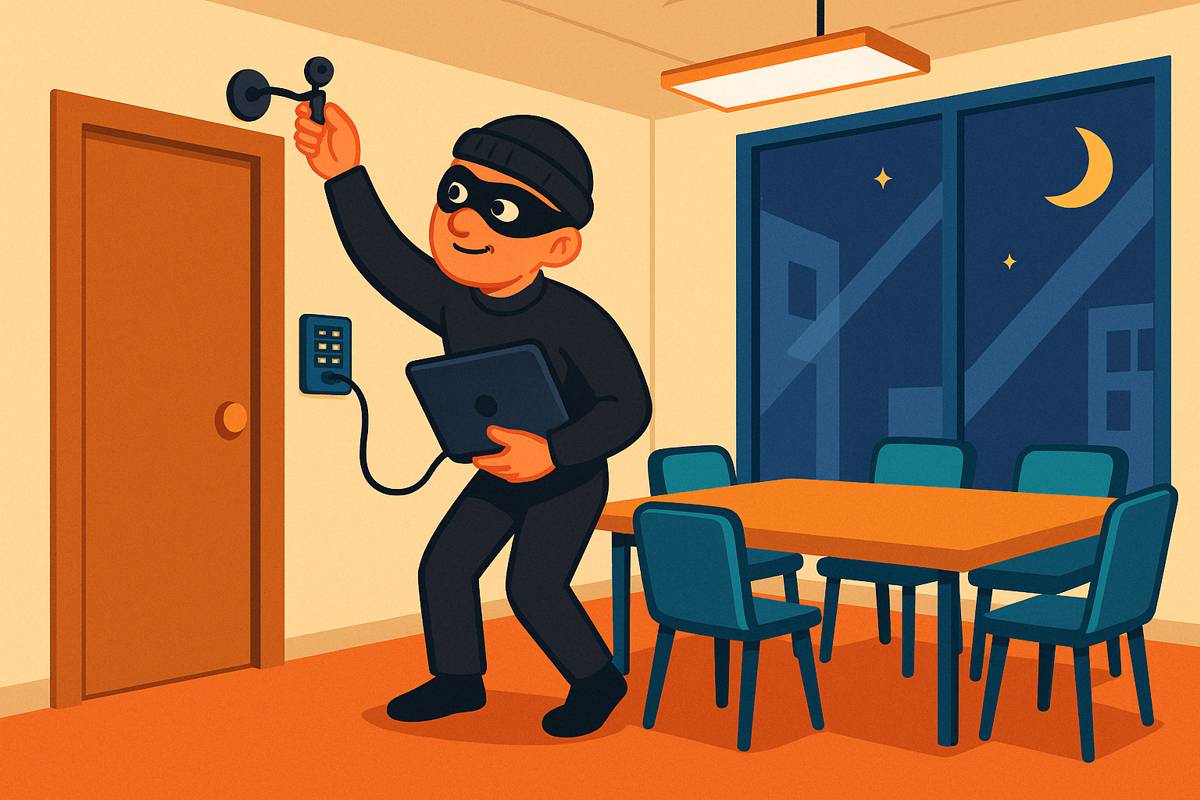
Once more, an extra lock on the doors will stop people from barging in and disrupting the meeting. Additionally, you can get security glass panels around the meeting room that block out sound. This mitigates distractions – and you may even find some that are tinted so people can’t look in. Here’s where things get slightly exciting; some of these tinted windows have buttons you press that either make them tinted or transparent. You can turn the tint on during a meeting to signal to the rest of the office that this is an important meeting they shouldn’t disturb.
Private Office Areas
Modern offices like to go with partitioning layouts to give employees their individual workspaces. It’s a great design to break up a large office area and provide everyone with more privacy during the day while still having a fairly open-plan layout. Nevertheless, you’re also likely to have at least one private office area. This could be your private office (if you’re the boss), and it’s where you do all of your important work.
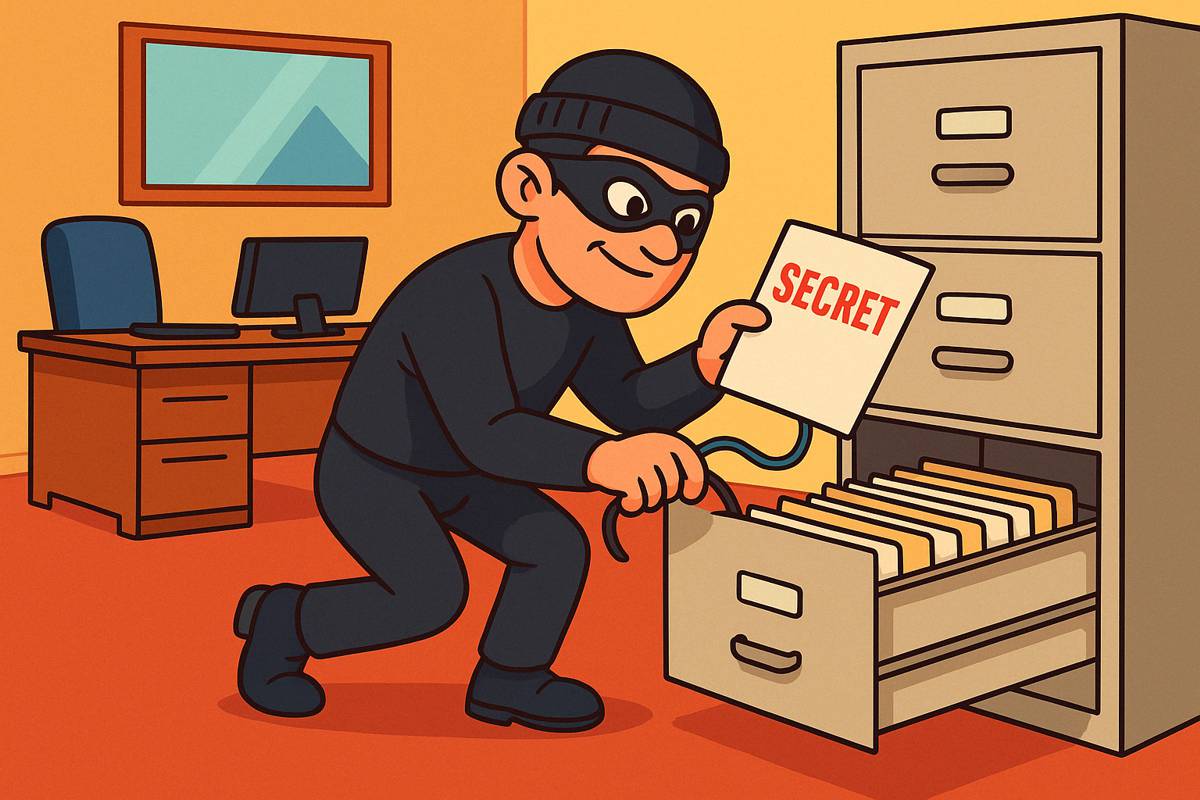
Consequently, private areas like this need to implement more layers of security. Go back to a trust access control system and install proper security doors instead of normal wooden office ones. This makes the private office a more secure place that’s harder for someone to sneak into. A dedicated CCTV camera inside the office also ensures that you track whoever comes in, making it nigh-on impossible for someone to lurk into the private office and steal documents or log into your PC.
The big thing to take from this post is that your office needs extra pieces of security here and there. Certain rooms or areas demand more attention than others, and neglecting them could lead to serious security breaches.