AI and Automation is Rewriting Construction’s Playbook
Procore Technologies has just pulled back the curtain on what’s ahead for the global construction industry. Their inaugural Future State of Construction Report is no light reading.
It’s a comprehensive, data-packed outlook drawn from over 1,200 construction leaders across eight nations: Australia, Canada, Ireland, New Zealand, Saudi Arabia, UAE, the UK, and the US. Together, their voices paint a clear picture of a sector in the throes of transformation.
Procore’s Founder and CEO Tooey Courtemanche set the tone with a bold statement: “The construction industry is at a turning point, and technology is the catalyst for its transformation. AI, data and automation aren’t just driving efficiencies, they’re reshaping how we build, collaborate, and solve challenges.”
And he’s not wrong. Construction, a sector once defined by grit and hands-on labour, is now being reimagined by algorithms, automation, and a renewed focus on its greatest asset: people.
The Industry’s New Workhorse
Let’s face it: inefficiencies have long plagued construction projects. According to Procore’s report, a whopping 28% of project time is wasted on rework, and 18% is lost just hunting for data. That’s nearly half a project timeline gone in the blink of an eye.
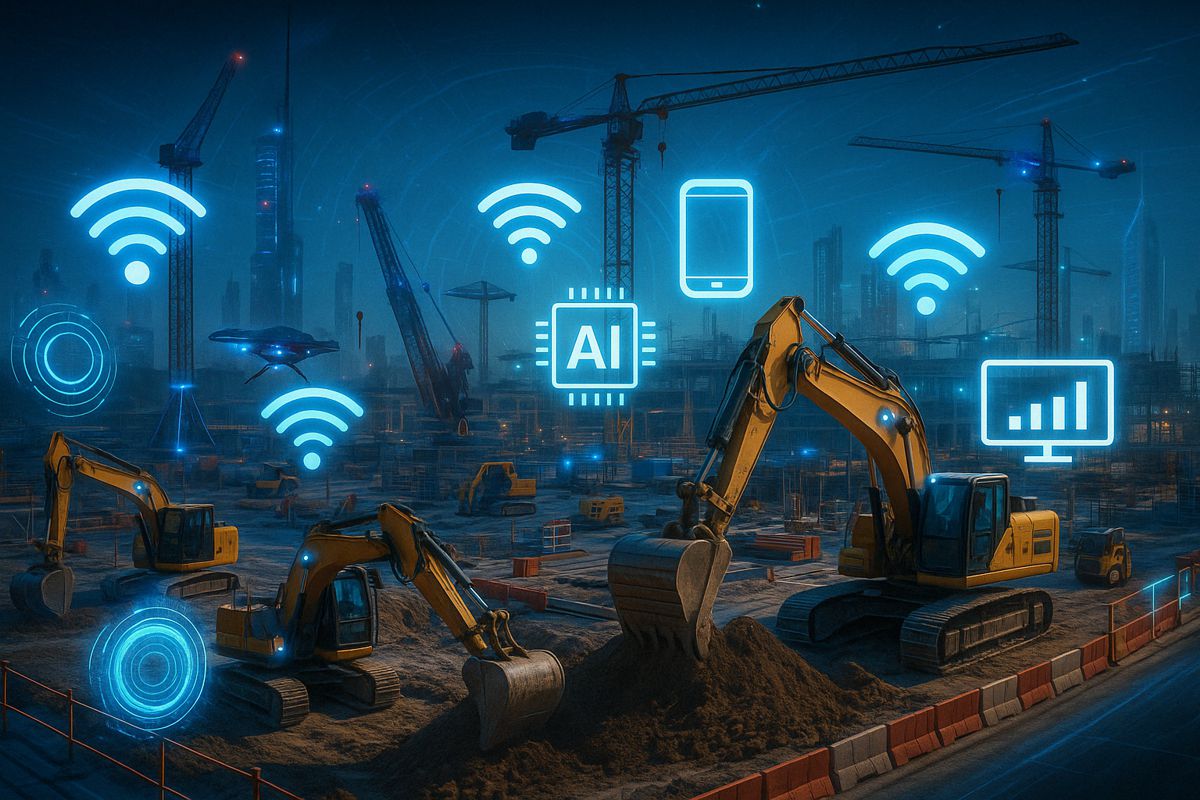
Here’s where automation steps in. Over half of industry leaders—55% to be exact—believe automation will dramatically reshape construction within the next five years. It’s not just wishful thinking either. AI-powered tools are already making waves during preconstruction, helping teams plan smarter, reduce guesswork, and eliminate redundant tasks.
By streamlining workflows and enhancing accuracy, automation isn’t replacing people—it’s liberating them to focus on higher-value tasks. The potential ROI? Massive.
Intelligence That Builds Smarter
While the buzz around AI often centres on machines doing the work, its true power lies in delivering smarter decision-making.
A staggering 80% of executives agree that connected historical data is vital for project success. Yet paradoxically, 76% of civil and infrastructure leaders admit they haven’t fully tapped into their data’s potential.
AI isn’t just a flashy upgrade—it’s a game-changer. Whether it’s refining schedules or reallocating labour resources, AI is becoming the digital foreman on construction sites, optimising outcomes with insights no human could easily uncover. But it’s not about sidelining human input. As Procore’s Kris Lengieza put it: “At the core of every advancement in technology are the people who build. Their expertise and adaptability will determine how the industry evolves.”
The Rise of Builder-Led Design
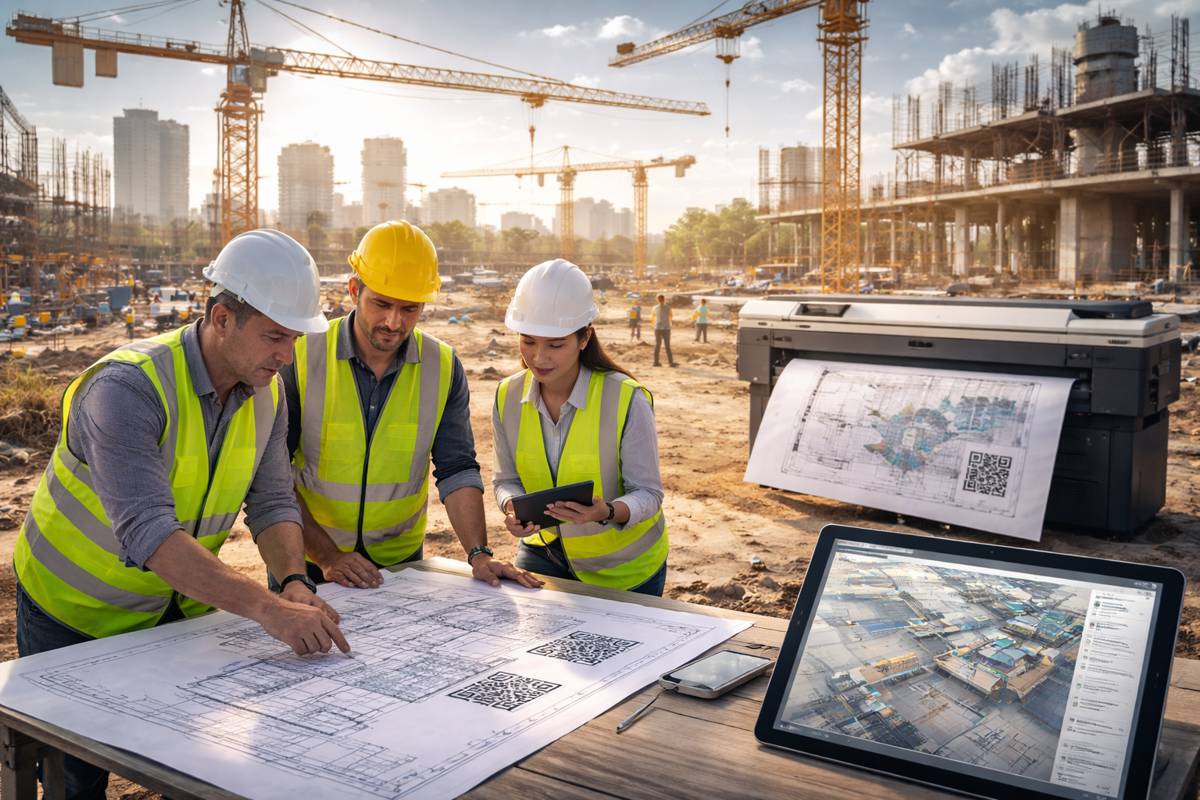
The days when architects handed off designs to contractors and hoped for the best are slowly becoming history. Builders are increasingly steering the design process, thanks to advanced digital tools.
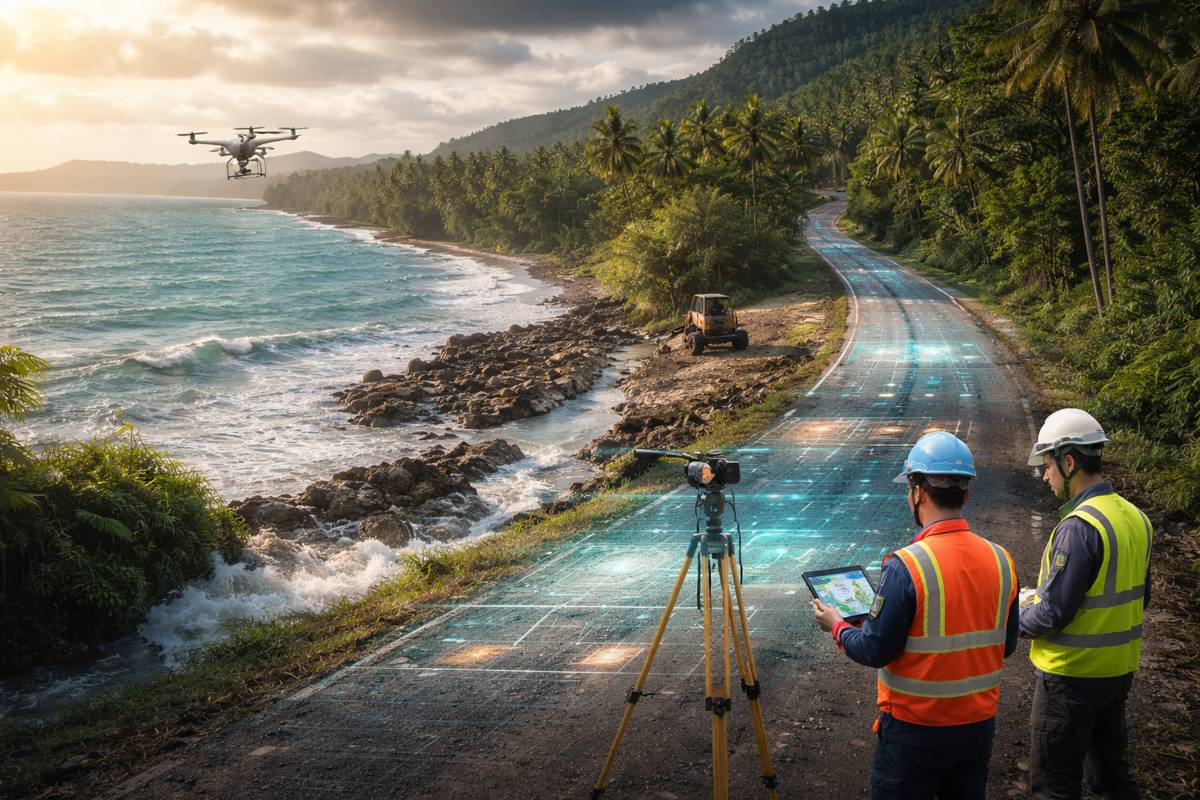
Procore’s research shows 49% of professionals expect a significant uptick in BIM usage for design collaboration and clash detection. With the rise of digital twins and AI modelling, it’s now possible to simulate a project’s outcome before a single shovel hits the ground.
This approach doesn’t just save time—it reduces costly errors and supports better collaboration across the project lifecycle. In short, builders are no longer just executors; they’re becoming design partners.
Upskilling is the New Recruitment
Technology isn’t the only force shaping construction’s future. There’s a seismic shift happening in the workforce too. With 53% of current construction workers set to retire by 2036, the industry is staring down a serious talent gap.
It’s not all doom and gloom, though. Nearly half (47%) of companies already have upskilling initiatives underway, and another 41% are planning to roll them out in the next 12 months. Smart move—especially when you consider that 60% of workers say they stay in the industry for the career growth and financial stability it offers.
But upskilling alone isn’t enough. Retaining talent also means addressing well-being. Burnout is the number one reason people leave the trade, with 45% of workers citing it as their primary concern. Investing in mental health resources and creating supportive environments isn’t just nice—it’s a strategic imperative.
Building Resilience Together
It’s easy to get dazzled by the promise of AI and automation, but Kris Lengieza offered a timely reminder: “Companies leveraging AI, automation, and data are continuing to unlock new efficiencies, enhance safety, and build a more resilient industry. But the future of construction isn’t just about the technology, it’s about how we use it to build together.”
That ethos—collaboration over competition, evolution over disruption—is what will define the industry’s next chapter. As construction becomes more digital, it must also become more human. The best tools won’t be the ones with the most features, but the ones that empower teams to build smarter, safer, and more sustainably.
A Confident Step into the Future
Procore’s Future State of Construction Report doesn’t just forecast change—it lays the groundwork for action. By embracing AI and automation, nurturing a skilled and supported workforce, and empowering builders to lead with digital confidence, the industry can look forward to a future that’s more efficient, inclusive, and resilient.
For industry leaders, the takeaway is clear: innovation isn’t optional. But with the right blend of tech and talent, the future of construction isn’t just bright—it’s already under construction.