Suzuki and Soracom Driving the Future of Robot-Ready Platforms
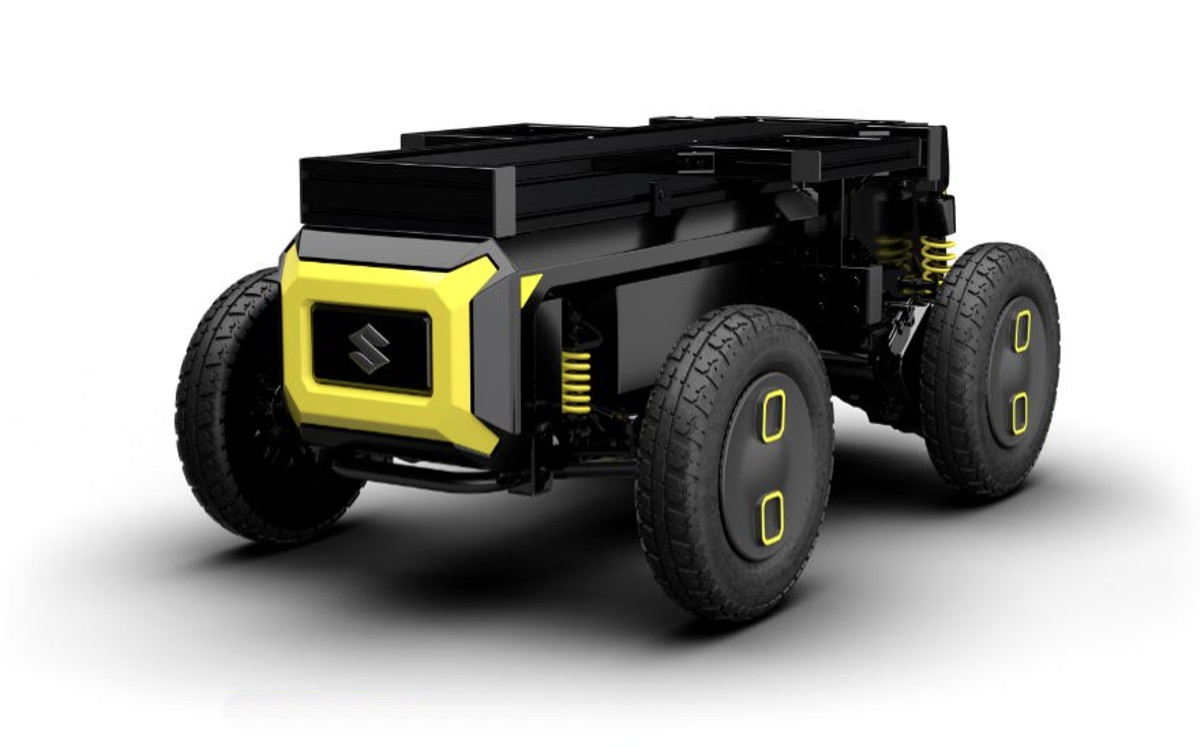
What happens when you blend the brain of a robot with the nimbleness of a micro electric vehicle? According to Suzuki Motor Corporation and global IoT platform provider Soracom, the result could be a game-changer for industries craving smarter, more agile solutions. The two giants have just rolled out a proof-of-concept (PoC) that aims to transform Suzuki’s “Versatile micro e-Mobility Platform concept” into a real-world commercial offering.
Originally built on the company’s electric wheelchair technology, this micro mobility concept has been reimagined as a flexible base for a wide range of robot-powered applications. From bustling logistics hubs to snowy construction zones and rugged terrain in civil engineering sites, this platform may soon be rolling in to revolutionise how machines move and operate.
The secret – Soracom’s IoT connectivity and cloud services.
What the Platform Can Do
Suzuki’s innovation taps into years of R&D in mobility tech, especially from its electric wheelchair expertise. But this isn’t your average wheelchair on steroids. The platform offers exceptional stability, impressive manoeuvrability, and can integrate seamlessly with autonomous systems and artificial intelligence.
According to both firms, the potential use cases span several industries:
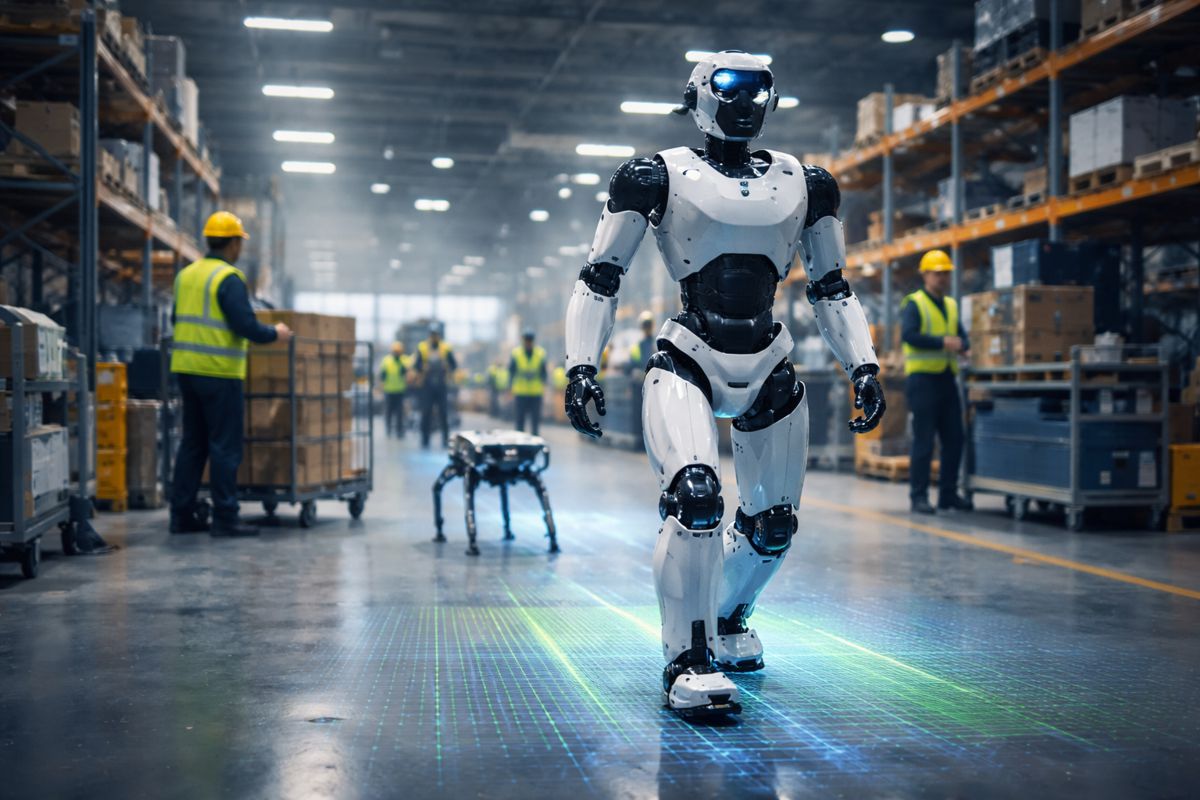
- Logistics: Enhancing warehouse automation with mobile robotic platforms.
- Snow Removal: Deploying autonomous machines to clear snow in inaccessible areas.
- Construction & Civil Engineering: Supporting mobile systems for transporting equipment or assisting workers.
- Environmental Monitoring: Acting as a base for sensors and cameras to measure terrain or air quality.
And the cherry on top? It’s all connected in real-time.
The IoT Backbone
Powering the platform’s connectivity is Soracom’s global IoT infrastructure. With full Mobile Virtual Network Operator (MVNO) capabilities, Soracom ensures reliable, real-time communication via a purpose-built IoT SIM module.
Through Soracom, the platform can:
- Relay real-time operational status
- Deliver live GPS tracking
- Upload diagnostics to the cloud
This allows developers, operators, and stakeholders to analyse vehicle behaviour, test environmental resilience, and build new services around the system’s data. More importantly, it paves the way for cloud-based predictive maintenance, remote troubleshooting, and software updates.
Soracom’s network already supports over 20,000 customers worldwide, from startups to major enterprises. Their mission is straightforward: “accelerate speed to market, simplify cloud integration, and offer access to a global ecosystem of partners.”
Building the Future, One Module at a Time
This isn’t just about one platform, one robot, or one use case. The Suzuki-Soracom collaboration is about creating a modular system that’s scalable and adaptable. The idea is to spark an ecosystem of robot developers, AI specialists, and field engineers who can plug in their own tech to the platform and let it roll.
This open approach could fast-track the development of specialised service robots that adapt to specific needs in niche industries. Think:
- AI-assisted survey robots for infrastructure inspection
- Agricultural bots with real-time soil sensors
- Remote-operated utility vehicles in disaster zones
“We’re looking beyond transportation,” a Soracom spokesperson noted: “It’s about building mobility into the machines that already exist in people’s workflow.”
Sustainability at the Core
While versatility is the name of the game, sustainability plays a vital supporting role. The collaboration between Suzuki and Soracom is grounded in the shared belief that smarter mobility should also be greener.
By relying on compact electric platforms that can be shared across different functions and sectors, the initiative aligns with low-emissions goals and long-term environmental strategies. Cloud-managed fleets and predictive maintenance reduce unnecessary machine use and prolong lifecycle, thereby curbing e-waste and reducing carbon footprints.
This supports Suzuki’s broader green strategy and bolsters Soracom’s reputation for enabling energy-efficient IoT deployments.
A Timeline with Intent
The PoC launched shortly after the duo signed an agreement in February 2024 to jointly explore next-generation IoT applications in mobility. While the initial focus is on R&D and field testing, both companies are actively eyeing commercial viability.
By observing how the platform performs in diverse environments, the partners aim to identify:
- Key functional requirements
- Optimal integration pathways for autonomy and AI
- User-centric support services such as maintenance and updates
“We want to understand how it’s used in real scenarios,” a Suzuki engineer stated: “That’s where the real product development begins.”
Driving Toward Commercialisation
The joint PoC isn’t just an experiment. It’s a blueprint for scalable commercialisation. If successful, the micro e-Mobility platform could move from testbeds and sandboxes into actual production environments.
The ability to monitor usage, performance, and connectivity in the wild is essential to building a product that’s not just technically sound but also aligned with market demands. Suzuki and Soracom are betting on data to drive that transformation.
As AI and autonomous systems mature, having a reliable, connected, and adaptive mobility platform can set the stage for a new class of collaborative robotics in industry and public service.
A Glimpse into the New Normal
In a world increasingly shaped by automation, climate concerns, and supply chain complexity, the Suzuki-Soracom partnership couldn’t be timelier. With robots stepping further into roles once reserved for humans, giving them a stable, intelligent, and cloud-connected base makes a world of difference.
Whether it’s an autonomous snowplough, a warehouse hauler, or an environmental monitor, this little platform might just be the unsung hero of our future cities and work sites. One wheel at a time, it’s paving the road to a smarter, more agile, and more sustainable tomorrow.