Egypt Lights the Way with EBRD Funded Solar and Battery Storage Project
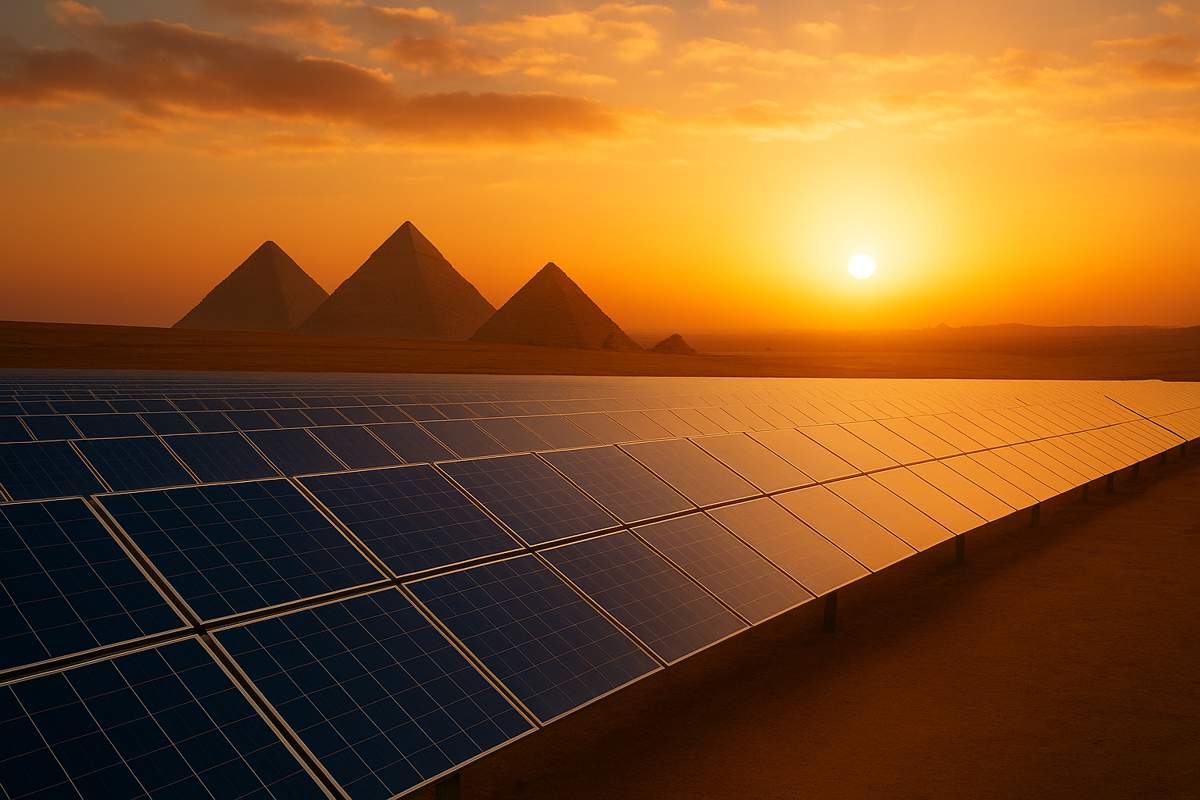
Egypt is charging ahead on its renewable energy ambitions with a game-changing project in Nagaa Hammadi that combines solar power with battery energy storage technology.
The European Bank for Reconstruction and Development (EBRD) has stepped up to provide a vital US$30 million equity bridge to Obelisk Solar Power, a special purpose vehicle owned by global renewables giant Scatec ASA. This investment will help Egypt bring its very first large-scale hybrid solar and battery energy storage project to life.
Positioned as a flagship initiative, the project features a 1 gigawatt-alternating current (GWac) photovoltaic (PV) solar plant coupled with a 200 MWh battery energy storage system (BESS). This pioneering development is expected to set the benchmark for similar projects across the country, supporting Egypt’s wider transition to clean, reliable energy while addressing the growing pressure on its electricity grid.
Unlocking Egypt’s Green Potential
Egypt has made significant strides in renewable energy over the past decade, but this project marks a first-of-its-kind step into hybrid solar and storage at scale. Launched under the EBRD-led energy pillar of Egypt’s Nexus of Water, Food, and Energy (NWFE), introduced at COP27 in Sharm El Sheikh, the project exemplifies Egypt’s commitment to becoming a regional clean energy leader.
The NWFE platform was designed to unlock Egypt’s potential across these critical sectors through international collaboration, targeted investment, and strategic partnerships. The Nagaa Hammadi project represents a perfect case study of this approach in action. The inclusion of BESS technology ensures that solar energy generated during daylight hours can be stored and dispatched when demand peaks or solar production dips, enhancing grid stability and reliability.
EBRD Managing Director for Sustainable Infrastructure, Nandita Parshad, described the project as a milestone: “This investment demonstrates our commitment to supporting Egypt’s energy transition while showcasing the role of battery storage in integrating renewable energy more effectively into the grid.”
Slashing Emissions and Boosting Energy Security
One of the most compelling benefits of the project is its potential to slash Egypt’s carbon footprint. The plant is projected to reduce the country’s CO2 emissions by over 1.35 million tonnes annually — a significant contribution to Egypt’s climate commitments under the Paris Agreement.
Equally important is the project’s role in boosting Egypt’s energy security. With electricity demand on the rise due to population growth and industrial expansion, the ability to store renewable energy and use it when needed is a game-changer. This reduces the country’s reliance on fossil fuels, limits exposure to volatile global energy markets, and helps keep power flowing when demand is highest.
Scatec ASA’s CEO, Terje Pilskog, highlighted the wider impact: “We are proud to support Egypt’s journey towards a greener energy future. This project will not only deliver clean electricity but also improve the resilience and reliability of the national grid.”

EBRD’s Ongoing Commitment to Egypt’s Development
Since it began operations in Egypt in 2012, the EBRD has invested more than €13.8 billion across 201 projects in various sectors. From financial services and agribusiness to manufacturing, services, and large-scale infrastructure, the Bank’s footprint is wide and impactful.
Key focus areas include:
- Power generation and renewable energy projects
- Municipal water and wastewater services
- Transport infrastructure improvements
- Manufacturing and services sector growth
This latest investment cements the EBRD’s position as a key player in Egypt’s sustainable development journey.
Solar Plus Storage
Egypt’s move toward hybrid solar and storage projects mirrors a growing global trend. According to the International Energy Agency (IEA), battery storage capacity worldwide is expected to grow by over 35% annually through 2030, driven by the need to balance intermittent renewable energy sources like solar and wind.
Countries including Australia, the United States, and the United Kingdom have already rolled out large-scale solar-plus-storage projects, recognising their potential to deliver clean energy with the flexibility to meet grid demands. Egypt’s project in Nagaa Hammadi positions the country alongside these early movers, opening doors for technology transfer, expertise sharing, and further investment.
What Lies Ahead for Egypt
With abundant solar and wind resources, Egypt is well-placed to become a renewable energy powerhouse. The government’s target of generating 42% of its electricity from renewables by 2035 looks increasingly achievable with projects like this leading the way.
Future opportunities include:
- Expanding hybrid renewable projects across the country
- Attracting more private sector investment in clean energy
- Building local expertise in battery storage technology
- Developing policies to support energy storage market growth
- Strengthening regional energy trade through interconnections
Shining a Light on the Future
Egypt’s landmark solar and battery storage project in Nagaa Hammadi is more than just a power plant — it’s a beacon of what’s possible when innovation, investment, and international cooperation come together.
With backing from the EBRD and the leadership of Scatec ASA, this project sets the stage for Egypt to accelerate its renewable energy ambitions, reduce emissions, and strengthen energy security for generations to come.