Blueprints for a Cleaner Tomorrow – Rethinking Industry Layer by Layer
Think of a world where machines no longer belch out smoke but hum quietly in clean, modular spaces. Where the blueprint for progress isn’t mass-produced, but built precisely—layer by intentional layer. That future isn’t sci-fi. It’s forming right now, reshaping the way we power our lives and build our world.
For too long, industrial progress has been judged by how fast and how much we can produce. But what if we’ve been asking the wrong questions? What if it’s not about more, but better—smarter materials, decentralized manufacturing, and energy sources that don’t ask the planet to pay the price?
This is the silent revolution happening behind the scenes in modern industry. And at the centre of it? Engineers, visionaries, and innovators who are tearing down old models and building cleaner, leaner systems—one print layer, one drop of clean fuel at a time.
The Real Problem Isn’t Pollution – It’s Permission to Keep Doing Things the Old Way
Most people don’t question the factory skyline. We’ve been trained to associate smoke stacks with progress, the grind of machines with productivity, and fuel with inevitability. This mindset, baked into centuries of industrial growth, is our biggest trap: the belief that the only way forward is through the old road.
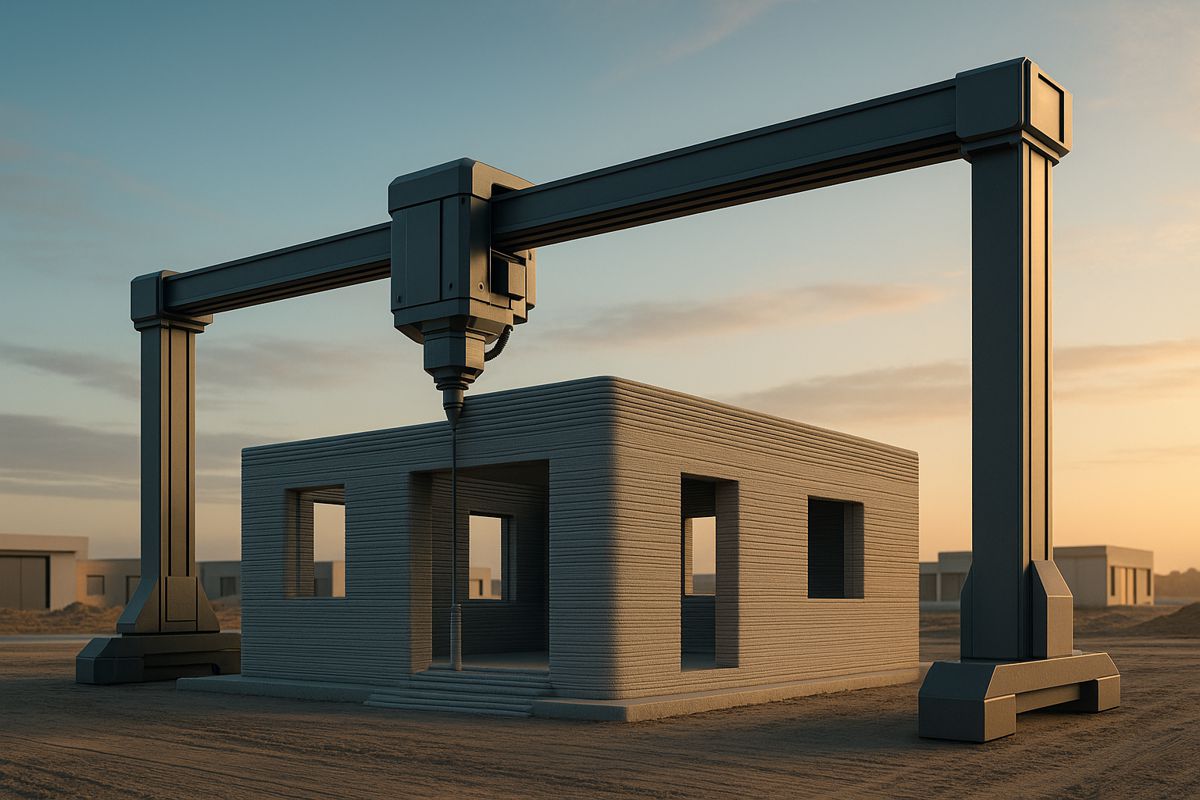
But here’s the truth—modern industrial developments don’t have to be wasteful. The evolution of industrial 3D printing alone is dismantling that notion. We’re moving from subtractive to additive manufacturing: a shift where we don’t carve away at materials—we build only what’s needed, precisely where it’s needed. No excess. No off-cuts. No massive warehouses filled with overstock.
This isn’t about a cooler gadget. It’s a different value system entirely.
With technologies like the industrial 3d printer, parts can be designed digitally and printed on demand, using exactly the amount of material required. Designers aren’t just optimizing for function anymore—they’re optimizing for footprint. Lightweight aerospace parts, custom medical implants, efficient automotive tools—each print is a cleaner statement against the “bigger, louder, faster” mentality of yesterday.
But here’s the tension: change at this scale doesn’t come without resistance. Many industries are still structured around volume and velocity, not sustainability. Adopting additive manufacturing means rethinking supply chains, redesigning products from scratch, and—most importantly—being okay with breaking away from the “this is how we’ve always done it” comfort zone.
The layer-by-layer approach doesn’t just change what we make. It demands that we change how we think about making.
From Coal and Steel to Code and Clean Energy
To really shift industrial developments toward a cleaner future, we need to do more than just reinvent how things are made—we need to reimagine what powers the making.
That’s where sustainable energy enters the conversation, not as an afterthought, but as a parallel revolution. Sustainable fuels—bio-based, synthetic, hydrogen-derived—are no longer just experimental. They’re increasingly viable replacements for the diesel engines, gas furnaces, and jet fuel tanks that still power our global systems.
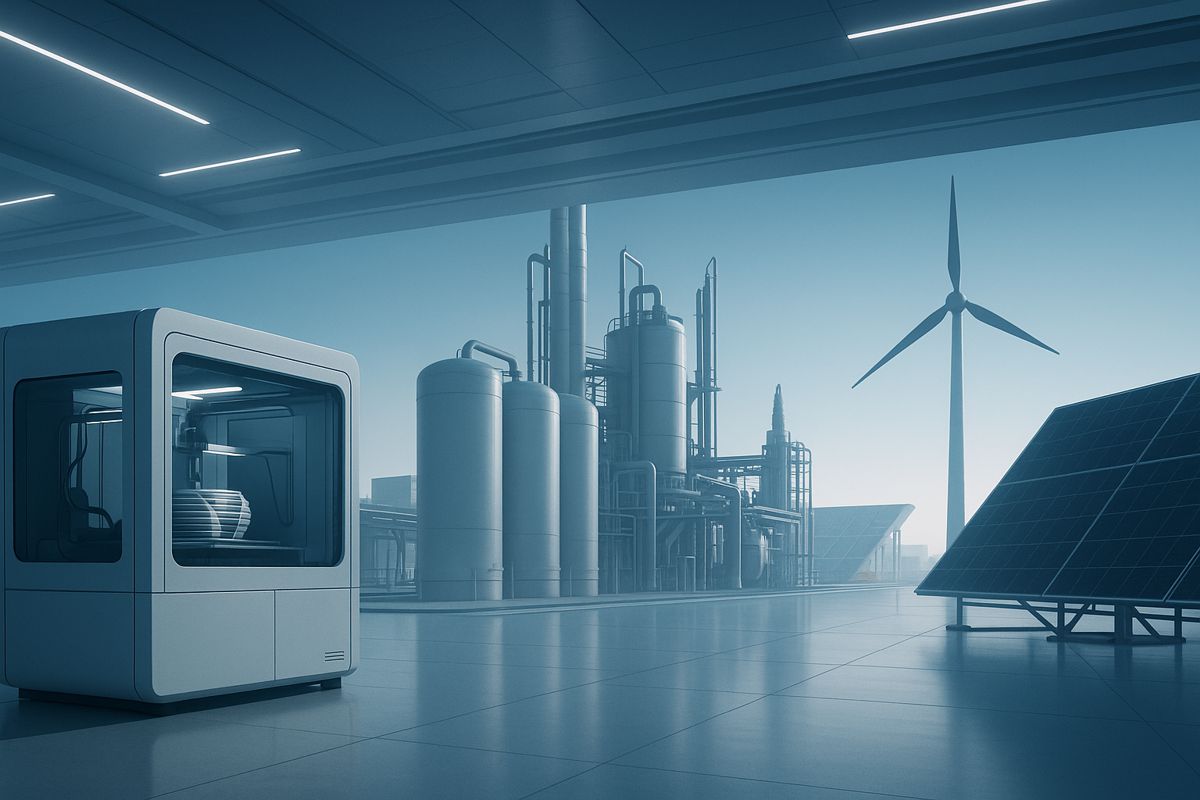
The new frontier is this: pairing smarter manufacturing with smarter energy. Imagine printing solar panel parts close to deployment sites using bio-derived polymers. Or powering advanced production hubs with hydrogen-based energy. It’s happening. Quietly, but powerfully.
Some industries are already weaving in renewable-powered microgrids to run their plants. Others are investing in waste-to-fuel technologies that turn byproducts into bioenergy. It’s not just energy—it’s ecosystem thinking. A holistic loop where nothing is truly wasted.
These breakthroughs aren’t just cleaner—they’re more resilient. And in a world where supply chains can be disrupted by pandemics, politics, or planetary fires, resilience is becoming the new gold standard.
This synergy—between advanced additive manufacturing and renewable energy sources—is the real game-changer.
The Innovation We Miss Because It Doesn’t Shout
There’s a quieter element in this transition, too—one that doesn’t headline tech expos or viral TikToks. It’s the shift in values. The slow, steady work of engineers choosing different materials. The researchers pushing boundaries not for profit, but purpose. The companies asking how to scale without selling their conscience.
This is where renewable energy solutions really shine—not as a gimmick, but as part of a cultural reset. One where cleaner energy isn’t a checkbox on a CSR report, but a foundational principle in industrial planning.
We’re seeing it in remote facilities that swap diesel for synthetic fuels made from captured CO₂. In logistics fleets testing algae-based blends. In supply chains building in carbon audits as standard practice, not post-disaster PR.
We’re not just changing our tools. We’re changing what we measure as success.
Don’t Wait for the World to Catch Up—Start Layering Your Future Now
If there’s one lesson to take from the new face of industrial innovation, it’s this: we don’t need to wait for a mass awakening to start building a cleaner world. We can start where we are—with one decision, one layer, one switch at a time.
Industrial developments are no longer bound to heavy machinery and heavy footprints. They’re evolving. Getting smarter. Lighter. Cleaner. And they’re inviting us to join the shift.
So what if the blueprint for the future isn’t a bold master plan—but a quiet, intentional layering of better choices?
The future is additive. The energy is renewable. And the time to print that future? It’s now.