Mumbai’s Ambitious Metro Line 14 Poised for Launch
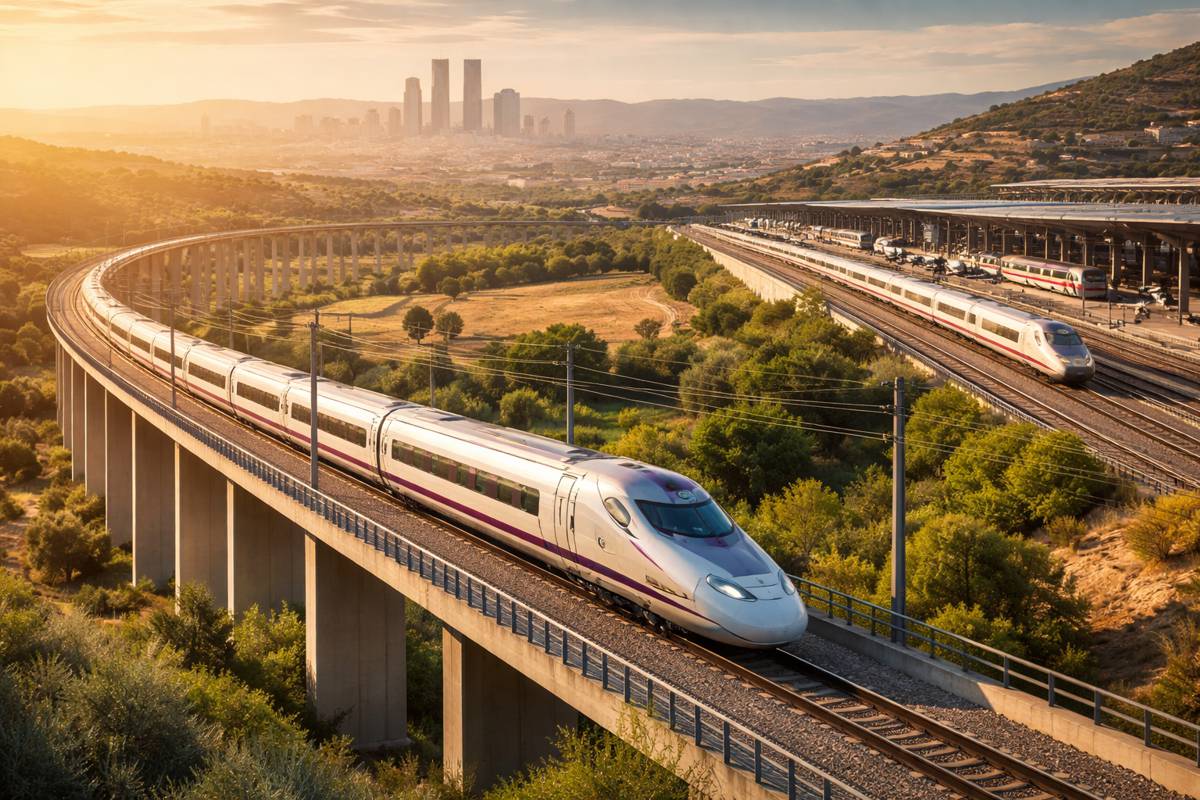
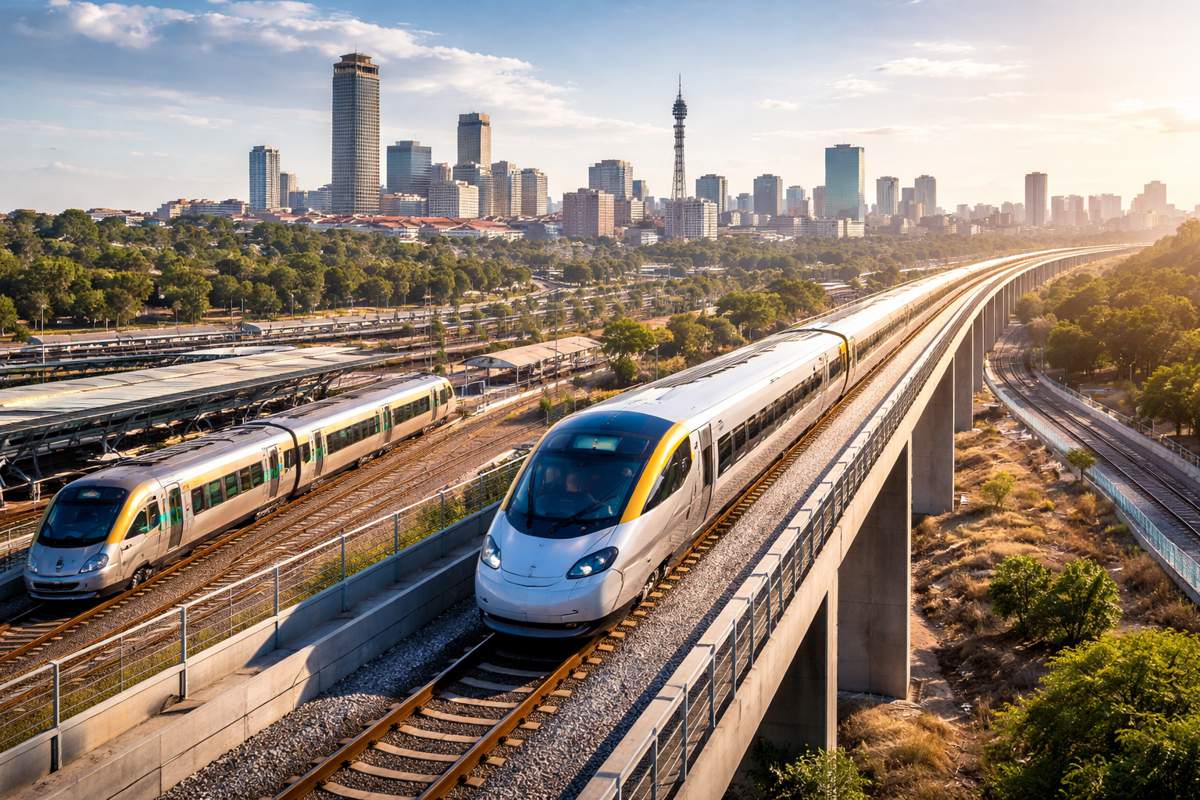
Mumbai, a city constantly on the move, is set to gain yet another powerful artery in its expanding metro network. The Mumbai Metropolitan Region Development Authority (MMRDA) is gearing up to break ground on the eagerly anticipated Metro Line 14, connecting the bustling suburb of Kanjurmarg with the fast-developing node of Badlapur. Spanning an impressive 39 kilometres, this dual-mode corridor promises to revolutionise daily commutes for hundreds of thousands across the city’s eastern stretch.
The proposed line is not just a standalone initiative. It’s part and parcel of Mumbai’s bold 337-kilometre integrated metro masterplan, which aims to decongest roads, curb pollution, and offer rapid, reliable transit solutions to the city’s ever-growing population.
Once operational, Metro Line 14 is expected to carry around 700,000 passengers every single day—relieving pressure on the Central Railway and transforming the way the city’s eastern corridor functions.
A Hybrid of Innovation and Necessity
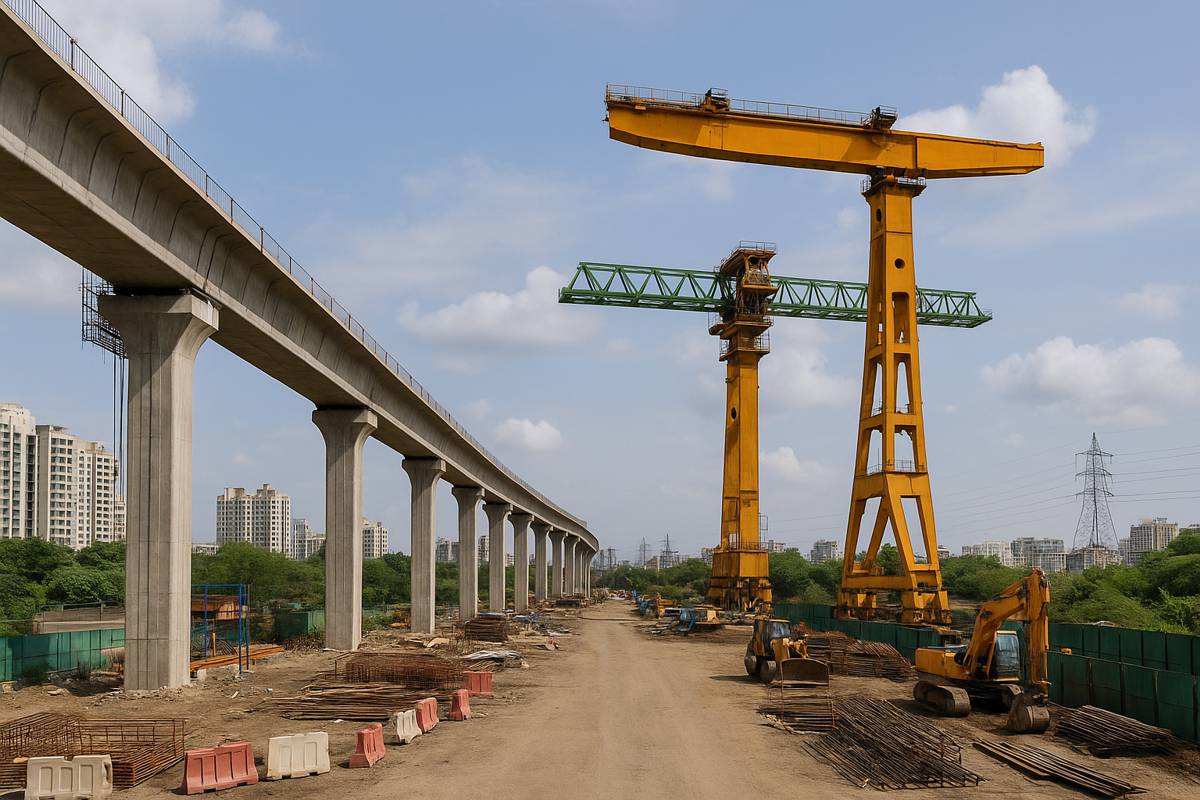
Uniquely designed with a hybrid format, Metro Line 14 will combine underground and elevated track systems to best suit the region’s challenging topography and urban density. The underground stretch will run from Kanjurmarg to Ghansoli, stealthily weaving through dense residential and commercial zones while minimising land acquisition hurdles.
From Ghansoli onwards, the line ascends into an elevated track all the way to Badlapur—an emerging urban hotspot. This dual approach is not just an engineering decision; it’s a strategic one. By mimicking systems seen in cities like Milan, where metro lines blend sub-surface and elevated infrastructure seamlessly, MMRDA is leveraging international best practices to suit local realities.
A draft Detailed Project Report (DPR) has already been submitted by Milan Metro, whose experience in complex transit networks is feeding directly into the line’s conceptualisation. This report lays the groundwork for station placements, integration with other lines, and estimated traffic loads.
Slashing Travel Times, Boosting Lives
Ask any Mumbaikar about the worst part of their day, and odds are they’ll mention traffic. With Metro Line 14, that’s about to change—dramatically. The corridor is projected to shave off nearly two hours from travel times between Kanjurmarg and Badlapur.
For daily commuters, that’s a game-changer. Instead of spending hours stuck on congested roads or squeezing into overcrowded trains, they’ll now have a swift, comfortable alternative. And for industries and businesses located in these outer suburbs, improved transit could usher in an era of increased productivity and talent mobility.
Protecting Mumbai’s Natural Heritage
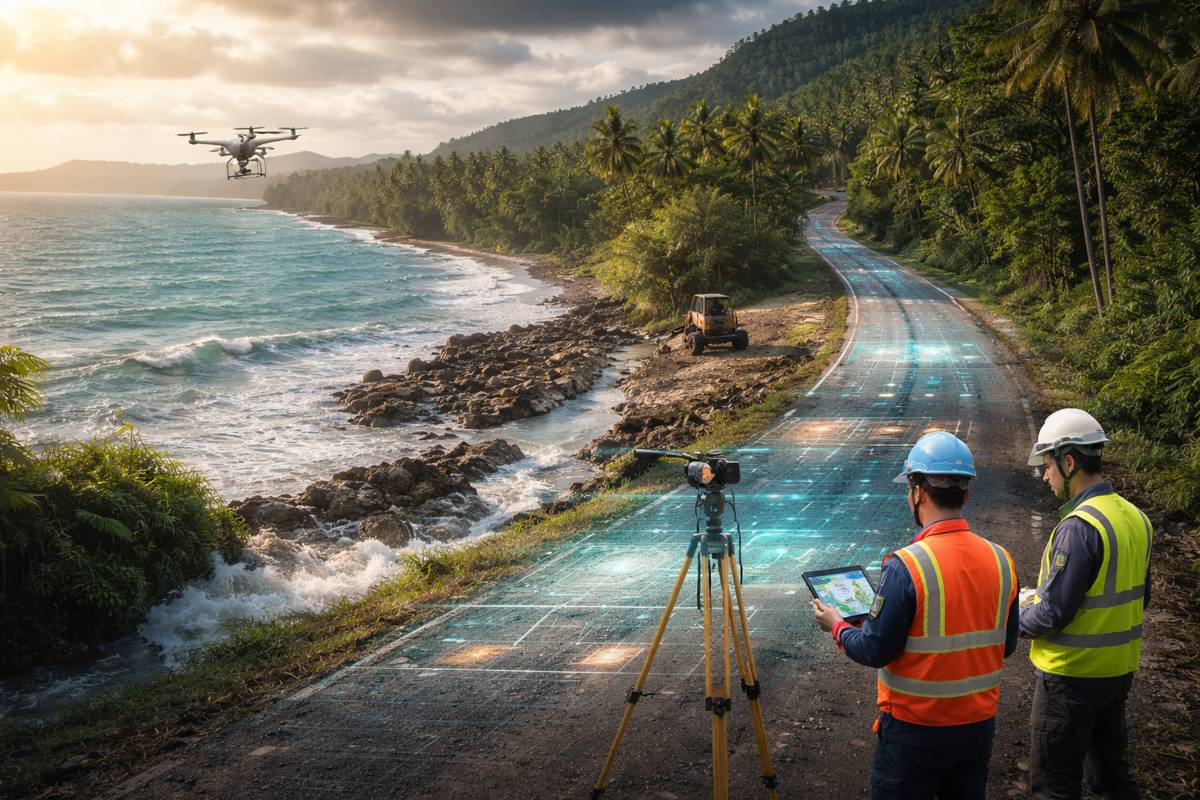
Of course, with major infrastructure comes major responsibility—especially when the alignment cuts close to some of Mumbai’s most sensitive ecosystems. The route is set to pass near the Parsik Hills and skirts the edge of the Thane Creek Flamingo Sanctuary, a haven for migratory birds and local biodiversity.
Before a single brick is laid, the MMRDA will need to secure environmental and forest clearances. The Environmental Impact Assessment (EIA) process will likely involve stringent scrutiny, with stakeholders ranging from conservationists to local residents weighing in. Balancing ecological concerns with development needs will be a tightrope walk—but a necessary one if Mumbai aims to maintain its green lung.
To mitigate potential ecological impact, the authority is expected to adopt several strategies:
- Use of noise-reduction technologies for tunnel boring in the underground segment
- Elevated sections designed to bypass critical habitats
- Construction work timed to avoid sensitive migratory periods
Financial Backing and Institutional Collaboration
While the technical aspects are impressive, Metro Line 14’s financial framework deserves equal attention. Large-scale infrastructure of this nature doesn’t come cheap. According to early estimates, the corridor could cost upwards of INR 25,000 crore (approx. USD 3 billion).
Project finance will likely be secured through a combination of state allocations, central government assistance, and loans from multilateral agencies such as the Asian Infrastructure Investment Bank (AIIB) or Japan International Cooperation Agency (JICA). MMRDA has previously collaborated with these institutions for metro corridors, and similar frameworks are expected to be replicated here.
In addition to direct construction costs, budgets must account for:
- Land acquisition and rehabilitation
- Tunnel boring and elevated infrastructure
- Rolling stock procurement
- Smart ticketing and operational systems
Regional Integration
Metro Line 14 is not an isolated project; it’s a spoke in the wheel of a much larger transport evolution. Strategically, it complements other upcoming lines like Metro 5 (Thane-Bhiwandi-Kalyan) and Metro 12 (Kalyan-Dombivli-Taloja), enabling seamless interchange and cross-connectivity across MMR.
This corridor’s terminus at Kanjurmarg—already a key node due to its link with the Metro Line 6 and proximity to Line 3—makes it a smart gateway. At the other end, Badlapur, traditionally seen as a distant suburb, will now plug directly into the city’s lifeline, making it more attractive for both residents and investors.
What Lies Ahead
With the DPR in place and preliminary approvals underway, actual groundwork could begin within the year. However, like all major projects in India, timelines may shift depending on clearances, land acquisition complexities, and public consultations.
Still, optimism runs high. The MMRDA’s track record—particularly with projects like Metro Line 2A and Line 7—suggests it can deliver on schedule, provided political will and funding remain aligned.
Ultimately, Metro Line 14 isn’t just about steel, concrete, and schedules. It’s about reshaping Mumbai’s identity—about giving its eastern suburbs the same high-speed access and dignity of transit that central districts enjoy.
A Step Forward for Mumbai’s Commuters
As Mumbai’s skyline continues to rise, so too must its ambitions for mobility. Metro Line 14 encapsulates that vision—a city that moves faster, breathes easier, and connects more meaningfully.
If all goes to plan, the eastern corridor will soon witness a transport renaissance, and in doing so, breathe fresh life into its communities, businesses, and ecosystems alike.