Cooling Without the Cost Creates a New Frontier for Data Centres
In the relentless race to scale up computing power and meet the demands of artificial intelligence, cloud platforms, and hyperscale data processing, one issue continues to loom large: heat. And not just a bit of warmth—serious, energy-draining, performance-choking heat. Now, a team of engineers at the University of California San Diego may have cracked the code to keeping data centres cool without breaking the bank or the environment.
They’ve unveiled an elegantly simple yet powerful innovation: a specially engineered fibre membrane that passively removes heat via evaporation. No fans. No heat sinks. No liquid pumps guzzling electricity. Just smart design doing the heavy lifting.
“Compared to traditional air or liquid cooling, evaporation can dissipate higher heat flux while using less energy” said Renkun Chen, professor in the Department of Mechanical and Aerospace Engineering at UC San Diego, who led the project alongside colleagues Shengqiang Cai and Abhishek Saha.
Cooling Is Killing the Grid
Let’s face it: data centres are power-hungry beasts. According to the latest estimates, cooling alone eats up nearly 40% of a facility’s energy consumption. That’s not just inefficient—it’s unsustainable. With the global digital economy expanding at warp speed, the International Energy Agency warns that cooling demands could more than double by 2030 if left unchecked.
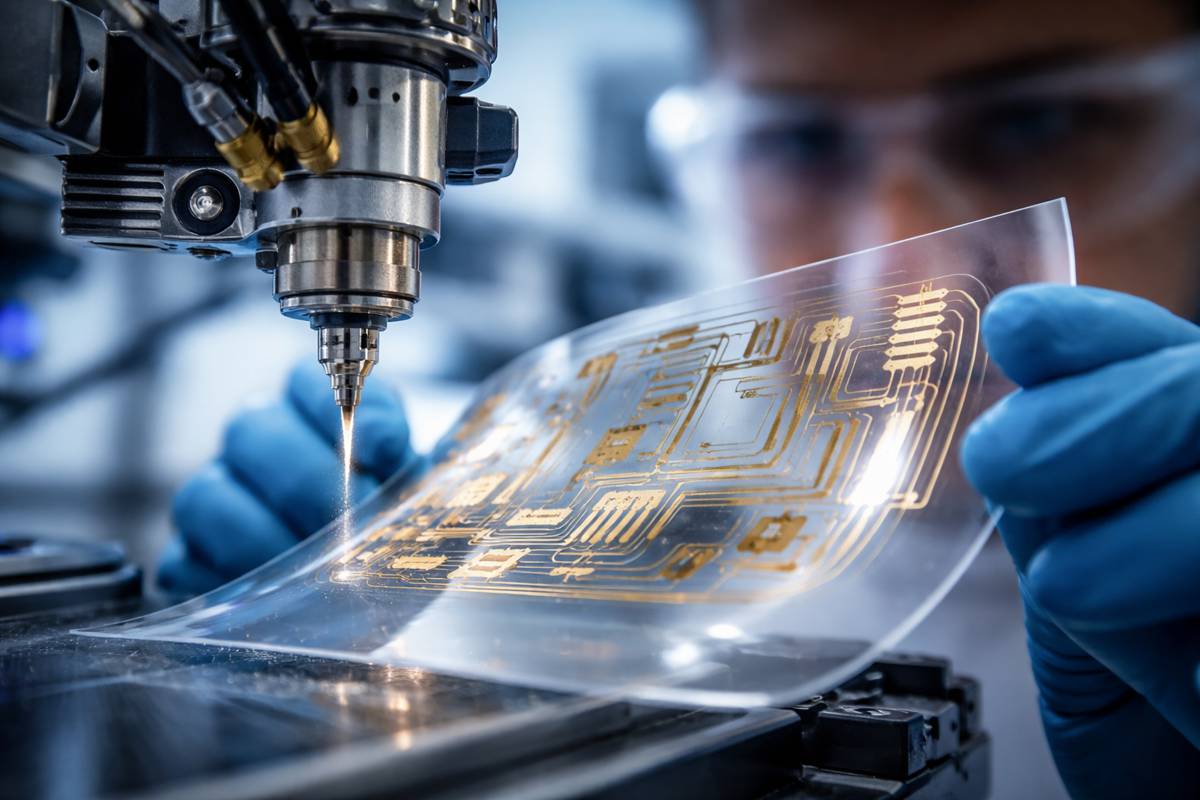
Enter the humble yet high-performing fibre membrane. Developed with cost-effectiveness in mind, this unassuming layer of tech is designed with a web of interconnected pores. These tiny capillaries draw liquid across the surface, encouraging evaporation to do what it does best: carry heat away. No added energy input required.
Simple Tech, Big Potential
So how does it actually work? The membrane is placed on top of microchannels that sit above high-powered electronics like CPUs or GPUs. Cooling liquid flows through these channels and is wicked upward by the membrane’s pore structure. As the liquid evaporates, it whisks heat away from the electronics below.
It’s not just theory either. The membrane was put through its paces across a range of heat fluxes and didn’t just pass the test—it made history. It managed to dissipate heat fluxes over 800 watts per square centimetre. That’s right up there with the best-performing evaporative systems ever documented.
Mechanical and aerospace engineering PhD student Tianshi Feng and postdoctoral researcher Yu Pei, both from Chen’s research group, were co-first authors on the study. Their hands-on work helped fine-tune the delicate balance of pore size and structural integrity to avoid the usual pitfalls: clogging, boiling, and thermal instability.
“These fibre membranes were originally designed for filtration, and no one had previously explored their use in evaporation” explained Chen. “We recognised that their unique structural characteristics—interconnected pores and just the right pore size—could make them ideal for efficient evaporative cooling. What surprised us was that, with the right mechanical reinforcement, they not only withstood the high heat flux–they performed extremely well under it.”
A Turn Away From Water-Guzzling Cooling
Beyond the impressive technical metrics, this innovation could significantly reduce water usage—a major bonus considering that many current evaporative systems rely on large volumes of water. As climate change stretches global water resources, reducing dependence on water-heavy cooling technologies becomes more than a nice-to-have; it’s a must.
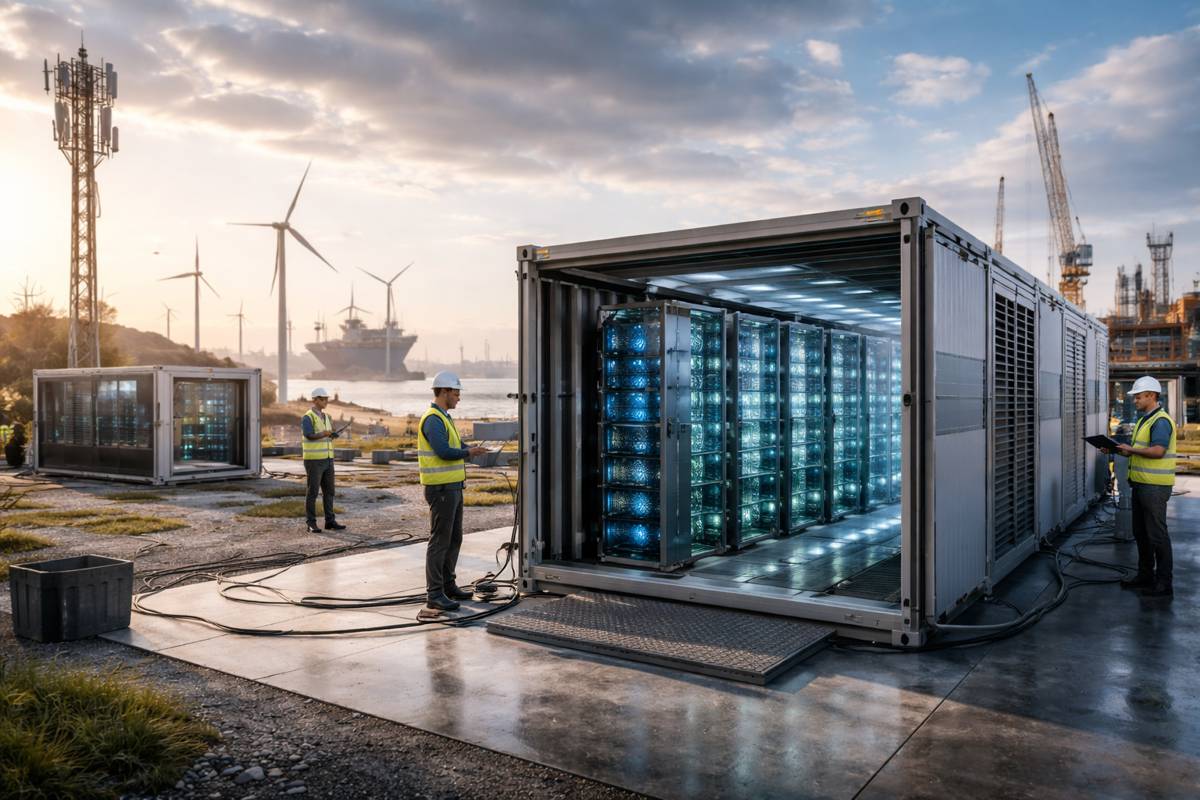
Additionally, there’s a real opportunity here for edge computing and decentralised networks. Systems operating outside of traditional air-conditioned server halls—think mobile base stations, industrial robotics, and remote data outposts—could benefit massively from a low-power, low-maintenance cooling method.
Commercialisation and Cold Plate Integration
While the current system is impressive, the team at UC San Diego isn’t resting on its laurels. The technology is still performing well below its theoretical limit, which leaves plenty of room for improvement.
Their next move? Integrating this membrane into prototype cold plates—flat devices that attach directly to chips for heat dissipation. If successful, these plates could offer plug-and-play cooling for some of the most thermally demanding hardware out there.
A commercial spin-off is already in the works. The researchers are forming a startup aimed at turning this tech into a commercially viable product line. Their sights are set on data centres, edge devices, and next-generation AI workloads—all desperate for smarter, leaner cooling options.
A Boost From the NSF and Nanotech Infrastructure
This work didn’t come out of a vacuum. It was backed by the National Science Foundation through grants CMMI-1762560 and DMR-2005181, and carried out at the San Diego Nanotechnology Infrastructure (SDNI), part of the National Nanotechnology Coordinated Infrastructure network.
A patent application (PCT/US24/46923) has already been filed by the Regents of the University of California to secure rights to the tech, a clear signal that they expect it to go far. The authors have declared no other competing interests.
Innovation That’s More Than Hot Air
It’s not every day that a filtration membrane finds itself moonlighting as a cutting-edge cooling system, but that’s precisely the kind of lateral thinking that the tech industry desperately needs. In a world where energy consumption and climate risks are converging, solutions like these offer a breath of fresh air—literally.
The push for efficiency no longer stops at computational throughput. It stretches all the way to the infrastructure underpinning it. And if this new membrane system delivers at scale, it could tip the balance, making high-performance computing cleaner, cooler, and considerably more sustainable.