Eaton Breathes Life into Decommissioned Coal Plant to Boost Grid Stability
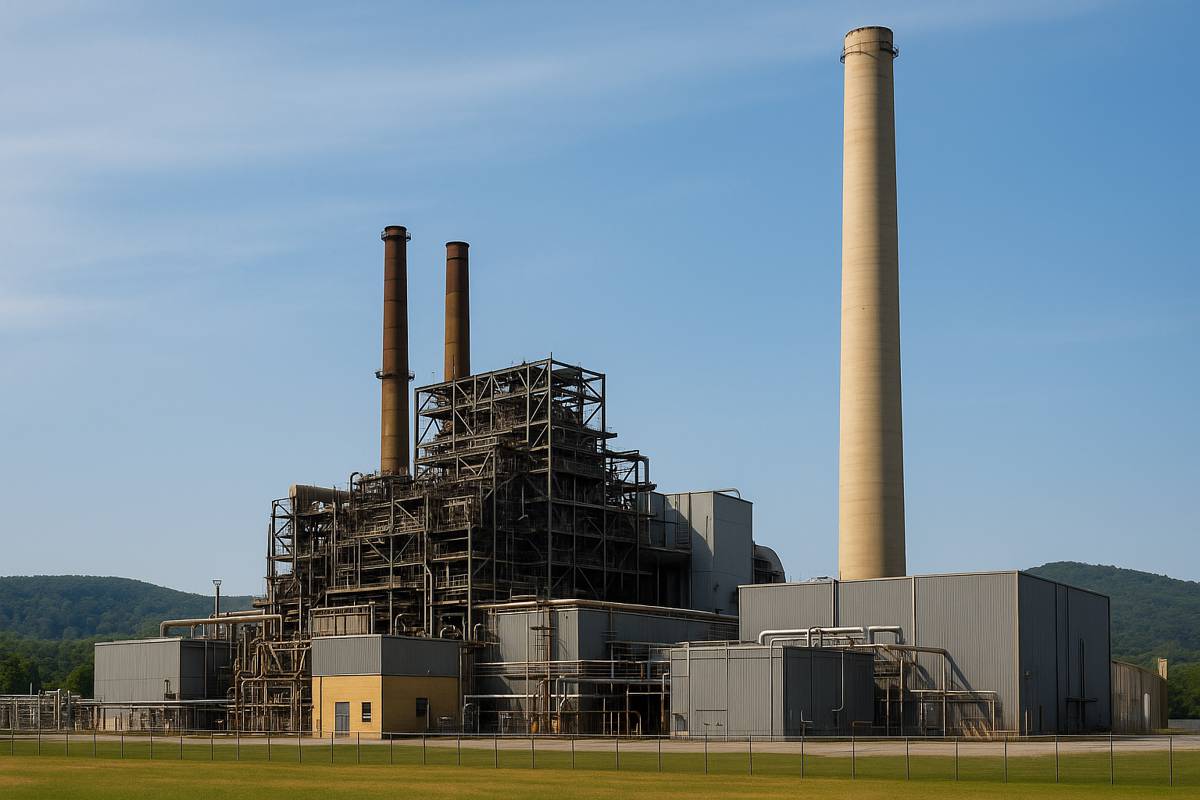
In a compelling turn of events for America’s energy future, Eaton has teamed up with the Tennessee Valley Authority (TVA) to transform a decommissioned coal-fired facility into a key player in the clean energy transition. The Bull Run Fossil Plant in Clinton, Tennessee, once a bastion of coal power, is now set to become a vital stabiliser in the regional electricity grid, thanks to a forward-thinking synchronous condenser conversion project.
As utilities grapple with a growing reliance on renewables and increasingly fickle demand patterns, grid stability is being pushed to its limits. Conventional power stations, especially coal-fired ones, historically played a crucial role in maintaining grid inertia. But with these plants closing their doors, alternatives are urgently needed. That’s where synchronous condensers come into play.
The Role of Synchronous Condensers in a Greener Grid
Synchronous condensers, while not a new technology, are enjoying something of a renaissance in today’s power landscape. In simple terms, they act like the beating heart of the grid—spinning masses that maintain voltage and frequency stability in the face of sudden load changes. Unlike batteries or inverters, they provide inertia, reactive power support and short-circuit strength, all vital for a resilient energy system.
At the Bull Run site, Eaton is converting a retired machine composed of two generators into a pair of 605 mega-volt amperes reactive (MVAR) synchronous condensers. It’s a mouthful, sure, but the result is straightforward: more robust grid support that doesn’t involve burning a single lump of coal.
“Synchronous condenser conversions are complex technical projects that require a high degree of specialized knowledge and project management capabilities” said Igor Stamenkovic, senior vice president and general manager for Eaton’s Electrical Engineering Services and Systems Division. “Through our approach and proven success helping other utilities across North America to support reliable and affordable power, we are confident this transformation will help enhance reliability and grid stability in the region.”
Grid Resilience in an Era of Transition
Let’s not beat around the bush: transitioning to a renewable energy future isn’t just about installing solar panels and wind turbines. It’s about reshaping how electricity is delivered, balanced and consumed. The power grid was built for steady, centralised supply. Renewables are anything but that—they come and go with the weather.
This mismatch leads to problems. Fluctuations in power supply and demand can cause voltage swings and even outages. Synchronous condensers provide a bridge between the old world and the new, offering legacy grid stability with modern sustainability.
Bull Run isn’t the only site to explore this conversion model, but it may well become a blueprint. Eaton brings to the table decades of engineering and project management experience, having worked with utilities across North America to enhance both legacy and new-build infrastructures.
Engineering Smarts Meets Mechanical Muscle
What makes this project particularly interesting is the turnkey nature of Eaton’s involvement. The company isn’t just supplying kit and walking away. It’s offering a soup-to-nuts solution that covers:
- Engineering and project management
- Mechanical and electrical equipment integration
- Installation and commissioning
This includes supplying medium-voltage variable-frequency drives, motor control centres, panelboards, relay panels, and a host of network automation gear—all essential for ensuring the synchronous condensers operate seamlessly within the broader grid.
This isn’t just tinkering at the edges. It’s a full-blown revitalisation project. Eaton’s solutions enable operators to control these machines in real-time, aligning their performance with fluctuating grid demands. That kind of adaptability is gold dust in today’s energy environment.
A Clean Energy Agenda with Backbone
The Tennessee Valley Authority has long been a linchpin in the American energy story. With a mandate that spans across seven states, TVA is now squarely focused on a cleaner, more resilient future. Retrofitting decommissioned coal assets is a smart play—not only does it minimise capital expenditure, it also repurposes existing infrastructure with minimal environmental footprint.
TVA’s goal is to achieve net-zero emissions by 2050, and efforts like the Bull Run retrofit show how strategic engineering can help meet that ambition. It’s not just about optics; it’s about engineering-led outcomes that ensure reliability while dramatically cutting carbon.
A Global Pivot to Hybrid Energy Infrastructures
The Bull Run transformation is part of a wider movement sweeping through global power markets. As grids become smarter and more decentralised, old-school generators are being retrofitted, repurposed or replaced.
According to the International Energy Agency (IEA), grid investments will need to more than double by 2030 to enable the global energy transition. Synchronous condensers are now seen as critical tools in that playbook, particularly for countries with aging centralised power infrastructure. Utilities in the UK, Australia, and Germany have already embraced similar conversions.
Moreover, the modularity and relative speed of deploying synchronous condensers make them a quick win in stabilising renewables-heavy grids, especially compared to building new gas peaker plants or transmission lines.
Sustainability Meets Grid Security
As the world marches toward decarbonisation, maintaining a secure and stable power grid becomes paramount. The Bull Run project signals an important shift—one that blends sustainability with reliability.
It also underscores the importance of collaboration between public utilities and private-sector innovators. Eaton and TVA have created a model that’s scalable, sustainable and technically sound.
“We are guided by our commitment to do business right, to operate sustainably and to help our customers manage power – today and well into the future” reads a statement from Eaton. “By capitalising on the global growth trends of electrification and digitalisation, we’re helping to solve the world’s most urgent power management challenges and building a more sustainable society for people today and generations to come.”
Powering Forward
The Bull Run transformation stands as a timely reminder that the end of one chapter doesn’t mean the end of the story. With the right mix of innovation, investment, and infrastructure, yesterday’s power plants can become tomorrow’s energy guardians.
In short, this isn’t just an upgrade. It’s a paradigm shift—one that turns rusting relics of the fossil fuel era into vital tools for a greener, more resilient grid.