Yokogawa and Toyota Team Up for Lunar Rover Innovation
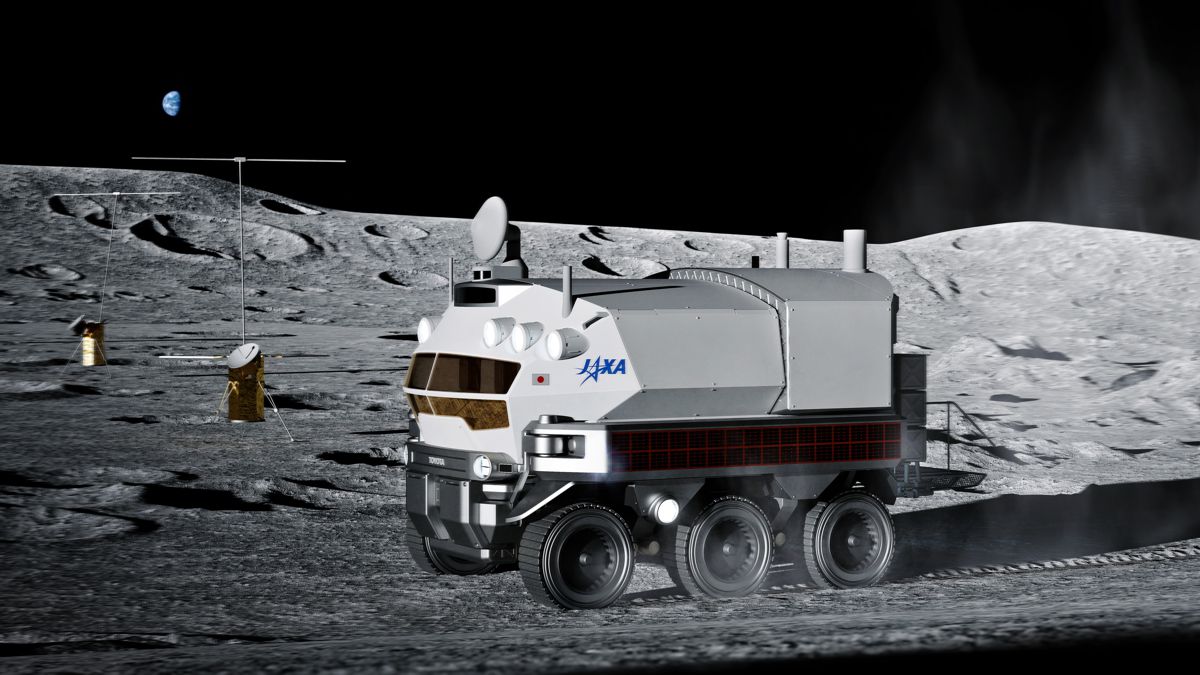
Exploring the Moon is no longer the exclusive domain of government space agencies. With the global space industry evolving at staggering speed, commercial players and technology leaders are stepping into the cosmic spotlight. Among them, Yokogawa Electric and Toyota Motor Corporation are joining forces to develop control and measurement technologies for Japan’s first manned pressurised lunar rover, affectionately dubbed the Lunar Cruiser.
This collaboration, built around advanced R&D agreements, represents a bold stride towards human habitation and large‑scale exploration on the lunar surface. It also signals a new era for industrial technology firms diversifying into space and shaping the future of extra‑terrestrial engineering.
A Historic Leap for Japan’s Space Ambitions
Japan has made no secret of its ambitions to become a key player in lunar exploration. As global space agencies, private companies, and space start-ups enter a new Space Race, the Lunar Cruiser programme positions Japan as an explorer with serious intent.
Developed by Toyota and the Japan Aerospace Exploration Agency (JAXA), the manned pressurised rover will be Japan’s first standalone manned space system. Designed to support human survival and scientific missions on the Moon, it will dramatically expand the scope of surface exploration. The rover will also operate autonomously when astronauts are not on board, enabling constant scouting, research, and mobility across the barren yet opportunity‑rich lunar terrain.
Yokogawa’s Strategic Role
With more than a century of engineering pedigree, Yokogawa brings deep expertise in measurement, industrial controls, and digital automation. The company has provided mission‑critical systems to industries operating in some of the harshest environments on Earth, including deep‑sea research and polar expeditions.
Toyota’s invitation for Yokogawa to co‑develop rover systems underscores that legacy. The agreements cover prototype design and procurement to support control platform development and battery measurement systems. Essentially, Yokogawa is building the digital nervous system that will help keep astronauts safe and operations running under lunar extremes.
Hidehito Shiratsu, head of Yokogawa’s Space Business Development Office, expressed the company’s eagerness to push technological boundaries: “We are very excited to collaborate with Toyota Motor Corporation on the R&D of measurement and control equipment for the manned pressurized rover, which will play a crucial role in enabling continuous lunar exploration… The technologies and insights gained through the development of products for the most extreme environment, outer space, will also be utilized to enhance the reliability of our existing products and services for earth-based industries.”
Space as a Natural Extension of Automation Leadership
While lunar vehicles may sound worlds away from Yokogawa’s energy plants, pharmaceutical facilities, and material processing systems, this venture is a logical leap. Harsh environments, autonomy, and real‑time monitoring are common threads.
Additionally, Yokogawa’s investment supports its medium‑term business plan, Growth for Sustainability 2028, marking space as a key innovation pillar.
Engineering for Extreme Conditions
Operating a pressurised crew-cabin on the Moon is far more complex than driving across desert dunes. The rover must withstand:
- Extreme temperature swings from +120°C to −180°C
- Abrasive and electrostatically charged lunar dust
- High radiation levels
- Microgravity impacts on mechanics and batteries
- Communication lags with Earth
Autonomous control platforms and reliable power measurement systems are not optional luxuries but mission‑critical safeguards. This aligns perfectly with Yokogawa’s signature capabilities in:
- Precision measurement
- Autonomous control systems
- Digital twin development
- High‑reliability industrial IoT
Timeline and Vision Beyond the Moon
The rover project aims for a launch window around 2031. While it may seem distant, the scale of engineering and safety validation required demands a marathon‑like approach.
Looking further ahead, Yokogawa is already signalling its intention to commercialise space‑grade technologies for Earth‑based industries. That cross‑pollination could unlock advances in:
- Robotics and remote industrial maintenance
- Hazardous‑environment construction
- Resource monitoring in mining and energy
- Precision manufacturing and chemical processing
The Commercial Space Boom: Context Matters
This partnership lands as commercial lunar activity balloons globally. NASA’s Artemis programme has sparked renewed urgency, while private firms like SpaceX, Blue Origin, Astrobotic, and ispace are racing to deliver payloads and crew missions.
Japan’s expanding role in lunar exploration is strategic. It already supports the Artemis Gateway project and recently achieved a successful lunar landing with SLIM, the Smart Lander for Investigating Moon.
Against this backdrop, Toyota and Yokogawa are positioning Japan not only as a participant, but as a system technology leader.
Yokogawa in Numbers
Founded in 1915 in Tokyo, Yokogawa now operates across 62 countries with more than 17,000 employees. Its automation and industrial software solutions support some of the world’s most critical sectors, including:
- Energy and power networks
- Advanced chemicals and materials
- Pharmaceutical manufacturing
- Food and consumer goods
The company’s emphasis on sustainability and digital transformation aligns closely with the needs of future lunar infrastructure and Earth‑bound green energy systems.
A Lunar Future
Japan’s Lunar Cruiser project brings together automotive innovation, robotics, automation, and deep‑space engineering. For Yokogawa, it is both a technological proving ground and a launchpad for future industry applications.
As the global space economy accelerates toward a projected value of more than US$1 trillion by the 2040s, partnerships like this one signal a transformative era. The companies paving the lunar highway today may well define the industrial landscape of tomorrow.
The Moon is calling, and Yokogawa and Toyota are already in the driver’s seat.
Ready for the Next Frontier
Humanity’s return to the Moon is not merely about adventure. It is about technology, sovereignty, sustainability, and the pursuit of knowledge. With the Lunar Cruiser, Japan is laying its cornerstone on the Moon, and Yokogawa’s systems will help ensure the mission’s success.
The next decade promises breakthroughs in engineering that will ripple across industries far beyond space. And when the first crews embark aboard the Lunar Cruiser, they will be carrying more than scientific instruments. They will carry the vision of two iconic Japanese companies shaping the next chapter of human exploration.