Road Resurfacing: Why Timing Matters More Than Most People Think
For most drivers, a road surface only becomes noticeable when something goes wrong. A pothole appears overnight, a section of asphalt becomes rough or uneven, or standing water starts to collect after rain. By the time these problems become obvious to the public, however, the deterioration of the road has usually been developing for months – sometimes years.
This is why road resurfacing is not simply a routine maintenance task. When carried out at the right time, it can prevent serious structural damage, reduce repair costs and, most importantly, improve road safety. When delayed, the consequences can escalate quickly.
What Road Resurfacing Actually Involves
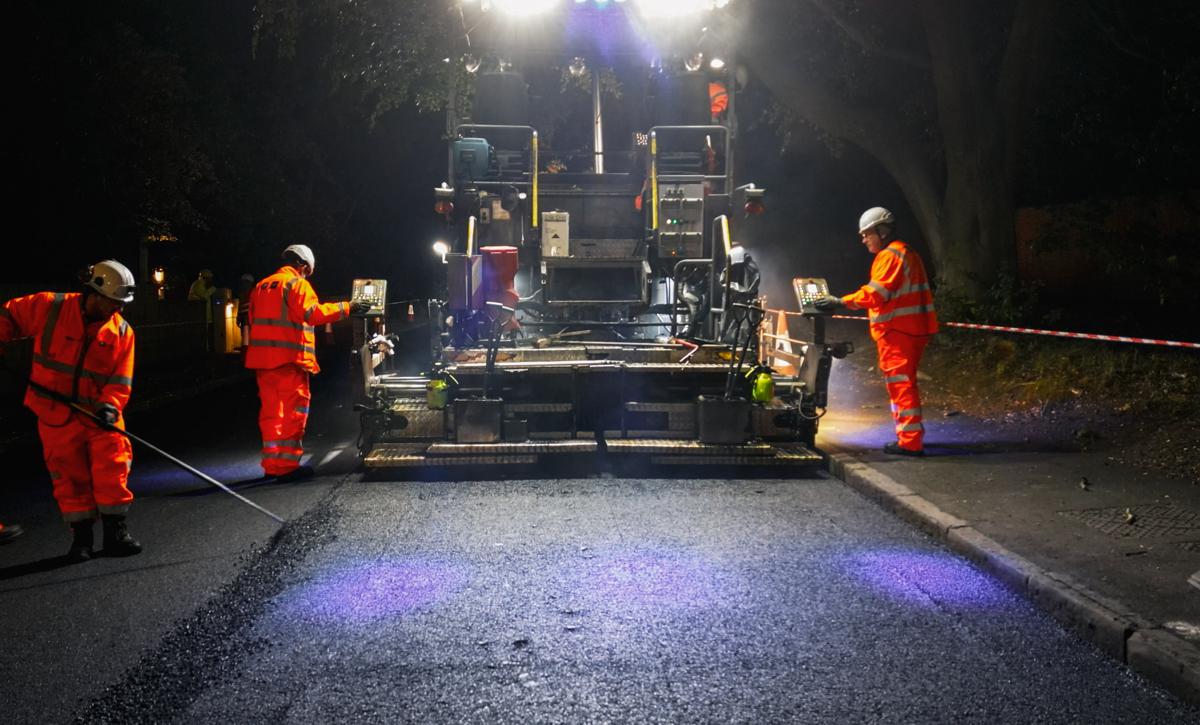
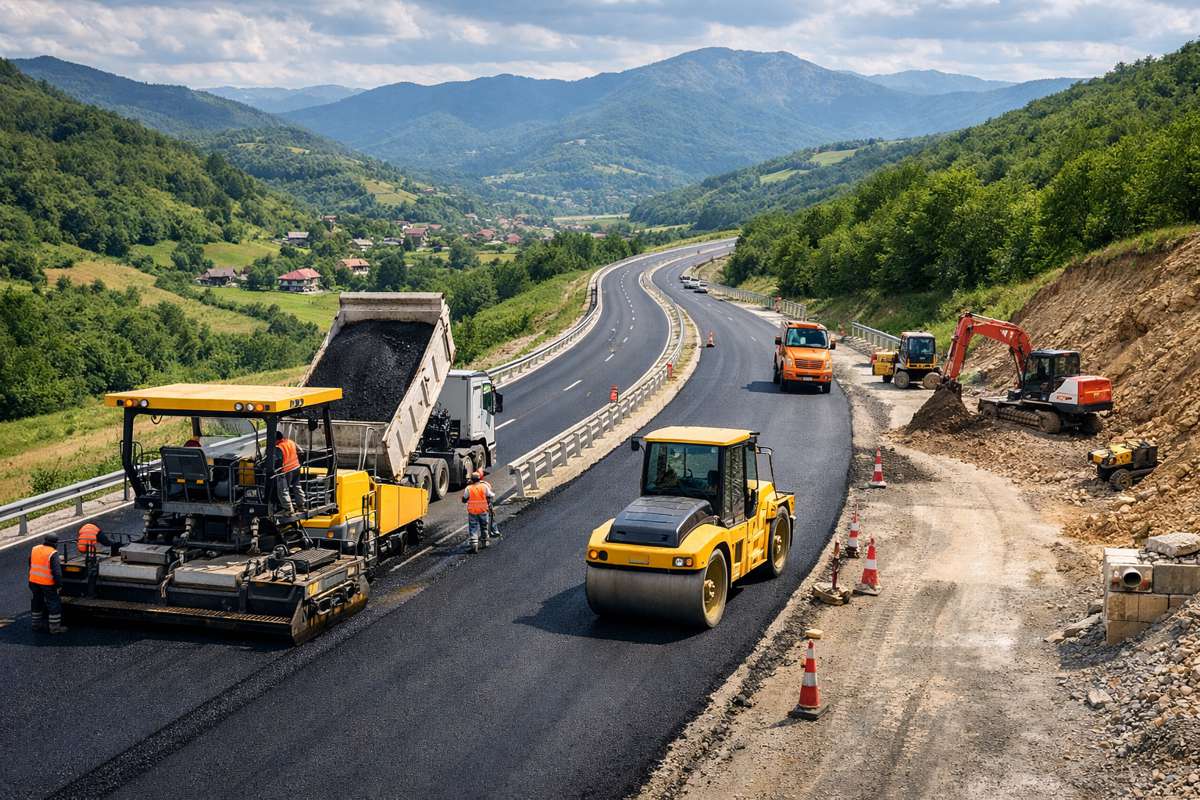
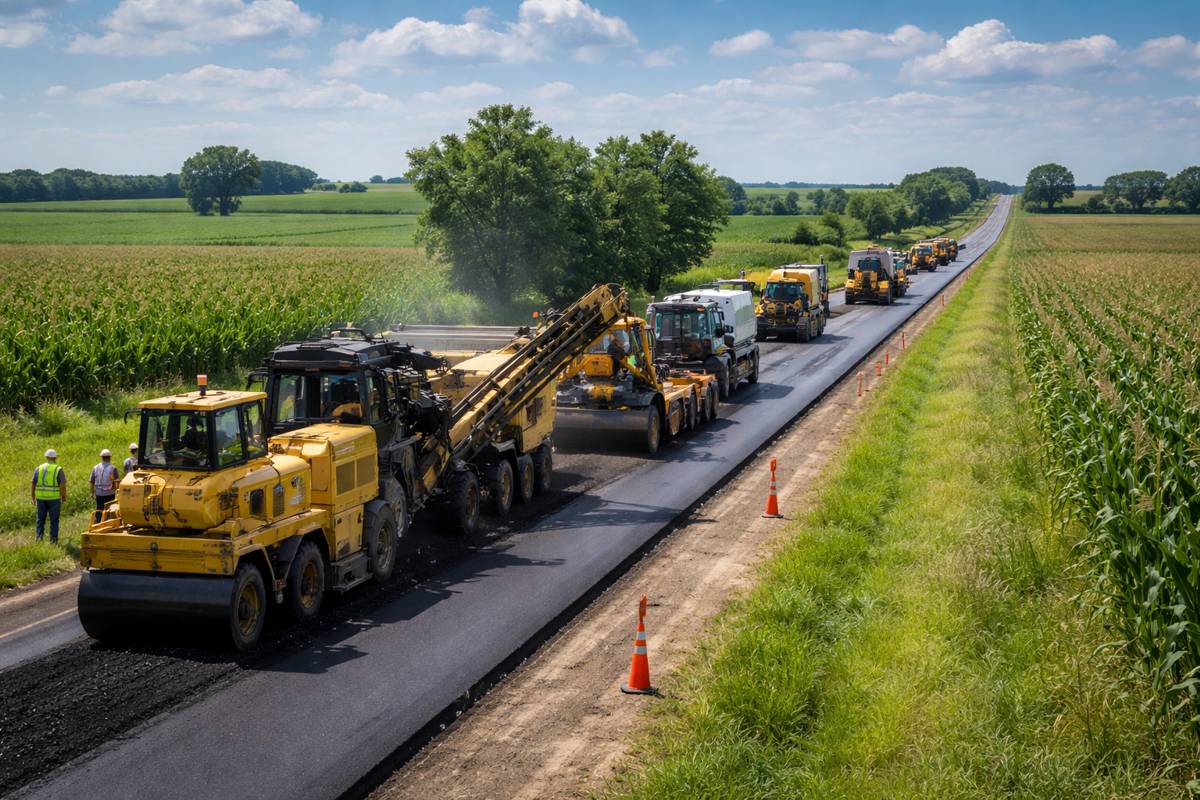
Road resurfacing is the process of renewing the top layer of a road once the existing surface begins to deteriorate. Rather than rebuilding the entire structure, engineers replace or restore the upper asphalt layer that carries the direct impact of traffic and weather.
In practice, resurfacing may take several forms depending on the condition of the road:
- Overlay resurfacing, where a fresh layer of asphalt is laid over the existing surface.
- Milling and resurfacing, which involves removing the worn layer before installing a new one.
- Surface dressing, a preventative treatment used to seal minor cracks and restore skid resistance.
Each method serves a different purpose. The key is choosing the right intervention at the right moment — something that requires careful inspection and planning.
Why Timing Is Critical
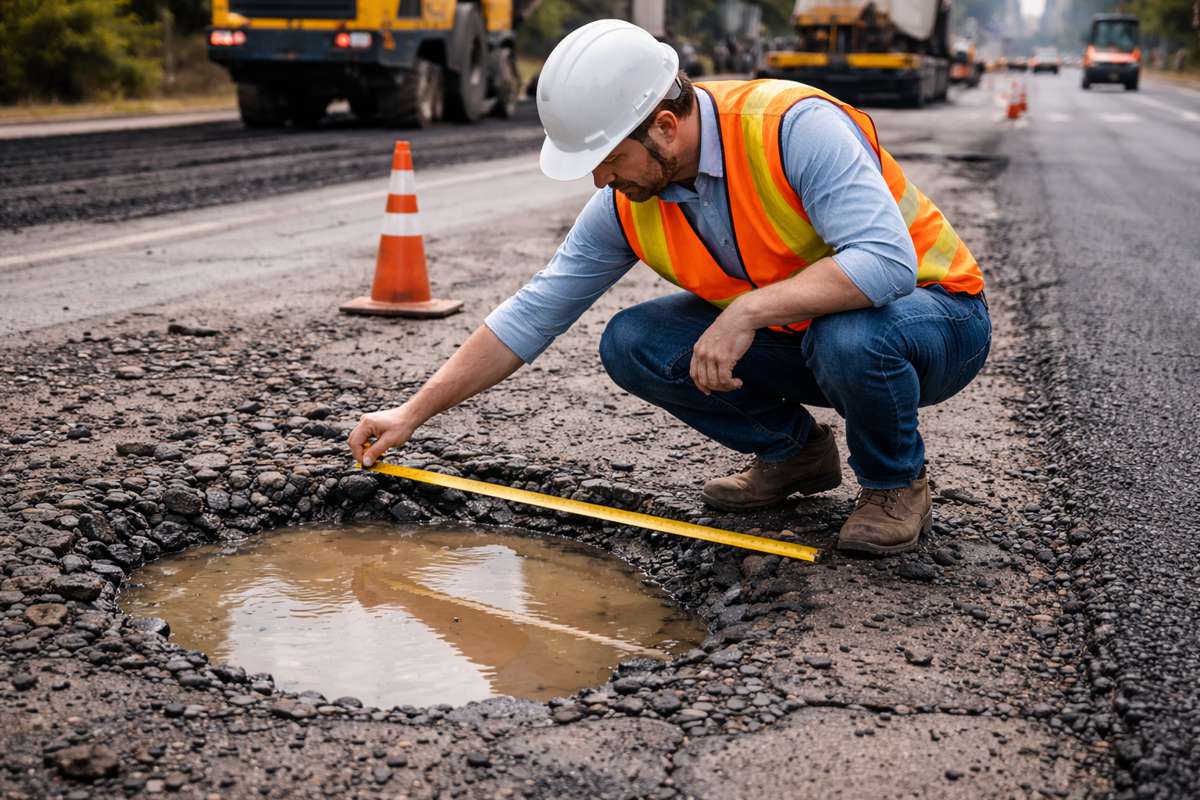
Road surfaces rarely fail suddenly. Deterioration tends to develop gradually through a combination of traffic pressure, weather exposure and ageing materials. Small cracks appear first. These allow moisture to penetrate beneath the surface, weakening the layers below.
If resurfacing is carried out during this early stage, the repair remains relatively straightforward. However, once water reaches deeper structural layers, the problem becomes far more complicated.
Water: The Hidden Threat
One of the biggest enemies of road infrastructure is water. Even a narrow crack can allow rainwater to seep into the pavement structure. In colder conditions, freeze-thaw cycles expand this trapped moisture, forcing the cracks to widen.
Over time, the asphalt loses strength and the surface begins to break apart. This is when potholes start forming — a familiar and frustrating problem for drivers across the UK.
Early resurfacing helps seal the road before this process takes hold.
Safety Risks of Deteriorating Surfaces
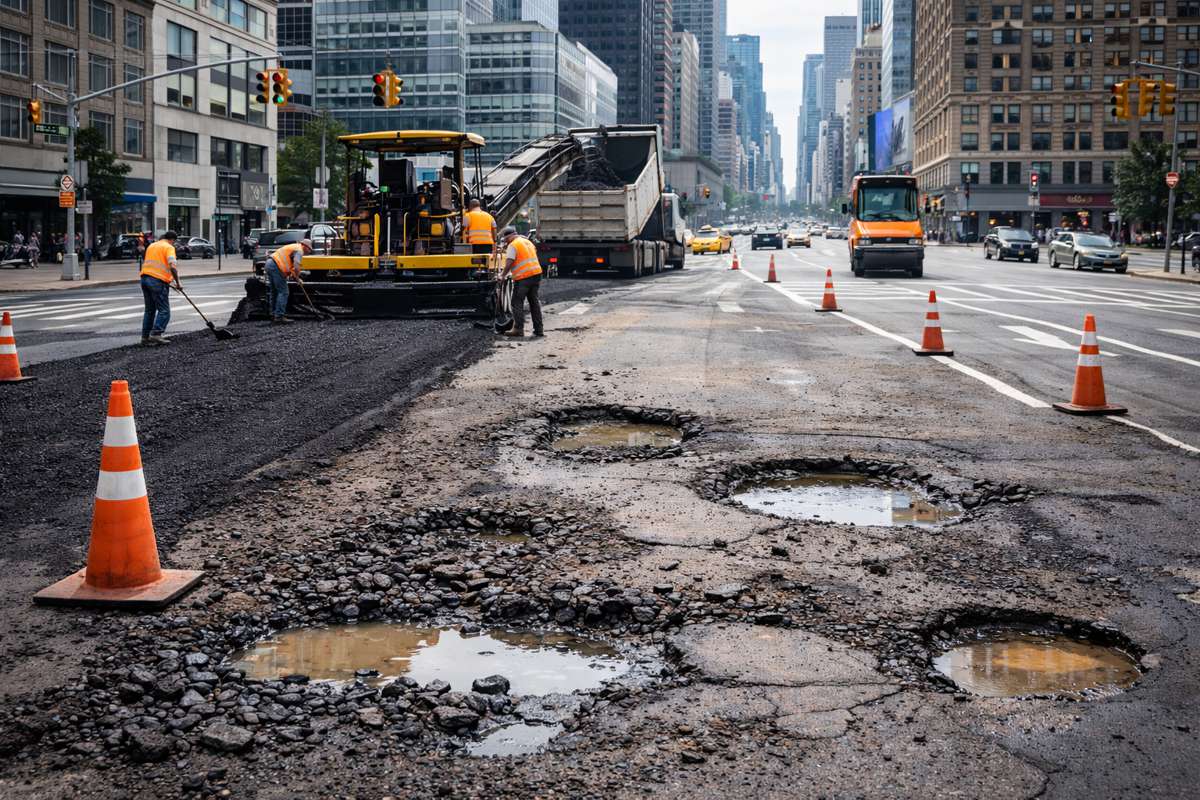
A worn or damaged road surface presents more than just an inconvenience. It can create genuine safety hazards for road users.
Loss of skid resistance is a common issue. As the aggregate in the asphalt becomes polished by years of traffic, tyres struggle to maintain grip — particularly in wet conditions.
Other risks include:
- Uneven surfaces affecting vehicle stability
- Standing water increasing the risk of aquaplaning
- Sudden potholes causing tyre blowouts or suspension damage
- Loose debris that may affect cyclists and motorcyclists
For vulnerable road users such as cyclists, even relatively minor defects can pose a serious danger.
The Cost of Waiting Too Long
One of the biggest misconceptions in infrastructure maintenance is that delaying resurfacing saves money. In reality, the opposite is usually true.
Minor surface deterioration can often be addressed through resurfacing at a relatively modest cost. Once structural layers begin to fail, however, the required repair becomes much more extensive.
Instead of resurfacing, authorities may need to undertake full-depth reconstruction, which involves rebuilding large sections of the road from the base upward. These projects are far more expensive and typically cause greater disruption to traffic.
In simple terms, preventative maintenance is almost always cheaper than reactive repairs.
Impact on Local Communities
When roads deteriorate significantly, the consequences extend beyond drivers. Poor road conditions affect local communities, businesses and public services.
Delivery vehicles face delays. Emergency services may encounter slower response times. Public transport routes can become less reliable.
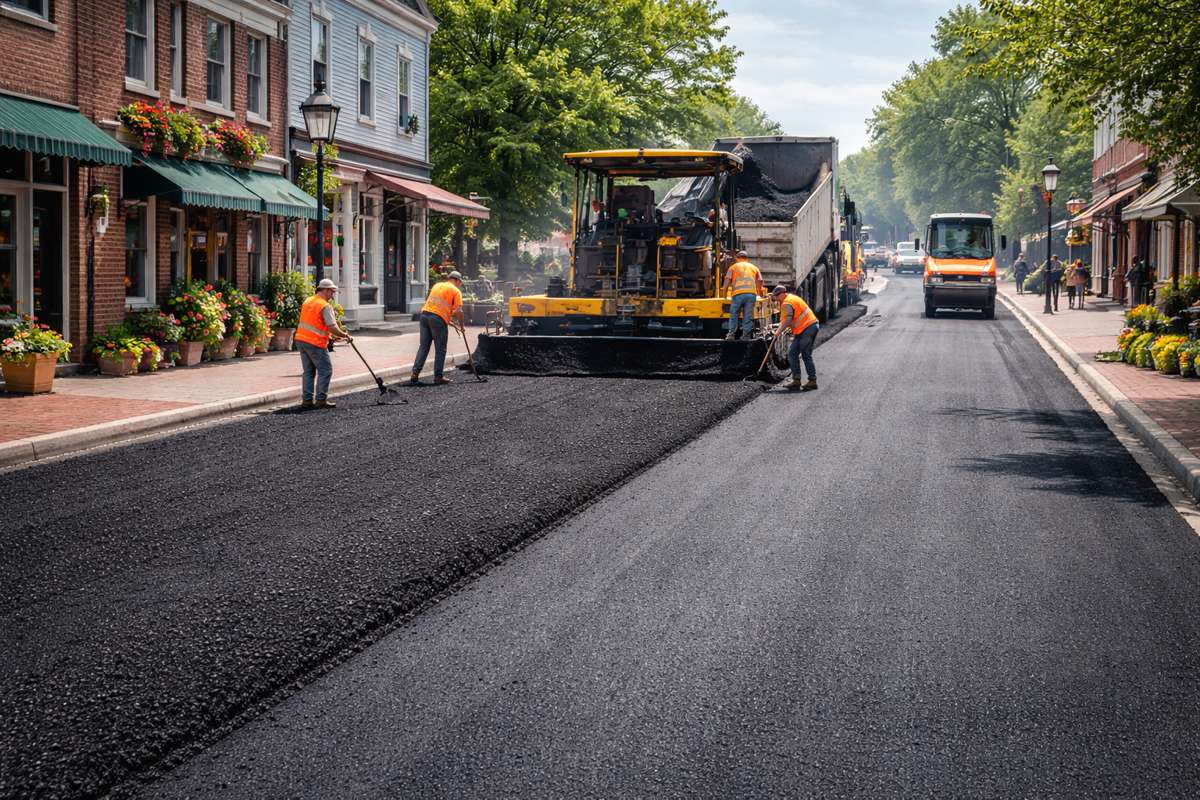
Large-scale repairs also require longer road closures, diversions and temporary traffic management measures. By comparison, planned resurfacing projects are generally quicker and easier to schedule with minimal disruption.
Environmental Benefits of Well-Maintained Roads
Maintaining smoother road surfaces can also deliver environmental advantages.
Vehicles travelling on damaged or uneven roads experience greater rolling resistance, which increases fuel consumption. Over time, this leads to higher emissions across the transport network.
Modern resurfacing methods increasingly incorporate recycled asphalt materials, reducing the demand for new raw aggregates. This approach lowers both construction waste and the carbon footprint associated with road maintenance.
Recognising Early Signs of Road Wear
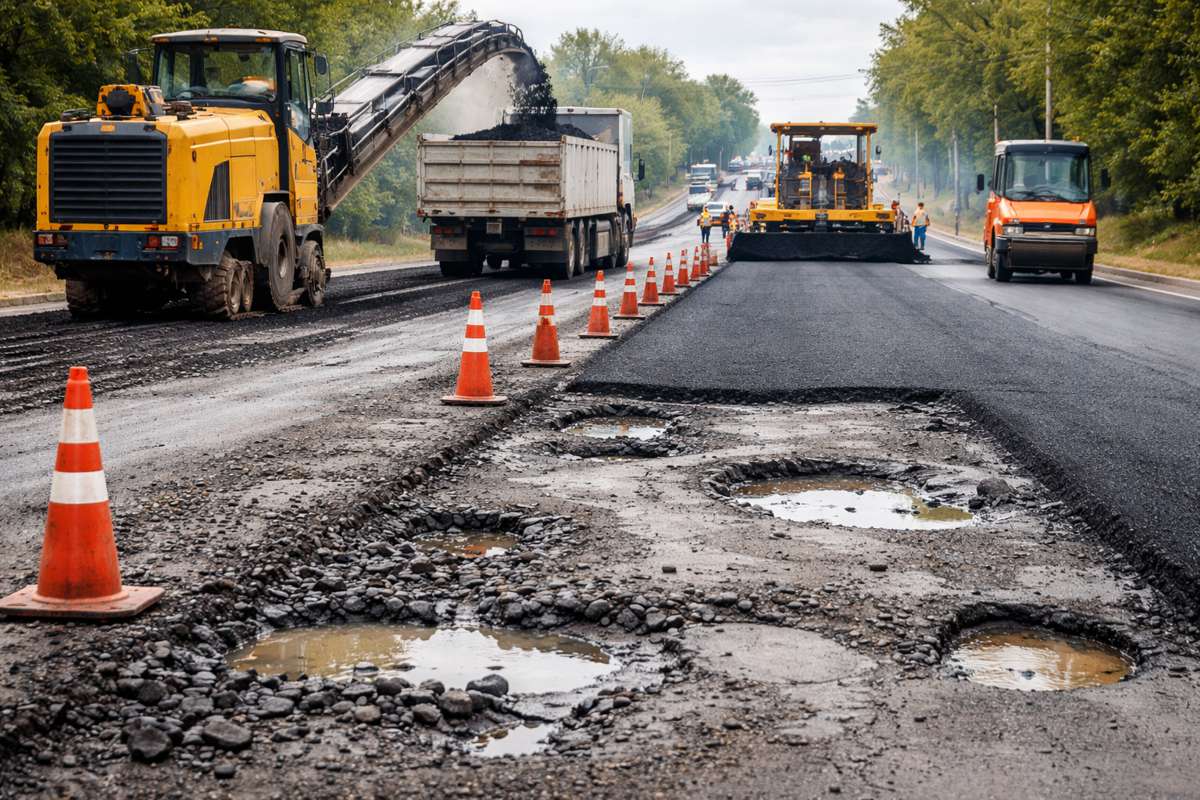
Infrastructure authorities rely on routine inspections to identify when resurfacing is required. Some of the most common indicators include:
- Widespread cracking patterns across the surface
- Rutting caused by heavy vehicle traffic
- Reduced skid resistance
- Frequent pothole formation
- Drainage issues leading to water pooling
Addressing these signs early is the most effective way to extend the lifespan of road infrastructure.
A Preventative Approach to Infrastructure
Road resurfacing works best when treated as part of a long-term asset management strategy rather than an emergency response to visible damage. Regular monitoring, planned maintenance schedules and the use of durable materials all contribute to a more resilient road network.
When carried out at the right time, resurfacing can significantly extend the life of a road while maintaining safe driving conditions for years to come.
Road surfaces deteriorate slowly, but the consequences of neglect can appear suddenly. A small crack today may become a costly structural failure tomorrow.
Timely resurfacing helps prevent this progression. It protects the underlying structure of the road, improves safety for drivers and reduces long-term repair costs.
In short, maintaining roads before serious damage occurs is not simply good engineering practice — it is a practical investment in safer, more reliable transport infrastructure.