Robotics Control Architecture Accelerates the Rise of Physical AI
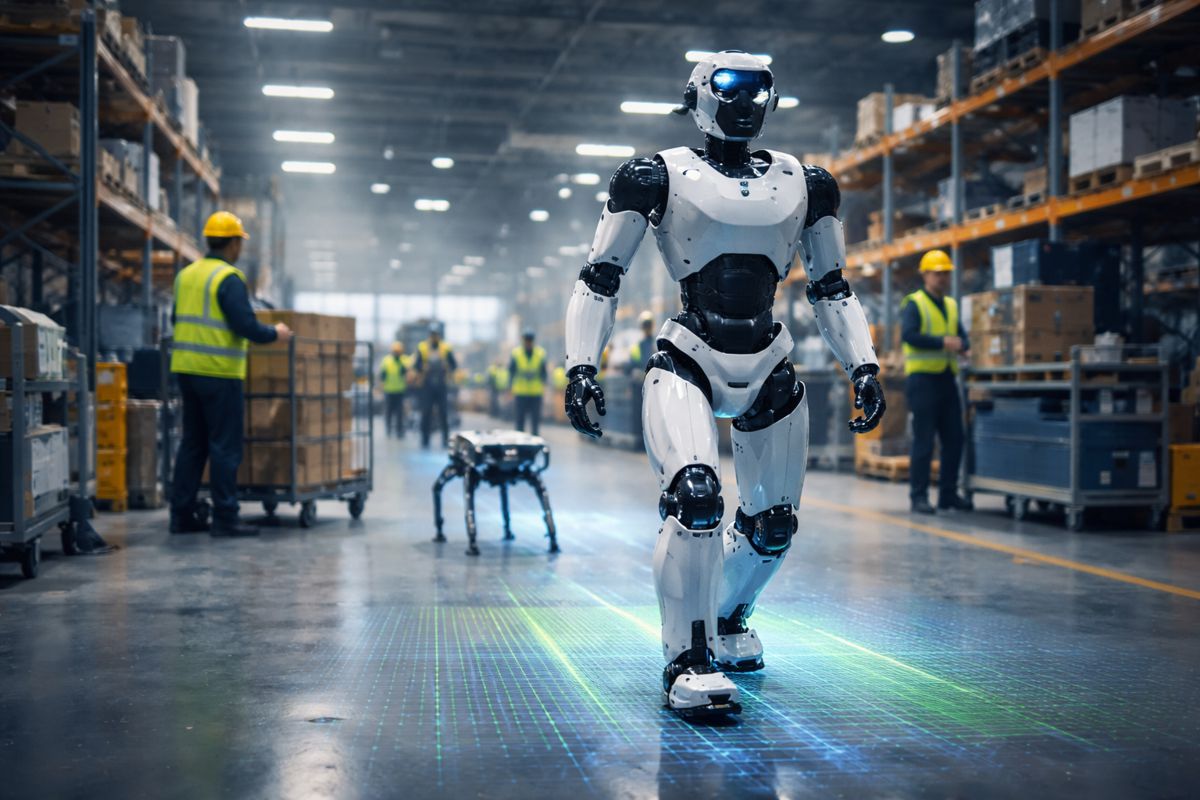
The global robotics industry is entering a decisive phase. What once existed largely in controlled factory environments is now expanding into logistics centres, construction sites, transport systems and public infrastructure. Robots are increasingly expected to operate autonomously, interact with humans and make decisions at the edge of networks rather than relying on cloud processing.
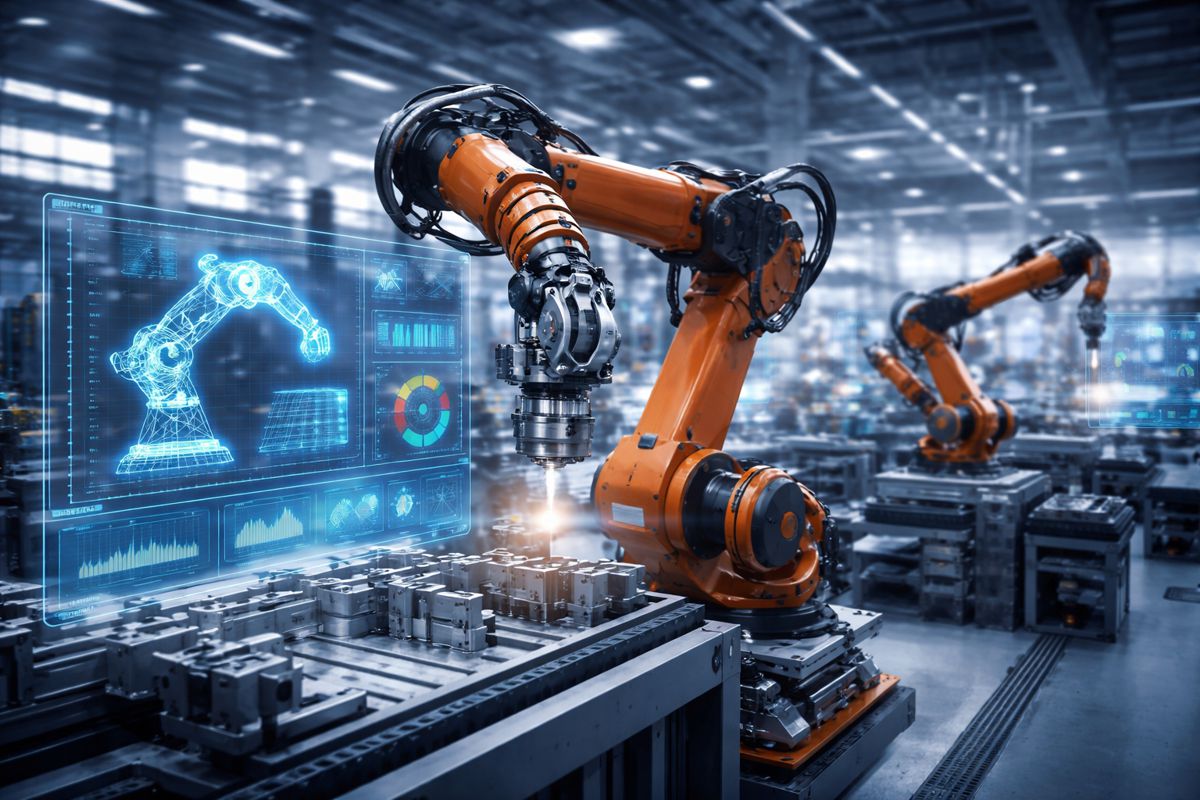
Semiconductor architecture is becoming one of the most important enablers of advanced robotics. The computational demands of humanoids and autonomous machines are immense. They must simultaneously interpret sensor data, make real-time decisions, control motors with extreme precision and communicate securely across distributed systems.
A new collaboration between MIPS, Inova Semiconductors GmbH, and GlobalFoundries aims to tackle precisely that challenge. The companies have introduced a robotics control reference platform designed for advanced humanoids and physical AI edge platforms, combining high-performance computing, ultra-low-power semiconductor manufacturing and high-speed communication technologies.
While the announcement may appear technical at first glance, its implications extend well beyond the robotics laboratory. The architecture represents a shift toward scalable hardware platforms capable of powering the next generation of autonomous machines operating across industries such as construction, logistics, mobility and infrastructure inspection.
The Infrastructure Impact of Physical AI
Physical AI is rapidly becoming a defining technological theme across infrastructure and industrial sectors. Unlike traditional artificial intelligence systems that operate in data centres or cloud environments, physical AI must interact directly with the real world through sensors, motors and actuators.
This means the computing architecture behind these machines must perform multiple tasks simultaneously. Robots must interpret visual and spatial data, maintain precise motion control and communicate with surrounding systems, all while operating within strict power and safety constraints.
According to research by the International Federation of Robotics, global installations of industrial robots have exceeded half a million units annually, and adoption continues to accelerate across logistics, healthcare, agriculture and infrastructure maintenance. Humanoid robots, meanwhile, are attracting significant investment as companies explore their potential to work in environments designed for human workers.
The computing architecture needed to support these machines is complex. Robotics platforms must handle mixed-criticality workloads, meaning safety-critical control systems must run alongside demanding artificial intelligence tasks without interfering with each other. This requires highly specialised semiconductor design.
The collaboration between MIPS, Inova and GlobalFoundries attempts to address these challenges by creating a reference platform that integrates real-time control loops with secure AI processing and high-speed connectivity.
A Scalable Blueprint for Robotics Developers
At the centre of the collaboration is a robotics control reference platform designed to simplify development for advanced robotic systems. The platform combines computing elements, communications interfaces and semiconductor technologies into a single architectural framework that can be adapted for different robotic applications.
MIPS chief executive Sameer Wasson described the intent behind the initiative: “Together with INOVA, we’re delivering a Physical AI reference platform that simplifies robot design, reduces BOM cost, and gives builders an open, standards-based path to create whole product families with low latency and functionally safe connectivity.”
The reference platform is designed around the concept of “sense, think, act and communicate”. In practical terms, that means integrating sensor inputs, processing intelligence, motion control and communications into a unified architecture capable of real-time operation.
For robotics manufacturers, this approach could reduce development complexity. Instead of building bespoke control systems from scratch, developers can use a common architectural foundation that already supports high-performance computing, networking and safety features.
In theory, such a platform could allow robotics companies to develop entire product families from a single hardware architecture, reducing both development time and production costs.
RISC V Architecture Gains Momentum in Robotics
A critical element of the platform is the use of processors based on the RISC‑V instruction set architecture, an open standard that has gained increasing traction across the semiconductor industry.
Unlike proprietary processor architectures, RISC-V allows companies to design customised processors without licensing restrictions. This flexibility has made it particularly attractive for specialised computing applications such as artificial intelligence, automotive electronics and robotics.
The platform integrates several processor technologies developed by MIPS, including the Atlas M8500 high-performance microcontroller processor and the Atlas S8200 AI processor IP. These components provide the computational backbone for handling AI workloads alongside deterministic control operations.
The appeal of open architectures such as RISC-V lies in their adaptability. Robotics developers often require highly specialised processors tailored to specific workloads, such as motion planning, sensor fusion or machine learning inference.
By combining RISC-V processors with mixed-signal technologies, the platform enables developers to create system-on-chip designs optimised for robotics tasks while maintaining compatibility with open software ecosystems.
High Speed Data Links Enable Distributed Robotics Systems
Another key element of the reference platform comes from Inova’s expertise in high-speed data communication. Robotics systems increasingly rely on distributed sensor networks and actuator systems that must communicate rapidly and reliably.
Inova’s APXpress interface technology provides high-speed serial communication designed for complex zonal architectures. Originally developed for automotive electronics, the technology is capable of supporting up to 500 independent data channels with speeds reaching 32 gigabits per second.
These capabilities are particularly relevant for advanced robotics, where multiple sensors, cameras and actuators must exchange data with minimal latency. Real-time motion control systems cannot tolerate delays or data bottlenecks.
Inova chief executive Robert Isele emphasised the role of connectivity in scaling advanced robotics: “Advanced humanoids demand secure, deterministic connectivity and a scalable control backbone. INOVA together with GF & MIPS, we’re giving robot makers a zonal, RISC-V-based blueprint that cuts complexity and cost to help scale humanoids and advanced robotics from prototype to production faster.”
By adapting automotive zonal architecture concepts for robotics platforms, the companies aim to create communication systems capable of supporting increasingly sophisticated robotic machines.
Semiconductor Manufacturing Drives Power Efficiency
Equally important is the semiconductor manufacturing technology used to produce the platform’s system-on-chip design. The reference platform is manufactured using GlobalFoundries’ FDX process technology, a semiconductor platform designed for low-power applications.
Power efficiency remains a major challenge for robotics developers. Mobile robots and humanoids must operate on limited battery capacity, while maintaining sufficient computational performance for artificial intelligence processing and real-time control.
Low-power semiconductor processes allow processors to deliver higher performance without significantly increasing energy consumption. This is particularly important for edge AI systems operating outside traditional data centre environments.
GlobalFoundries’ FDX platform integrates mixed-signal capabilities with advanced power management features. This enables semiconductor designers to combine digital processing with analogue components required for sensor interfaces and motor control systems.
For robotics developers, such integration can reduce component counts, simplify circuit design and improve overall system efficiency.
Accelerating Development Through Virtual Hardware
Hardware development traditionally represents one of the most time-consuming phases in robotics engineering. Designing custom chips, building prototypes and validating software can take years before production systems are ready.
To address this challenge, early access to the platform is provided through MIPS Atlas Explorer, a simulation-based co-design environment that allows developers to work with virtual representations of the computing architecture.
This approach allows software teams to begin developing algorithms and optimisation strategies before physical hardware becomes available. Developers can simulate workloads, refine control models and prepare AI software frameworks in parallel with hardware development.
The platform is designed to support the development of vision-language-action models, which are increasingly being used to power intelligent robots capable of interpreting visual environments and executing complex tasks.
By accelerating the hardware and software development cycle, the companies hope to reduce the time required for robotics companies to move from concept to commercial deployment.
Robotics Expansion Across Infrastructure Industries
While the platform has been designed with humanoid robotics in mind, its potential applications extend across multiple industrial sectors.
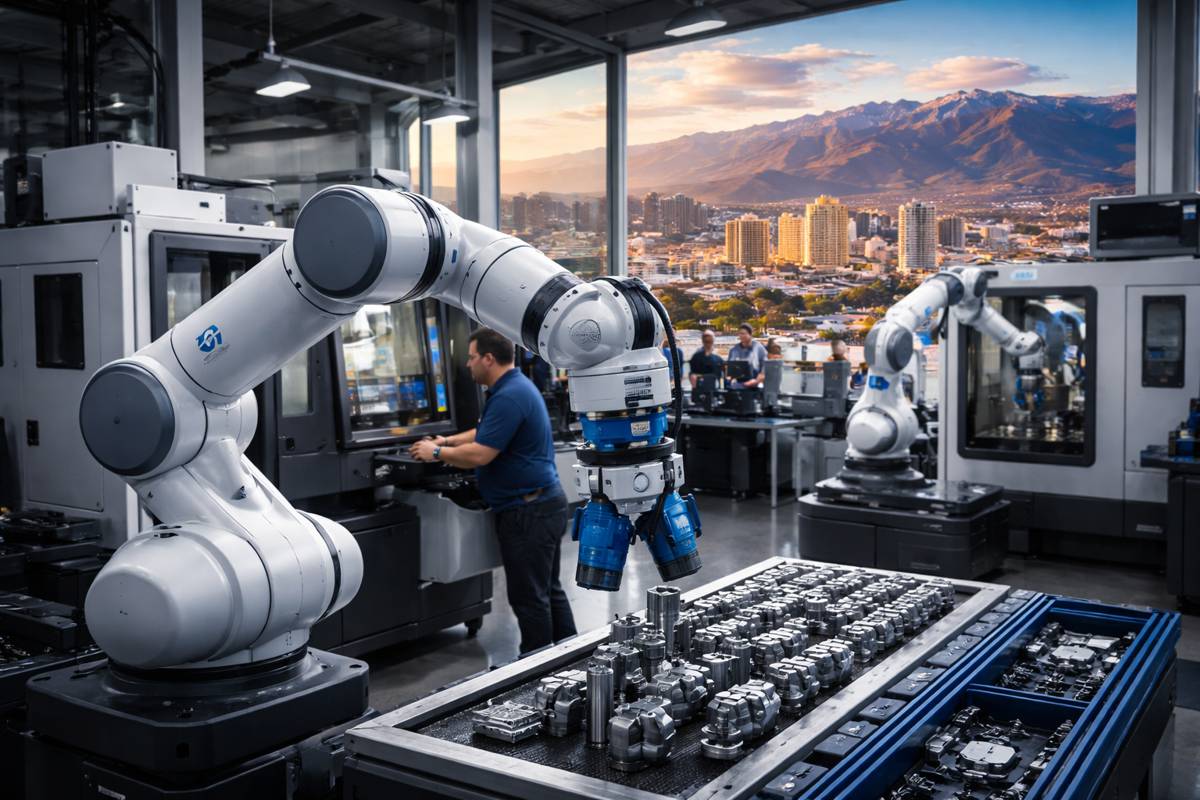
Construction companies are already exploring robotic solutions for tasks such as site inspection, automated material handling and precision assembly. Infrastructure maintenance increasingly relies on robots equipped with sensors to inspect bridges, tunnels and pipelines.
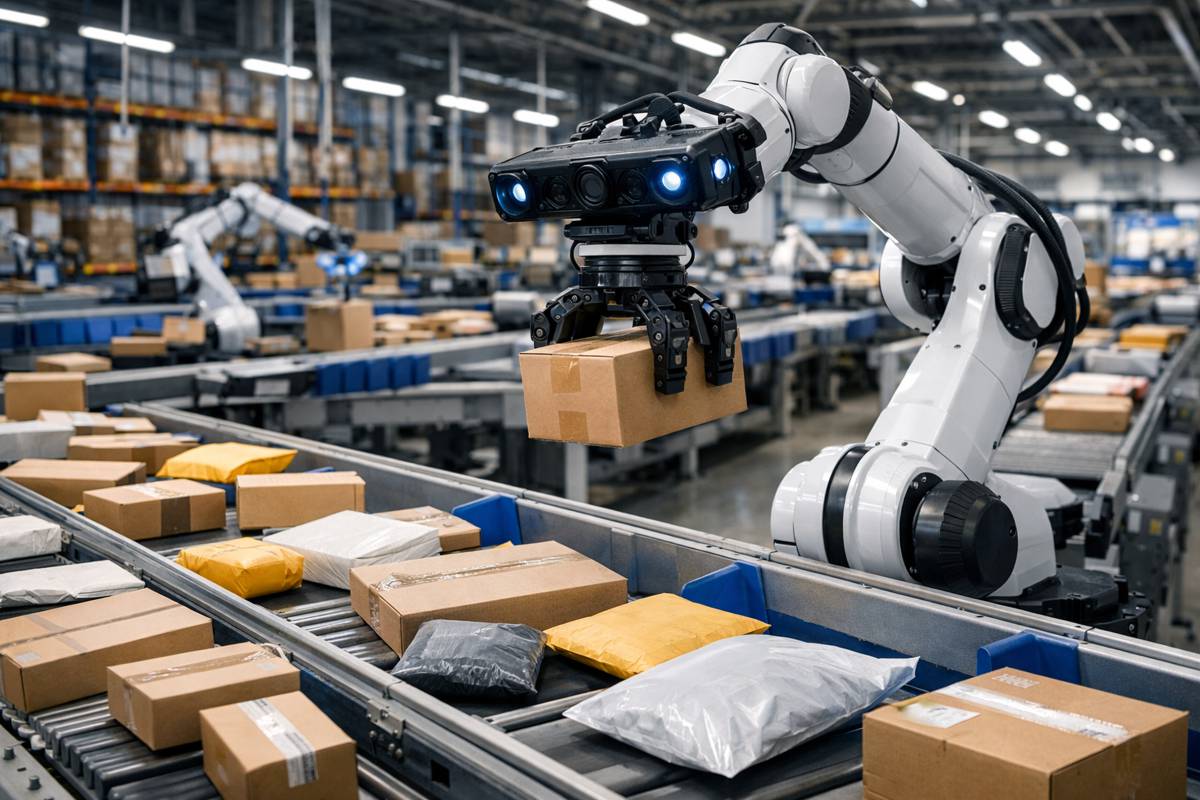
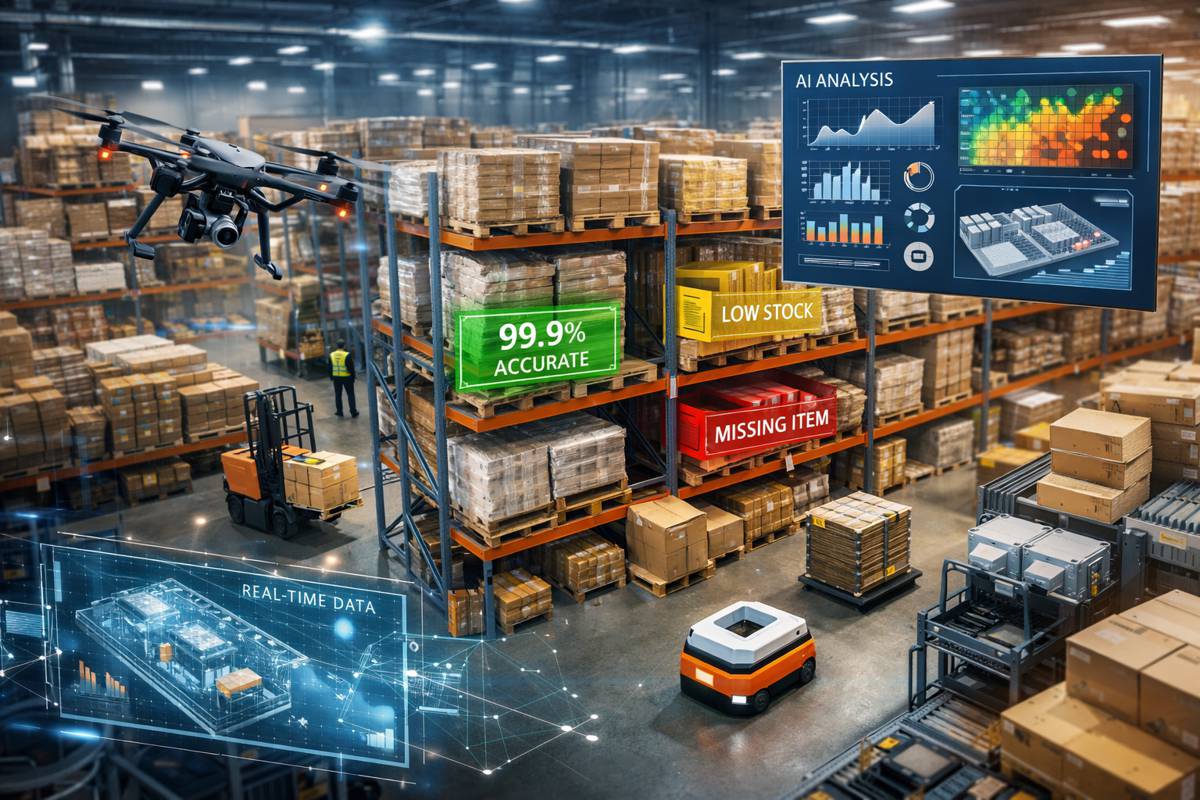
Autonomous machines are also becoming common in logistics hubs and warehouses, where robots handle sorting, packaging and transport tasks. Meanwhile, robotics technologies are beginning to appear in agriculture, mining and disaster response operations.
Many of these applications require robust computing platforms capable of handling sensor data, machine learning algorithms and real-time control systems simultaneously.
Reference architectures like the one introduced by MIPS, Inova and GlobalFoundries may help accelerate adoption by providing standardised hardware foundations for developers building new robotic platforms.
The Semiconductor Race Behind Intelligent Machines
The announcement also reflects a broader shift taking place within the semiconductor industry. As artificial intelligence expands beyond cloud computing into physical environments, chip designers are increasingly targeting edge computing platforms.
Autonomous vehicles, drones, industrial robots and smart infrastructure systems all require specialised processors capable of performing AI inference locally rather than relying on remote servers.
This shift has sparked intense competition among semiconductor companies to develop architectures optimised for edge AI workloads. Power efficiency, real-time processing and secure communications are becoming critical design priorities.
Open architectures such as RISC-V are playing an increasingly important role in this transition. By allowing companies to customise processor designs for specific applications, these platforms offer greater flexibility than traditional proprietary architectures.
As robotics and automation continue to expand across industrial sectors, semiconductor innovation will likely remain one of the key drivers shaping the capabilities of next-generation machines.
Building the Foundations of Scalable Robotics
Robotics development is entering a period of rapid transformation. Advances in artificial intelligence, sensors and semiconductor design are bringing increasingly capable machines into real-world environments.
Yet scaling robotics from experimental prototypes to commercially viable systems remains a significant challenge. Hardware complexity, software integration and cost constraints often slow the transition from laboratory research to industrial deployment.
Collaborative initiatives that combine semiconductor expertise, communications technologies and computing architectures may help bridge that gap.
By providing a scalable reference platform for robotics control systems, the partnership between MIPS, Inova Semiconductors and GlobalFoundries represents an attempt to standardise some of the most complex elements of robotic hardware design.
If successful, such architectures could help accelerate the development of advanced robots capable of operating across construction sites, infrastructure networks and industrial facilities worldwide.