Zoox Robotaxis to Join Uber Platform in Autonomous Mobility Expansion
The global race to deploy autonomous vehicles in real-world urban environments has entered a new phase as Zoox and Uber Technologies announce a strategic partnership to bring purpose-built robotaxis to Uber’s global ride-hailing platform.
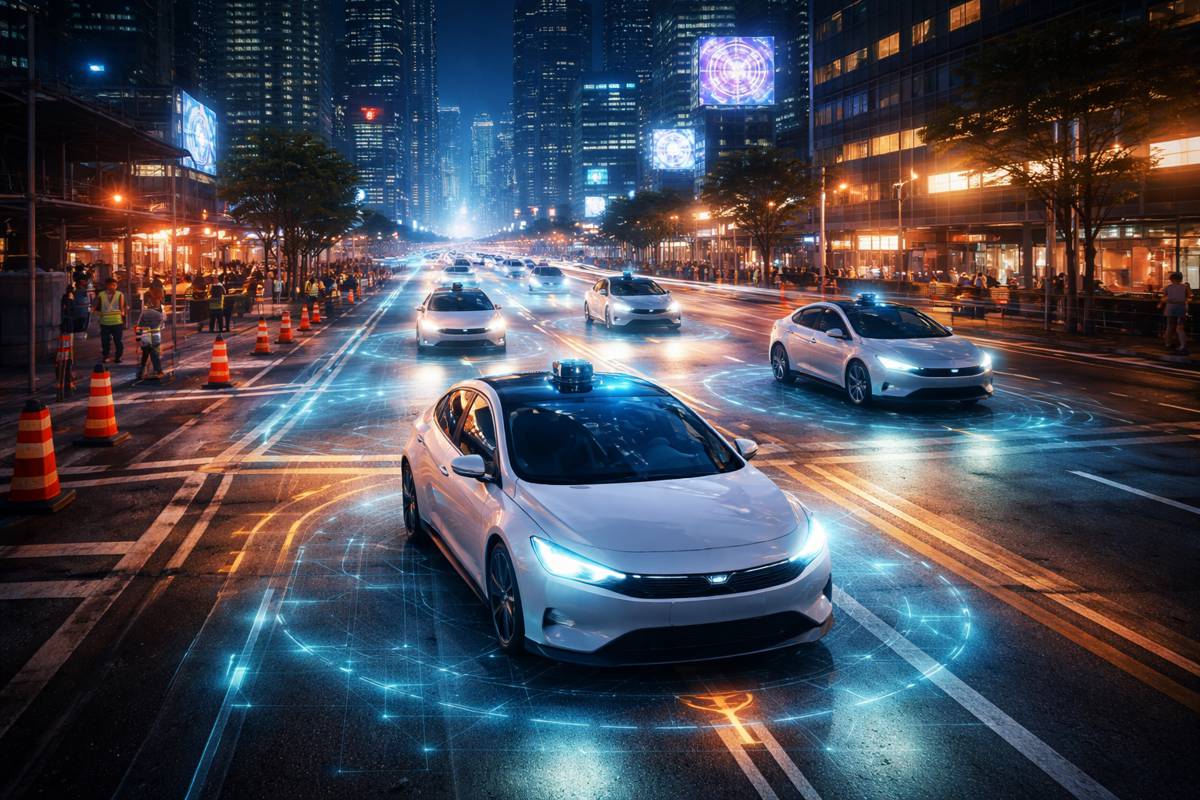
Under the agreement, Zoox’s autonomous vehicles will be integrated into the Uber app, allowing passengers in selected cities to be matched with a Zoox robotaxi for eligible journeys. The service is scheduled to launch first in Las Vegas during the summer, with expansion to Los Angeles planned by mid-2027.
For the mobility sector, the partnership represents far more than another pilot project. It marks one of the most significant attempts yet to combine an established global ride-hailing network with purpose-built autonomous vehicles designed specifically for shared urban transportation. If successful, the collaboration could accelerate the commercial viability of autonomous ride services and reshape how cities move people.
Autonomous vehicle deployments have often struggled to scale beyond testing environments. Integrating robotaxis into a platform already used by millions of passengers daily could significantly shorten the path between experimental technology and mainstream transport.
A New Approach to Autonomous Vehicles
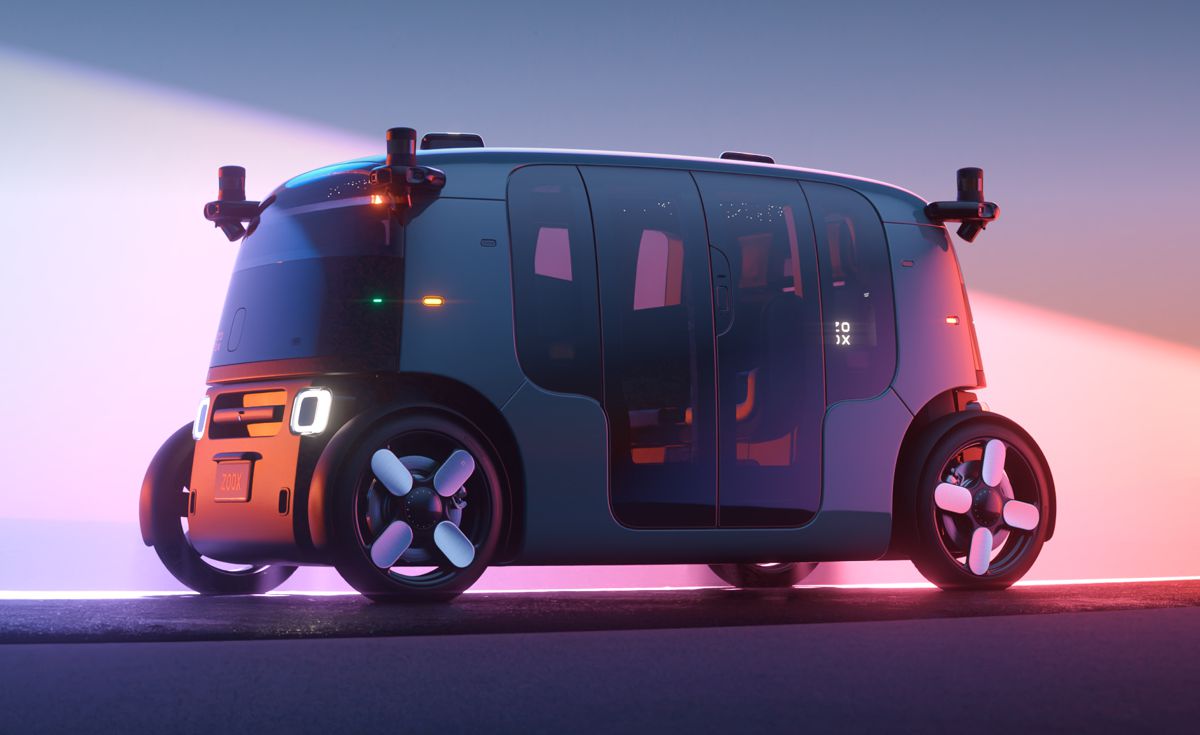
Unlike many autonomous vehicle programmes that rely on modified passenger cars, Zoox has taken a radically different approach. The company’s robotaxis are designed from the ground up as autonomous vehicles, eliminating the need for steering wheels, pedals, or traditional driver-focused layouts.
At the centre of the design is a symmetrical vehicle architecture that allows the robotaxi to operate equally well in either direction. This removes the need for turning manoeuvres in dense urban environments and helps simplify navigation in tight city streets.
Inside the cabin, passengers sit facing each other in a lounge-style arrangement. The layout prioritises conversation and shared travel experiences rather than individual seating positions. While this might appear cosmetic at first glance, the design reflects a deeper shift in mobility thinking: when vehicles no longer require drivers, the entire concept of vehicle interiors can be reimagined.
This purpose-built approach distinguishes Zoox from many competitors that retrofit conventional cars with autonomous driving systems. By designing the vehicle and the software together from the beginning, the company aims to create a more integrated and potentially safer autonomous transport solution.
Integrating Robotaxis Into the World’s Largest Ride Network
Uber’s global platform provides a powerful distribution channel for emerging mobility technologies. Since its founding in 2010, the company has facilitated more than 72 billion trips worldwide, creating a digital infrastructure that connects riders, drivers, and services across hundreds of cities.
By integrating Zoox vehicles into the Uber app, passengers will be able to request autonomous rides using the same interface they already use for conventional ride-hailing. When available, the app may match a passenger with a Zoox robotaxi for a suitable trip.
The integration represents the first time Zoox has partnered with an external ride-hailing platform. Previously, the company had focused primarily on developing its own autonomous mobility service and mobile application.
Aicha Evans, Chief Executive Officer of Zoox, framed the collaboration as an important milestone in bringing autonomous mobility closer to everyday life: “We are excited to partner with Uber, a company that shares our vision for transforming mobility. This partnership is an opportunity to continue advancing the use of autonomous mobility in daily life. Through our collaboration, Zoox will provide a differentiated rider experience to those who already know and love the convenience of riding with Uber.”
The company will continue operating its own Zoox app alongside the Uber integration, meaning passengers will have multiple ways to access the service.
Why Las Vegas and Los Angeles Are Key Testbeds
Launching autonomous mobility services requires more than advanced technology. Cities must provide the regulatory framework, infrastructure, and operational conditions that make large-scale deployment feasible.
Las Vegas has become one of the leading test environments for autonomous vehicle technology in the United States. The city’s relatively predictable road layouts, strong tourism demand, and supportive regulatory environment have attracted numerous mobility pilots in recent years.
Meanwhile, Los Angeles represents a vastly more complex urban environment. With sprawling suburbs, dense traffic patterns, and diverse road conditions, the city provides a far more demanding test for autonomous driving systems.
For Zoox and Uber, the phased deployment strategy reflects a practical approach to scaling autonomous mobility. Starting in a more controlled urban environment allows the technology to mature before expanding into larger and more complex metropolitan areas.
The Growing Global Push for Autonomous Mobility
The Zoox-Uber partnership arrives at a time when autonomous vehicle development is entering a critical commercial phase. After more than a decade of research and billions of dollars in investment, companies are now under pressure to demonstrate real-world economic viability.
Across the industry, multiple players are attempting to bring robotaxi services to market. Companies such as Waymo, Cruise, and Tesla are all pursuing different strategies to deploy autonomous ride-hailing services.
Urban mobility analysts increasingly view autonomous ride-hailing as one of the most economically promising applications of self-driving technology. Private vehicle ownership remains costly and inefficient in dense cities, where vehicles spend much of their time parked rather than moving passengers.
Shared autonomous vehicles could significantly increase vehicle utilisation while reducing labour costs associated with human drivers. However, achieving these efficiencies requires reliable technology, strong regulatory support, and a platform capable of matching vehicles with passengers in real time.
That’s where Uber’s global network becomes strategically valuable. By integrating robotaxis into an existing ride-hailing ecosystem, autonomous vehicles can immediately tap into a large base of active riders.
Safety and Regulation Remain Central Challenges
Despite rapid technological progress, autonomous vehicles continue to face scrutiny from regulators and safety experts. Incidents involving self-driving test vehicles have reinforced the need for rigorous testing, transparent reporting, and strong safety frameworks.
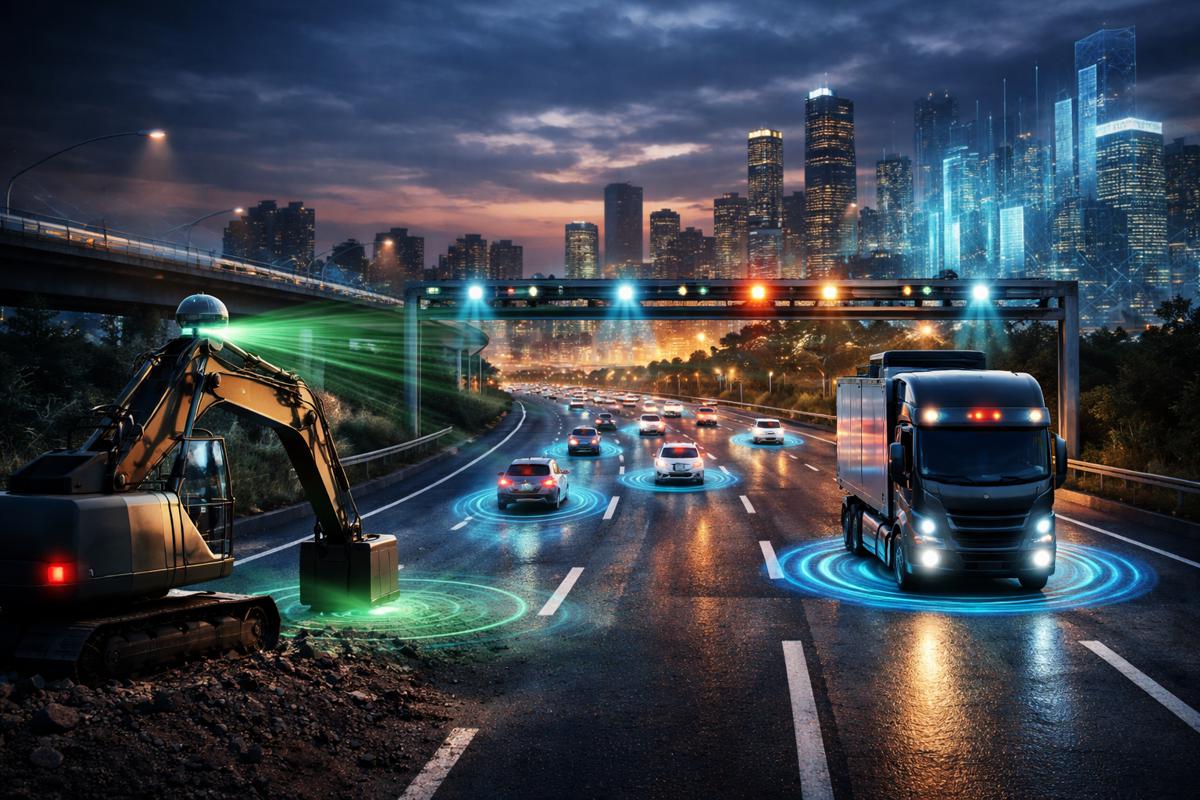
Zoox has emphasised safety as a core component of its development strategy. The company’s vehicle design incorporates multiple layers of sensing technologies, including lidar, radar, cameras, and advanced computing systems designed to interpret complex road environments.
Dara Khosrowshahi, Chief Executive Officer of Uber, highlighted the importance of safety in the partnership announcement: “The Zoox robotaxi is unlike any other vehicle on the planet – it was purpose-built from the ground up to deliver an extraordinary experience. Zoox’s commitment to safety and their advanced autonomous driving technology make them an ideal partner. We’re thrilled to work together to introduce more riders to the future of mobility.”
Regulators will continue to monitor the rollout closely. Autonomous ride-hailing services must demonstrate not only technological reliability but also public acceptance and operational resilience in complex urban conditions.
Implications for Urban Transport and Infrastructure
Beyond the technology itself, autonomous ride-hailing has far-reaching implications for urban infrastructure and transport planning.
Cities worldwide are grappling with congestion, air pollution, and the need to decarbonise transport systems. Autonomous electric robotaxis could contribute to these goals by reducing private car ownership and improving vehicle utilisation rates.
Transport planners are increasingly exploring how autonomous fleets might integrate with public transit networks, first-mile and last-mile connections, and future mobility hubs.
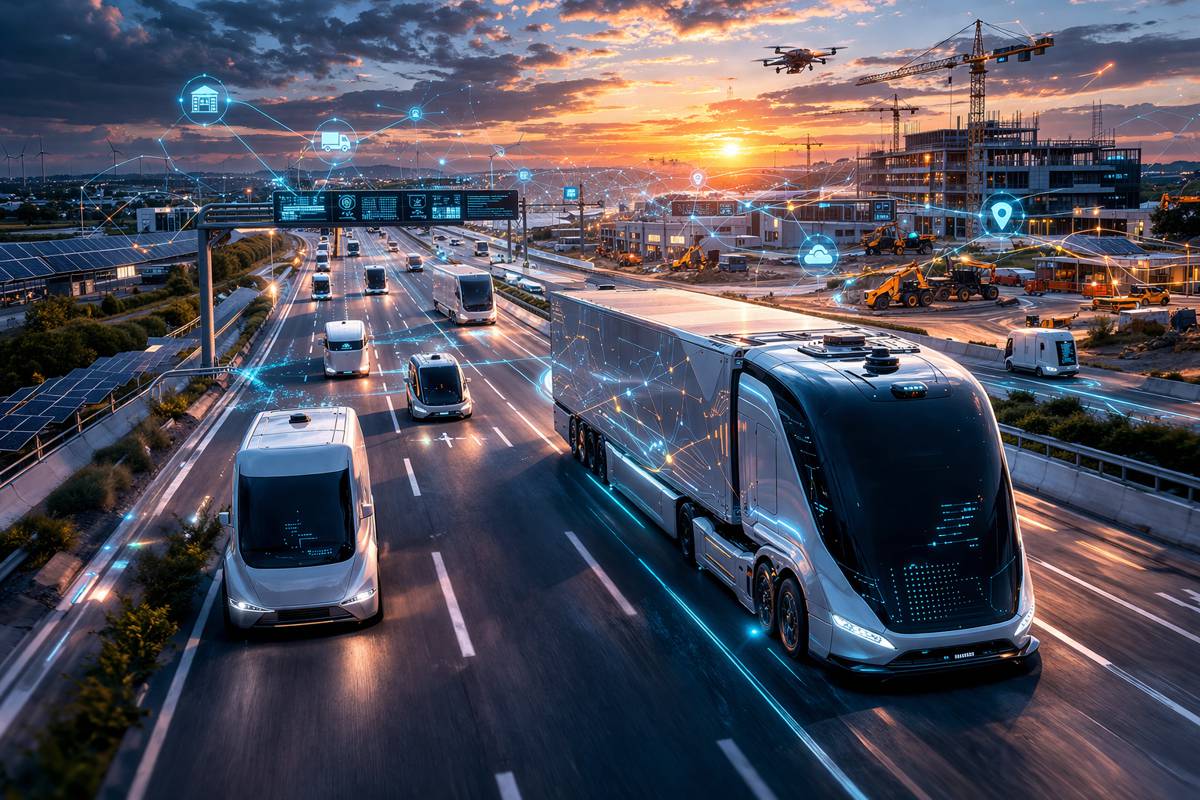
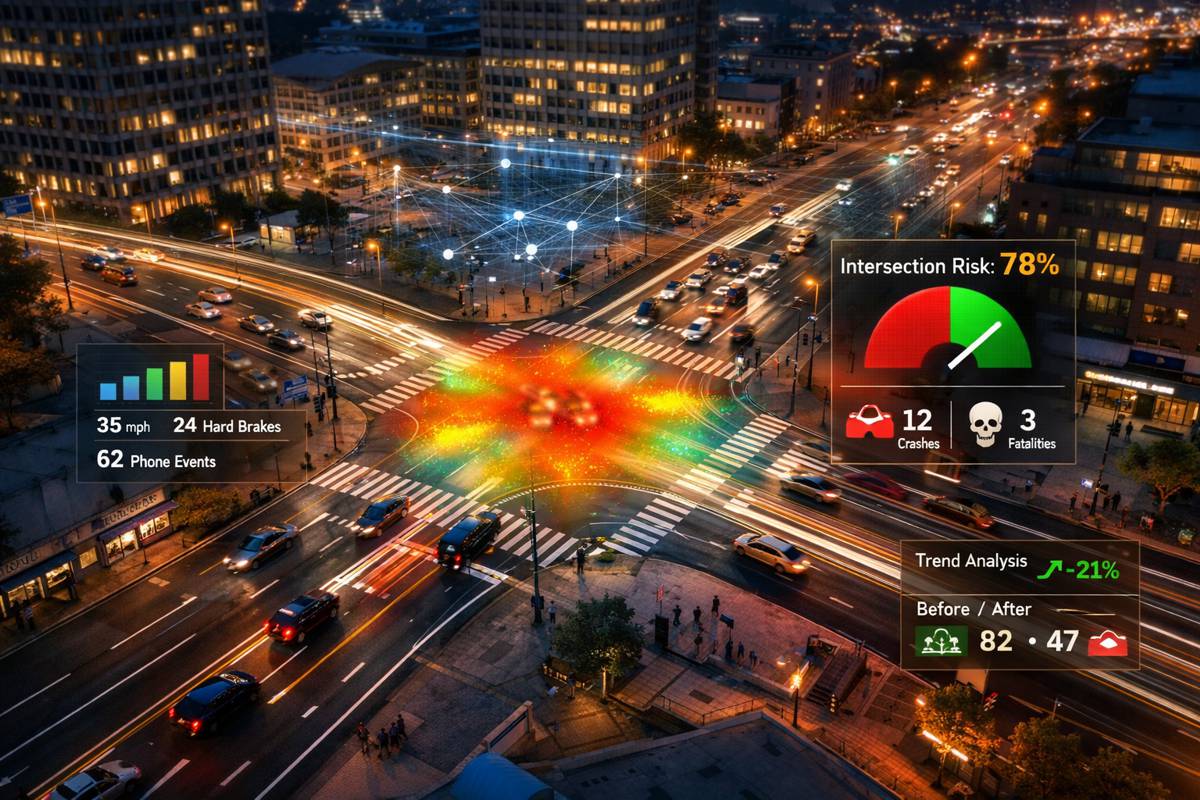
For infrastructure professionals, the rise of autonomous vehicles raises important questions about road design, digital infrastructure, and data management. Road markings, traffic signal communication systems, and digital mapping platforms may all need to evolve to support autonomous transport systems.
The deployment of robotaxis in major cities therefore represents not only a technological milestone but also a potential catalyst for broader changes in urban mobility planning.
The Road Ahead for Autonomous Ride-Hailing
The collaboration between Zoox and Uber illustrates how the autonomous vehicle sector is gradually shifting from isolated technology development toward integrated mobility ecosystems.
Rather than competing solely on vehicle technology, companies are increasingly forming partnerships that combine specialised capabilities. Autonomous vehicle developers provide the hardware and software, while mobility platforms supply riders, operational experience, and market access.
For Zoox, the partnership opens a pathway to rapid scale once the technology proves reliable. For Uber, it represents another step toward a long-term strategy that blends human-driven vehicles with autonomous fleets.
The coming years will determine whether robotaxis can transition from experimental deployments to widely available urban transport services. If the Las Vegas launch performs well, the expansion to Los Angeles could mark one of the most significant real-world tests of autonomous ride-hailing yet attempted.
One thing is becoming clear: the future of urban mobility will likely be shaped not by a single company or technology, but by complex ecosystems where vehicles, software platforms, infrastructure, and regulation all intersect.