Liebherr Celebrates a Decade of XPower Wheel Loader Innovation
A decade after their debut, Liebherr’s XPower wheel loaders have established themselves as a significant benchmark in heavy-duty loading equipment. Introduced to the global construction and materials handling market at bauma 2016, the machines were designed around a distinctive concept: a power-split travel drive capable of combining hydrostatic and mechanical drive technologies within a single system.
Ten years on, the concept has matured into one of the company’s most successful loader platforms. The XPower series now operates across a wide spectrum of industries, from aggregates and mining to waste management, scrap handling and forestry logistics. For contractors, quarry operators and industrial logistics providers, the machines represent a balance between productivity, fuel efficiency and durability, a combination that has become increasingly valuable as operating costs and sustainability pressures reshape heavy equipment procurement.
The anniversary marks not just a milestone for Liebherr’s product development, but also a moment to examine how drivetrain innovation, automation and operator-focused design have influenced the modern wheel loader market.
A New Approach to Wheel Loader Drivetrains
When Liebherr introduced the XPower concept, the company’s objective was straightforward: create a drivetrain capable of delivering both the precision of hydrostatic systems and the efficiency of mechanical drives.
Traditional hydrostatic drives offer smooth control and high pushing force at low speeds, making them ideal for short loading cycles and manoeuvring. Mechanical drives, meanwhile, deliver better efficiency and fuel economy when travelling longer distances or operating at higher speeds. Historically, manufacturers had to choose between the two approaches.
Liebherr’s power-split system altered that equation. The drivetrain automatically distributes power between hydrostatic and mechanical components depending on operating conditions, allowing the loader to adapt continuously without requiring operator input.
In practical terms, the system means machines can maintain high traction during loading while reducing fuel consumption during transport or stockpile work. For industries such as quarrying and bulk materials handling, where machines operate in repeated loading cycles across large sites, this capability can translate directly into lower operating costs.
Over the past decade, fuel efficiency has become a decisive factor in equipment selection. According to the International Energy Agency, diesel-powered heavy machinery accounts for a substantial share of energy consumption in construction and mining operations. Even marginal improvements in efficiency can produce measurable cost savings over the lifespan of a machine.
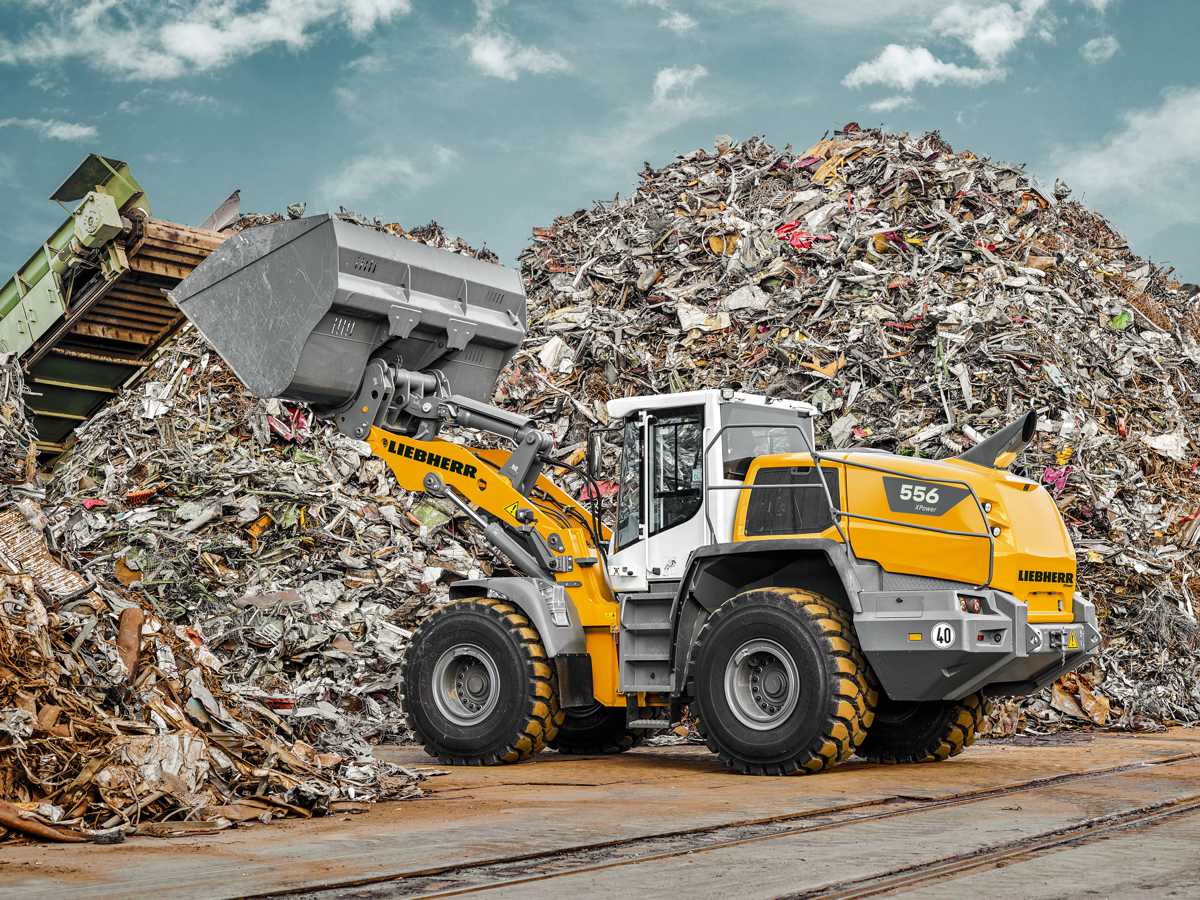
Ten Years Of Evolution In Heavy Loading Equipment
The launch of the XPower wheel loaders in 2016 marked the beginning of a steady development cycle. The machines quickly gained recognition within the industrial design community, receiving several international awards including the Red Dot Design Award, the iF Design Award and the German Design Award.
Recognition alone, however, does not sustain equipment platforms in a competitive industry. Continuous development has been central to the XPower story.
Over the years, Liebherr has introduced improvements across multiple areas of the machines’ design and functionality. These include refinements to joystick steering systems, enhancements to working hydraulics and increases in engine performance for selected models. Each update has focused on improving productivity while reducing operator fatigue.
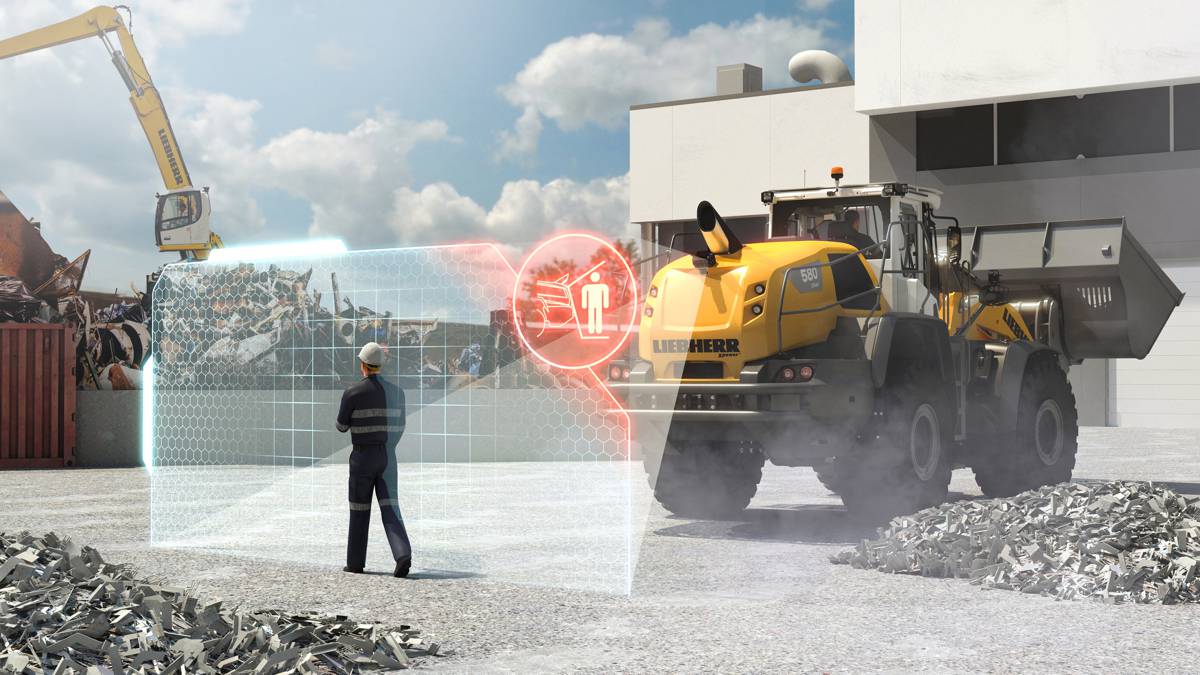
The company has also integrated intelligent assistance systems designed to support safe operation. Among them is an active person detection system with brake assist, intended to reduce the risk of accidents in busy work environments where loaders frequently operate close to other workers or vehicles.
Such safety technologies are becoming increasingly common across modern construction equipment. As job sites grow more complex and safety regulations tighten, manufacturers are under growing pressure to integrate digital monitoring and automated intervention systems into heavy machinery.
For Liebherr, the XPower platform has served as a foundation for testing and implementing these technologies within large wheel loaders.
Reaching the 10,000 Machine Milestone
A notable milestone in the series’ history arrived in 2025 when the 10,000th XPower wheel loader rolled off the production line at Liebherr’s Bischofshofen facility in Austria.
For a specialised heavy equipment platform, reaching that production figure within a decade reflects both market demand and the platform’s adaptability across industries.
Wheel loaders remain among the most widely used machines in the construction and materials handling sectors. Global demand for loaders continues to grow, particularly in emerging infrastructure markets where quarrying, mining and bulk logistics operations are expanding rapidly.
Research from equipment market analysts indicates that wheel loaders represent a core segment of the global construction machinery industry, driven by infrastructure investment and increasing demand for aggregates used in road building, urban development and energy projects.
Within that context, the success of the XPower platform illustrates how drivetrain innovation can reshape expectations in a mature equipment category.
Expanding Applications Across Industries
From the outset, the XPower concept was designed as a flexible platform rather than a single-purpose machine.
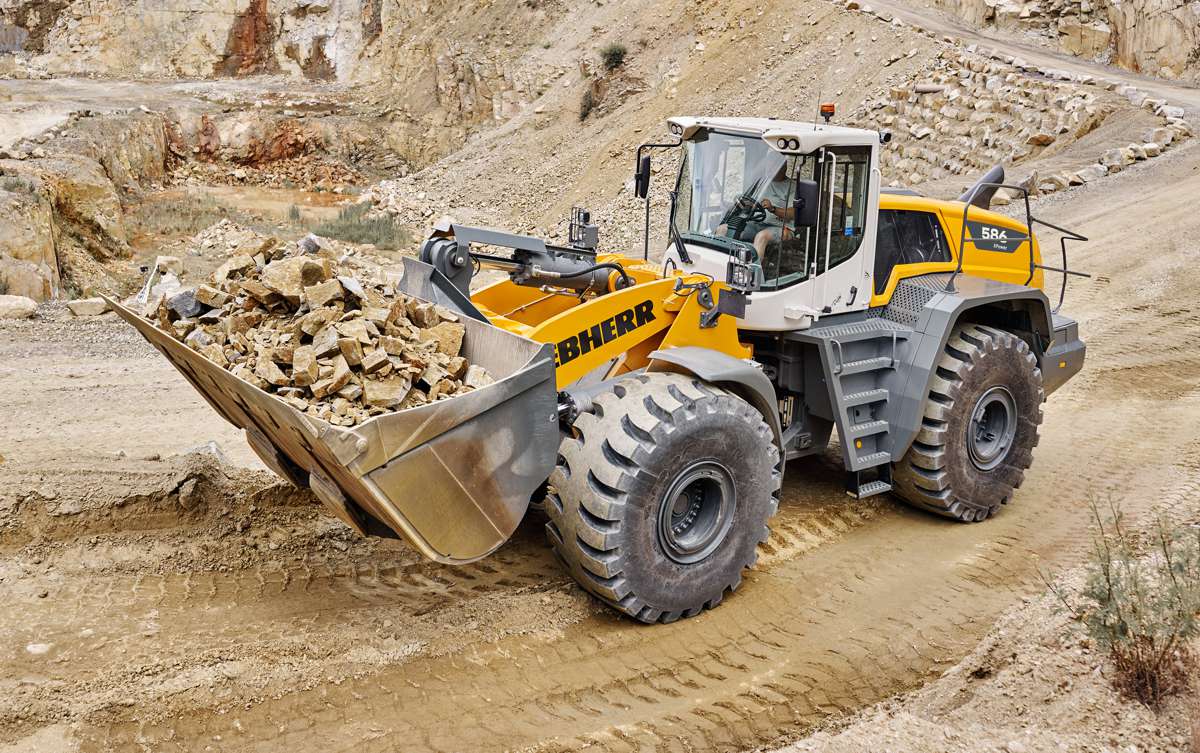
The wheel loaders are equipped with various lift arm configurations tailored to different operational environments. Standard configurations support traditional construction and quarry loading tasks, while specialised variants are intended for industrial applications such as scrap handling or timber logistics.
In 2017, Liebherr expanded the concept further with the introduction of the L 580 LogHandler XPower. The machine was specifically developed for timber operations and demonstrated how the core drivetrain architecture could be adapted to different industries.
Forestry operations often involve handling irregular loads and operating in demanding environments where reliability is essential. By applying the XPower drivetrain to these conditions, Liebherr reinforced the platform’s versatility.
Similarly, the machines have proven effective in waste management and recycling operations. In these environments, loaders frequently work in confined areas with high cycle rates, conditions where efficient power delivery and precise control are particularly valuable.
The ability to operate effectively across multiple sectors has played a significant role in the long-term success of the platform.
Operator Comfort and Workplace Safety
Modern heavy equipment design increasingly recognises that productivity depends not only on mechanical performance but also on operator wellbeing.
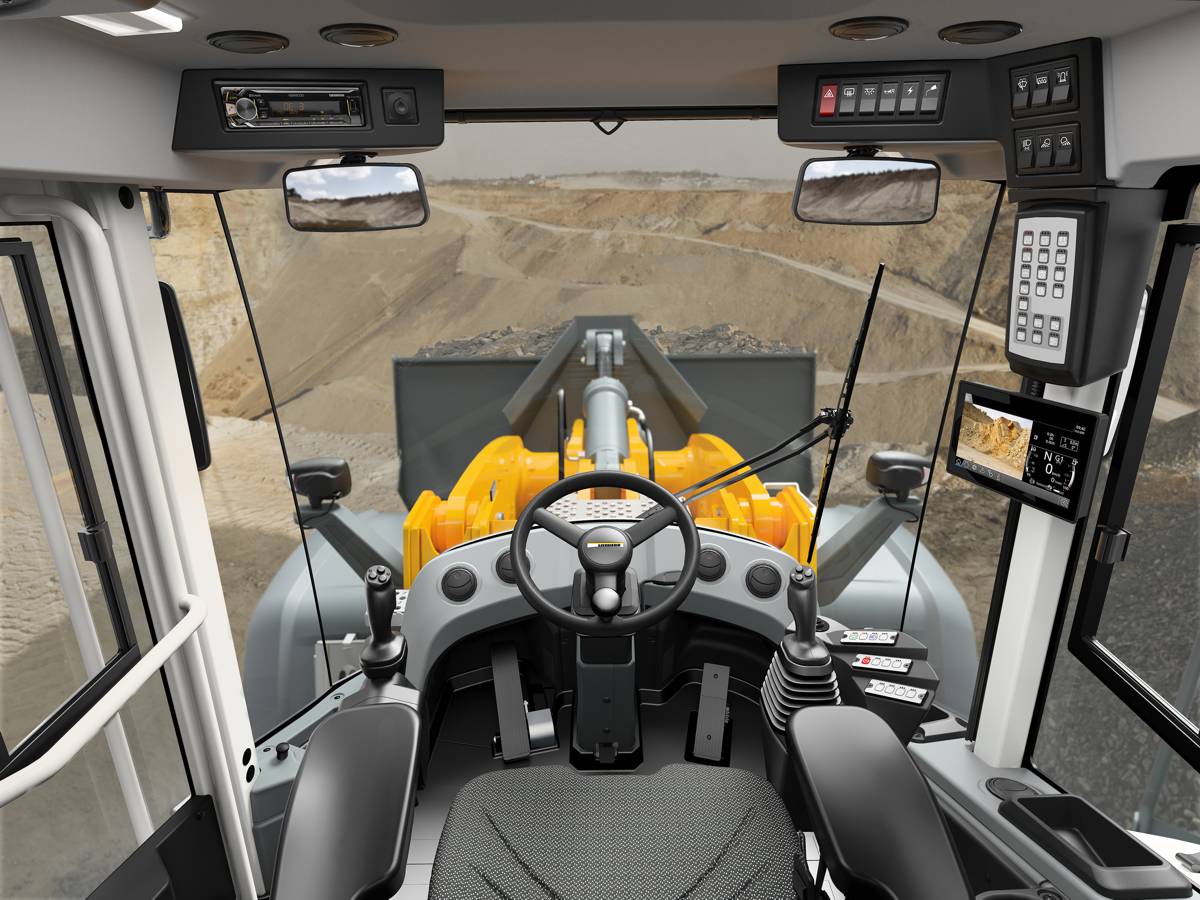
The cab design in the XPower series reflects this shift in thinking. Large glazed surfaces provide extensive visibility around the machine, improving situational awareness on busy job sites. For operators who spend long shifts inside the cab, visibility can have a direct impact on both safety and fatigue levels.
Liebherr has also introduced configurable control systems, including a steering wheel-free configuration that relies entirely on joystick control. This layout provides additional space inside the cab and allows operators to maintain a more ergonomic working position.
Another productivity feature is the Solidlink quick coupling system, which enables attachments to be changed rapidly from inside the cab at the touch of a button. On sites where loaders frequently switch between buckets, forks or other tools, this capability reduces downtime and simplifies workflow.
Safety systems further complement these design features. Because the assistance technologies are developed internally by Liebherr, they are fully integrated with the machine’s electronic architecture. This integration ensures that monitoring systems, braking assistance and machine controls operate as part of a cohesive platform rather than as separate add-on components.
The Next Generation of XPower Technology
While the anniversary celebrates the past decade of development, Liebherr is already exploring how the XPower concept can support emerging technologies.
Two experimental projects illustrate the direction of travel.
One involves the L 566 H, a prototype large wheel loader powered by a hydrogen combustion engine. Hydrogen-powered machinery has gained attention as construction and mining industries search for ways to reduce carbon emissions without sacrificing the reliability associated with internal combustion engines.
Hydrogen engines offer a potential pathway toward lower emissions while maintaining familiar machine architectures and refuelling processes. For equipment manufacturers, this approach may provide an alternative to full electrification in applications where battery capacity remains a limiting factor.
The second development involves autonomous loader operations. Liebherr has presented a development vehicle under the name “Liebherr Autonomous Operations”, demonstrating how automation technologies could eventually transform material handling processes.
Autonomous loaders could operate continuously in controlled environments such as quarries or industrial stockyards, improving productivity while reducing the need for manual operation during repetitive tasks.
Although fully autonomous heavy equipment remains in early stages of adoption, advances in sensors, machine learning and site management software suggest that the technology may become increasingly viable in the coming decade.
Marking the Anniversary With Industry Incentives
To celebrate ten years of XPower wheel loaders, Liebherr has introduced a promotional programme under the banner of “Power Deals”.
The initiative provides discounts on new orders of XPower loaders including attachments in selected markets. Depending on the model, buyers receive a net reduction of €4,000 for L 550 and L 556 machines, €5,500 for the L 566 to L 580 models and €9,000 for the flagship L 586 XPower.
While anniversary promotions are common in the equipment industry, they also reflect the competitive environment in which manufacturers operate. Contractors and materials handling companies are increasingly cautious about capital investment, often evaluating machinery purchases based on lifecycle costs rather than purchase price alone.
In this context, incentives tied to proven equipment platforms can help manufacturers maintain momentum in mature product lines while reinforcing customer loyalty.
A Platform That Continues to Shape Loader Design
Ten years after its introduction, the XPower wheel loader series stands as an example of how incremental engineering improvements can influence an entire equipment category.
By combining hydrostatic and mechanical drive systems within a unified architecture, Liebherr addressed a long-standing trade-off in wheel loader design. The result is a platform that continues to balance efficiency, power and operational flexibility across a wide range of industrial environments.
Looking ahead, the integration of hydrogen power, digital assistance systems and autonomous technologies suggests that the XPower concept will remain relevant as the construction and materials handling sectors move toward more sustainable and automated operations.
For contractors, quarry operators and industrial logistics providers, the machines illustrate a broader trend in equipment development: innovation that focuses less on dramatic reinvention and more on practical improvements that make everyday operations safer, more efficient and more reliable.