Smart Energy Week Tokyo Driving the Global Shift to Clean Power
As governments, utilities and infrastructure investors race to decarbonise the world’s power systems, large-scale industry events have become vital meeting grounds for policy, finance and technology. Among the most influential is Smart Energy Week Spring 2026, scheduled to take place from 17 to 19 March at Tokyo Big Sight. The exhibition has grown into one of the largest international showcases dedicated to renewable energy, advanced power technologies and next generation energy systems.
More than simply a trade show, Smart Energy Week has evolved into a strategic marketplace where the future of the global energy system is debated, demonstrated and negotiated. With more than 1,600 exhibitors expected and tens of thousands of attendees from across Asia, Europe and North America, the event reflects the accelerating momentum behind the transition toward low-carbon power infrastructure.
For energy developers, infrastructure investors and engineering firms, the exhibition offers something increasingly valuable in today’s fragmented energy landscape: a single venue where emerging technologies, policy frameworks and commercial partnerships converge. As nations push toward carbon neutrality targets, platforms such as Smart Energy Week provide a real-time snapshot of the technologies and strategies shaping tomorrow’s energy systems.
Japan’s Energy Strategy Takes Centre Stage
Japan sits at a particularly interesting crossroads in the global energy transition. The country imports roughly 90 percent of its primary energy supply and has long pursued technological innovation as a pathway toward greater energy security. Since the Fukushima disaster in 2011 reshaped the national energy debate, Japan has increasingly turned its attention toward renewables, hydrogen and advanced grid technologies.
Smart Energy Week reflects this strategic pivot. The exhibition highlights technologies that align closely with Japan’s Green Transformation strategy, often referred to as the GX initiative. This national policy framework aims to reduce emissions while maintaining industrial competitiveness, encouraging investment in hydrogen infrastructure, next generation batteries, renewable power and low-carbon industrial processes.
Government agencies, including representatives from the Ministry of Economy, Trade and Industry, will participate in the event’s conference programme. Their presence underscores the importance of policy alignment in scaling emerging energy technologies. Infrastructure investors and project developers often look to Japan’s regulatory signals as a guide to future market opportunities across Asia.
At the same time, Japan’s industrial giants are playing an increasingly visible role in shaping the global clean energy market. Many of them will use Smart Energy Week as a stage to showcase technologies intended not just for domestic deployment, but for export to global energy markets.
Hydrogen and Energy Storage Lead the Technology Showcase
One of the most prominent themes across the exhibition halls will be the rapid development of hydrogen technologies and advanced energy storage systems. These two sectors are widely viewed as essential pillars of a decarbonised energy system.
Hydrogen, particularly green hydrogen produced using renewable electricity, has gained significant international attention as a potential replacement for fossil fuels in heavy industry, shipping and long-distance transport. Japan has positioned itself as a leading advocate of a hydrogen economy, investing heavily in supply chains that could eventually connect renewable resources from regions such as Australia and the Middle East with Asian demand centres.
Energy storage technologies are equally critical. As renewable power sources such as solar and wind expand, the need to balance intermittent generation with stable electricity supply becomes more urgent. Battery storage systems, grid-scale energy storage and hybrid power management technologies allow operators to smooth fluctuations and maintain grid reliability.
Companies attending Smart Energy Week are expected to present innovations spanning:
- Hydrogen production, storage and distribution systems
- Fuel cell technologies for transport and stationary power
- Advanced lithium ion and next generation battery systems
- Grid-scale energy storage solutions
- Smart grid integration technologies
These technologies are not being developed in isolation. Increasingly, they are part of integrated energy ecosystems that combine renewable generation, storage and digital grid management.
Solar, Wind and Smart Grid Integration
Renewable power generation continues to expand rapidly worldwide, and Smart Energy Week provides a snapshot of how these technologies are evolving. Solar photovoltaics remain the most widely deployed renewable power source globally, with the International Energy Agency reporting record capacity additions in recent years.
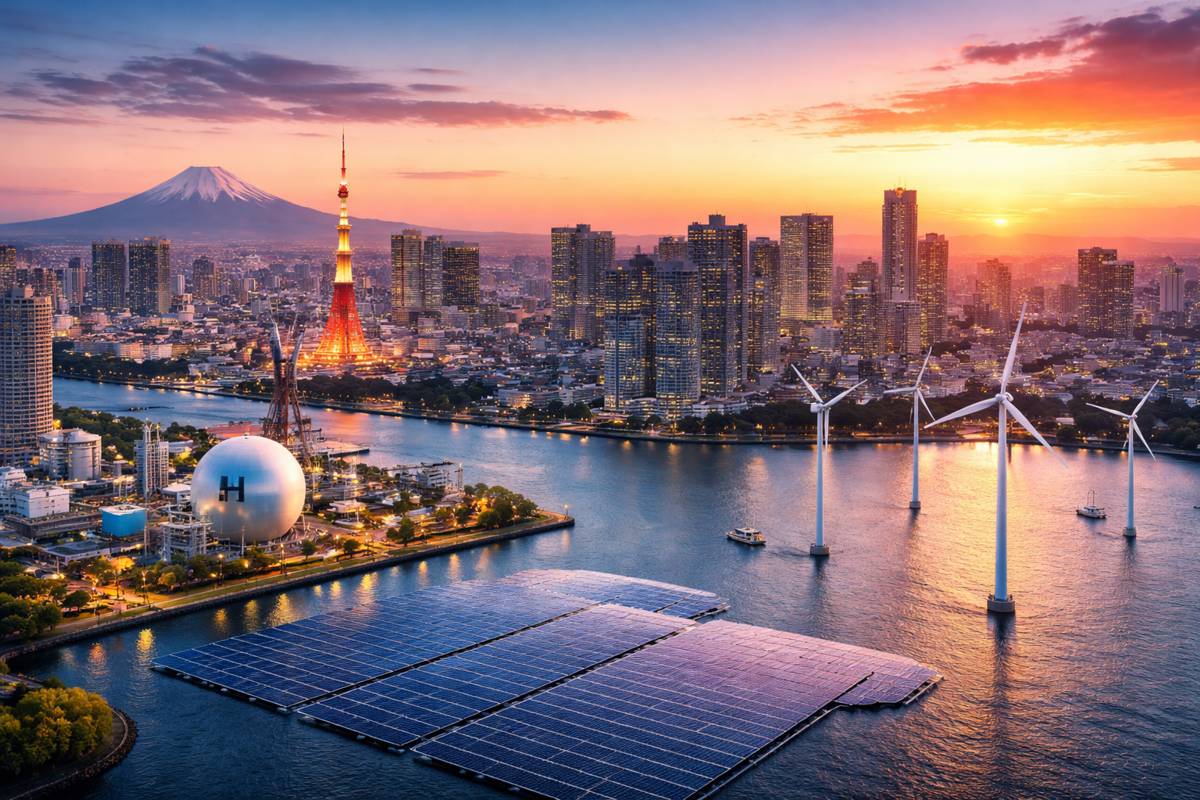
Japan, despite limited land availability, has become one of the largest solar markets in Asia. Floating solar installations, rooftop systems and high-efficiency photovoltaic modules are among the technologies expected to feature prominently at the event.
Wind energy is another key component of the transition. Offshore wind in particular has emerged as a strategic priority for Japan and several neighbouring countries. Advances in turbine technology, floating offshore platforms and digital monitoring systems are making it increasingly viable to harness wind resources in deeper waters.
Yet renewable energy generation alone cannot deliver a reliable power system. Smart grid technologies are becoming essential for managing complex energy networks that combine decentralised generation, storage and electric vehicles.
Smart Energy Week will highlight a range of grid modernisation technologies including:
- Digital monitoring and grid analytics platforms
- Advanced power electronics and inverters
- Distributed energy management systems
- AI-driven forecasting for renewable generation
These tools allow grid operators to manage increasingly dynamic power flows while maintaining stability and reliability.
Major Industrial Players Driving Innovation
The exhibition’s credibility is reinforced by the participation of some of Japan’s most influential industrial and energy companies. Major organisations including JERA, Toyota Motor Corporation, Mitsubishi Heavy Industries, Honda Motor Co., Tokyo Gas, Kawasaki Heavy Industries, GS Yuasa, Taisei Corporation, IHI Corporation and BYD Energy Storage are expected to showcase technologies aligned with the energy transition.
These companies represent a wide cross-section of industries that are rapidly adapting to a decarbonised future. Automotive manufacturers are expanding into electric mobility and hydrogen fuel cell systems. Engineering conglomerates are developing large-scale hydrogen production facilities and carbon capture solutions. Energy utilities are investing in advanced grid infrastructure and storage systems.
The convergence of these sectors reflects a broader shift in the global energy industry. Electricity generation, mobility, infrastructure and digital technologies are increasingly interconnected. Innovations in one sector often ripple across multiple industries.
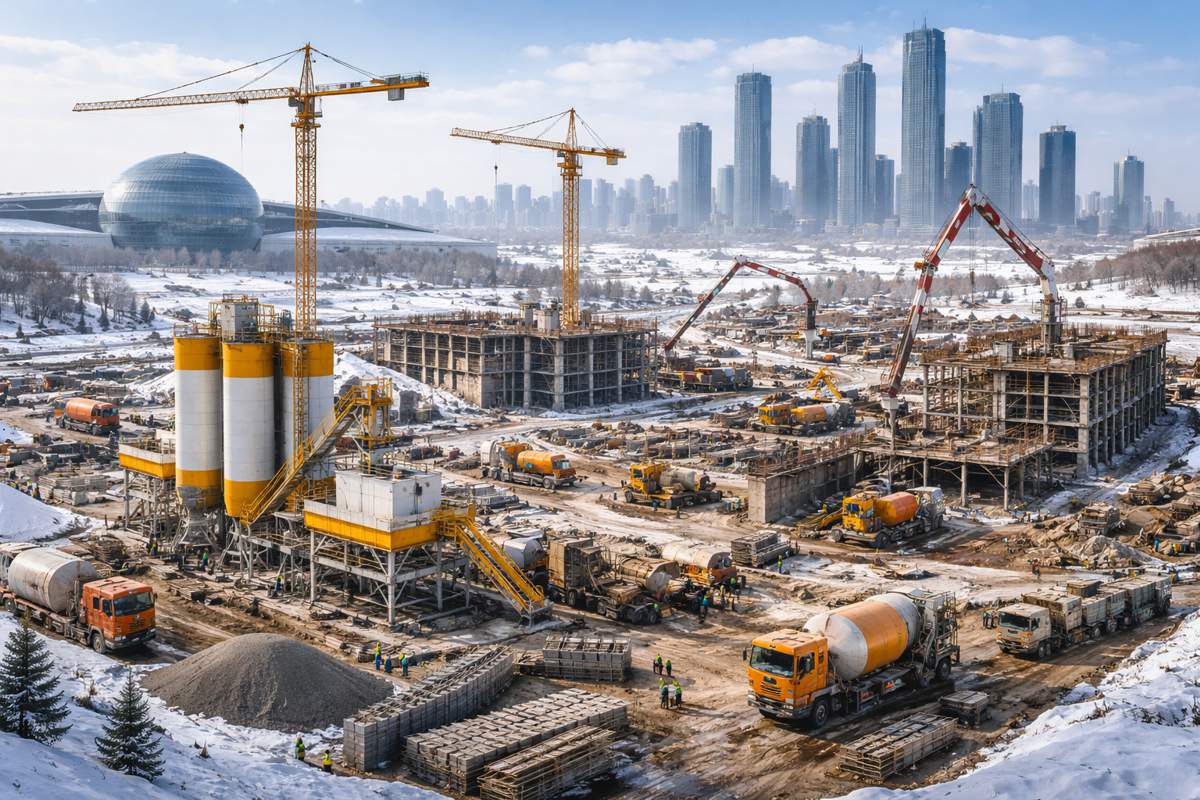
For construction firms and infrastructure developers, this trend carries major implications. New energy systems require new physical infrastructure. Hydrogen pipelines, offshore wind foundations, battery storage facilities and transmission networks are all large-scale construction projects in their own right.
Sustainability Management Expands the Conversation
Running alongside the energy exhibition is Sustainability Management Week, previously known as Green Transformation Week. This co-located event broadens the conversation beyond energy technologies to include corporate sustainability strategies and circular economy initiatives.
Businesses across nearly every sector are now under pressure to reduce emissions, improve resource efficiency and demonstrate measurable environmental performance. As a result, sustainability has moved from a peripheral concern to a core strategic priority for corporate leadership.
Sustainability Management Week focuses on technologies and systems that support this transformation, including:
- Carbon accounting and emissions monitoring platforms
- Sustainable materials and circular manufacturing systems
- Supply chain transparency tools
- Energy management technologies for industrial facilities
By hosting these exhibitions alongside Smart Energy Week, organisers create an environment where energy infrastructure solutions intersect with broader sustainability strategies.
This integrated perspective reflects a growing reality. Energy systems cannot be decarbonised in isolation. Industrial processes, logistics networks and urban infrastructure must evolve simultaneously.
Asia Emerging as a Clean Technology Powerhouse
Smart Energy Week also highlights Asia’s rapidly expanding influence in the global clean technology market. Countries including Japan, China and South Korea have invested heavily in renewable energy manufacturing, battery technology and electric mobility.
China in particular has become the world’s largest producer of solar panels, wind turbines and lithium ion batteries. South Korea has established itself as a leader in battery manufacturing and advanced materials. Japan continues to dominate several key sectors including hydrogen technologies and high-efficiency power electronics.
For international companies seeking entry into Asian energy markets, exhibitions like Smart Energy Week offer invaluable insight. They provide direct access to technology suppliers, investors and policymakers shaping regional energy strategies.
The event also attracts utilities, engineering firms and project developers looking to form partnerships. Infrastructure investments in renewable energy, hydrogen production and grid expansion are expected to reach trillions of dollars globally over the coming decades.
Those investments will require collaboration across borders and industries.
A Marketplace for Partnerships and Investment
Beyond the technology displays and conference sessions, Smart Energy Week functions as a major networking platform for the energy sector. Decision makers from utilities, engineering firms, government agencies and technology developers gather to explore partnerships that could shape the next generation of energy infrastructure.
For investors, the event offers a chance to evaluate emerging technologies and identify companies positioned for growth in the rapidly expanding clean energy economy. Venture capital firms and infrastructure funds increasingly monitor developments at industry exhibitions to spot promising innovations.
For policymakers, the event provides insight into how technologies are progressing from concept to commercial deployment. Understanding these developments helps governments design regulatory frameworks that accelerate innovation while maintaining energy security.
And for engineers and infrastructure professionals, Smart Energy Week serves as a window into the technologies that will influence project design for decades to come.
Turning Decarbonisation Ambitions into Real Projects
The transition to a low-carbon energy system is often discussed in abstract terms. Net zero targets, climate agreements and policy roadmaps dominate headlines. Yet achieving those goals ultimately depends on tangible infrastructure projects and deployable technologies.
Smart Energy Week Spring 2026 provides a glimpse into how that transition is unfolding in practice. Hydrogen systems, battery storage, renewable power generation and smart grid technologies are moving steadily from pilot projects toward large-scale deployment.
Events like this reveal the practical side of the energy transition. They show how engineers, manufacturers and policymakers are translating climate commitments into real systems that can power cities, industries and transportation networks.
As the exhibition opens its doors in Tokyo, the message is clear. The technologies shaping tomorrow’s energy landscape are already taking form today, and the global infrastructure community is paying close attention.