Colombia Advances Rail Revival with Villavicencio to Puerto Gaitán Corridor
Colombia has taken a decisive step towards reshaping its transport infrastructure with the launch of feasibility studies for the Villavicencio to Puerto Gaitán railway corridor. Spearheaded by the government of President Gustavo Petro and delivered through the National Infrastructure Agency, the initiative signals a broader shift towards rail as a backbone for economic development, logistics efficiency and regional integration.
At 193.5 kilometres in length, the proposed corridor is far more than a regional transport upgrade. It sits at the intersection of agricultural expansion, intermodal connectivity and long-term infrastructure planning in one of Colombia’s most resource-rich but logistically constrained regions. If realised, it could mark a turning point in how the country moves bulk commodities across its vast interior.
Rebalancing Colombia’s Transport Mix
Colombia’s transport system has long been dominated by road freight, with over 70 percent of cargo moved by truck. While this has provided flexibility, it has also exposed structural inefficiencies, including high logistics costs, congestion and vulnerability to weather disruptions, particularly in mountainous and rural regions.
Against that backdrop, the Villavicencio to Puerto Gaitán railway corridor represents part of a wider effort to rebalance the modal split. Rail offers clear advantages for bulk commodities such as grains, fuels and minerals, delivering lower per tonne transport costs, improved energy efficiency and reduced emissions compared to road haulage.
The Meta department, where the corridor will be developed, is a critical agricultural hub within Colombia’s Llanos Orientales region. However, despite its production capacity, the region has historically been constrained by limited transport infrastructure. By introducing a dedicated freight railway, policymakers aim to unlock latent economic potential while reducing dependency on long-distance trucking routes.
A Corridor Built Around Agricultural Growth
At its core, the railway is designed to support the movement of agricultural commodities, particularly soybeans and corn. These crops are central to Colombia’s ambitions to strengthen food security and expand agro-industrial exports.
The pre-feasibility study estimates annual cargo volumes ranging from 388 to 932 tonnes by 2080. While these figures may appear modest in global terms, they reflect a long-term growth trajectory aligned with regional development plans. More importantly, they underscore the strategic intent behind the project, which is to create scalable infrastructure capable of supporting future agricultural expansion.
Globally, similar rail investments in agricultural regions have demonstrated their ability to transform supply chains. In Brazil, for example, rail corridors connecting inland farms to export terminals have significantly reduced logistics costs and improved competitiveness in global grain markets. Colombia appears to be drawing lessons from such models as it looks to strengthen its own agro-logistics network.
Engineering Scope and Technical Ambition
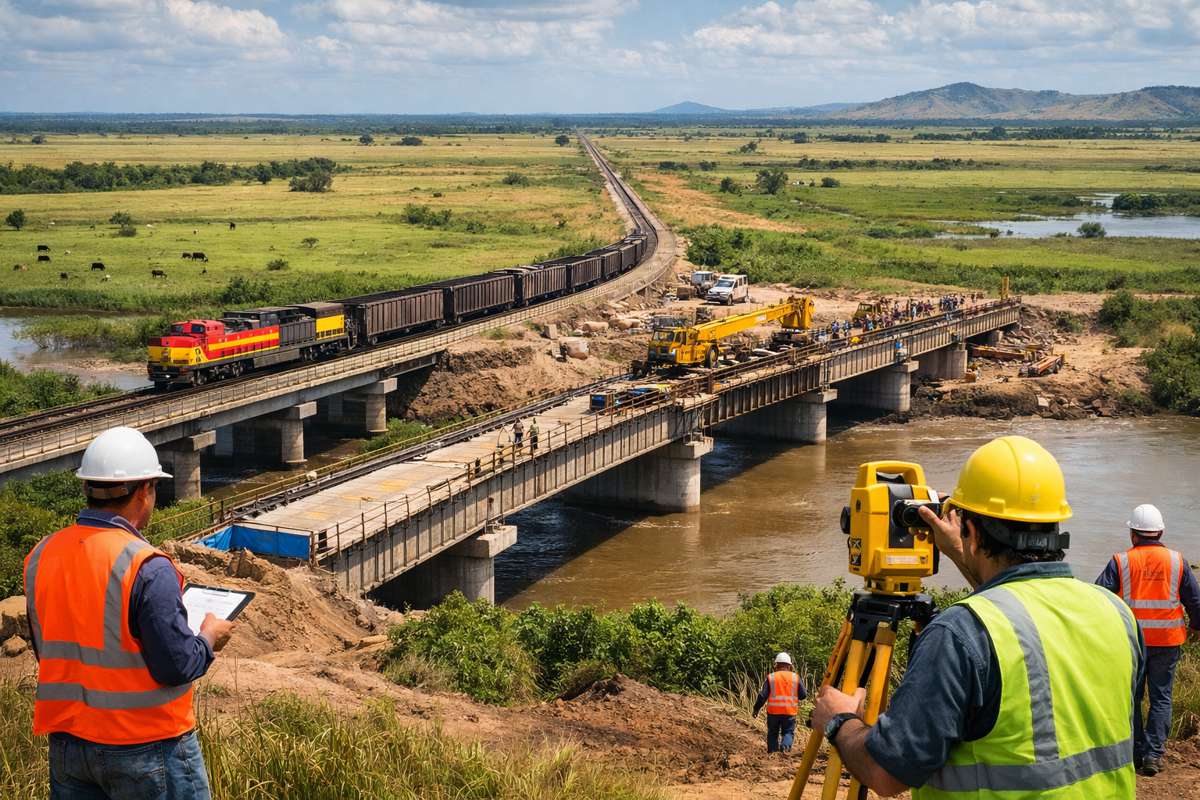
The proposed corridor includes not only 193.5 kilometres of track but also 18 kilometres of bridges, highlighting the engineering complexity involved in traversing river systems and flood-prone plains. The Llanos region is characterised by seasonal variations, requiring infrastructure that can withstand fluctuating water levels and challenging soil conditions.
To move the project from concept to feasibility, two consortia have been appointed to deliver detailed studies. The Meta Railway Consortium will oversee Lot 1, covering the Villavicencio to Puerto López section, while the Railway Connection Consortium will handle Lot 2, extending from Puerto López to Puerto Gaitán.
Their remit is extensive. Each consortium will conduct demand analysis, environmental and social assessments, land studies, engineering design and operational planning. They will also evaluate intermodal integration, ensuring the railway can connect seamlessly with existing road networks and potential future logistics hubs.
Oversight will be provided by the Llanos Railway Consortium, ensuring compliance with technical, environmental and contractual standards. This layered governance approach reflects the increasing complexity of modern infrastructure delivery, where transparency and accountability are as critical as engineering excellence.
Investment in Planning as a Strategic Signal
The total cost of the feasibility studies stands at COP 60.551 billion, with COP 52.811 billion allocated to consulting services and COP 7.739 billion for oversight. While modest compared to full construction costs, this investment represents a crucial phase in the project lifecycle.
Feasibility studies are often where projects succeed or fail. They determine not only technical viability but also financial sustainability, environmental compliance and social acceptance. By committing significant resources to this stage, Colombia is signalling a more disciplined approach to infrastructure planning.
Timelines have also been clearly defined. The feasibility study for Lot 1 is expected within seven months, while Lot 2 will require ten months. These relatively tight deadlines suggest a sense of urgency, likely driven by both economic priorities and political momentum.
Integrating Rail into a Broader Logistics Ecosystem
One of the most notable aspects of the project is its focus on intermodal systems. Rather than viewing rail as a standalone solution, planners are considering how it will integrate with roads, storage facilities and potentially river transport.
This approach aligns with global best practice, where efficient logistics networks rely on seamless connections between multiple modes of transport. In regions like North America and Europe, intermodal hubs have become critical nodes for moving goods efficiently across long distances.
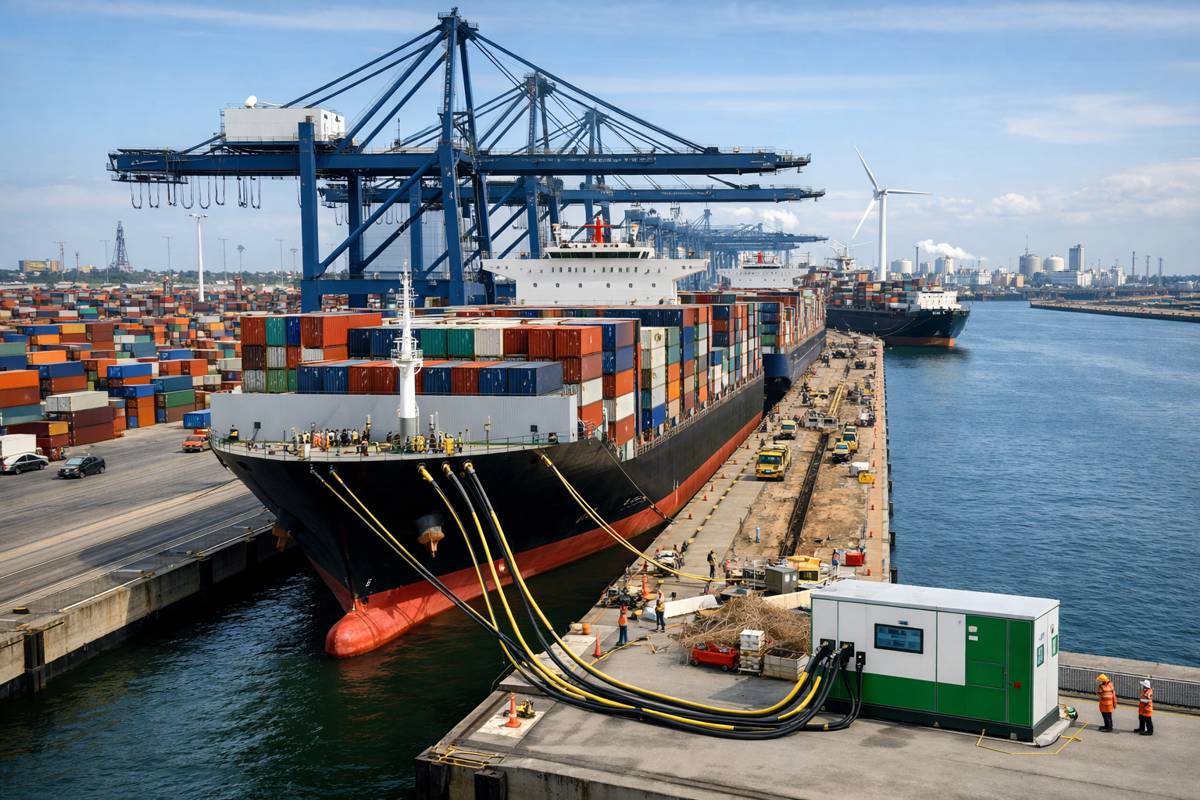
For Colombia, developing such systems could significantly reduce bottlenecks, improve supply chain reliability and attract private investment. It also opens the door to future expansions, including connections to ports or integration with other planned rail corridors.
Environmental and Social Considerations Take Centre Stage
Modern infrastructure projects are no longer judged solely on their economic impact. Environmental sustainability and social inclusion have become central to project approval and long-term success.
The feasibility studies will therefore include detailed assessments of environmental impact, land use and community engagement. In a region like the Llanos, which is home to diverse ecosystems and rural communities, these considerations are particularly important.
Rail transport itself offers inherent environmental benefits, including lower greenhouse gas emissions per tonne-kilometre compared to road transport. However, construction activities and land acquisition can present challenges that must be carefully managed.
By embedding these considerations early in the planning process, Colombia is aligning the project with international standards and improving its chances of securing financing from multilateral institutions or private investors.
Long-Term Economic and Regional Impact
The Villavicencio to Puerto Gaitán railway corridor is expected to have far-reaching implications for regional development. Improved transport infrastructure can stimulate investment, create jobs and enhance connectivity between urban and rural areas.
For the Meta department, the railway could serve as a catalyst for industrial growth, supporting not only agriculture but also sectors such as energy and logistics. Puerto Gaitán, in particular, has strategic importance due to its proximity to oil fields and expanding agricultural zones.
At a national level, the project contributes to Colombia’s broader strategy of modernising its infrastructure and reducing logistics costs, which currently account for a significant share of GDP compared to more developed economies.
Rail Revival Gains Momentum in Latin America
Colombia’s renewed interest in rail is part of a wider trend across Latin America. Countries such as Mexico, Brazil and Argentina are investing in rail infrastructure to improve competitiveness and reduce reliance on road transport.
These investments are often driven by similar factors, including the need to move bulk commodities efficiently, reduce environmental impact and support regional development. As global supply chains evolve, rail is increasingly seen as a resilient and cost-effective mode of transport.
In this context, the Villavicencio to Puerto Gaitán corridor is not an isolated project but part of a broader regional shift. Its success could encourage further rail investments within Colombia, potentially leading to a more integrated national network.
Laying the Tracks for Future Growth
While the project is still in the feasibility stage, its significance is already clear. It represents a strategic investment in Colombia’s future, addressing long-standing infrastructure gaps while positioning the country for sustained economic growth.
By focusing on planning, integration and sustainability, the initiative reflects a more mature approach to infrastructure development. It acknowledges that building transport networks is not just about laying tracks, but about creating systems that support people, industries and economies over the long term.
If the feasibility studies confirm its viability, the Villavicencio to Puerto Gaitán railway corridor could become a cornerstone of Colombia’s logistics network, reshaping how goods move across the country and reinforcing the role of rail in the 21st century.