Regulation Is Quietly Engineering the Future of Autonomous Logistics
Across Europe’s transport corridors, something fundamental is shifting. It is not being driven by flashy technology launches or bold announcements about self-driving trucks. Instead, it is being shaped quietly, almost methodically, through regulation. Systems like Poland’s SENT system are not simply compliance tools. They are laying the digital foundations upon which the next generation of logistics will be built.
For construction, infrastructure and industrial supply chains, this shift carries real weight. The movement of materials, fuels and equipment has always been complex. Now, it is becoming transparent, traceable and increasingly automated. What looks like regulatory tightening today may, in fact, be the early architecture of autonomous logistics tomorrow.
From Oversight to Infrastructure in Its Own Right
At first glance, systems like SENT are about control. Governments want to monitor the movement of high-risk goods, reduce tax evasion and ensure compliance. That much is clear. Yet the mechanism they are using tells a deeper story.
By requiring real-time tracking, digital reporting and verifiable transport data, regulation is effectively turning compliance into infrastructure. It is no longer an administrative layer sitting on top of logistics. It is becoming embedded within it.
For infrastructure projects, this matters. Large-scale construction depends on predictable, reliable flows of materials. Cement, aggregates, fuels and specialised components must arrive on time and in the right quantities. When regulatory systems enforce real-time visibility, they also create a more stable supply chain environment.
That stability is valuable. It reduces uncertainty, improves planning and strengthens accountability across the entire project lifecycle.
Digitisation First, Automation Later
There is a tendency to jump straight to the idea of autonomous trucks replacing drivers. In reality, the transition is far more incremental. Before automation can scale, the entire logistics ecosystem must be digitised.
That is exactly what regulatory frameworks are forcing.
Every shipment must be:
- Digitally registered
- Continuously tracked
- Verified through connected systems
Every vehicle becomes a data source. Every journey becomes a digital record. Every deviation becomes visible.
This level of standardisation is not optional. It is enforced. And once it is in place, the technical barriers to automation begin to fall away.
In that sense, regulation is not reacting to technology. It is preparing the ground for it.
Connected Vehicles Become Compliance Platforms
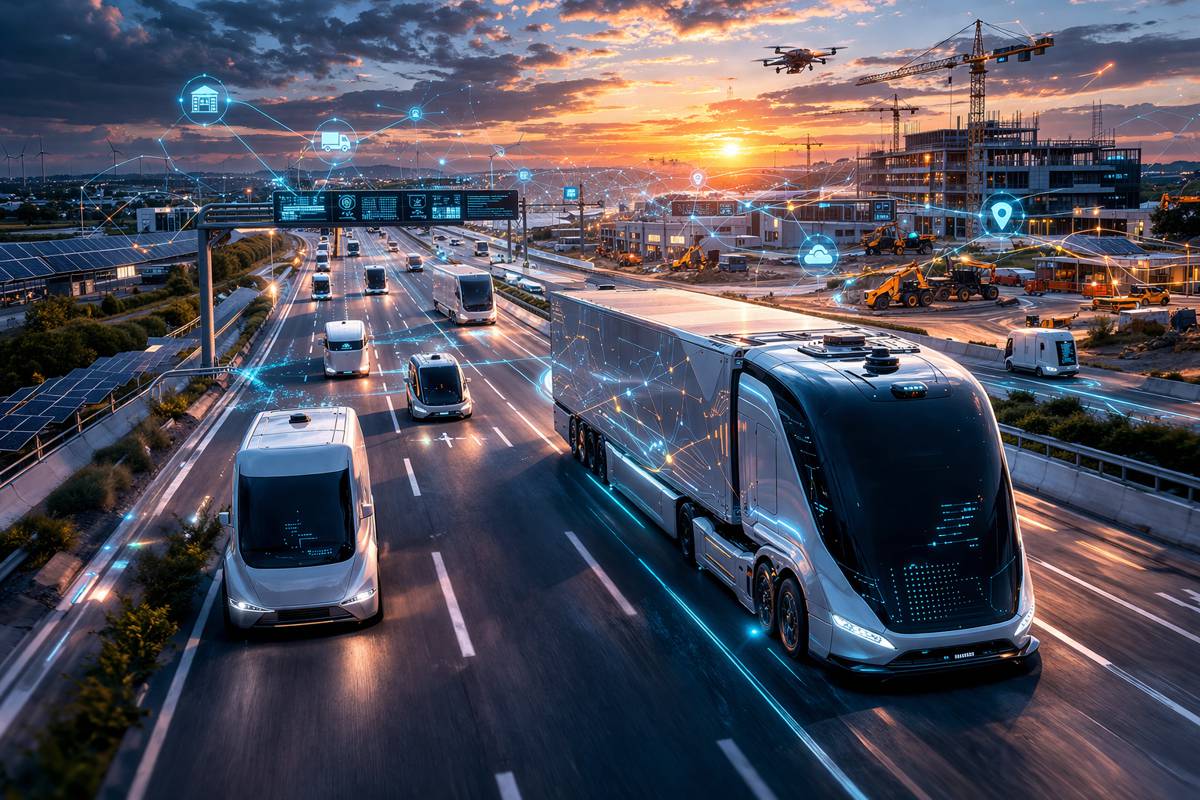
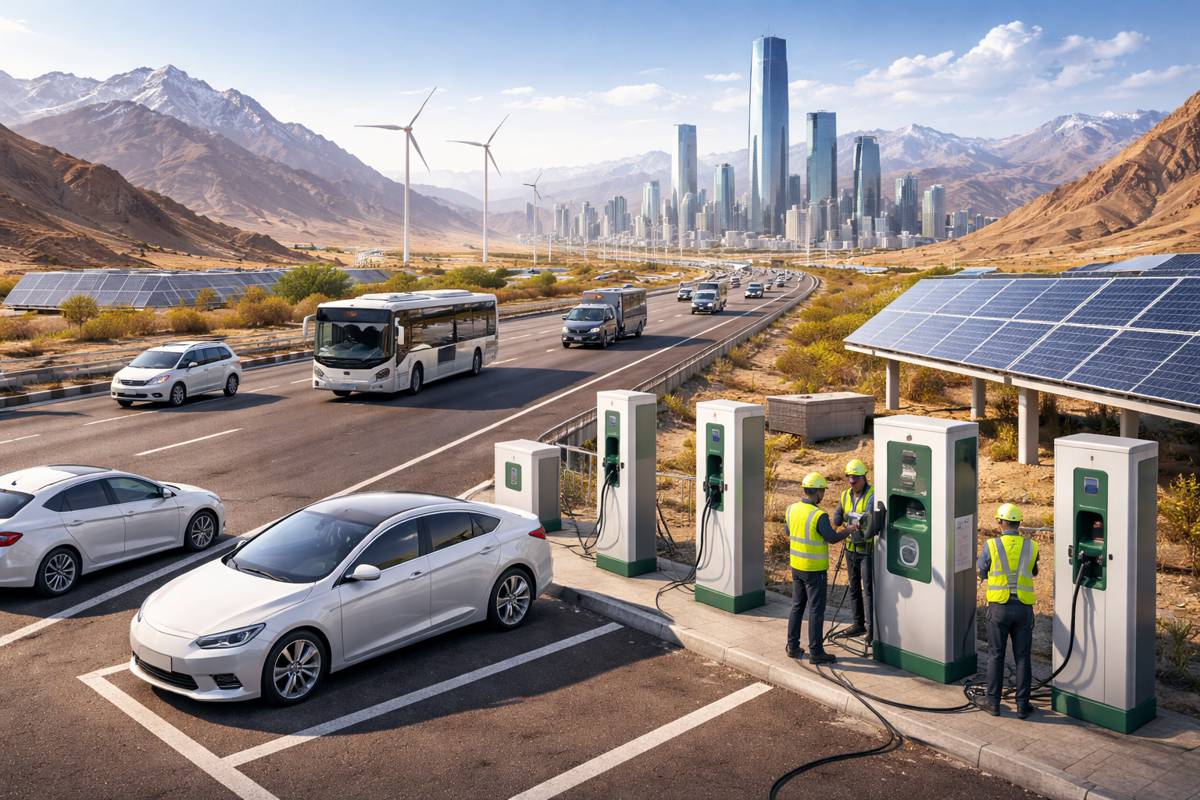
The role of the vehicle itself is changing rapidly. Modern trucks are no longer just mechanical assets. They are connected, software-driven platforms capable of integrating multiple services.
This is where companies like AiDEN Automotive and Volvo Trucks are quietly redefining the landscape. By embedding compliance directly into the vehicle’s digital systems, they remove the need for external hardware and fragmented solutions.
The implications are significant. Compliance becomes seamless. Drivers are no longer required to manage multiple devices or processes. Fleet operators gain a unified view of operations. Data flows become cleaner and more reliable.
More importantly, the vehicle becomes an active participant in the regulatory ecosystem. It is no longer just being monitored. It is reporting, validating and interacting in real time.
The Economic Divide Is Already Emerging
While the technology itself is impressive, the real story lies in its impact on market structure. Regulation tends to favour those who can adapt quickly and at scale.
Large, well-integrated operators are in a strong position. They can invest in connected fleets, integrate compliance systems and align with evolving regulatory frameworks. For them, regulation can even become a competitive advantage.
Smaller operators face a different reality. The cost and complexity of compliance can be challenging. Without integrated systems, they risk being pushed to the margins.
This is not about technology replacing people. It is about systems reshaping participation.
The divide is not between human and machine. It is between those inside the digital ecosystem and those outside it.
Construction and Infrastructure Feel It First
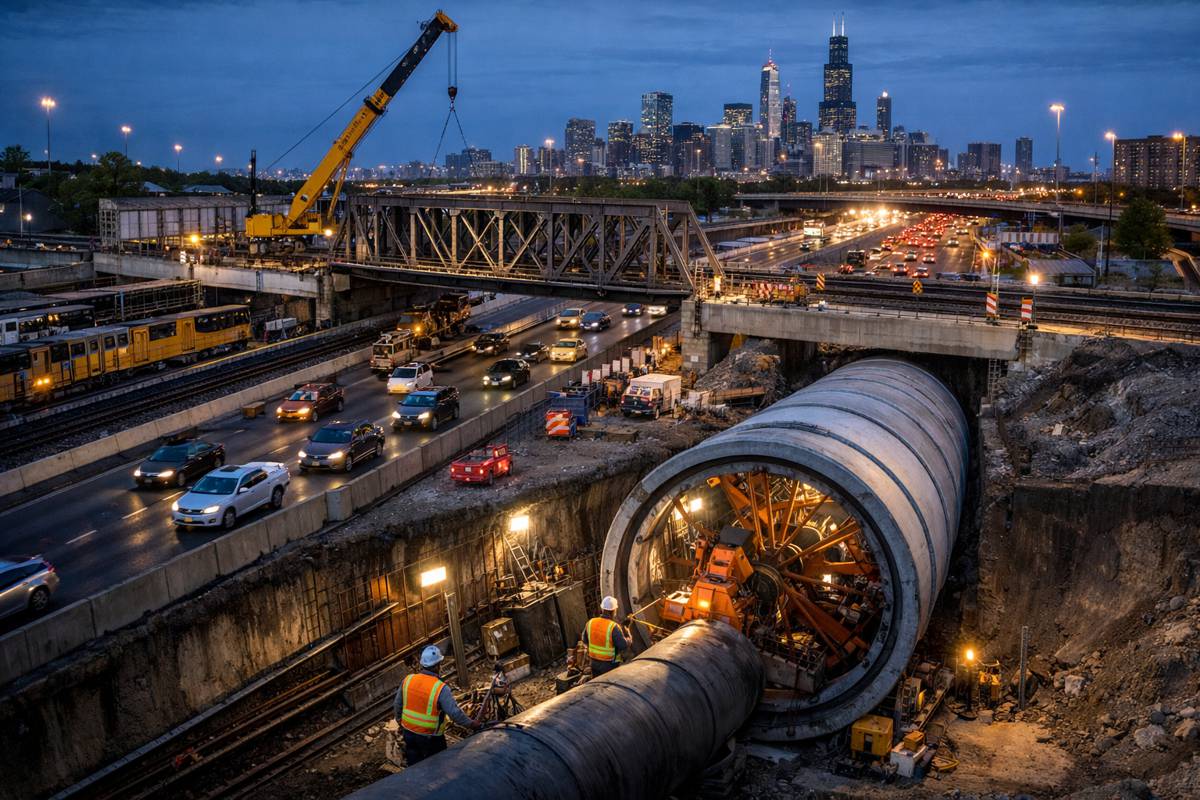
Few sectors are as exposed to this shift as construction and infrastructure. These industries rely heavily on the movement of bulk materials across borders and jurisdictions.
Governments are increasingly demanding:
- Full traceability of materials
- Verified transport routes
- Compliance with environmental and fiscal regulations
For major projects, compliance is no longer negotiable. It is a prerequisite for participation.
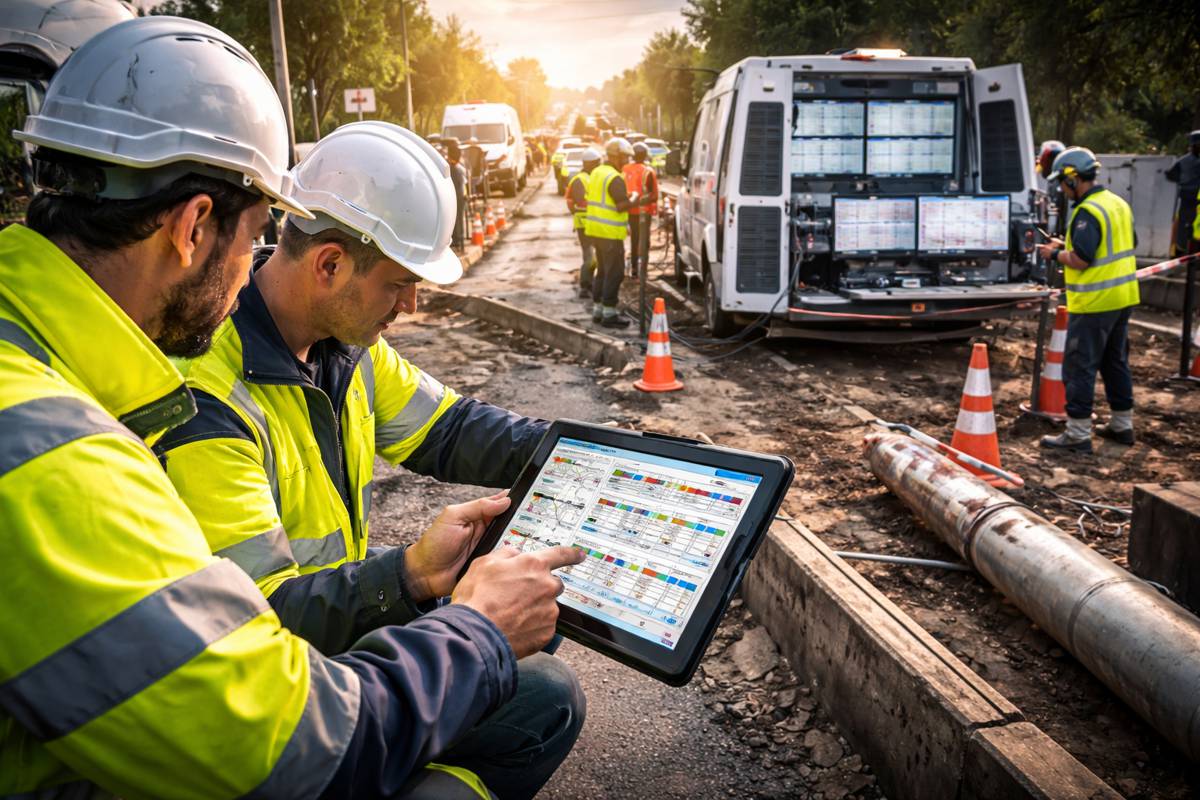
This has knock-on effects for procurement, project finance and risk management. Investors and contractors alike are placing greater emphasis on transparency and accountability. Digital compliance systems provide the data needed to support those requirements.
In practical terms, this means logistics providers must evolve. Those who cannot demonstrate compliance in real time may find themselves excluded from high-value projects.
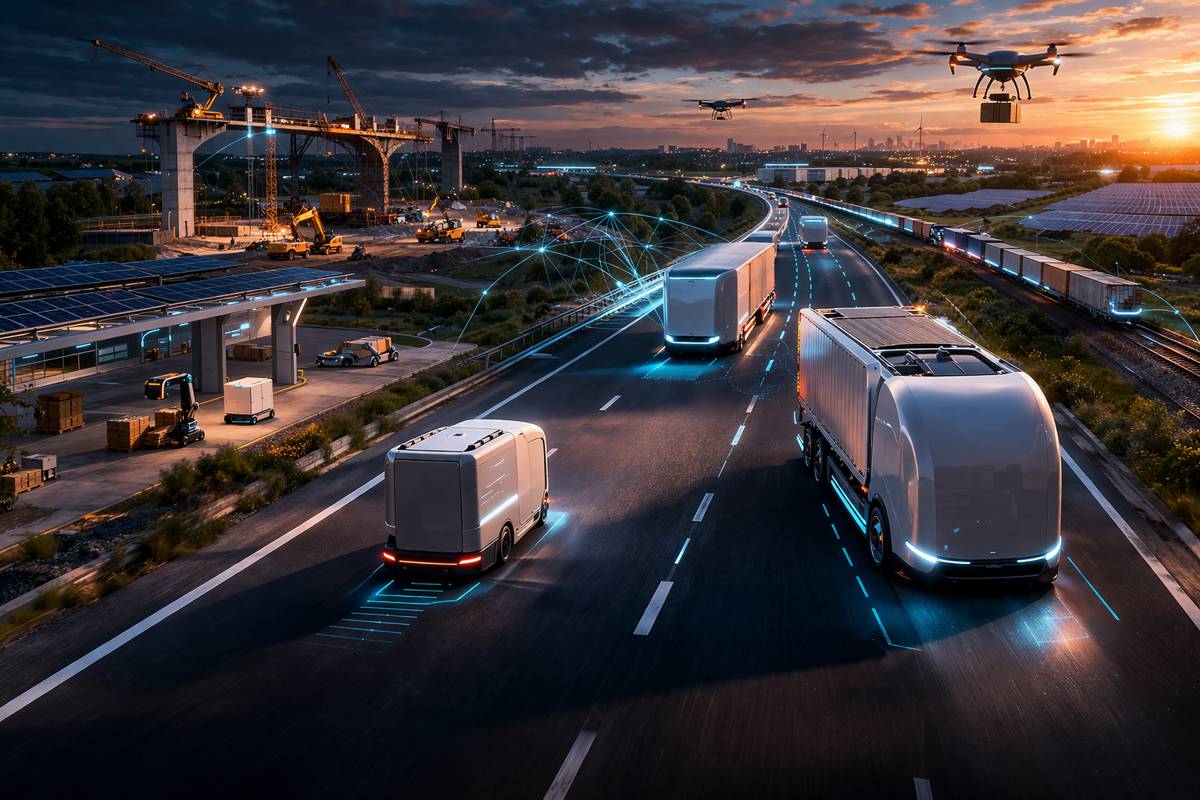
Data Becomes the New Logistics Currency
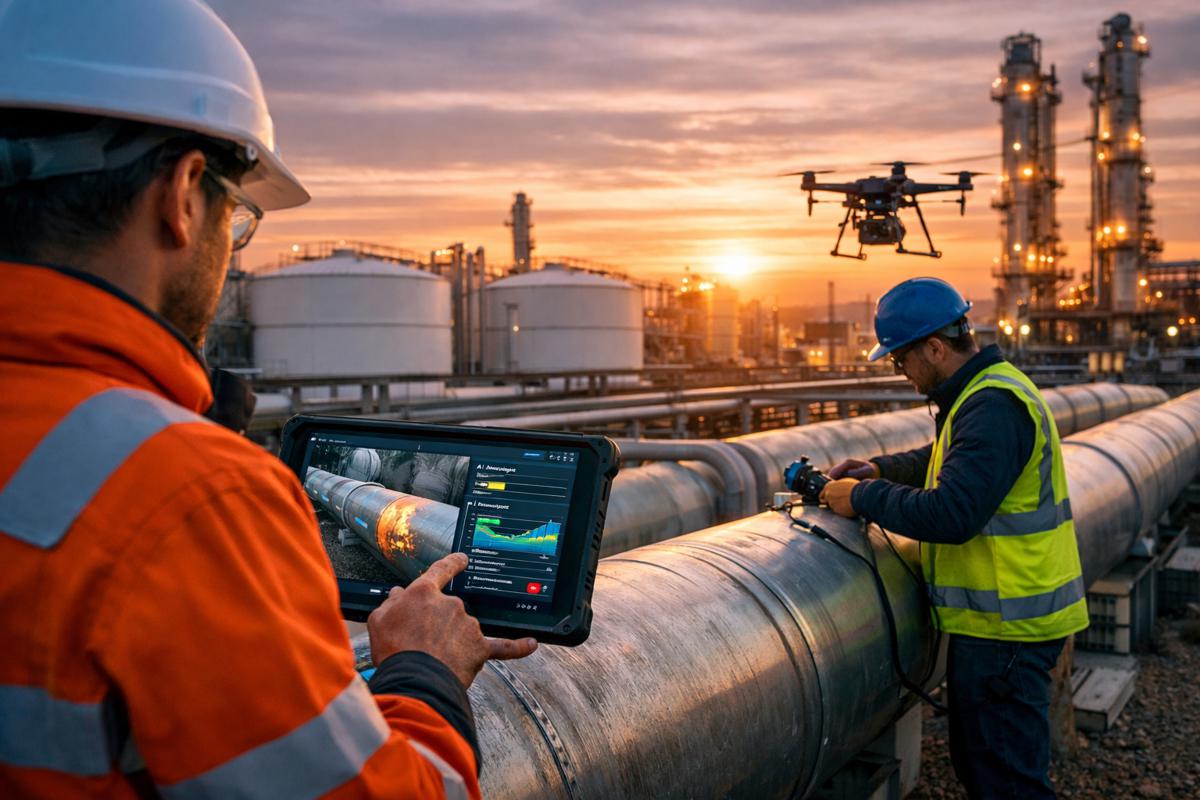
As regulatory systems mature, data is emerging as the most valuable asset in logistics. It is no longer just about moving goods from A to B. It is about understanding how, when and where those goods move.
Connected vehicle platforms enable:
- Real-time route optimisation
- Predictive maintenance
- Enhanced safety monitoring
- Integration with infrastructure systems
This data-driven approach aligns with broader trends across Europe. According to the European Automobile Manufacturers Association, connected and intelligent transport systems are becoming central to improving efficiency and reducing emissions.
Regulation accelerates this trend by ensuring that data is not optional. It is required.
Automation Is a Consequence, Not the Starting Point
The conversation around autonomous logistics often focuses on vehicles. In truth, vehicles are only one piece of the puzzle.
Automation requires:
- Standardised data
- Connected infrastructure
- Integrated regulatory systems
Without these elements, autonomy cannot scale safely or reliably.
What systems like SENT are doing is building those foundations. They are creating an environment where automation becomes feasible.
This does not mean drivers will disappear overnight. Far from it. Europe continues to face a shortage of skilled drivers, and the transition to full autonomy will take time.
However, the role of the driver is already evolving. It is shifting from manual operation towards system oversight, supported by digital tools and automated processes.
A More Controlled, More Predictable Future
For policymakers, the benefits of this transformation are clear. Greater transparency reduces fraud. Real-time data improves enforcement. Standardisation enhances cross-border cooperation.
For industry, the picture is more complex. Increased regulation can feel restrictive. Yet it also creates opportunities.
- More predictable supply chains
- Better integration with infrastructure systems
- Enhanced operational efficiency
Those who embrace the shift stand to gain. Those who resist it may struggle to remain competitive.
The Quiet Transformation of Logistics
What makes this moment particularly interesting is its subtlety. There is no single breakthrough or defining announcement. Instead, change is happening through a series of regulatory steps, each building on the last.
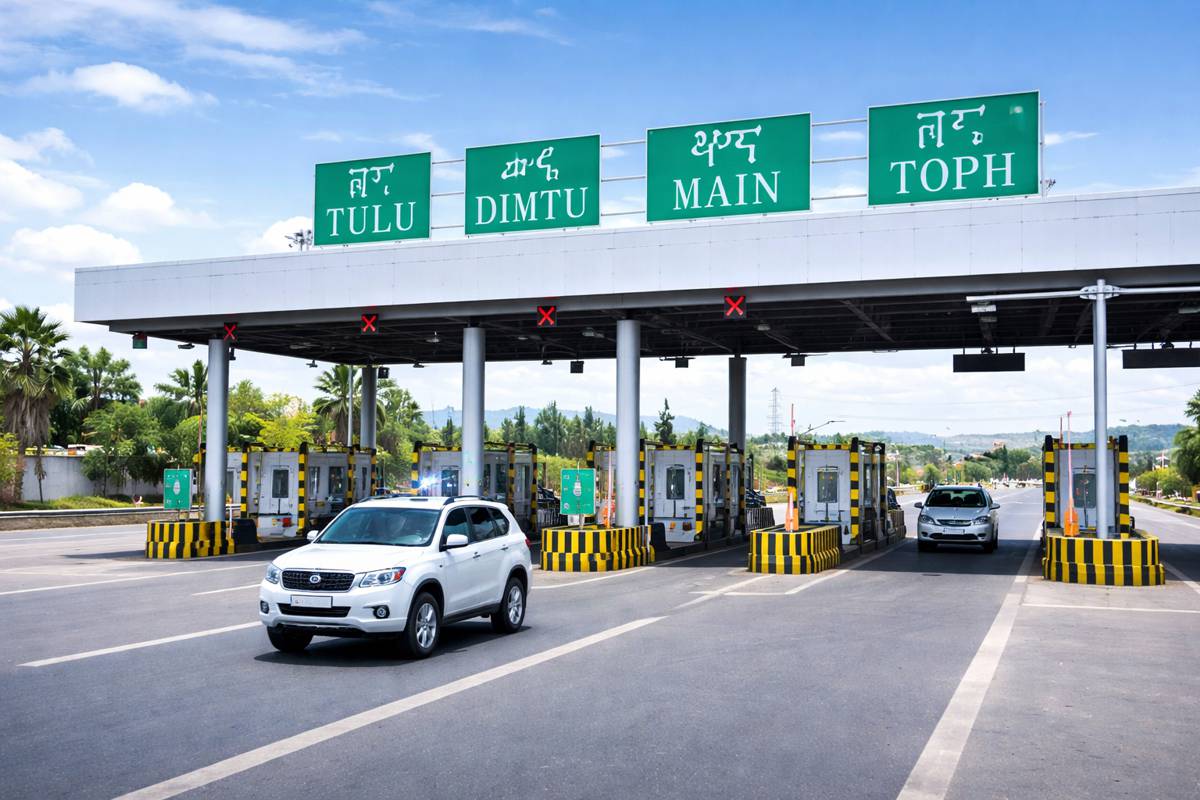
Poland’s SENT system is one example, but it is part of a wider European trend. Governments are moving towards fully digital, connected transport ecosystems.
In doing so, they are reshaping logistics from the ground up.
Building the Framework for What Comes Next
In the years ahead, the integration of regulation, connectivity and automation will continue to deepen. Vehicles will interact more directly with infrastructure. Data will flow more freely across borders. Compliance will become increasingly automated.
For the construction and infrastructure sectors, this will redefine how projects are planned and delivered. Logistics will no longer be a supporting function. It will be a fully integrated, data-driven component of the infrastructure ecosystem.
Regulation may be the catalyst, but the outcome is something much broader. A transport system that is smarter, more transparent and ultimately more autonomous.
And while it may not feel like it yet, the future of logistics is already being engineered, one regulation at a time.