Sri Lanka Positions Graphite at the Heart of its Industrial Future
Sri Lanka has taken a decisive step to reposition one of its most valuable natural resources within the global industrial supply chain. By inviting private sector participation in the integrated development of the Kahatagaha Graphite Mine, the government is signalling a shift away from raw material exports toward a more sophisticated, value-driven industrial strategy.
At first glance, the announcement may read like a conventional mining tender. In reality, it reflects something far more consequential. As global demand for battery materials, energy storage technologies and advanced manufacturing inputs accelerates, graphite has emerged as a critical mineral. Sri Lanka’s move to structure this project as a Public Private Partnership with downstream processing ambitions places it squarely within a rapidly evolving geopolitical and industrial landscape.
Graphite’s Strategic Importance in a Changing Global Economy
Graphite is no longer just a commodity used in lubricants and pencils. It has become a cornerstone material in lithium-ion batteries, electric vehicles, renewable energy storage systems and advanced electronics. According to international energy agencies and industry analysts, demand for battery-grade graphite is expected to grow several-fold over the coming decade as electrification gathers pace.
What makes graphite particularly significant is its role in battery anodes, where it accounts for a substantial portion of the material composition. As countries race to secure supply chains for electric mobility and grid storage, control over graphite resources and processing capacity has become a strategic priority.
Sri Lanka holds a unique position in this landscape. It is one of the few countries producing high-purity vein graphite, a rare form that commands premium value due to its natural crystallinity and performance characteristics. Unlike flake graphite, which requires extensive processing, vein graphite offers efficiency advantages in certain high-end applications, making it highly sought after in niche markets.
A Public Private Partnership Model Built for Long Term Value
The structure of the Kahatagaha project reveals a deliberate attempt to balance national ownership with private sector efficiency. The government will retain majority control through a Special Purpose Vehicle, while the selected investor will bring capital, technical expertise and operational capabilities.
This model reflects a broader trend in infrastructure and resource development, where governments are increasingly using PPP frameworks to raise the project finance to de-risk projects while maintaining strategic oversight. For Sri Lanka, this approach ensures that the long-term value of its graphite resources remains anchored within the country, while still benefiting from global expertise.
The private partner’s responsibilities go well beyond financial investment. They will be tasked with conducting detailed geological exploration to confirm reserves, designing and implementing mine expansion plans, and introducing modern extraction and processing technologies. In effect, the investor becomes both a technical operator and a strategic partner in building a vertically integrated graphite industry.
From Resource Extraction to Value Added Manufacturing
Perhaps the most significant aspect of the project lies in its emphasis on value addition. Rather than exporting raw graphite, the initiative aims to establish facilities capable of producing higher-value graphite-based products.
This shift aligns with a wider global push among resource-rich nations to capture more of the value chain domestically. By developing processing capabilities, countries can move from being price-takers in commodity markets to active participants in advanced manufacturing ecosystems.
For Sri Lanka, this could mean producing battery-grade graphite, expanded graphite, or even precursor materials for energy storage technologies. While the exact product mix will depend on market conditions and investor expertise, the intent is clear. The country is positioning itself not just as a supplier of raw materials, but as a contributor to the technologies shaping the future of energy and mobility.
Modernising Underground Mining for Efficiency and Safety
The Kahatagaha Graphite Mine, one of the oldest operating graphite mines in the world, presents both an opportunity and a challenge. Its long history means that much of its infrastructure requires modernisation to meet contemporary standards of efficiency, safety and environmental performance.
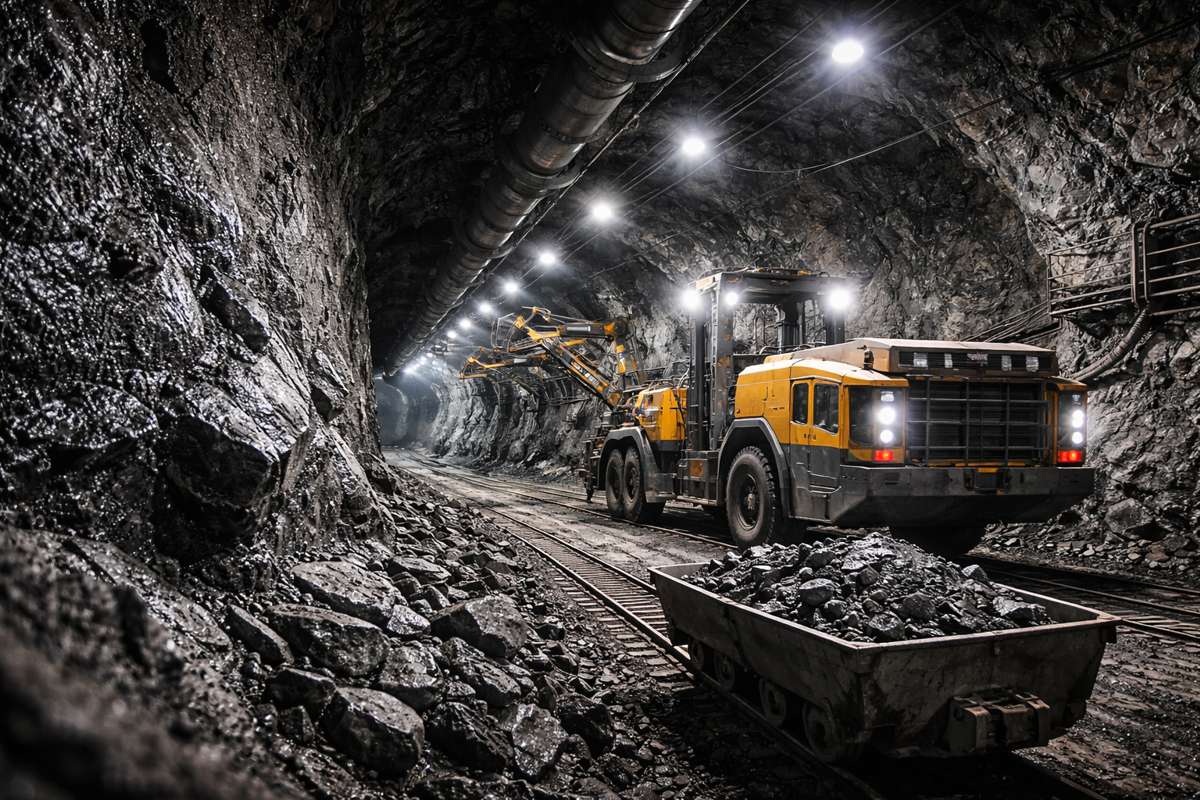
The project’s scope includes comprehensive upgrades to underground mining systems, from improved access tunnels and ventilation to advanced extraction techniques. These enhancements are expected to increase productivity while reducing operational risks.
In parallel, the introduction of modern safety technologies will be critical. Mining remains a high-risk industry, and the integration of digital monitoring systems, automation and predictive maintenance tools can significantly improve worker safety and operational reliability.
Such upgrades are not merely technical improvements. They are essential for aligning the mine with international best practices, which in turn enhances its attractiveness to global investors and downstream partners.
Infrastructure, Logistics and Industrial Integration
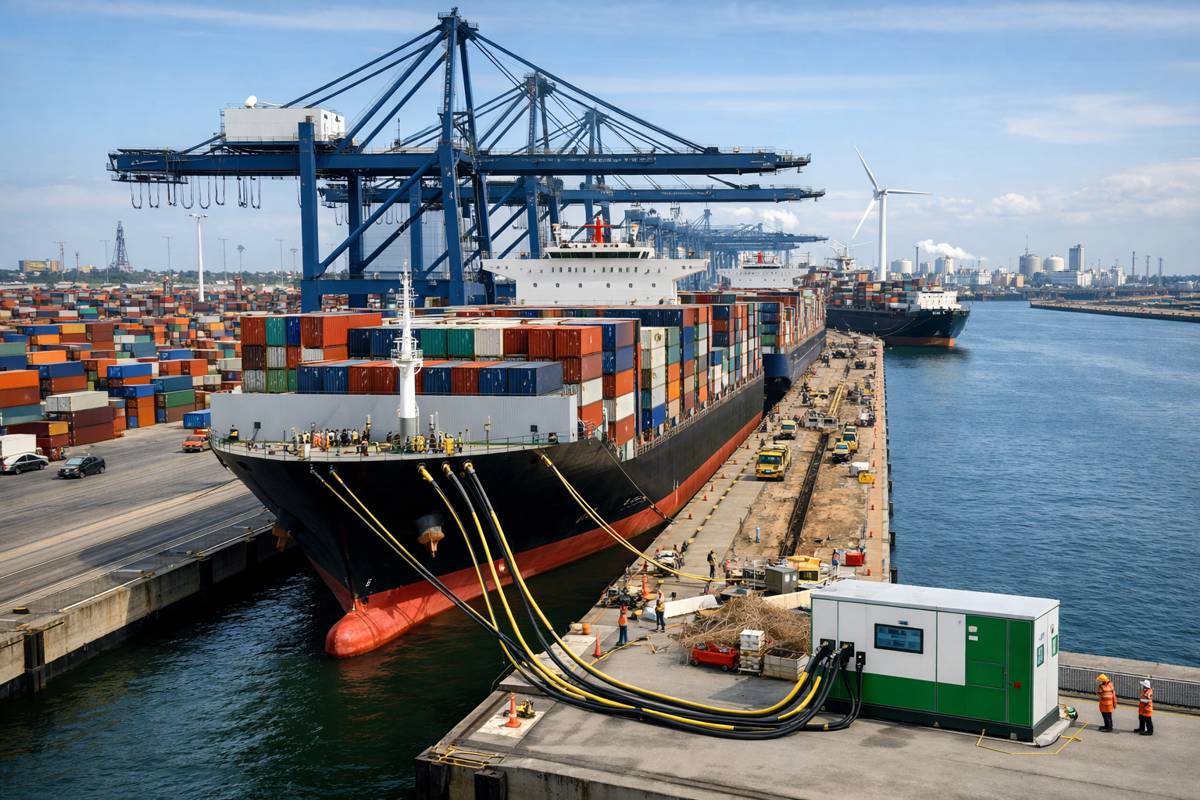
Mining projects rarely exist in isolation. Their success depends on a broader ecosystem of infrastructure, including transport networks, utilities and logistics systems. The Kahatagaha initiative explicitly recognises this by requiring the development of supporting infrastructure for storage, handling and transportation of materials.
This creates potential spillover benefits for the wider economy. Improved logistics can support other industries, while investments in utilities and local infrastructure can stimulate regional development.
Moreover, the integration of mining operations with processing facilities introduces efficiencies that can significantly reduce costs and environmental impact. By locating value-addition plants close to the source of raw materials, the project can minimise transport requirements and streamline production workflows.
Financing, Risk Allocation and Investor Expectations
One of the defining features of the project is the requirement for full private sector financing. This places the financial risk squarely with the investor, while allowing the government to preserve capital for other priorities.
From an investor perspective, this structure demands a clear path to commercial viability. The long-term concession period of 30 years provides the necessary horizon for recovering capital investments and generating returns, particularly given the upfront costs associated with mine development and processing infrastructure.
However, investors will also need to navigate a complex set of risks. These include geological uncertainties, market volatility for graphite prices, regulatory compliance and environmental considerations. The success of the PPP model will depend on how effectively these risks are allocated and managed between the public and private partners.
Environmental Responsibility and Sustainable Mining Practices
Sustainability is no longer optional in mining. Projects that fail to meet environmental and social standards face increasing scrutiny from regulators, investors and local communities.
The Kahatagaha project incorporates environmental assessments and regulatory approvals as core components of its development process. This reflects a growing recognition that responsible resource extraction must balance economic benefits with environmental protection.
Modern mining technologies offer opportunities to reduce environmental impact, from more efficient extraction methods to improved waste management systems. The challenge will be to implement these solutions effectively while maintaining commercial viability.
In addition, the development of value-added processing facilities introduces new environmental considerations, particularly in terms of energy consumption and emissions. Aligning these operations with global sustainability standards will be critical for accessing international markets.
Global Competition and Strategic Positioning
Sri Lanka’s graphite ambitions do not exist in a vacuum. The global graphite market is highly competitive, with major producers including China, Mozambique, Madagascar and Brazil.
China, in particular, dominates the processing segment, controlling a significant share of global graphite refining capacity. This has prompted many countries to seek alternative supply chains, creating opportunities for new entrants.
Sri Lanka’s focus on high-purity vein graphite gives it a competitive edge in certain applications. However, to fully capitalise on this advantage, the country must develop the processing capabilities and industrial partnerships needed to compete on a global scale.
The Kahatagaha project represents a step in that direction. By combining resource development with value-added manufacturing, it aims to position Sri Lanka as a niche but strategically important player in the global graphite market.
Building a Foundation for Future Industrial Growth
Beyond its immediate economic impact, the project has the potential to catalyse broader industrial development. The skills, technologies and infrastructure developed through this initiative could support the growth of related industries, from advanced materials to energy technologies.
This is particularly relevant in the context of the global energy transition. As demand for critical minerals continues to rise, countries that can offer reliable, sustainable and value-added supply chains will be well positioned to attract investment.
For Sri Lanka, the challenge will be to build on this foundation, leveraging the success of the Kahatagaha project to develop a wider ecosystem of industrial capabilities. This could include research and development, partnerships with technology firms and the creation of specialised industrial zones.
A Calculated Step Towards Industrial Transformation
The decision to develop the Kahatagaha Graphite Mine through a PPP framework reflects a pragmatic approach to economic development. It acknowledges the limitations of public sector resources while recognising the need to retain strategic control over critical assets.
More importantly, it signals a shift in mindset. Rather than viewing natural resources as commodities to be exported, Sri Lanka is treating them as building blocks for a more diversified and resilient economy.
If executed effectively, the project could serve as a blueprint for future initiatives, demonstrating how resource development can be aligned with industrial strategy, technological advancement and sustainable growth.