Tru7 Group Celebrates With Custom JCB Backhoe Loader and Telehandler
The global construction equipment sector thrives on long-term relationships, operational reliability and incremental innovation rather than headline-grabbing disruption. Milestone moments tend to carry more weight than simple product launches, so the decision by Tru7 Group to mark its 60th anniversary with the acquisition of limited-edition machines from JCB is one such moment, reflecting deeper industry dynamics around fleet strategy, supplier partnerships and brand loyalty.
While the purchase of two commemorative machines might, at first glance, appear symbolic, it points to something more substantial. In an era where contractors are under pressure to deliver faster, cleaner and more cost-efficient infrastructure, fleet investments are increasingly strategic decisions. They shape productivity, influence operating margins and signal confidence in long-term project pipelines.
For Tru7 Group, the move aligns its own six-decade journey with JCB’s 80-year legacy, bringing into focus the enduring role of family-owned businesses in shaping the UK’s construction landscape.
Strategic Investment in High-Performance Machinery
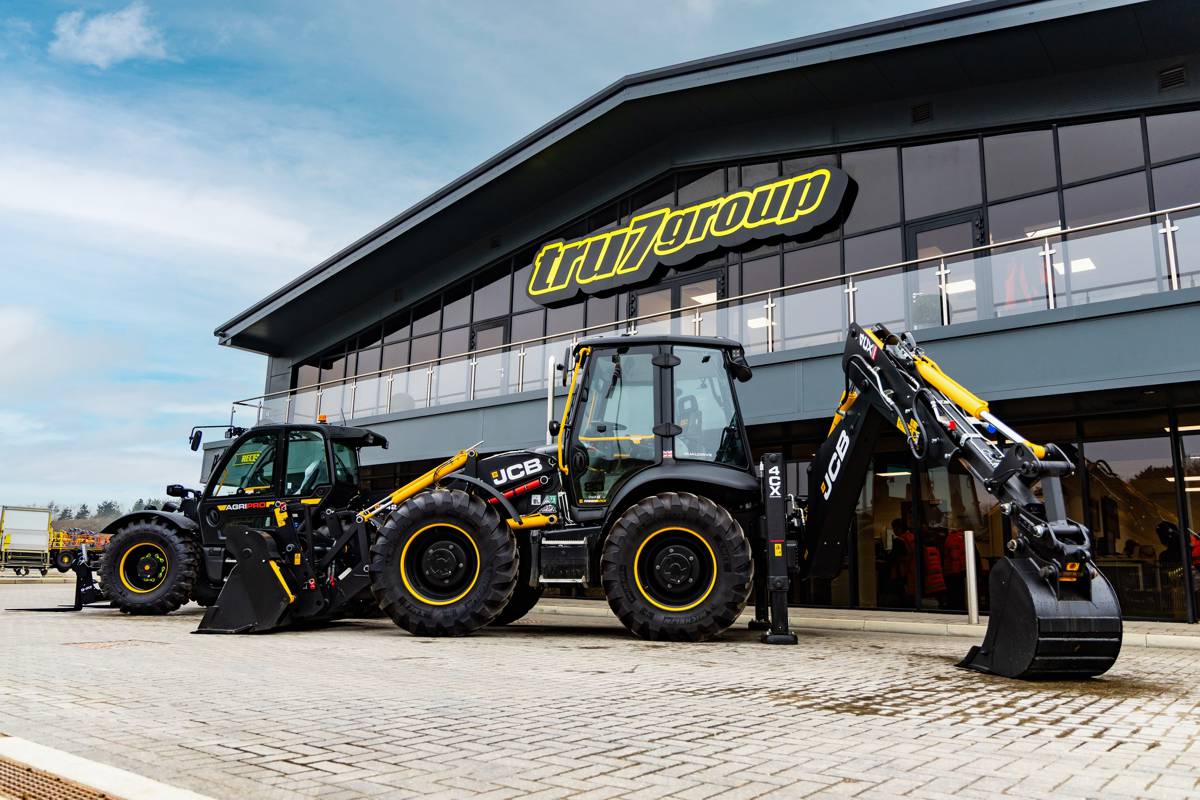
The machines in question are far from standard fleet additions. Tru7 Group has taken delivery of a JCB 4CX Pro DualDrive backhoe loader and a 542-70 AGRIPRO Loadall, both produced as part of a limited run of just 80 units commemorating JCB’s 80th anniversary.
From an operational standpoint, these machines sit firmly within the high-productivity segment of the market. The 4CX Pro DualDrive, widely regarded as one of the most versatile backhoe loaders available, combines road speed with on-site agility. Its dual-drive capability allows operators to reposition quickly without turning the seat, reducing downtime and improving cycle efficiency on busy worksites.
Meanwhile, the 542-70 AGRIPRO Loadall brings advanced telehandler performance into play. Designed for demanding material handling applications, it offers improved hydraulic response and lifting precision. In sectors such as earthworks, aggregates and infrastructure development, that translates directly into faster loading cycles and reduced fuel consumption over time.
Together, the machines represent a calculated upgrade to fleet capability rather than a ceremonial purchase. They reinforce Tru7 Group’s ability to deliver across multiple service lines, from demolition and earthworks to materials supply and plant hire.
The Enduring Role of Backhoe Loaders and Telehandlers
Despite the rise of specialist machinery and electrified equipment, backhoe loaders and telehandlers remain workhorses of the global construction sector. According to industry analysts, these machine categories continue to dominate in mixed-use environments where versatility is paramount.
Backhoe loaders, in particular, retain strong demand in markets such as the UK, Europe and parts of Asia due to their ability to perform multiple roles with a single operator. For contractors managing tight margins and fluctuating workloads, that flexibility remains invaluable. It reduces the need for additional machines, simplifies logistics and lowers total cost of ownership.
Telehandlers, on the other hand, have become indispensable in both construction and agriculture. Their ability to handle heavy loads at height makes them essential for everything from structural work to material distribution on large sites. With infrastructure projects becoming more complex, the need for precise, reliable lifting solutions continues to grow.
In that context, Tru7 Group’s investment reflects broader market trends rather than a one-off decision. It underscores the continued relevance of proven machine categories, even as the industry moves towards automation and electrification.
A Relationship Built on Shared Values
The partnership between Tru7 Group and JCB is rooted in more than equipment supply. Both organisations share a family-owned heritage, a factor that still carries significant weight in the construction sector.
Family-run businesses often prioritise long-term relationships over short-term gains. That approach fosters trust between contractors and manufacturers, leading to repeat business and collaborative problem-solving. In an industry where downtime can be costly and reliability is non-negotiable, those relationships can make all the difference.
Jake Nicholls, CEO of Tru7 Group, captured that sentiment when discussing the anniversary machines: “As JCB marks 80 years and we celebrate our own 60-year milestone and these machines stand as a powerful symbol of that parallel progress. They represent far more than an investment. They reflect a long-standing relationship between two family businesses built on shared values, innovation and pride in British construction.”
That alignment of values is not unique, but it is increasingly rare as consolidation reshapes the global construction equipment market. Large multinational corporations now dominate much of the sector, yet family-owned firms continue to play a crucial role, particularly in regional markets.
Tru7 Group’s Expanding Role in UK Infrastructure
Founded in Suffolk and still headquartered in Ipswich, Tru7 Group has evolved from a local contractor into a diversified construction services provider. Over six decades, the company has expanded its operations to include plant hire, commercial vehicle sales, demolition, earthworks and materials supply.
This diversification mirrors a broader shift within the industry. Contractors are increasingly looking to control more of the value chain, reducing reliance on external suppliers and improving project coordination. By offering multiple services under one umbrella, companies like Tru7 Group can respond more quickly to client needs and maintain tighter control over quality and timelines.
The group’s client portfolio reflects its growing influence. It includes major infrastructure and construction players such as Balfour Beatty, Morgan Sindall and Suffolk County Council, alongside involvement in nationally significant projects such as HS2.
These relationships place Tru7 Group at the heart of the UK’s infrastructure pipeline, from local authority works to large-scale transport developments. As investment in infrastructure continues to rise, particularly in areas such as transport decarbonisation and regional connectivity, contractors with integrated capabilities are likely to play an increasingly prominent role.
The Significance of Limited-Edition Machinery
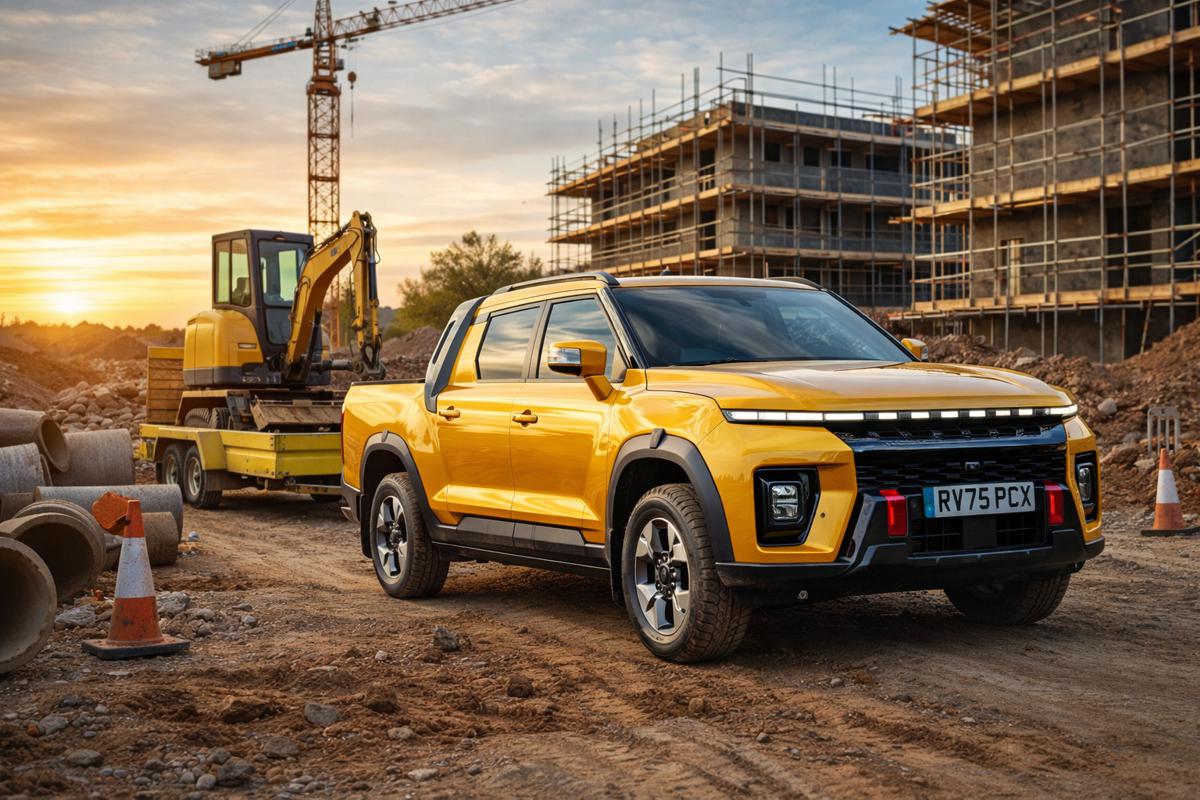
The visual design of the anniversary machines, finished in satin black with chrome detailing and yellow highlights, might be seen as a nod to heritage. However, limited-edition machinery also serves a practical purpose within the industry.
For contractors, such machines can act as brand assets, reinforcing company identity on site and in marketing materials. They also tend to hold their value well, particularly when linked to significant milestones. In a sector where resale value is a key consideration, that can influence purchasing decisions.
From the manufacturer’s perspective, anniversary editions strengthen brand loyalty and create a sense of exclusivity. By limiting production to a fixed number of units, companies like JCB can generate demand while celebrating their engineering legacy.
In this case, the limited run of 80 machines ties directly to JCB’s 80-year history, reinforcing the narrative of longevity and innovation that underpins its global reputation.
Manufacturing Leadership in the Backhoe and Telehandler Market
While JCB remains one of the most recognisable names in backhoe loader manufacturing, it operates within a competitive global market. Key players include Caterpillar, CASE Construction Equipment and Volvo Construction Equipment, each offering a range of machines tailored to different regional requirements.
JCB, however, has maintained a particularly strong position in the backhoe loader segment, where it is often cited as a market leader. Its long-standing focus on this machine category has allowed it to refine design, improve efficiency and build a loyal customer base across multiple continents.
In the telehandler market, competition is equally intense, with manufacturers continuously innovating to improve lifting capacity, safety and operator comfort. Advances in hydraulics, digital controls and telematics are reshaping expectations, pushing manufacturers to deliver more intelligent and connected machines.
For contractors like Tru7 Group, the choice of manufacturer is rarely based on a single factor. Performance, reliability, service support and total cost of ownership all play a role. The continued prominence of established brands reflects their ability to meet these demands consistently over time.
What This Means for the Broader Industry
The alignment of Tru7 Group’s 60-year milestone with JCB’s 80-year anniversary offers a snapshot of continuity in an industry undergoing rapid change. While new technologies such as electrification, automation and digital twins are gaining traction, the fundamentals remain the same. Contractors still need reliable machines, strong supplier relationships and the ability to deliver projects efficiently.
At the same time, the sector is evolving. Environmental regulations are tightening, clients are demanding more sustainable solutions and digital technologies are transforming project management. Against this backdrop, fleet investments must balance immediate operational needs with long-term strategic goals.
The acquisition of high-performance, limited-edition machinery illustrates how contractors can navigate this landscape. It combines practical capability with symbolic value, reinforcing both operational strength and corporate identity.
As the construction industry looks ahead, the importance of experience and continuity should not be underestimated. Companies that have weathered decades of economic cycles, technological shifts and market changes bring a level of resilience that newer entrants often lack.
For Tru7 Group, the latest investment is not just a celebration of past achievements. It is a statement of intent, signalling readiness to take on the next generation of infrastructure challenges with the tools, partnerships and expertise required to succeed.