Clean Steel Comes of Age in Spain
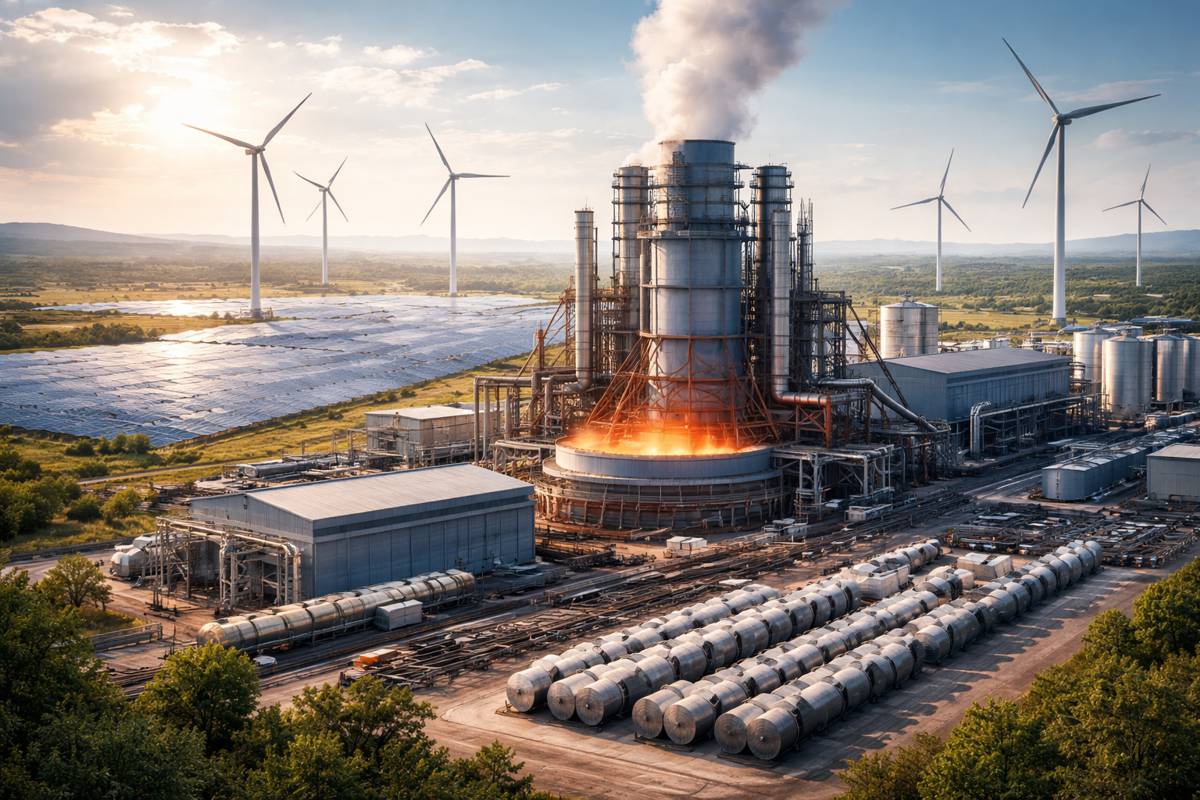
Spain rarely makes global headlines for heavy industry, yet a recent grid decision could quietly reshape Europe’s materials supply chain. Hydnum Steel has secured 500 MW of electrical capacity at the Brazatortas node in Ciudad Real, a level of access typically reserved for energy intensive infrastructure. Published in the Official State Gazette, the allocation effectively clears the final technical barrier for constructing what is expected to become Spain’s first fully renewable powered clean steel plant.
In practical terms, this is not merely a utility agreement. Electric arc furnace steelmaking requires large and stable electricity supply, and without guaranteed capacity the project could not exist. By granting grid access, authorities have moved the proposal from concept into industrial reality. Construction is scheduled to begin in 2026, backed by investment exceeding €1.5 billion.
Across Europe, steel production is now as much an energy story as a metallurgical one. Steelmakers no longer compete only on quality or price. Increasingly they compete on carbon intensity. Grid access therefore becomes a strategic resource, comparable to ore reserves in earlier eras.
Decarbonising One of the World’s Hardest Industries
Steel accounts for roughly 7 to 9 percent of global CO₂ emissions according to the International Energy Agency. The majority comes from traditional blast furnaces that rely on coal to reduce iron ore. Eliminating fossil fuels from steelmaking has long been considered technically possible but economically difficult.
Hydnum Steel’s model aims to address that challenge by operating entirely on renewable electricity and electric arc furnace technology. The company projects a 98 percent emissions reduction compared with conventional blast furnace operations. While electric furnaces are not new, the scale and full renewable integration place this project among the more ambitious in Europe.
The Ministry of Ecological Transition prioritised the project specifically because of emission reduction potential. During grid allocation processes, authorities evaluate environmental impact, investment magnitude and readiness to build. Hydnum Steel satisfied each criterion, placing it ahead of competing applications.
That decision highlights a policy shift visible across the EU. Governments are no longer only regulating emissions. They are actively selecting which industrial projects will exist in the future energy system.
Why Europe Needs New Steel Capacity
The European Union currently imports nearly 11 million tonnes of steel annually. Much of that material originates in regions where carbon pricing and environmental regulation are less stringent. The result is a structural contradiction. Europe tightens domestic emissions targets while importing carbon embedded in foreign production.
Hydnum Steel plans to produce 1.5 million tonnes of hot rolled steel coils during its first phase, eventually expanding to 2.7 million tonnes. While not sufficient to eliminate imports, the plant would materially reduce dependency on external supply.
Flat steel shortages have become particularly problematic for sectors such as automotive manufacturing, heavy equipment production and infrastructure fabrication. Supply chain disruptions during the pandemic and energy crisis exposed vulnerabilities in relying on distant producers.
Local low carbon steel addresses two issues simultaneously. It stabilises industrial supply and aligns with carbon border adjustment mechanisms that will increasingly penalise high emission imports entering the EU market.
A New Type of Industrial Facility
The project is described as fully digitally integrated, reflecting broader trends in modern heavy industry. Steel plants historically operated as mechanical environments dominated by heat and scale. Today they resemble data driven production ecosystems.
Digitalisation allows continuous monitoring of energy consumption, furnace behaviour and material quality. When electricity becomes the primary production input, efficiency optimisation becomes essential. Even small percentage gains translate into substantial cost savings at 500 MW consumption levels.
Industry analysts increasingly view digital integration as the difference between viable green steel and prohibitively expensive steel. Predictive control systems reduce power peaks, improve metallurgical consistency and extend equipment life cycles. In short, software now influences steel economics as much as metallurgy.
For construction and infrastructure sectors this matters greatly. Materials with stable quality and traceable carbon footprints enable contractors to meet environmental procurement requirements now emerging across public tenders.
Regional Economic Impact
The plant will generate more than 400 direct jobs in its initial phase and eventually exceed 1,000 positions. Indirect employment across logistics, maintenance and supply services will multiply that figure considerably. Heavy industry projects of this scale typically anchor regional economic ecosystems for decades.
Ciudad Real, located in central Spain, historically relied on agriculture and smaller industrial activity. Hosting a large scale steel facility changes regional industrial identity. Transport links, supplier networks and technical training institutions often follow.
European experience shows that modern steel plants tend to cluster advanced manufacturing around them. Automotive components, machinery fabrication and metal processing industries benefit from proximity to reliable flat steel supply.
This matters for Spain’s broader economic strategy. While the country leads in renewable energy generation, converting that electricity into high value industrial output has been a recurring policy objective. Steel provides exactly that pathway.
Clean Steel and Construction Markets
For the global construction sector, low carbon steel is rapidly moving from niche to requirement. Infrastructure investors and public authorities increasingly measure embodied carbon within projects. Bridges, tunnels and high rise developments consume vast quantities of reinforcing and structural steel.
When procurement frameworks mandate carbon accounting, contractors need reliable material sources. Importing steel with uncertain emissions intensity complicates certification processes. A domestic renewable powered producer simplifies compliance.
The project therefore has implications beyond Spain. European infrastructure projects often draw materials across borders. Hydnum Steel could become a regional supplier for projects seeking certified low emission materials.
As sustainable procurement expands, material origin becomes part of engineering specification rather than a procurement afterthought.
Energy, Industry and Policy Alignment
One notable aspect of the project is its reliance on 100 percent renewable energy. Spain has rapidly expanded solar and wind capacity over the past decade, occasionally producing surplus electricity during peak generation periods. Heavy industry offers a solution to absorb that output.
Electrified steelmaking aligns well with variable renewable supply when supported by smart load management. Furnaces can adjust operating cycles, smoothing grid demand and improving overall system efficiency.
The arrangement illustrates how future industrial policy may evolve. Instead of energy serving industry alone, industry increasingly stabilises the energy system. Clean steel plants effectively become large controllable energy consumers integrated into national grid strategy.
European regulators view such projects as critical to achieving climate targets without deindustrialisation. The challenge has been retaining manufacturing while reducing emissions. Electrified heavy industry offers a credible path.
Strategic Implications for Investors and Supply Chains
The scale of investment exceeding €1.5 billion signals confidence in long term demand for low carbon materials. Steelmaking traditionally involves multi decade investment horizons. Companies do not commit capital at this level without expectation of structural market change.
Financial institutions increasingly incorporate environmental risk into lending criteria. Conventional blast furnace assets risk becoming stranded as carbon pricing rises. Electric arc furnace facilities powered by renewables position themselves on the favourable side of regulatory trends.
Supply chains also respond accordingly. Automotive manufacturers, equipment producers and construction firms are setting internal carbon reduction targets. Securing access to compliant materials becomes a competitive advantage rather than a regulatory burden.
Hydnum Steel’s future customers will likely include industries attempting to decarbonise their own operations. Steel’s footprint cascades through manufacturing. Cleaner inputs enable cleaner final products.
A Turning Point for European Industrial Strategy
For decades, European industry debated whether environmental ambition would weaken manufacturing competitiveness. Projects like this suggest the opposite outcome may emerge. Clean energy abundant regions could attract new heavy industry rather than lose it.
Spain’s renewable capacity and grid infrastructure create favourable conditions for electrified production. If successful, the model could be replicated across Southern Europe where solar resources remain underutilised relative to industrial demand.
The significance lies less in a single plant and more in proof of concept. Demonstrating that large scale clean steel production operates competitively within Europe alters investment logic across the continent.
Rather than importing carbon intensive materials, Europe may begin exporting low carbon industrial output.