NSW Invests in Road Infrastructure to Power Renewable Energy Transition
Regional New South Wales is entering a decisive phase in its transformation from a fossil fuel-dependent economy to a renewable energy powerhouse in Australia.
A major infrastructure investment of $183.2 million by the Minns Labor Government is set to reshape key transport corridors, ensuring that the movement of large-scale renewable energy components can be carried out safely, efficiently and with minimal disruption to local communities.
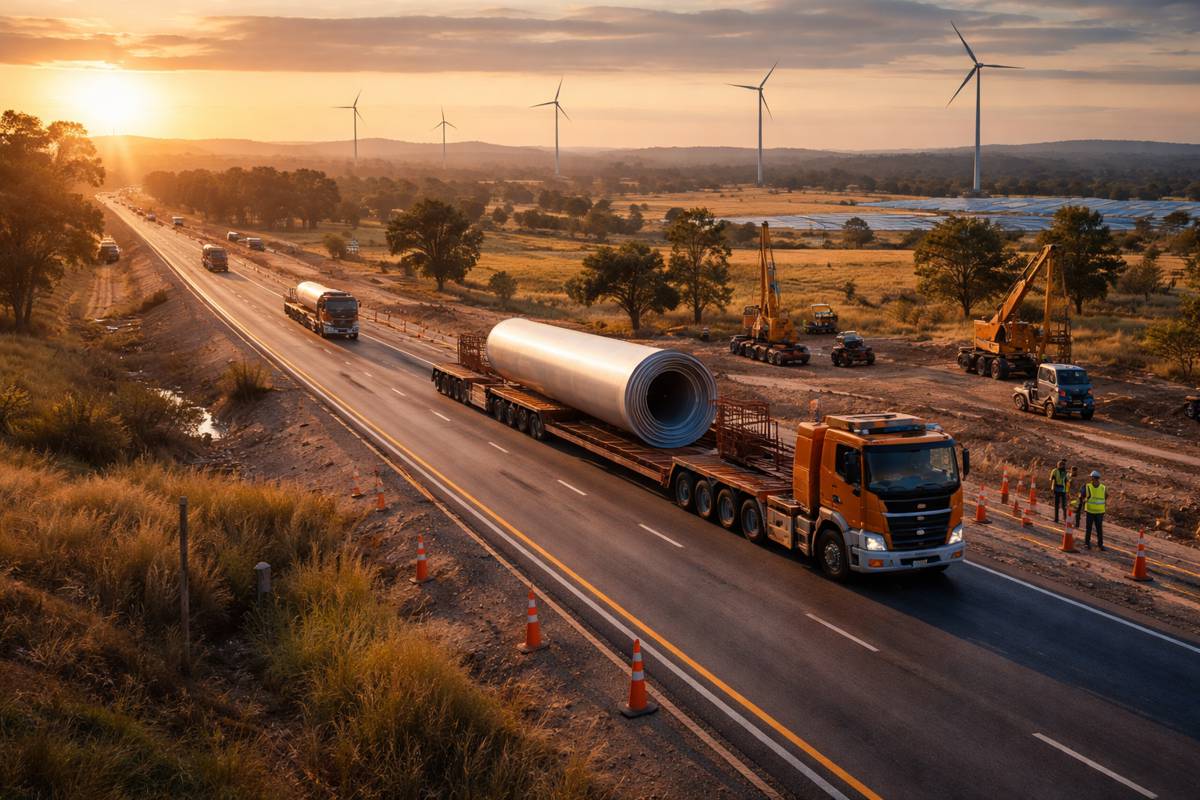
While much of the public focus tends to fall on generation capacity and grid connections, the reality is far more grounded. Wind turbines, solar infrastructure and associated equipment must physically travel from ports to project sites, often across long distances and through regional communities. Without roads capable of handling these loads, the transition risks slowing down before construction even begins.
This programme signals a shift in infrastructure thinking. Transport, energy and regional development are no longer operating in isolation. Instead, they are being planned as a single system, where each element must perform if the wider strategy is to succeed.
Briefing
- $183.2 million committed to road upgrades supporting renewable energy logistics across regional NSW
- Funding targets three Renewable Energy Zones including Central-West Orana, South-West and New England
- Upgrades focus on enabling oversize and overmass transport from Port of Newcastle to inland energy hubs
- Programme builds on earlier investments, bringing total REZ road funding to over $216 million
- Works include widening, intersection upgrades, bridge improvements and dedicated transport routes
Building the Logistics Backbone of Renewable Energy
The logistics of renewable energy construction are often underestimated. Wind turbine blades can exceed 80 metres in length, while tower sections and nacelles push both weight and dimensional limits. Even solar projects, though less complex individually, require sustained high-volume transport movements that place continuous strain on regional road networks.
New South Wales is addressing this challenge directly. By investing in targeted upgrades, the state is effectively enabling its Renewable Energy Zones, or REZs, to function as intended. These zones concentrate generation and storage in areas with strong renewable resources, but their success depends heavily on the ability to move equipment in and out without delay.
Internationally, similar challenges have emerged. In the United States and across parts of Europe, inadequate transport infrastructure has led to project delays and increased costs. NSW’s approach places it among the jurisdictions proactively aligning logistics capacity with energy policy, rather than reacting to bottlenecks after they occur.
Targeting Strategic Corridors Across Key Regions
The funding has been distributed across three priority REZs, each with distinct infrastructure requirements and logistical challenges.
In the Central-West Orana REZ, $50 million has been allocated to improve safety and capacity along the Golden Highway corridor and key routes linking inland areas to the coast. This corridor plays a central role in connecting renewable energy developments with the Port of Newcastle, forming a critical east-west supply chain.
The South-West REZ will receive $65 million, with initial work focused on six intersection upgrades across the Riverina region. These upgrades will facilitate the movement of large components between substations such as Dinawan and Buronga, ensuring continuity along long-haul transport routes.
In the New England REZ, $68.2 million will support upgrades at Rix’s Creek Bridge and the Liddell Interchange, while also advancing plans for an oversize and overmass route around Tamworth. These improvements are designed to reduce pressure on urban centres while maintaining efficient freight movement.
Ports, Freight and the Scale of Coordination Required
At the eastern end of the logistics chain, the Port of Newcastle plays a pivotal role. As one of the few ports on Australia’s east coast capable of handling large renewable energy components, it will serve as the primary entry point for equipment destined for inland REZs.
Craig Carmody underscored the scale of the task, stating: “The Minns Labor Government’s renewable energy rollout is a generational, nation building, freight and logistics task.
“The Port of Newcastle is the only port on the East Coast of Australia capable of handling such a massive and complex operation, and as the entry point for these components, we recognise and welcome the unprecedented scale of works and investment the government is making to ensure the road network is equally ready.
“Recognising the critical role the Port of Newcastle will play in the government’s successful rollout, we are laser focused on ensuring the Port is capable and ready to receive the first REZ components in 2027.”
Freight coordination will be equally critical. Oversize and overmass movements are typically scheduled during off-peak periods, often at night, and require escort vehicles and carefully managed routes. This level of coordination is essential to minimise disruption while maintaining safety standards.
Engineering Solutions Focused on Real Constraints
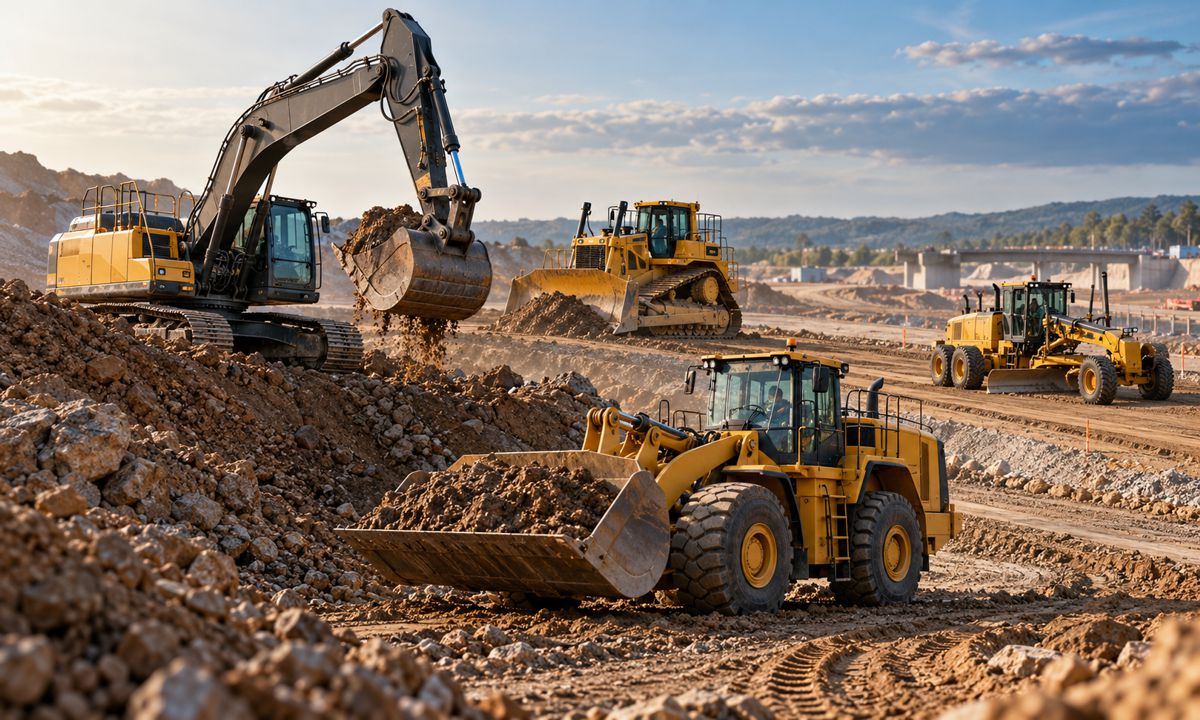
Rather than rebuilding entire highways, the programme focuses on addressing specific constraints that limit freight movement. These pinch points can include narrow sections of road, tight intersections, low-clearance bridges or inadequate turning radii.
Upgrades will include:
- Road widening to accommodate large transport loads
- Relocation of signage and roadside infrastructure
- Installation of turning lanes at key intersections
- Extension of drainage systems and culverts
- Bridge strengthening and clearance adjustments
Earlier funding has already supported upgrades at 19 locations along the Central-West Orana corridor. The new investment builds on that progress, expanding the scope of improvements and accelerating delivery timelines.
Regional Communities at the Centre of the Transition
Penny Sharpe described the initiative as part of a broader transformation of the state’s energy system, reinforcing the scale of change underway: “The Minns Labor Government is delivering a ‘once-in-a-generation upgrade’ of the state’s electricity system.
“As part of this, we are upgrading our road network to help deliver the renewable energy zones and a once in a generation road upgrade.
“NSW has the most advanced plan for the rollout of renewable energy in Australia – today’s investment in our road network is the next stage of that.”
Expanding on the regional dimension, Jenny Aitchison said the programme addresses long-standing infrastructure gaps that have placed pressure on local communities: “These upgrades recognise a simple reality. Our regional communities are at the heart of our renewable energy future and for too long they’ve had to bear the brunt of the transition without the infrastructure to support it.
“The Central-West Orana and surrounding regions are the powerhouse of our state’s energy transition. They have long powered NSW through a mix of energy sources. As we transition, they will continue to play that critical role.
“I know how important the Golden Highway is for both communities and industry alike. These upgrades will ensure it can safely and efficiently support the movement of energy infrastructure, while continuing to serve the people who rely on it every day.
“This $183.2 million investment is about recognising the role regional NSW plays in powering the state and making sure communities see lasting benefits through stronger, safer and more resilient roads.”
Local Leaders Highlight Practical Impacts on Communities
At a local level, Rick Firman welcomed the investment, pointing to the disproportionate burden often placed on rural communities during large-scale infrastructure transitions: “Our remote and rural communities often carry the load of work when it comes to major transitions like this, so this investment is a very welcome commitment to making sure we are properly supported.
“As large renewable energy components are transported across our region, these upgrades will help keep people safe, maintain vital connections, and leave a lasting legacy of better infrastructure for our community.
“Regional councils look forward to continuing to work productively with the Minister on corridor planning for upcoming REZ movements in their local government areas.
“This is about making sure our communities are not only part of the transition, but benefits from it as well.”
Josh Black highlighted the importance of road connectivity for regional economies, particularly along key freight corridors: “This significant investment in the Golden Highway will provide a lasting legacy for residents of the Dubbo Region, particularly when travelling to Newcastle and the Hunter.
“In regional areas like ours, roads are the connections between towns – essential to keeping people, goods and services moving seamlessly. These upgrades will improve safety, support local businesses and industry, and ensure our community can continue to grow and thrive.”
Jeff Drayton pointed to the increasing strain on local infrastructure as renewable energy developments scale up: “Muswellbrook has long been at the centre of NSW’s energy story and as that story evolves, it’s essential our community is supported.
“As a key hub in the Upper Hunter, we’re seeing firsthand the increased demand on our local roads as large renewable energy components move through the region. For our community, that means balancing this important work with keeping our community connected and safe.
“This investment will strengthen our road network, reduce pressure on key routes and ensure Muswellbrook continues to play a leading role in powering the state.”
Kathryn Rindfleish emphasised the day-to-day realities for smaller communities reliant on road access: “In small regional communities like those across Wurrumbungle Shire, our road network is our lifeline and connection to the rest of the state. It’s how we access services and keep our local economy running.
“The roads are placed under significant pressure from the transportation of renewable energy infrastructure – impacting safety, accessibility and day-to-day life for our community.
“The $183.2 million investment in roads in Renewable Energy Zones acknowledges those challenges, and I’m very pleased to see regional communities recognised and supported through the transition.”
Aligning Infrastructure with Energy Strategy
New South Wales has positioned itself at the forefront of renewable energy deployment in Australia, with a structured approach to Renewable Energy Zones that integrates generation, storage and transmission. However, the success of this model depends on more than grid capacity.
Transport infrastructure plays a fundamental role in enabling construction, reducing costs and maintaining project timelines. By investing in road upgrades alongside energy infrastructure, the state is addressing a critical gap that has slowed similar programmes elsewhere.
With total funding for REZ-related road upgrades now exceeding $216 million, including contributions from both state and federal governments, the scale of ambition is clear. For construction firms, engineers and logistics providers, the programme represents both a challenge and an opportunity.
Strengthening the Foundations of Future Growth
This investment highlights a broader shift in infrastructure planning. Roads are no longer viewed simply as transport assets. They are increasingly recognised as enablers of economic transformation, supporting industries ranging from renewable energy to advanced manufacturing.
As global demand for clean energy accelerates, regions that align infrastructure with industrial strategy will be better positioned to attract investment and deliver projects efficiently. In New South Wales, the groundwork is now being laid for that future.
By strengthening its road network, the state is not only supporting the rollout of renewable energy but also creating a more resilient, connected and economically competitive regional landscape.