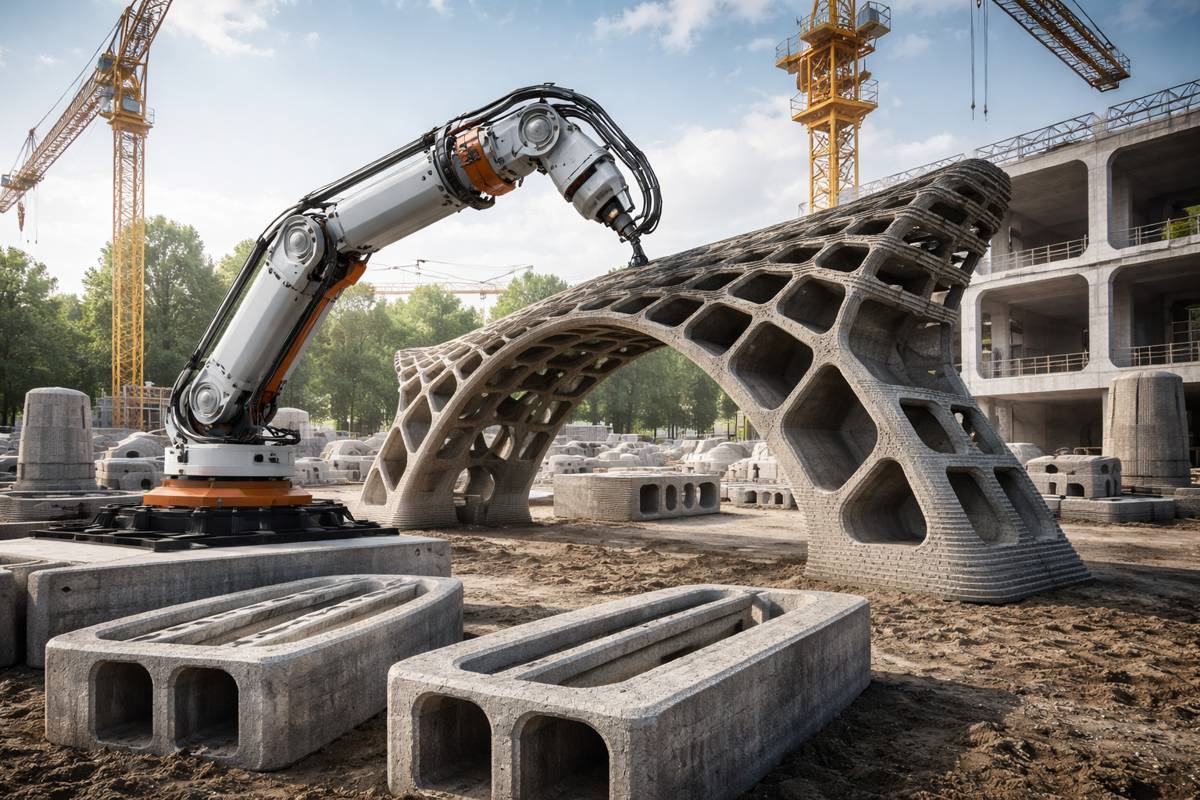
Industrialised Housing Scales Up in Colorado as Azure Expands 3D Printed Production
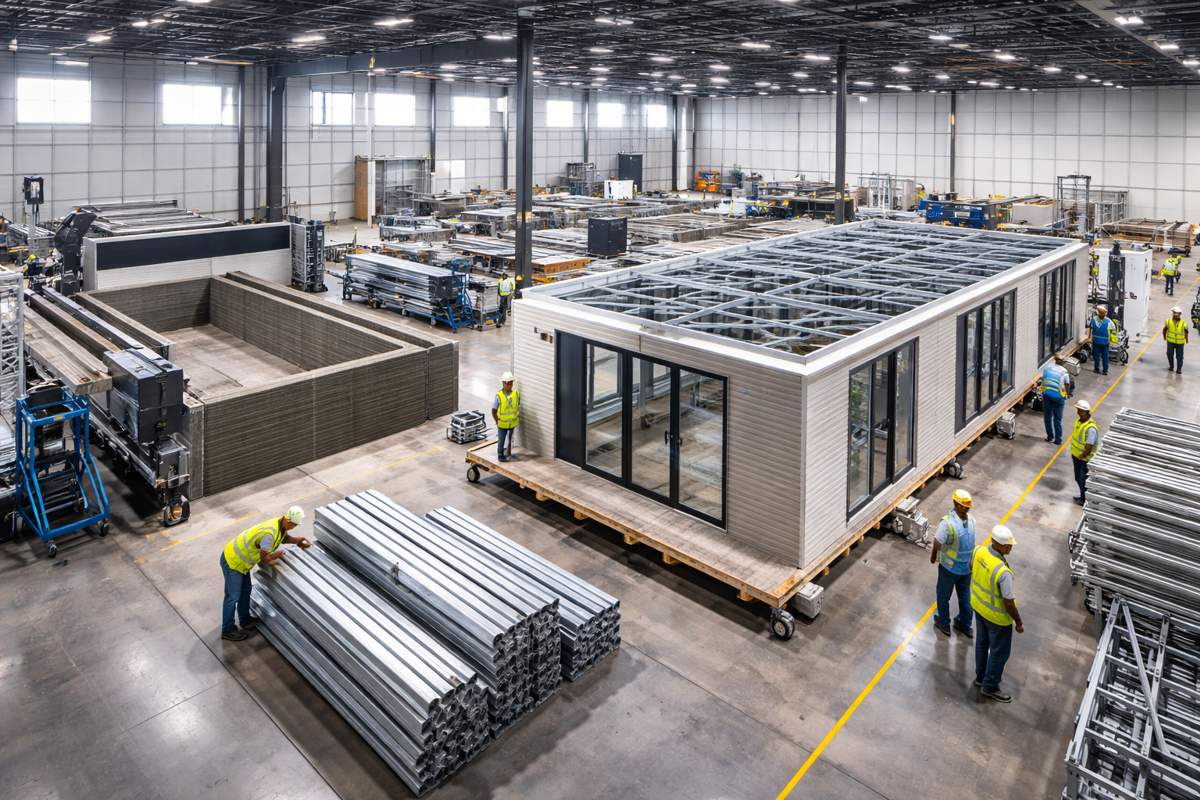
Colorado’s housing shortage has become one of the defining infrastructure challenges of the decade, with supply struggling to keep pace with population growth, urban migration and rising construction costs. Into that gap steps a different kind of builder. Not a contractor in the traditional sense, but a manufacturer. With the opening of a 25,000 square foot production facility in Northeast Denver, Azure Printed Homes is staking a claim in a rapidly evolving segment of the construction industry that treats housing more like a product than a project.
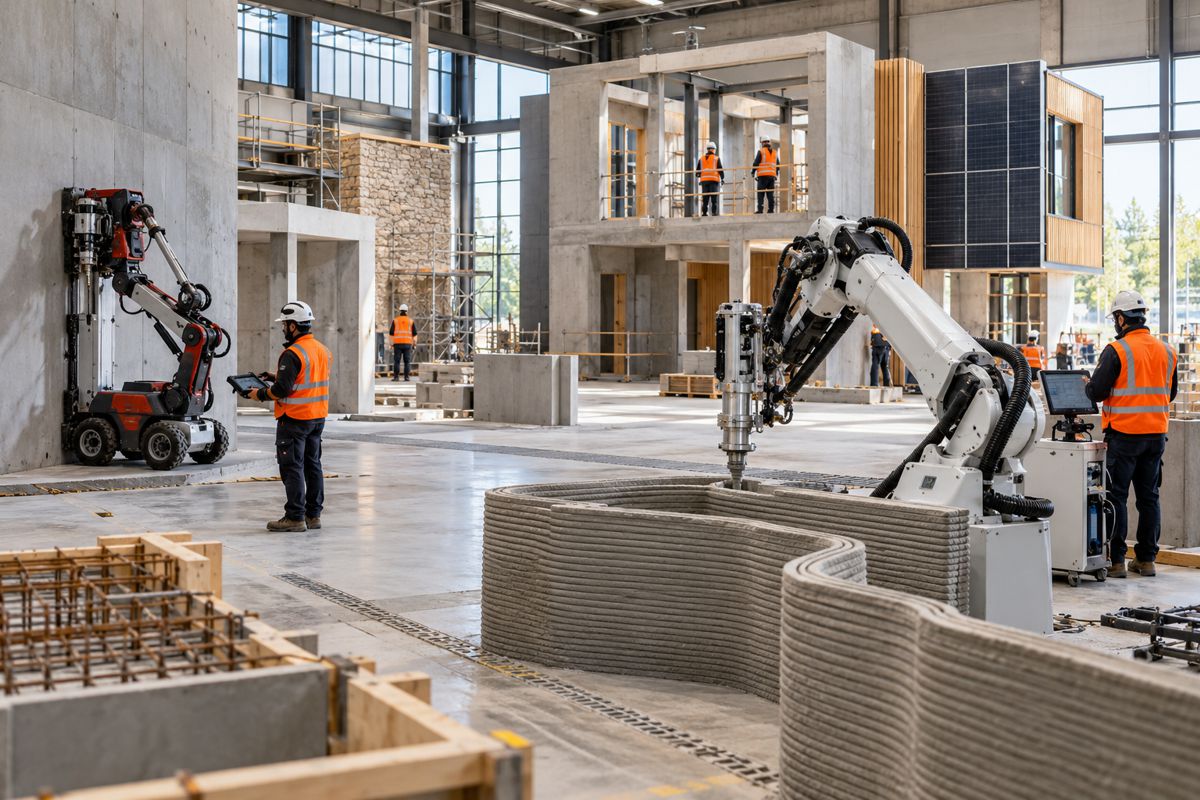
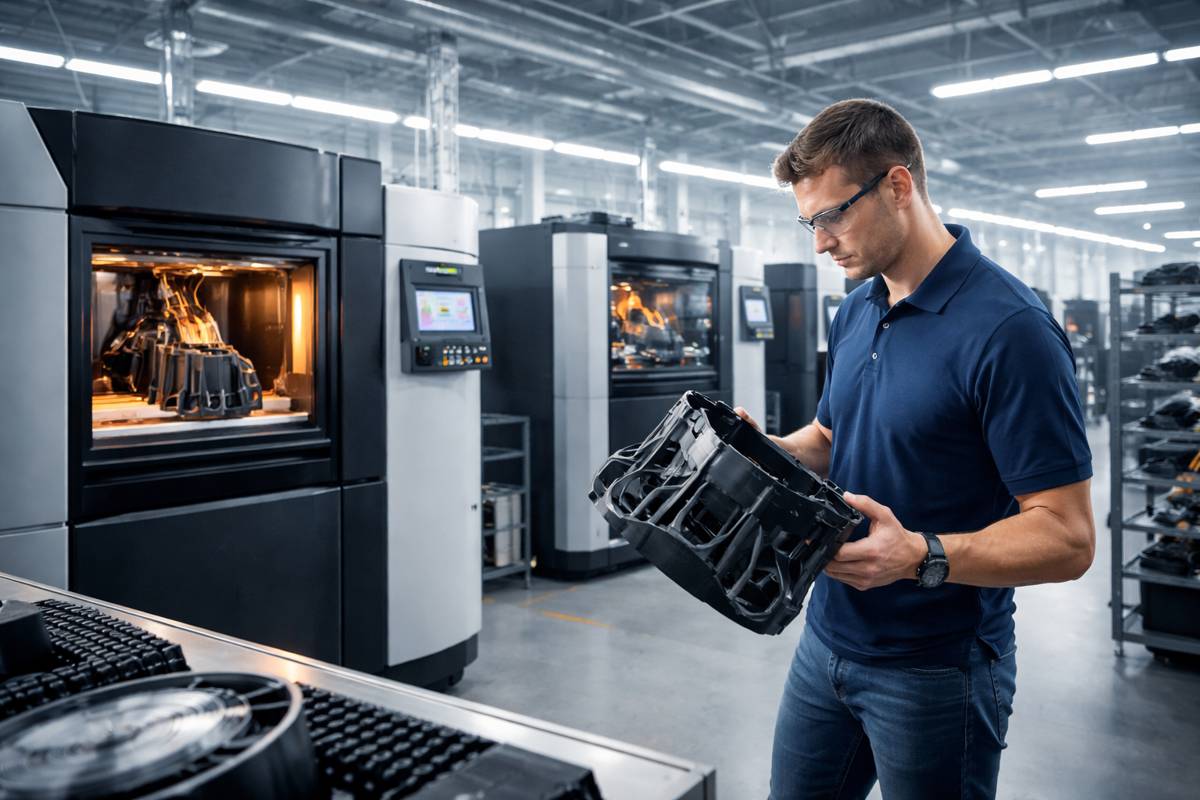
The new plant brings together large-scale 3D printing and light-gauge steel fabrication in a controlled factory environment, shifting labour, risk and cost away from the unpredictability of site-based construction. While that idea has been circulating for years, it is now moving from pilot schemes to scaled deployment. For policymakers and investors alike, the question is no longer whether industrialised housing will play a role, but how quickly it can be deployed to meet real demand.
Colorado’s leadership clearly sees potential. Governor Jared Polis attended the opening, linking the facility directly to broader state efforts to increase housing supply and affordability. “Colorado is leading the way to build more housing that people can afford, and an important part of that is investing in innovative and lower-cost construction methods,” said Governor Polis. “There is no silver bullet solution to address our housing shortage, which is why we are looking at every innovative solution to build more homes and save people money. When at full capacity this new Azure Printed Homes facility will support 50 good-paying jobs and help Colorado build more homes people can afford.”
Behind the ceremony sits a deeper shift. Construction, long criticised for slow productivity gains compared to manufacturing, is beginning to adopt the same principles that transformed automotive and electronics industries. Standardisation, automation and repeatability are moving into housing, and facilities like Azure’s Denver plant offer a glimpse of what that future looks like in practice.
Briefing
- Azure Printed Homes has opened a 25,000 sq ft manufacturing facility in Northeast Denver focused on 3D printed and factory-built housing
- The plant combines large-scale 3D printing with FrameCAD steel fabrication to accelerate production and reduce costs
- Backed by a $3.895 million loan from Colorado’s Affordable Housing Financing Fund, the expansion aligns with state housing policy reforms
- The facility is expected to support 50 jobs and scale output for affordable and transitional housing projects
- Industrialised construction is gaining traction globally as governments seek faster, more resilient housing solutions
Manufacturing Meets Housing Delivery
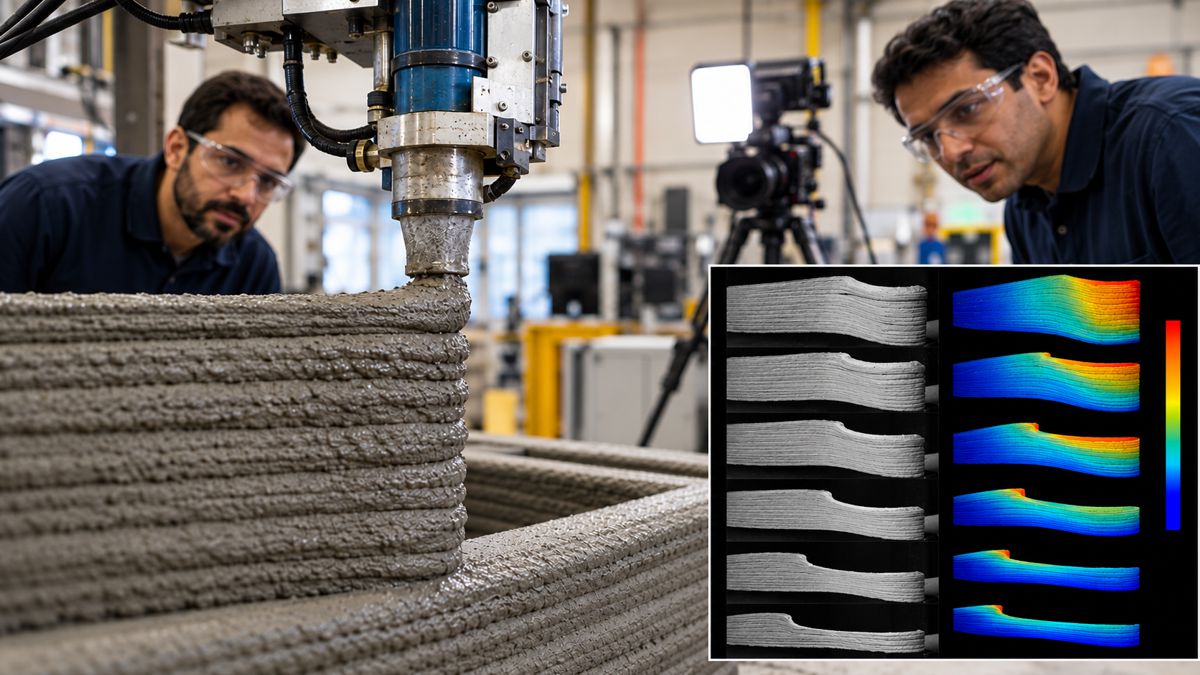
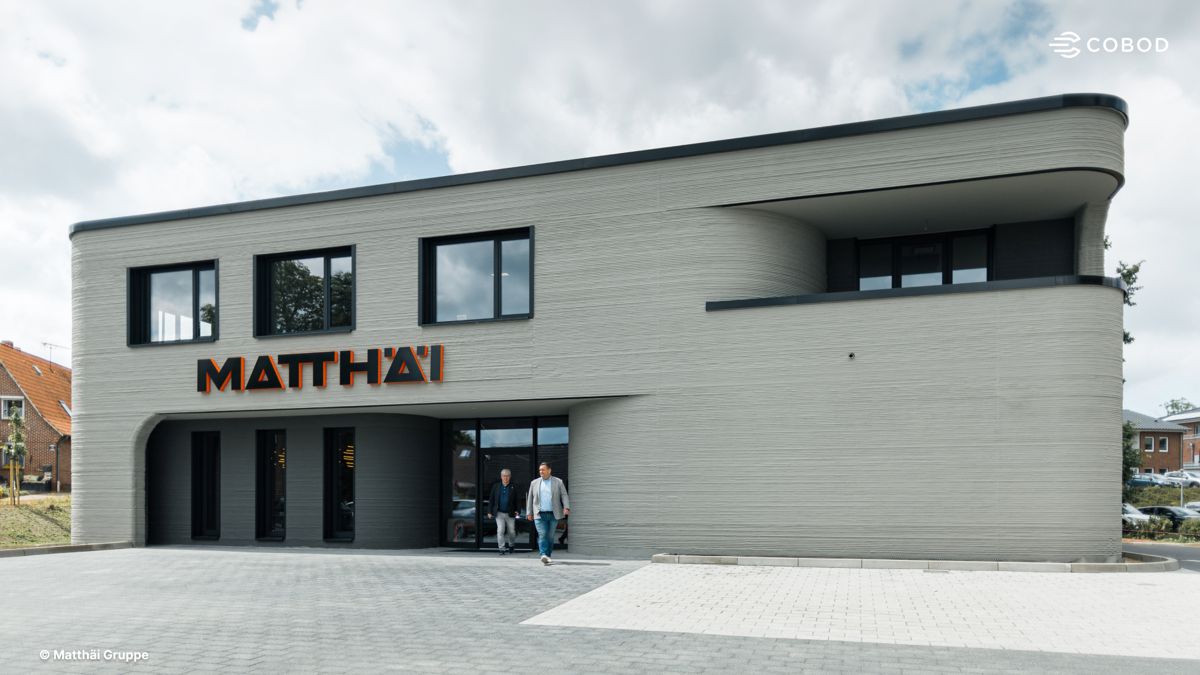
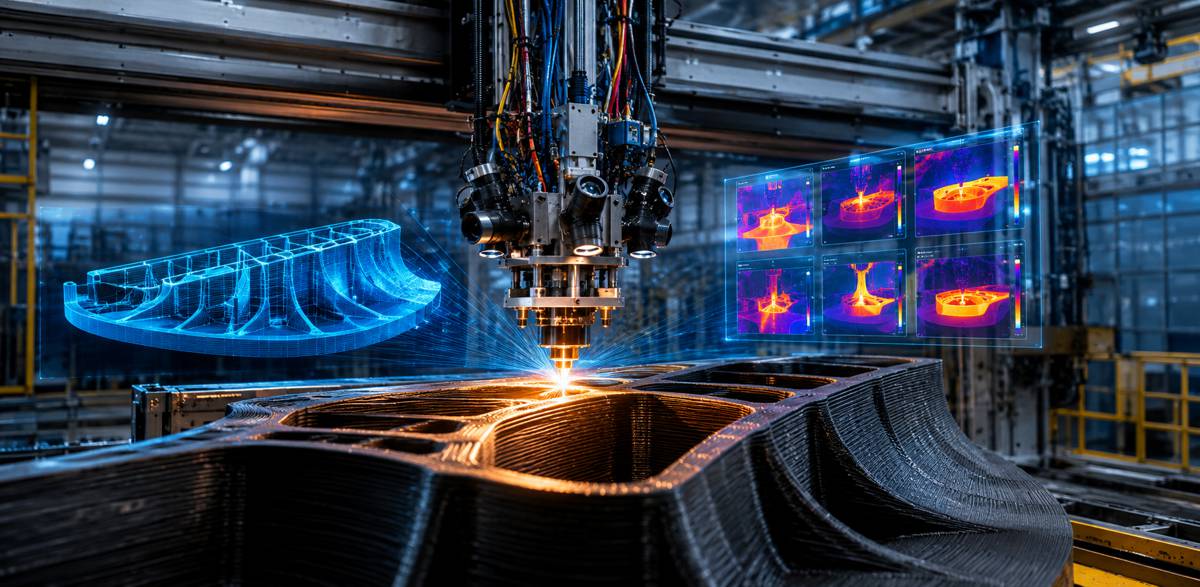
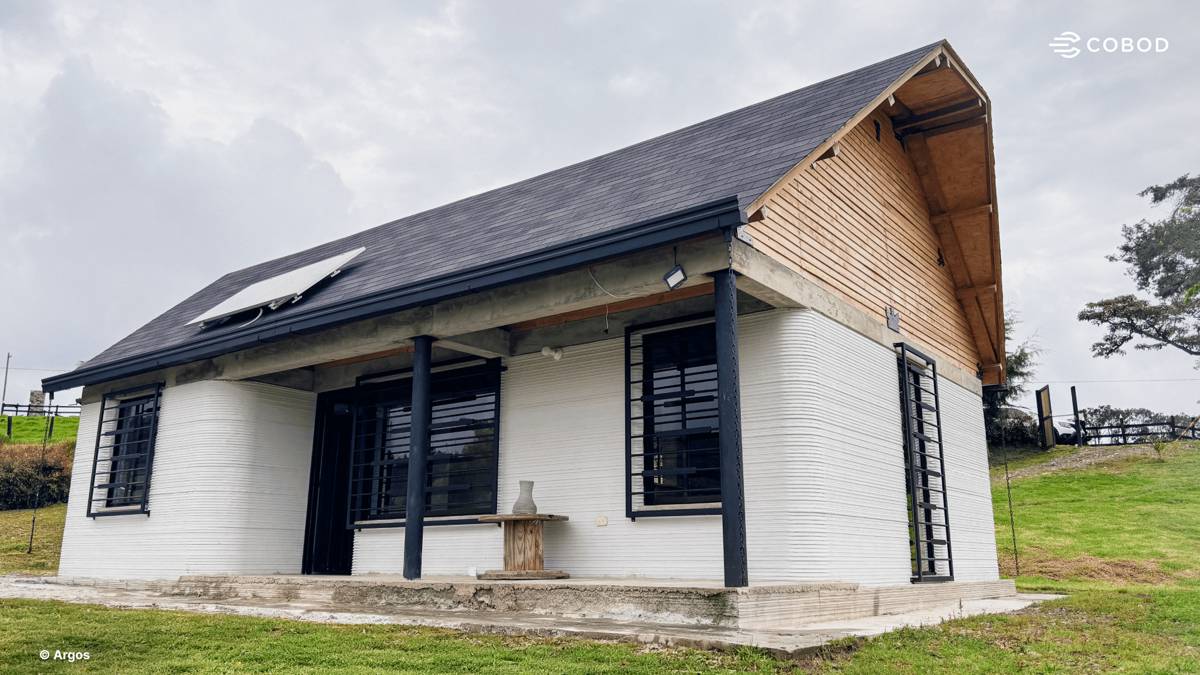
At the heart of Azure’s model is a vertically integrated approach. Instead of coordinating multiple subcontractors across a construction site, the company produces housing units in a factory setting, using proprietary 3D printing systems alongside FrameCAD machines for light-gauge steel structures. That combination allows for a hybrid approach, blending printed structural components with steel framing to achieve both speed and durability.
Factory-built housing is not new, but recent advances in automation and materials have significantly expanded what is possible. According to the McKinsey & Company, modular and industrialised construction methods can accelerate project timelines by 20 to 50 percent while reducing costs by up to 20 percent under the right conditions. The key lies in shifting work from the field into controlled environments where processes can be optimised and repeated.
Azure’s use of recycled materials also reflects a growing push toward circular construction practices. Waste reduction has become a major priority in the sector, with the World Green Building Council highlighting construction waste as a significant contributor to environmental impact. By incorporating recycled feedstocks into its 3D printing processes, the company is aligning itself with emerging sustainability benchmarks that are increasingly influencing procurement decisions.
Policy Alignment Driving Momentum
The Denver expansion has not happened in isolation. It is closely tied to a broader policy framework that has made Colorado one of the more active testing grounds for alternative housing delivery models in the United States.
Programmes such as the Affordable Housing Financing Fund, often referred to as Proposition 123, have provided targeted funding to accelerate housing development. Azure’s $3.895 million loan from this fund is a case in point, demonstrating how public capital is being used to de-risk new construction technologies. Alongside this, regulatory reforms have begun to remove long-standing barriers to factory-built housing.
Recent measures include the Innovative Housing Incentive Program and new legislation to streamline approval processes for modular and factory-built units. The 2024 Accessory Dwelling Unit law has also opened up additional pathways for densification, particularly in urban and suburban areas where land availability is constrained. Taken together, these policies are reshaping the development landscape, making it easier for non-traditional builders to enter the market.
Gene Eidelman, co-founder and CEO of Azure Printed Homes, pointed to this environment as a decisive factor in the company’s expansion. “Colorado is leading the way with forward-thinking policies that remove barriers and incentivize scalable, resilient construction,” said Gene Eidelman. “This new facility brings our agile manufacturing platform for housing directly to the region, helping communities build faster and more affordably while addressing critical needs like workforce housing and solutions for homelessness.”
Addressing Affordability and Resilience Together
Housing affordability is often discussed in isolation, but recent events have highlighted the need to consider resilience at the same time. Wildfires, extreme weather and climate-related risks are reshaping building requirements across many regions, including Colorado.
Azure’s manufacturing model places a strong emphasis on durability, with homes designed to be fire-resistant and capable of withstanding harsh environmental conditions. This is not simply a design preference. It reflects a growing shift in building codes and insurance requirements, particularly in areas exposed to wildfire risk.
From an infrastructure perspective, resilient housing reduces long-term public costs associated with disaster recovery and rebuilding. It also improves the stability of communities, particularly for vulnerable populations. The inclusion of transitional housing in Azure’s project pipeline, including initiatives aimed at addressing homelessness, adds another layer of social impact.
One example is the Welcome Home Village project in San Luis Obispo, where Azure is providing and installing 54 transitional housing units. Scheduled to open in May, the development illustrates how factory-built solutions can be deployed quickly to meet urgent needs, bypassing many of the delays associated with conventional construction.
Scaling Production to Meet Demand
The Denver facility is part of a wider expansion strategy that includes additional capacity in Los Angeles and forms part of a $10 million fundraising effort. For a company founded in 2022, the pace of growth has been notable. Azure reports more than 100 homes delivered nationwide and a project pipeline exceeding $60 million.
While those figures are modest compared to the scale of the housing shortage, they point to a model that is beginning to move beyond pilot phase. The challenge now lies in scaling production without compromising quality or affordability. That requires not only investment in manufacturing capacity but also coordination with developers, local authorities and supply chains.
J.J. Ament, President and CEO of the Denver Metro Chamber of Commerce, and other regional leaders were present at the ribbon-cutting event, underscoring the economic development dimension of the project. Manufacturing facilities of this kind bring skilled jobs and create new industrial ecosystems, linking construction with advanced manufacturing.
For investors, the appeal lies in the potential for repeatable, scalable returns. Traditional construction projects are often one-off ventures with significant variability in cost and timeline. Industrialised housing offers the prospect of more predictable performance, which could attract a different class of capital into the sector.
A Shift in How Housing Is Delivered
The opening of Azure’s Denver facility is unlikely to solve Colorado’s housing shortage on its own. Even at full capacity, the output will represent a fraction of total demand. Yet that misses the point. The significance lies in the model, not just the volume.
Construction has long been one of the least digitised and least industrialised sectors of the global economy. That is beginning to change. Advances in automation, materials science and digital design are converging, creating new pathways for delivering infrastructure more efficiently. Housing sits at the centre of that transformation.
Facilities like Azure’s represent early-stage infrastructure in their own right. They are production hubs for a different kind of built environment, one where homes are manufactured with the same precision and consistency as other industrial products. If the model proves scalable, it could reshape supply chains, labour markets and investment strategies across the construction sector.
For now, the Denver plant offers a tangible step forward. Not a silver bullet, as Governor Polis noted, but part of a broader toolkit that is gradually taking shape. And in a sector where progress is often measured in decades, even incremental change can carry significant weight.