How to Prioritise Home Improvements That Actually Make a Difference
Many individuals desire to improve their homes, but where to start is difficult. There is a lot of help, product marketing, and visual inspiration, but not all upgrades are beneficial. Some modifications appear beautiful but don’t improve life or comfort. Others are less evident but fix housing issues.
This is also why heating, cooling, and renewable energy installers, such as GSM, give importance to home performance, planning, and improving real life. When choosing house improvements, consider more than just appearance. Consider how they will increase home functionality. Most of the best home improvements make it easier to live in, reduce waste, and resolve recurring issues.
Start With Daily Issues
When choosing house upgrades, prioritise those that affect your daily life. Too much heat, standing water, slow air movement, increased energy costs, inadequate lighting, or worn-out finishes in high-use areas can indicate what has to be done. It’s annoying when this happens daily. They influence home comfort, maintenance, and quality.
This is why you should make meaningful observations before spending. Simple questions often help households. Which house part annoys you the most? What issue resurfaces? Which issue affects comfort, cost, or maintenance the most? The answers usually indicate what modifications are worthwhile, unlike trend-based renovation recommendations.

Prioritise Performance Above Appearance
Improvements to appearance are pleasant, but enhancements to functionality are more lasting. Outside remodelling may not solve a house’s dampness, insulation, heat gain, or air flow. Even a newly decorated room will feel uncomfortable if it’s excessively hot or humid, or if maintaining it is expensive.
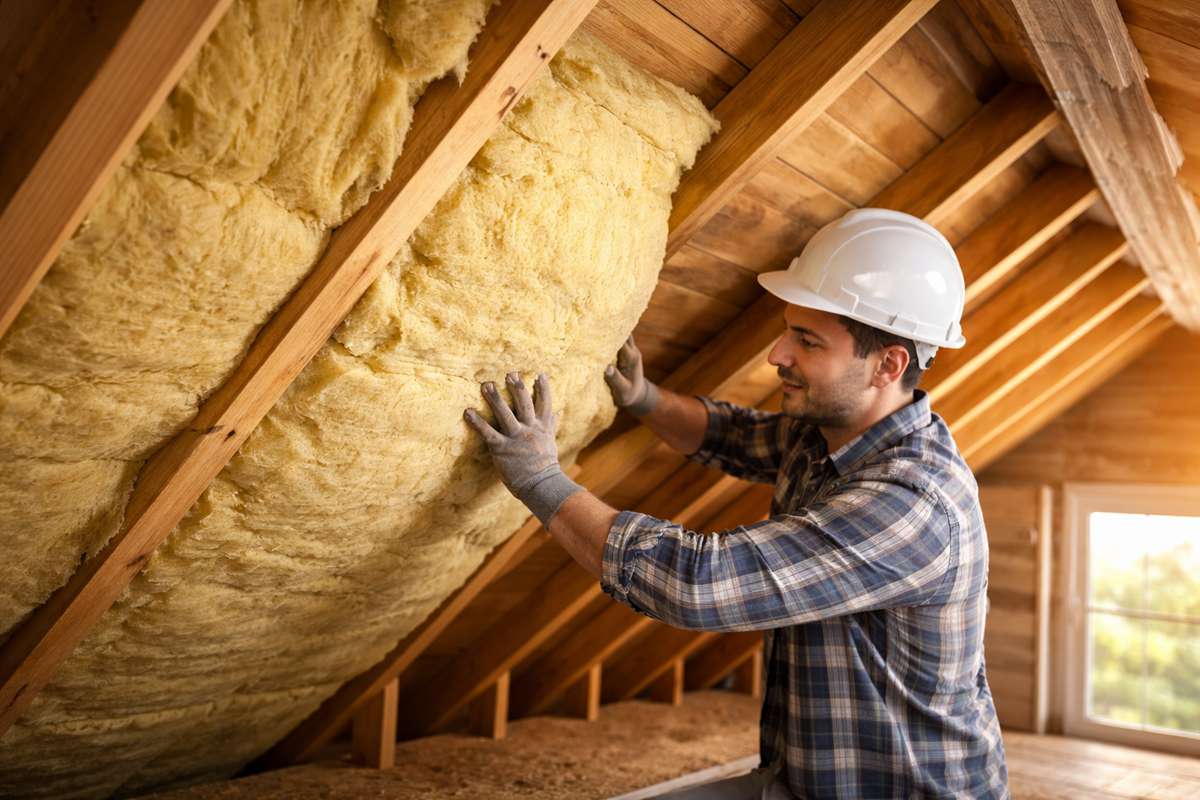
So many of the best house alterations are subtle. Sealing gaps, adding insulation, managing moisture, upgrading windows, and improving air movement might improve the house before you modify its appearance. Although less obvious, these modifications frequently affect cost and comfort more than house improvements.
Consider the Long-Term Effects
When choosing priorities, consider more than just the outcome. Some home modifications resolve an issue in the short term, but not in the long term. Other options cost more initially but save money over time by reducing care expenses, improving energy efficiency, or prolonging longevity. When considering long-term effects, short-term changes have less influence on judgements.
This method works well when money is tight. All beneficial changes don’t have to happen today. The finest long-term return improvement is usually advised. You may reduce heat loss, stop water damage, or improve a busy area. Spending money everywhere is worse than slow, planned upgrades.
Match Changes That Improve Home Use
Home improvement should depend on how people live there. A bedroom, kitchen, bathroom, or shared family area may need immediate attention, while an infrequently used formal room may not. How often that house feature affects the family can suggest worth.
Thus, each home may have different purposes. Home energy consumption modifications may help some more than others. Others may need more storage, airflow, or durable materials in high-use areas. Instead of broad aesthetic goals, house renovations should be based on how people live in the house.
Important Changes Are Usually Helpful
The best home improvements usually resolve ongoing issues, improve daily life, and reduce waste over time. They’re not always famous. These modifications often make the house safer, better, and easier to run. Setting priorities correctly means putting use before whim.
Focusing on performance, long-term value, and real use patterns makes home improvement more about long-term functionality than following trends.