CDE symposium examined trends and challenges in the materials processing industry
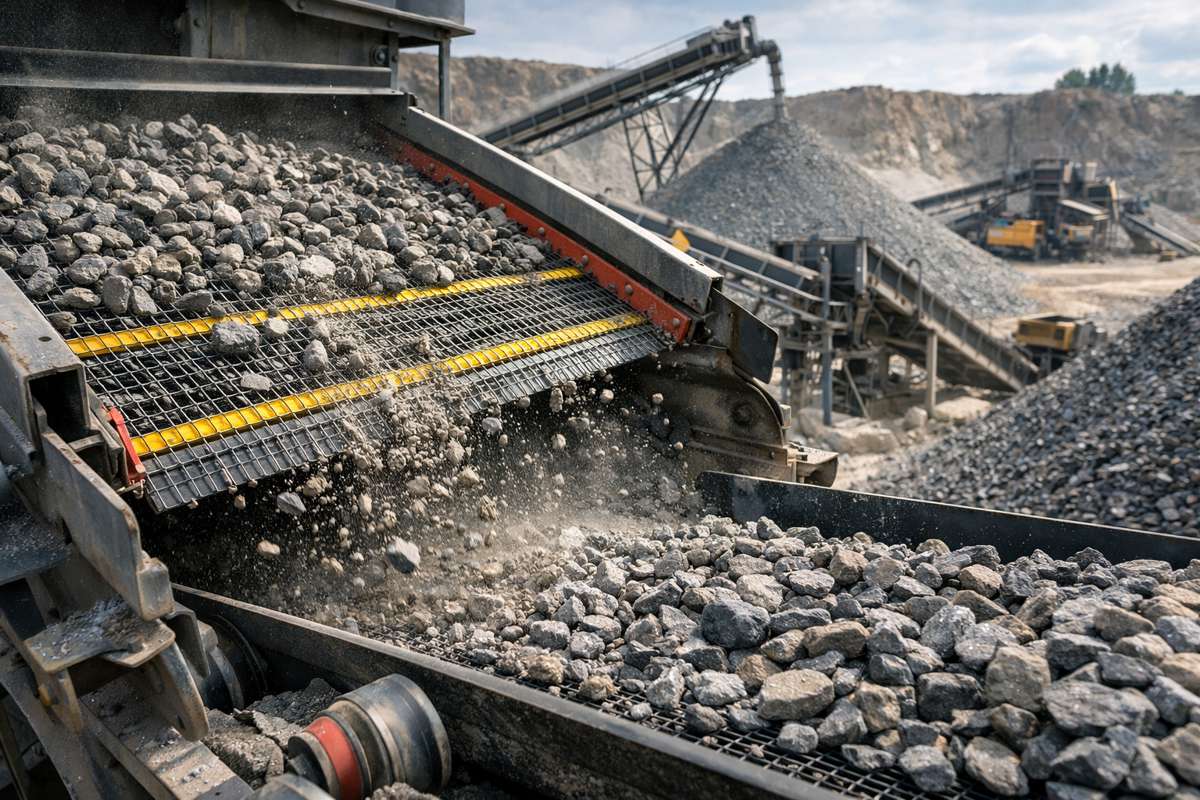
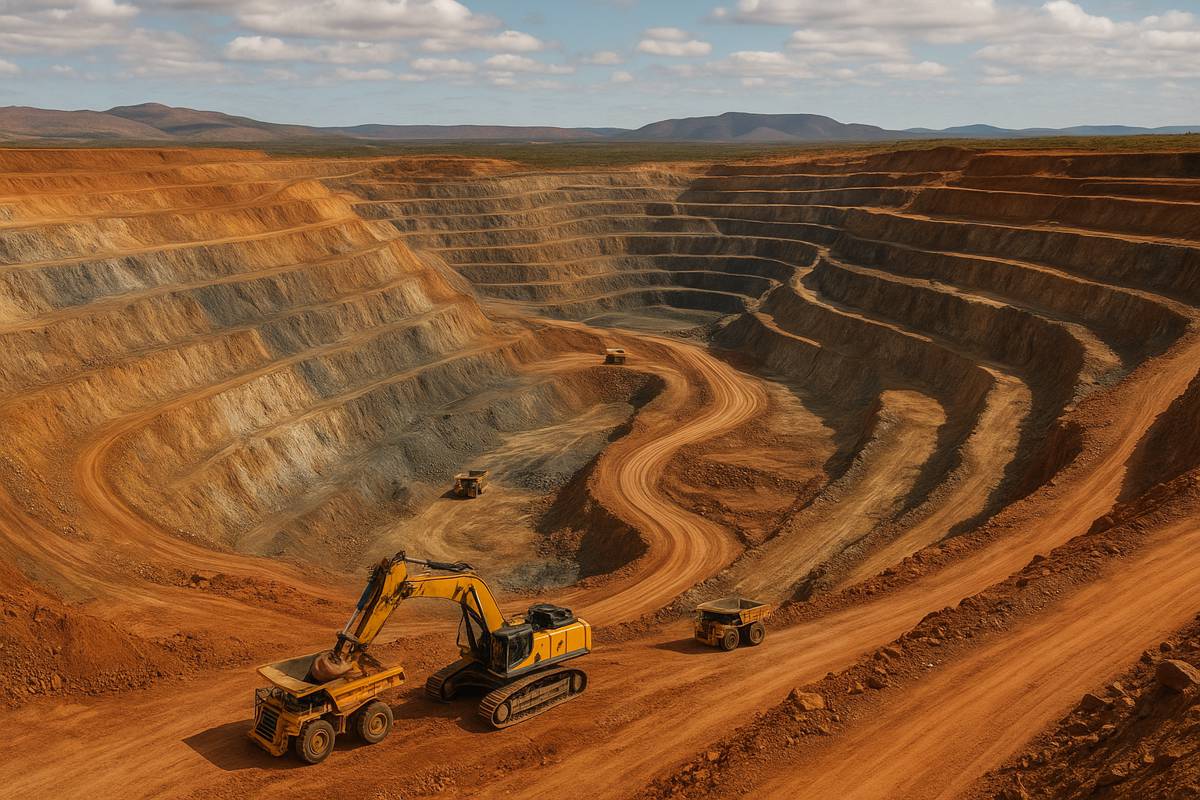
In her talk, Sand Depletion: The global crisis not being talked about, Kiran Pereira, the founder of SandStories.org, said the world’s building stock is expected to double by 2060, a statement she contextualised with the remarkable image of the construction of another New York City every month over the next 40 years.
She was speaking virtually to industry professionals as part of a major two-day symposium for the materials processing industry programmed by CDE, the leading manufacturer of wet processing technologies.
“We’re talking about massive, massive volumes here,” Pereira said. “Sand and gravel today account for the largest volumes of solid material extracted globally.”
The demand, she said, is currently estimated to be about 50 billion tonnes per year, an average of about 18kg per person per day.
Engineering Insights
Hers was one of the keynotes from CDE’s recent Engineering Insights symposium, which took place virtually from 14-15 October. The event was in response to the desire for industry professionals around the world to come together once again as the industry often does at one of its many international tradeshows.
To maintain momentum and to support the continued progression of the industry, CDE, harnessing the global reach offered by digital conferencing, programmed its Engineering Insights symposium to deliver the conference experience virtually.
Across two days, CDE experts, together with a host of guests and industry figures, facilitated a series of dynamic, educational and informative presentations and panel discussions covering multiple sectors, including sand and aggregates, construction and demolition waste recycling, industrial sands, mining, and wastewater.
Recycling pioneers
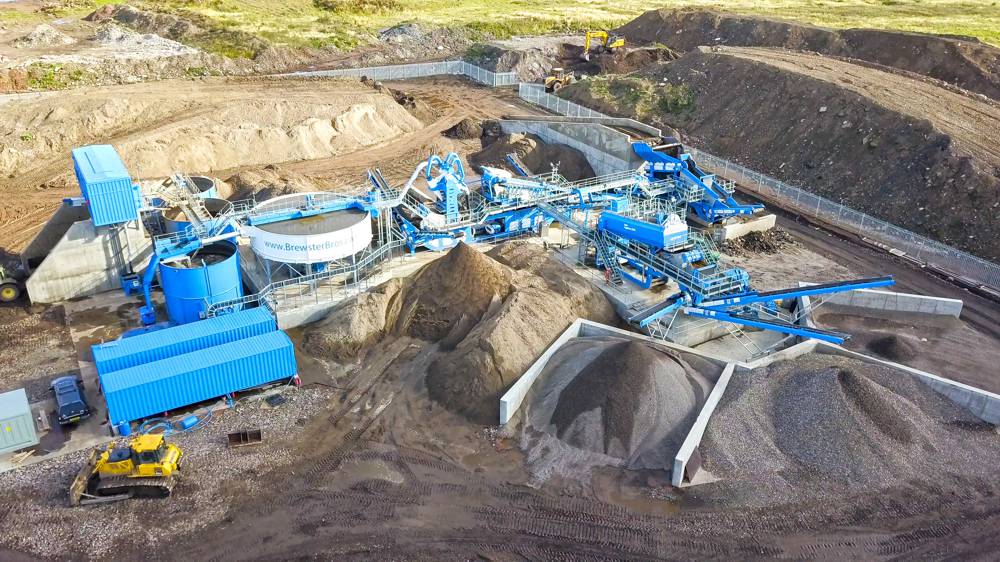
Focusing on the recycling sector, CDE’s Eunan Kelly, Head of RECO, was joined by a panel of construction, demolition and excavation waste pioneers to discuss challenges and opportunities for sustainable construction in the UK and Ireland.
Commenting on the sharp rise in public awareness of sustainability issues, Scott Brewster, Managing Director at Brewster Bros. Ltd, said, “There’s never been a time in history when the general public have been more informed about the environmental crisis we face.”
He referenced how self-discipline and external pressures are leading a shift in how companies in the construction industry operate, citing they have become “leaner and cleaner” for their adoption of recycled aggregates which is improving profit margins and reducing environmental impact.
As well as public pressure, he believes political pressure, including ambitious zero waste and net-zero emissions targets, and fiscal pressures, such as landfill tax and the aggregates levy, will encourage more construction businesses to turn to high quality recycled sand and aggregate products.
Stephen Boyle, Strategic Programme Manager at Zero Waste Scotland, highlighted the significance of the construction sector in Scotland and emphasised the pressure natural resources are under from “rising population, growing economies and changing consumer trends.”
Commenting on the progress being made he said, “In 2018, Scotland generated 5.8 million tonnes of non-hazardous C&D waste. We also had a recycle rate of 97%.”
He added the industry does have a good recycling rate but said the majority of recovered materials are being downgraded and that high-quality recovery and processing can make a difference.
“Good quality recovered materials lead to innovation and upcycling of material into the higher value products.”
Kenoteq, whose vision is to build a circular economy revolution, is one such company innovating and revolutionising the use of recycled materials in the industry.
The company’s response to the CD&E waste challenge, the K-Briq, is made from over 95% recycled content and has just one tenth of the embodied carbon of a traditional clay-fired brick.
Dr Sam Chapman, Managing Director at Kenoteq, said, “There seems to be a misconception that recycled waste materials are of a lesser quality and we want to add to the story that they’re absolutely not.”
He said the innovation responds to four critical challenges in the industry, including brick shortages, housebuilding targets, new waste legislation, and environmental impacts.
Drawing the session to a close, Eunan Kelly reiterated that the technology, the innovations, and solutions exist, but that the industry needs to “build confidence in a marketplace that is still sceptical.”
Sand and aggregates
Viv Russell of Longcliffe Quarries and James Thorne from the Institute of Quarrying joined with CDE to discuss the hidden value in by-product stockpiles.
Russell explained, “A lot of things have changed over the years. Certainly, overburden was something you would muck away… and potentially, in the life of a quarry, you would move around three or four times.
“You can’t afford to transport this material anymore,” he added.
Pressures and influences on the industry, such as the Aggregates Levy in 2002, meant that a solution to costly waste products had to be found.
Russell continued, “Touching them [the waste products] once and turning them into a product is common sense. Now scalpings and crushed rock fines…once seen as a waste are now seen as a resource.”
Commenting on the evolution in practice in the industry, Thorne said, “The drivers are changing and the industry is moving its focus to reflect that.”
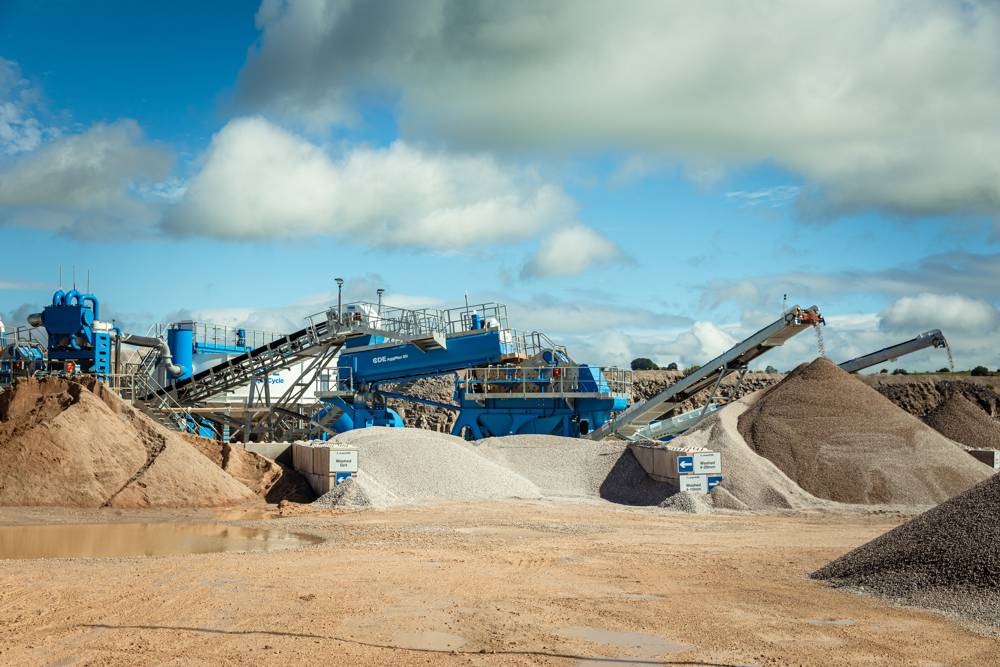
Waste reduction was a key factor for Longcliffe when its bespoke wet processing plant was developed by CDE, and the result was the recovery of high-quality single-sized aggregates and sand grades. This served to maximise available reserves as well as supporting the environmental targets of the company.
Russell said, “We’re an industrial minerals business using a very high grade calcium carbonate powders and fines…if any clay got into the material it would contaminate it. We were handling 300,000 tonnes a year. We were initially looking to do it [install a CDE plant] to create a construction stone material to sell into the ready-mix concrete market or general aggregates market.
“One of the things which we found, which we’re absolutely delighted about, is that because we managed to clean the material so well and remove the clays, it has actually…improved the stone chemistry so that we can use some of our industrial mineral products. That’s great from a sustainability point of view…and has opened us up to the decorative aggregates market.”
Wastewater solids separation
A panel convened to discuss the biggest municipal and industrial wastewater separation challenges included experts from CDE and GEA.
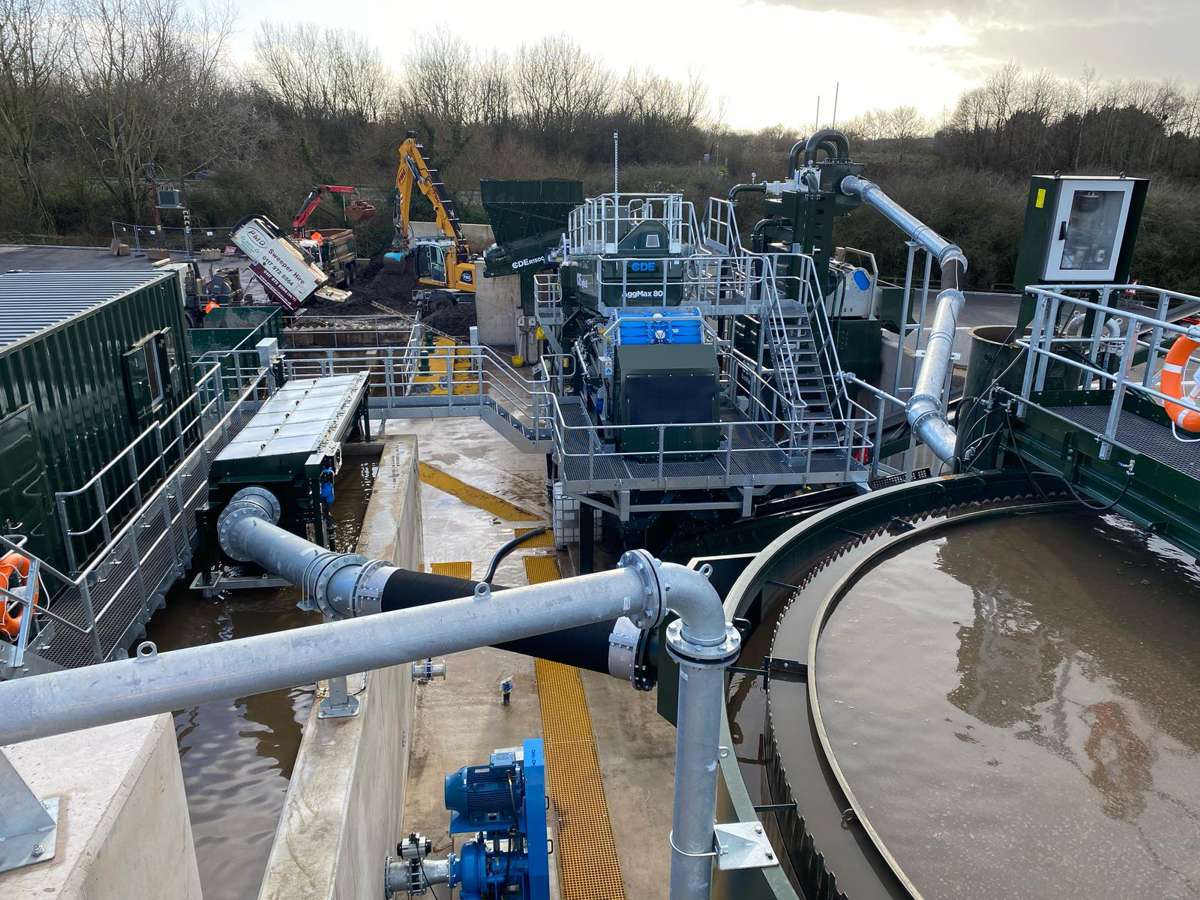
Upstream wear protection is one of the main challenges GEA sees. The CDE ProDec plant was designed to protect its centrifuges.
“In a process that is properly designed and managed, wear rates can be really low when you’re using centrifuges,” explained Kevin Mooney, wastewater sector manager at CDE.
He said aggressive wear in wastewater processes doesn’t have to be accepted, but that the industry has become conditioned to view such wear as a normal part of the process.
“Wear isn’t because of the technology, it’s because of the process before it. It’s not normal for pumps to wear, tanks to fill, centrifuges to experience wear.
“The savings in maintenance and downtime just by stopping grit wearing your process are huge,” he added.
Pat Condron, Business Manager, Environmental, at GEA Mechanical Equipment, said traction is being gained in terms of companies becoming more proactive and engaging in preventative maintenance.
Given the ability to produce energy from wastewater, he said municipal wastewater companies are becoming more like power generation companies and are taking a more “proactive view of maintenance.”
Sharing knowledge
The packed two-day programme featured almost 90 sessions involving over 100 speakers. David Kinloch, Director of Business Development UK & Ireland at CDE, says: “In these unique and challenging times there are many restrictions that have prevented CDE, our customers, and others in materials processing from coming together at industry events to discuss the prevalent issues of the day and the latest technological advances.
“Utilising our global network, we decided to programme the major two-day Engineering Insights symposium which proved to be a huge success with almost 1,500 industry professionals from around the world registering.
“We firmly believe this shared approach to knowledge and expertise is a better way to aid the progression of the industry.”
He says it is important to ensure these discussions can continue even though the industry is unable to come together in the same space.
“The challenges facing our industry – sand depletion, water management, sustainable mining and much more – have not gone away. As an industry leader in these fields we felt a responsibility to convene the very best in the business to facilitate these important conversations.”
The full Engineering Insights programme is now available to view on-demand for registered attendees. For more information visit cdeglobal.com/vevent.