Rio Tinto’s Gudai-Darri opens their most Technologically Advanced Mine
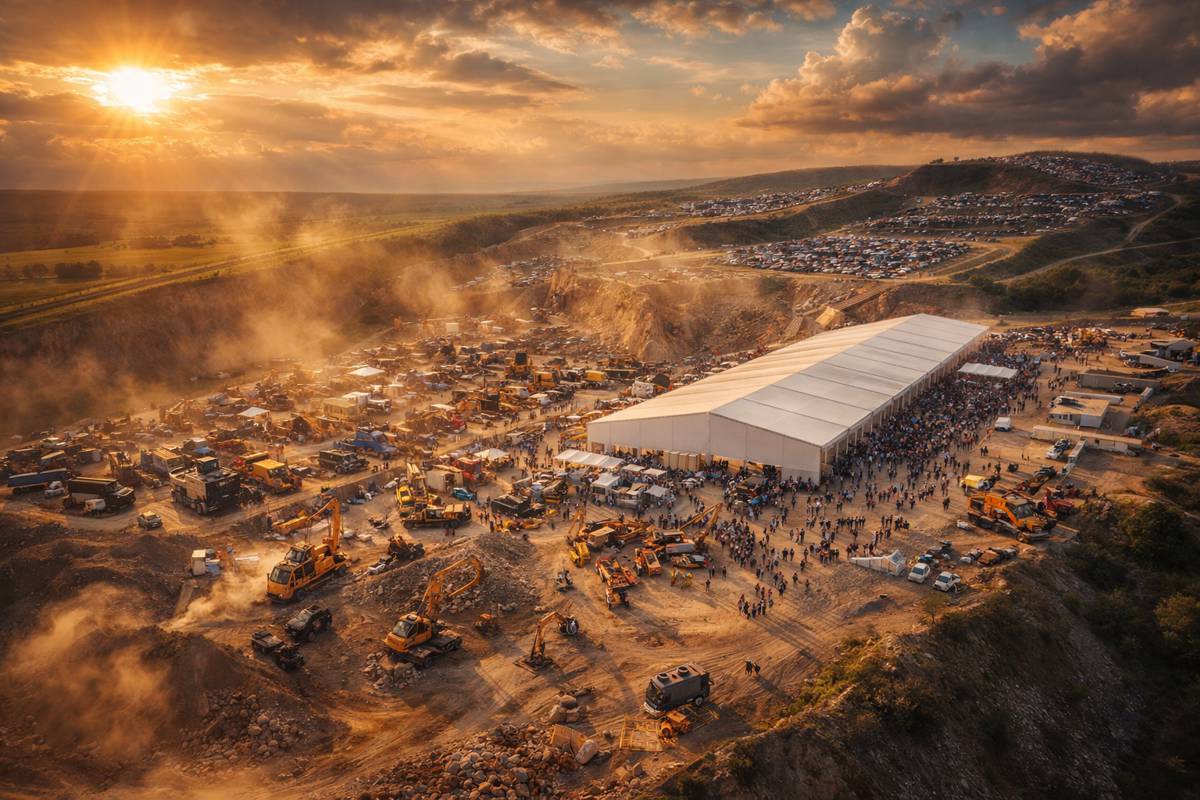
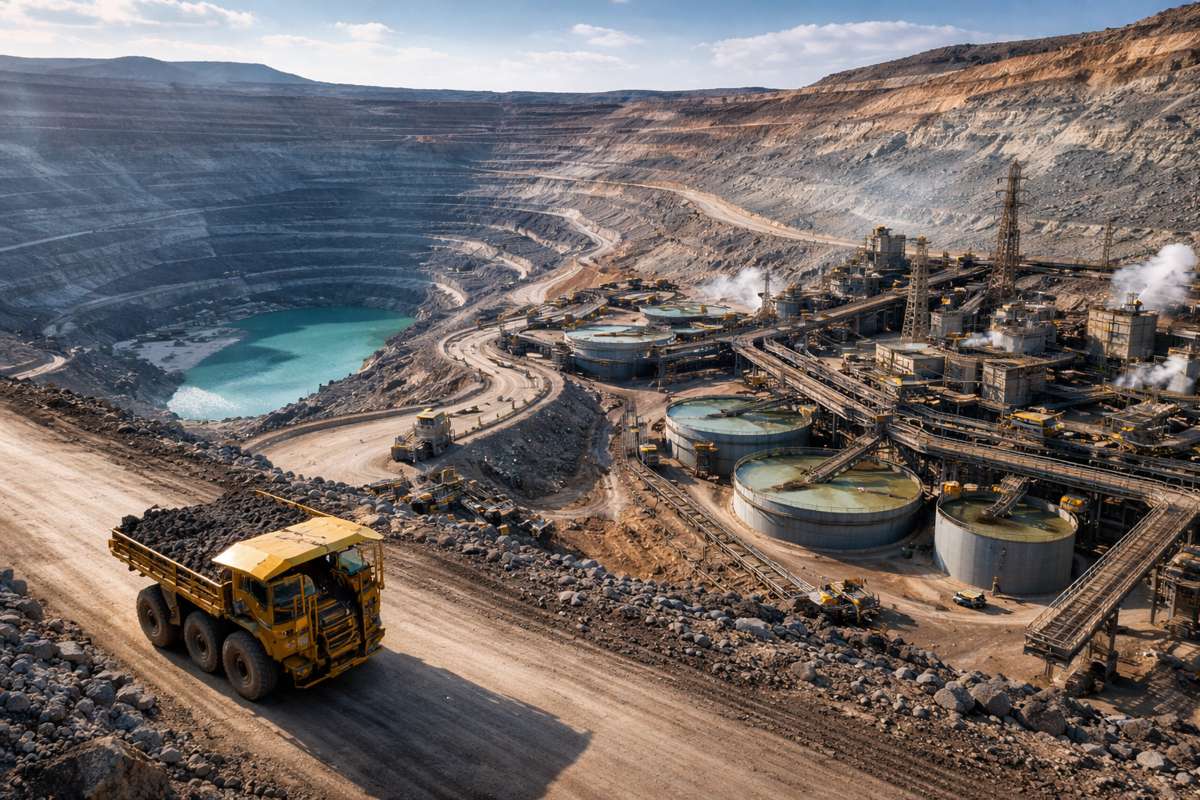
Pilbara Traditional Owners, the Banjima People, and Western Australia’s Minister for Mines and Petroleum; Energy, Hon. Bill Johnston MLA, today joined Rio Tinto employees as well as valued partners and suppliers to celebrate the official opening of Gudai-Darri, Rio Tinto’s most technologically advanced mine.
A large contingent of Traditional Owners attended the opening which featured a smoking ceremony and traditional singing and dancing to welcome over 100 guests to Banjima country. The mine’s footprint also extends to Yinjibarndi country where a section of the new 166-kilometre rail line was constructed.
Since development commenced in April 2019, more than 14 million workhours have culminated in the delivery of Rio Tinto’s 17th and most technologically advanced iron ore mine in the Pilbara. Development of the mine supported more than 3,000 jobs during the construction and design phase with the operation requiring around 600 permanent roles.
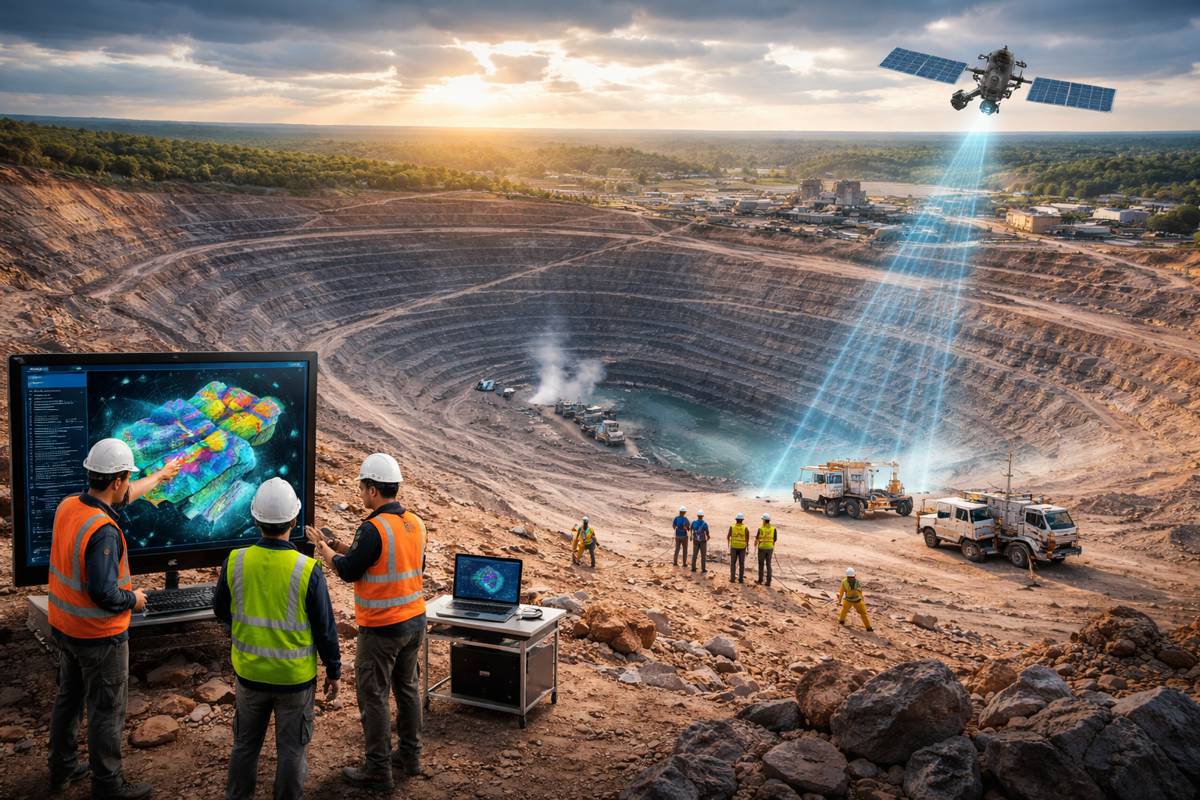
To optimise mine safety and drive productivity, Gudai-Darri features an unprecedented deployment of technology, much of it industry-leading. This includes the use of robotics for the ore sampling laboratory as well as for distribution of parts in the new workshop.
From autonomous trucks, trains and drills, standard across many Rio Tinto mines in the Pilbara, to a full digital replica of the processing plant which allows teams to monitor and respond to data collected from the plant. The same digital asset data is used to provide a feature rich, interactive 3D environment for virtual reality training. These autonomous assets are monitored remotely from Rio Tinto’s Operations Centre 1,500 kilometres away in Perth.
With an expected life of more than 40 years and an annual capacity of 43 million tonnes, Gudai-Darri will underpin future production of Rio Tinto’s Pilbara Blend™ product. It’s expected to increase iron ore production volumes and improve product mix from the Pilbara from the second half of this year. The mine is expected to reach capacity in 2023.
Rio Tinto Iron Ore Chief Executive Simon Trott, said: “We’ve worked closely with both the Banjima and Yindjibarndi People through the planning and development stages of Gudai-Darri and we look forward to partnering with them into the future to ensure the project achieves significant social and economic benefits.
“Gudai-Darri represents a step-change in the deployment of automation and technology within our iron ore business and a fantastic demonstration of the talent, ingenuity and capability that exists in Western Australia, a region which is now known globally for its technical excellence and innovation. Gudai-Darri’s combination of data and analytics, machine learning and automation, will make this mine safer and more productive.
“Gudai-Darri is our first greenfield mine in the Pilbara in more than a decade and a multi-billion-dollar investment in the State of Western Australia that will operate for decades to come.”
Western Australia’s Minister for Mines and Petroleum; Energy, Hon. Bill Johnston MLA, said: “It’s great to be here today to celebrate this momentous occasion. I’m impressed by Rio Tinto’s innovation and sustainability; this is a prototype of the mine of the future. Once the new solar farm is complete it will be able to power one-third of Gudai-Darri’s operational needs with renewable energy.
“This multi-billion-dollar investment in Western Australia, is great for the economy and its 40-year mine life will support thousands of jobs into the future.”
A total of A$3.2 billion in goods and services were sourced within Western Australia during the construction phase of the Gudai-Darri Project with contracts valued at A$1.5 billion awarded directly to WA-registered businesses such as NRW, Primero, DTMT Construction Company, Southern Cross Electrical Engineering and Monadelphous Engineering Associates.
This includes over A$100 million awarded directly to local Aboriginal businesses including White Springs, Lorrex Contracting, Hicks Civil & Mining, Brida, Karijini Development, Yurala Contracting Services, and Karlka FenceWright WA.
Gudai-Darri brings together a suite of innovations, including:
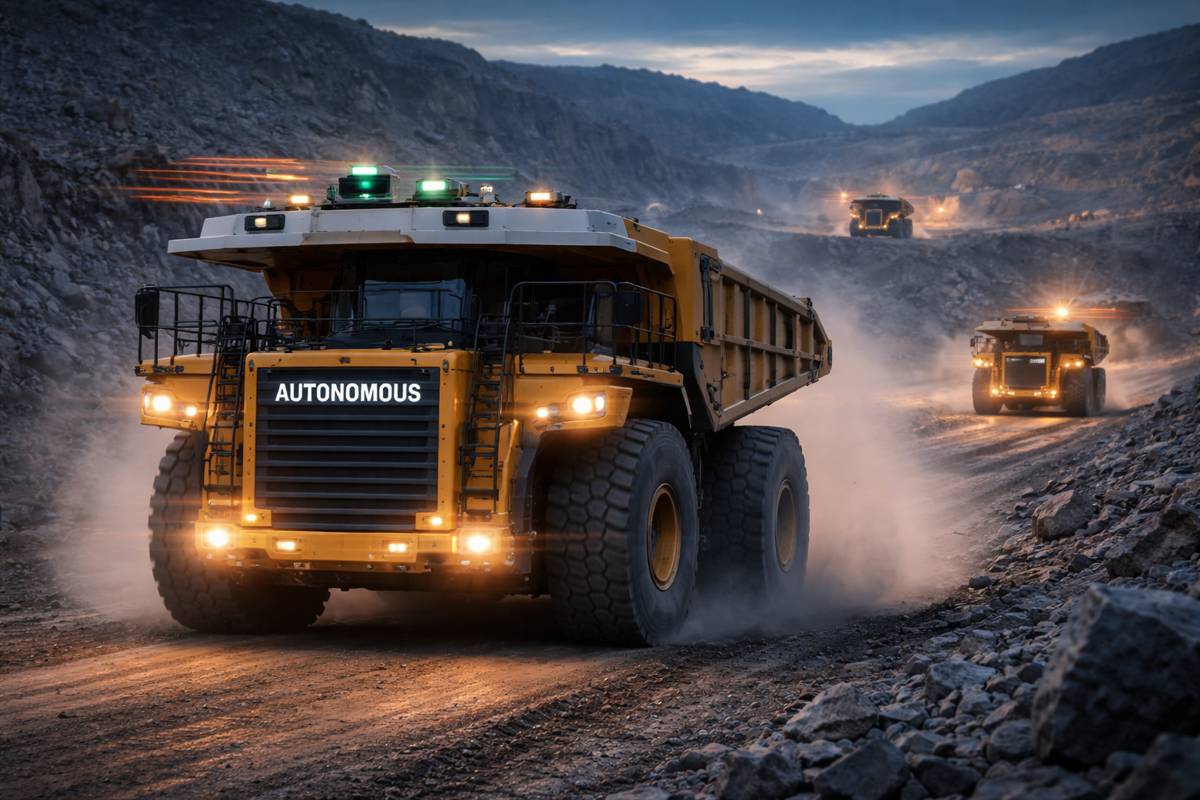
- Autonomous trucks and drills: Gudai-Darri has 23 CAT 793F autonomous haul trucks and three CAT MD6310 autonomous drills. The trucks implement real-time ore tracking using sensors to provide live dig face progression, while data-informed modelling from the drills helps to build more accurate assessments of existing ground conditions and improve safety. In collaboration with Caterpillar, Rio Tinto is advancing the development of zero-emissions autonomous haul trucks. Once development is complete, it is anticipated the world’s first operational deployment of Caterpillar 793 zero-emissions autonomous haul trucks will be at Gudai-Darri.
- The world’s first autonomous water carts: The new vehicles, developed in partnership with Caterpillar, are primarily used for dust suppression on site, enhancing productivity by enabling mine operations to digitally track water consumption and reduce waste. The vehicle’s intelligent on-board system detects dry and dusty conditions on site, triggering the application of water to roads to keep them in good condition.
- Autonomous trains (AutoHaul™): Fully operational in June 2019, AutoHaul™ was the world’s first fully autonomous long distance, heavy-haul rail network. The autonomous train is monitored remotely by operators from our Operations Centre in Perth more than 1,500 kilometres away.
- Rio Tinto’s first rotable bucketwheel reclaimer: Traditionally reclaimer maintenance requires a prolonged shutdown while several components are removed. This patented world first will enable the entire bucket wheel module to be changed out for maintenance, improving safety and efficiency
- Robotic ore sampling laboratory: The Gudai-Darri laboratory is fully automated and integrated with our mine. Production samples (both lump and fines) enter the lab via a conveyer from the sample station and will be transferred to the automated production cell by a robot. This facility will provide excellent visibility of the ore grade being stockpiled on site.
- Robotics in Heavy Mobile Equipment warehouse: The heavy mobile equipment (HME) warehouse is the home to four automatic guided vehicles (AGVs) designed to automate the handling of pallet frames. The introduction of AGV’s to the warehouse will reduce manual handling and improve safety with the introduction of laser obstacle scanners and auto stop functions.
- Paperless field mobility: We are using technology to provide our people with in-field access to real-time data – connecting our teams to each other, to our work and our assets. Through tablets, team members can access many of the applications they require out in the field thereby eliminating the need for paper-based systems and reducing unnecessary travel.
- ‘Digital twin’ asset: Our digital asset will be a first within Rio Tinto and will enable our team members to visually navigate the asset, plan their work using a (to scale) 3D model and view or download associated technical data and documents. The same digital asset data is used to provide a feature rich, interactive 3D environment for virtual reality training.
- Solar farm: The solar farm consists of about 83,000 solar panels made up of photovoltaic cells to convert sunlight into electricity. Capacity is up to 34MW and is expected to supply about a third of the mine’s average electricity demand once construction is complete in August.