Rebuilding the Critical Minerals Supply Chain from Rock to Refinery
One of the defining infrastructure challenges of the 2020s is not a bridge, a tunnel or a megaproject. It is the quiet but decisive struggle to secure critical materials that underpin everything from smartphones and satellites to grid-scale batteries, data centres and advanced defence systems. For the United States, the stakes are particularly high.
Despite possessing geological deposits of nearly all critical minerals, the US remains heavily dependent on overseas extraction and, more critically, processing. Much of the world’s refining capacity sits in China, creating a strategic imbalance that policymakers in Washington increasingly view as untenable. Supply chain fragility, exposed during recent geopolitical tensions and pandemic disruptions, has sharpened the urgency.
At the centre of the response is the Idaho National Laboratory, which is working with eight other national laboratories and nearly 30 companies to re-engineer the domestic critical materials ecosystem. The ambition is not merely to mine more rock. It is to reconnect an entire value chain, from ore body to final product, within US borders.
As Travis McLing, a subsurface research scientist at INL, put it: “Critical materials and metals are crucial to our daily lives. However, we depend heavily on foreign entities, jeopardizing our technological leadership and national security. The supply chain needs to be connected and sourced in the U.S. It isn’t enough to mine materials here. We must also produce and refine them domestically. Our goal is to create a resilient supply chain from rock to final product.”
That distinction between mining and full-spectrum production is where the conversation is shifting. Extraction without processing leaves a nation exposed. Refining without feedstock leaves industry constrained. The missing piece has long been integration.
Why Critical Minerals Now Shape Infrastructure Strategy
Critical minerals are not an abstract policy concern. They are the backbone of modern infrastructure and industrial systems. Lithium, cobalt, nickel and rare earth elements are central to electric vehicles and renewable energy storage. Gallium and germanium underpin semiconductors. Copper remains indispensable to electrification and digital connectivity.
According to the International Energy Agency, demand for minerals used in clean energy technologies could more than double by 2040 under current policy trajectories. In scenarios aligned with net zero targets, demand growth is even steeper. That surge places pressure not only on mining output but on refining and processing capacity.
For contractors, equipment manufacturers and infrastructure investors, the implications are direct. Without reliable mineral supply, project timelines stretch, costs rise and strategic sectors stall. National competitiveness, contractor backlogs and even equipment procurement are tied to material availability.
This is not simply a mining story. It is an industrial resilience story.
From Ore to Opportunity The Processing Bottleneck
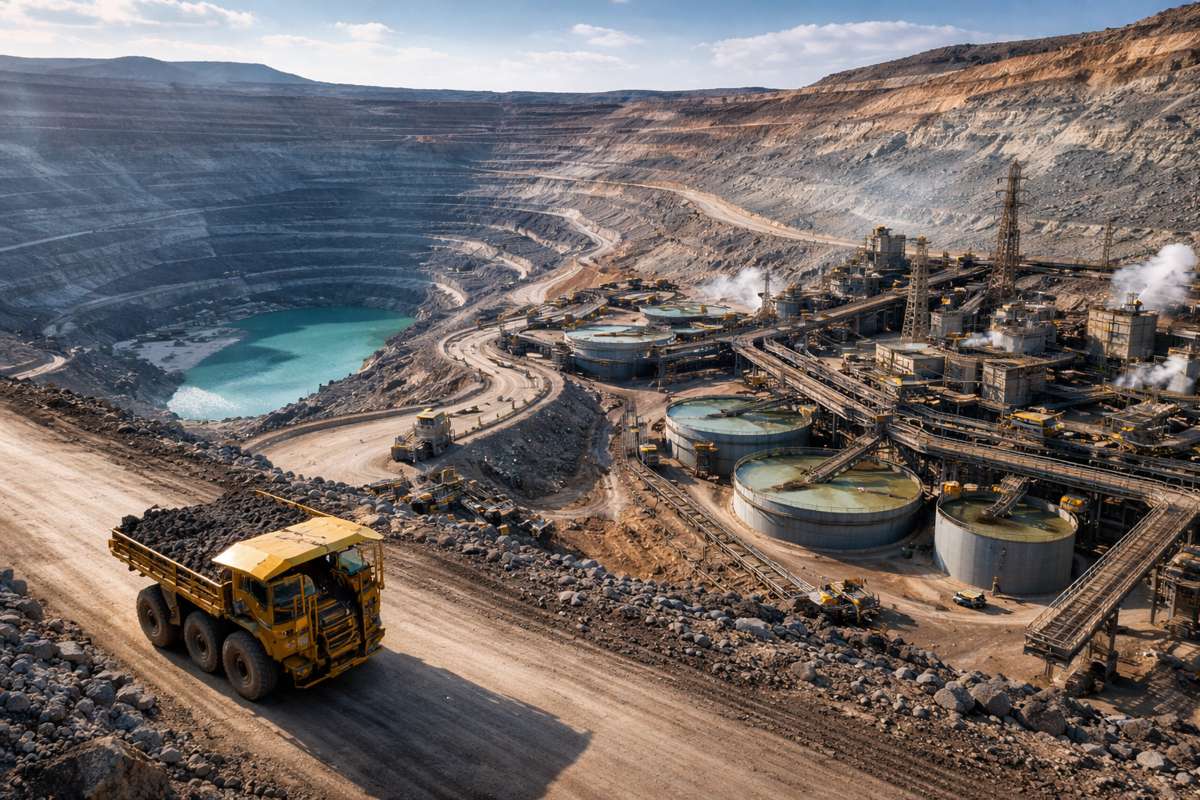
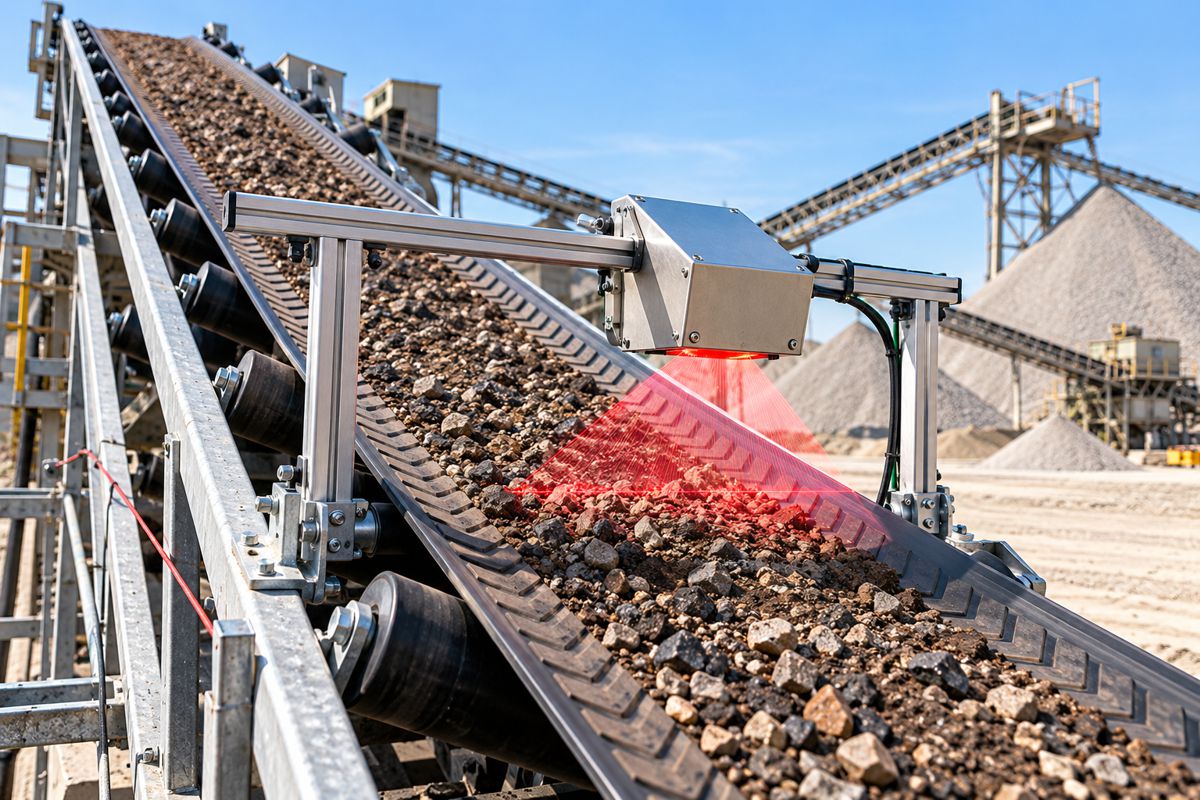
Mining is only the first chapter. Once extracted, ore must undergo beneficiation, crushing and grinding to separate valuable material from waste. It is then concentrated, transported and subjected to chemical or thermal treatments to isolate and purify target elements.
The challenge is stark. As McLing noted: “If you look at a copper mine, for example, mine ore only contains about 0.2% copper on the high end. That means they have to process and throw away 99.8% of the rock to get the 0.2% they want.”
That 99.8 percent is typically treated as waste. Yet in many cases, it contains other critical elements that conventional facilities are not configured to recover. Historically, processing plants have been designed around one or two primary outputs. Anything requiring a different separation pathway often ends up in tailings.
This is where INL’s approach becomes commercially significant. Rather than viewing tailings as a sunk cost, researchers are exploring ways to extract additional value streams. Adding processing capability at mine sites, or routing intermediate materials to specialised facilities, could reduce waste while increasing domestic supply of multiple minerals.
In effect, it is a shift from single-output mining to multi-mineral resource optimisation.
Geological Complexity Demands Technological Precision
Critical minerals do not reside in uniform deposits. They are hosted in diverse geological environments that require tailored extraction and processing strategies.
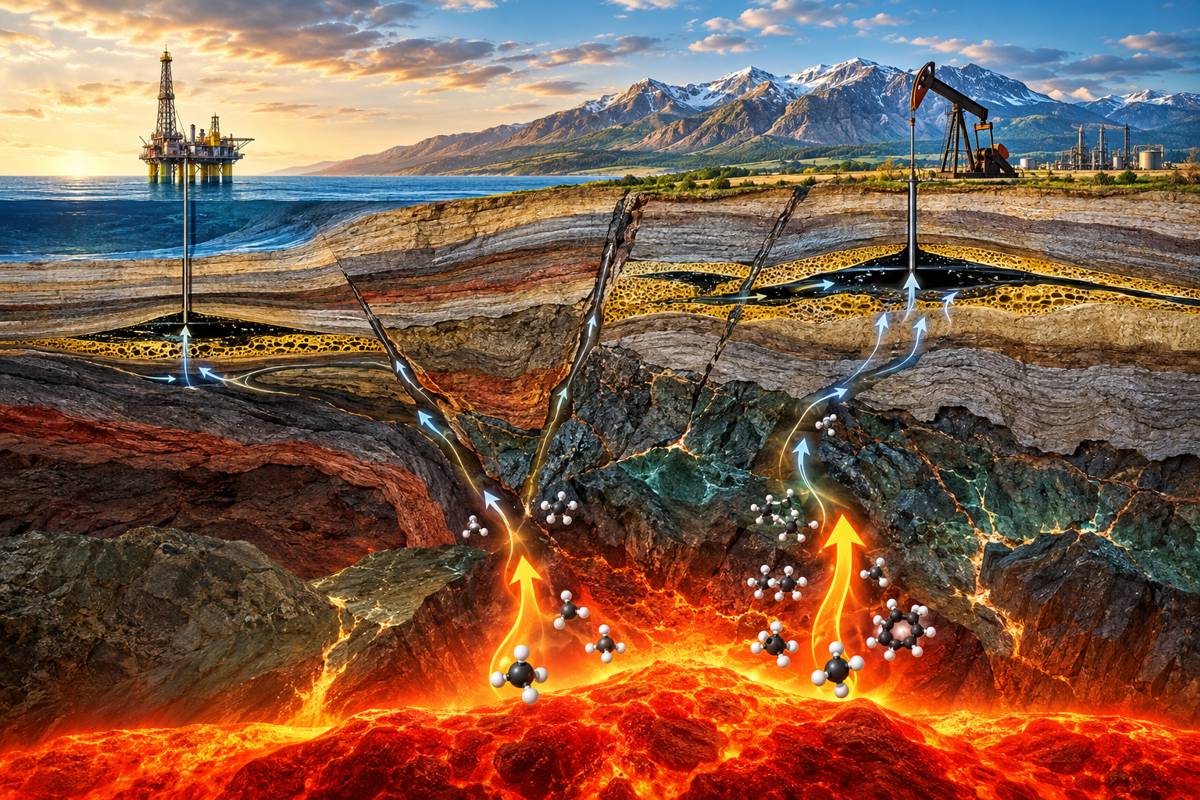
Alkaline intrusive rocks, formed by slowly cooled magma, can contain alkali metals such as sodium and potassium alongside other valuable elements. Pegmatites, known for their large crystal structures, often host lithium and beryllium. Hydrothermally altered rocks, reshaped by high-pressure, mineral-rich fluids, concentrate metals in complex and sometimes diffuse patterns.
Each rock type presents unique metallurgical challenges. Processing routes that work for a pegmatite may prove ineffective for hydrothermal systems. This diversity complicates scaling and adds technical risk, which in turn can deter private investment.
Mining, unlike oil and gas, has historically underinvested in research and development. The sector operates on tight margins and long timelines, leaving limited appetite for experimental technologies. As McLing acknowledged, engaging industry requires aligning innovation with economic practicality.
“There are challenges in engaging industry effectively,” he said. “But INL is well suited to work with mining companies to make the entire process, from mining to production, more economical and efficient.”
Digital Mining and Robotics Enter the Field
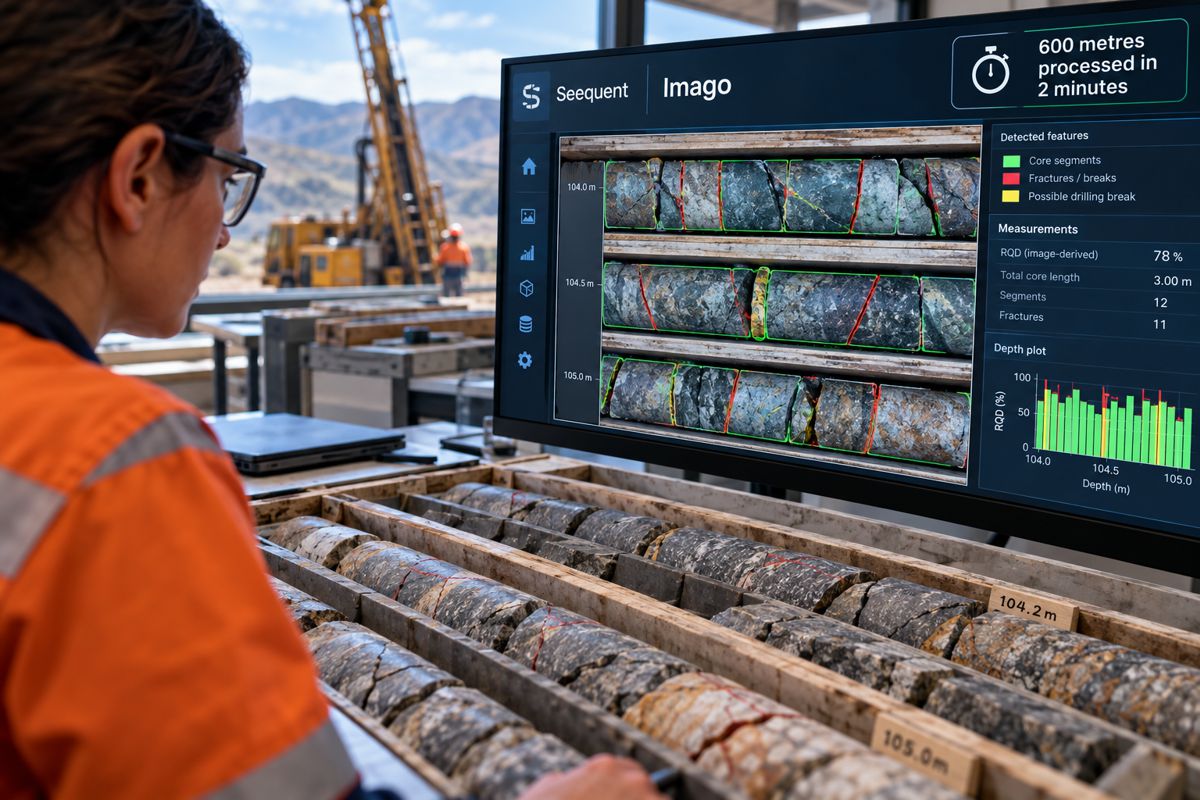
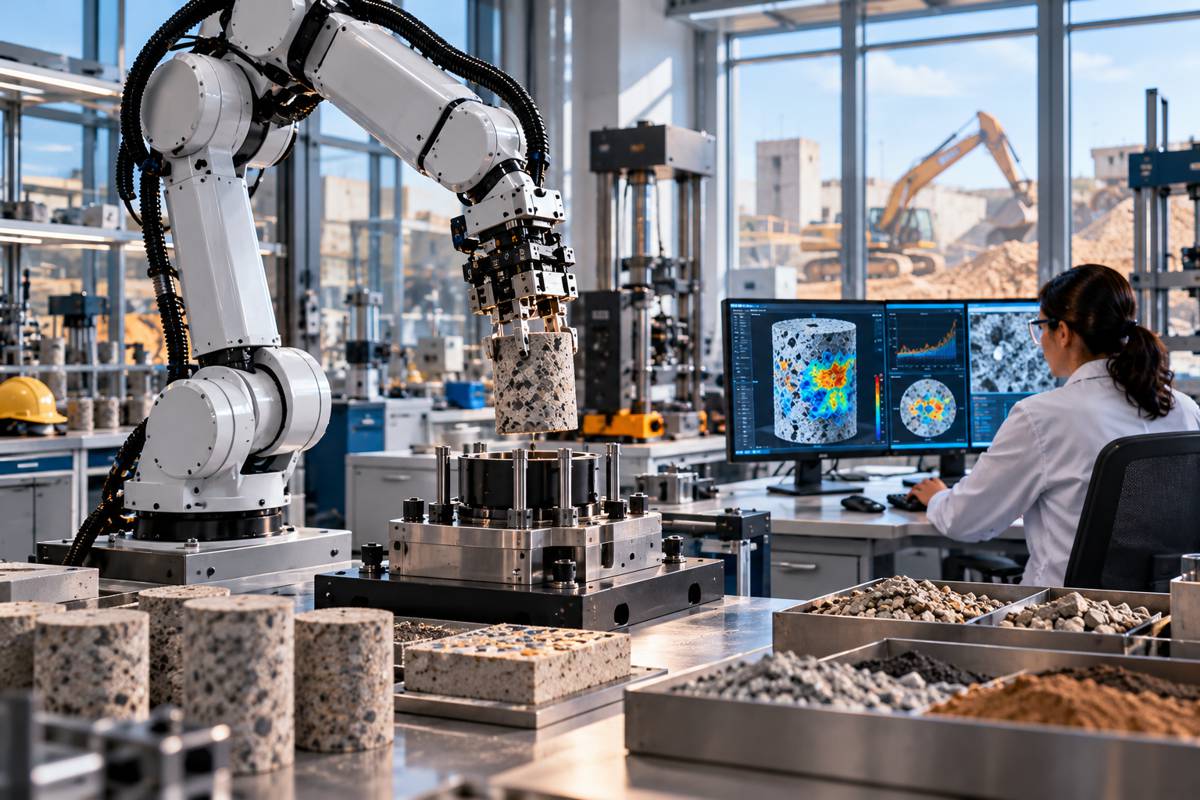
To bridge that gap, INL is developing digital tools and robotics aimed at transforming how ores are characterised and processed. Remote sensing, autonomous equipment and digital twins are being deployed to map deposits more accurately and manage resources in real time.
Digital twins, virtual replicas of physical systems, enable operators to simulate processing scenarios before implementing changes on site. In an industry where trial and error can cost millions, predictive modelling offers a clear commercial advantage.
Robotics research is also targeting material separation and recovery. Advanced sensors can identify and sort ores with greater precision, reducing energy consumption and minimising waste streams. Automated systems can operate in hazardous environments, improving worker safety while maintaining throughput.
Aaron Wilson, a chemical scientist at INL, emphasised the recovery imperative: “Our aim is to increase the recovery of minerals from both conventional and unconventional sources. We want to help industry maximize recovery while minimizing waste and protect American workers and the environment.”
That dual focus on yield and environmental protection is increasingly non-negotiable. Investors and regulators alike demand lower carbon footprints and reduced tailings risk. Technological upgrades that improve both efficiency and environmental performance are more likely to attract capital.
Advanced Separation and Leaching Technologies
Beyond digital optimisation, INL is advancing analytical instruments capable of detecting trace concentrations of critical materials in natural water, mine tailings and recycled products. Identifying viable secondary sources expands the resource base without opening new mines.
Separation science is another focal point. High-purity outputs are essential for semiconductors, advanced batteries and defence applications. Even minor impurities can compromise performance. Advanced separation techniques aim to isolate and purify materials to meet stringent industrial standards.
Leaching processes, which use acids or bases to dissolve and extract target elements, are being refined to improve selectivity and reduce waste. Applied not only to ores but also to batteries and electronic waste, these methods could support a circular economy for critical materials.
Recycling is increasingly part of the policy conversation. The U.S. Geological Survey has repeatedly highlighted the strategic importance of diversifying supply through secondary sources. Urban mining, once a niche concept, is edging into mainstream strategy.
Strategic Timelines and the Policy Window
The timeframe is tight. McLing underscored the urgency: “Critical material extraction is this generation’s moonshot. We need to solve our supply chain in the next five to seven years. That’s a policy and technical solution to create a friendly supply chain that works for everyone.”
Five to seven years is not long in mining terms. Permitting, development and commissioning cycles can easily exceed a decade. That reality places greater emphasis on improving recovery from existing operations and accelerating processing innovation.
Federal policy has begun to reflect this urgency. Incentives under recent industrial and climate legislation aim to stimulate domestic manufacturing and mineral processing. However, technology deployment will ultimately determine whether policy ambition translates into industrial capacity.
For infrastructure planners and policymakers, the implications are clear. A resilient mineral supply chain underpins electrification, digital connectivity, renewable energy deployment and advanced manufacturing. Without it, project risk rises and strategic autonomy weakens.
A Resilient Supply Chain as Industrial Bedrock
INL’s collaborative effort with national laboratories and industry partners represents a systemic approach. Rather than focusing narrowly on extraction volumes, it addresses characterisation, beneficiation, separation, refining and recycling as interconnected stages.
If successful, the impact will extend beyond mining. Construction equipment manufacturers rely on advanced alloys and electronics. Renewable energy developers depend on battery materials and rare earth magnets. Defence contractors require secure access to specialised metals. A domestic, integrated supply chain reduces exposure to geopolitical shocks.
Wilson summarised the broader ambition: “INL researchers are inventing the next generation of mining technology. Our work will minimize waste, enhance safety and increase recovery rates. We are experienced thought leaders creating the technologies the industry needs.”
For the global construction and infrastructure ecosystem, the message resonates beyond US borders. Many countries face similar dependencies and processing gaps. Technological breakthroughs in one jurisdiction often ripple outward through equipment supply chains and industrial partnerships.
In that sense, rebuilding America’s critical minerals supply chain is not only a national project. It is part of a broader rebalancing of global resource governance. And as electrification accelerates and digital infrastructure expands, the quiet revolution in ore processing may prove as consequential as any headline megaproject.