Building the Roads, Rails and Runways of Tomorrow
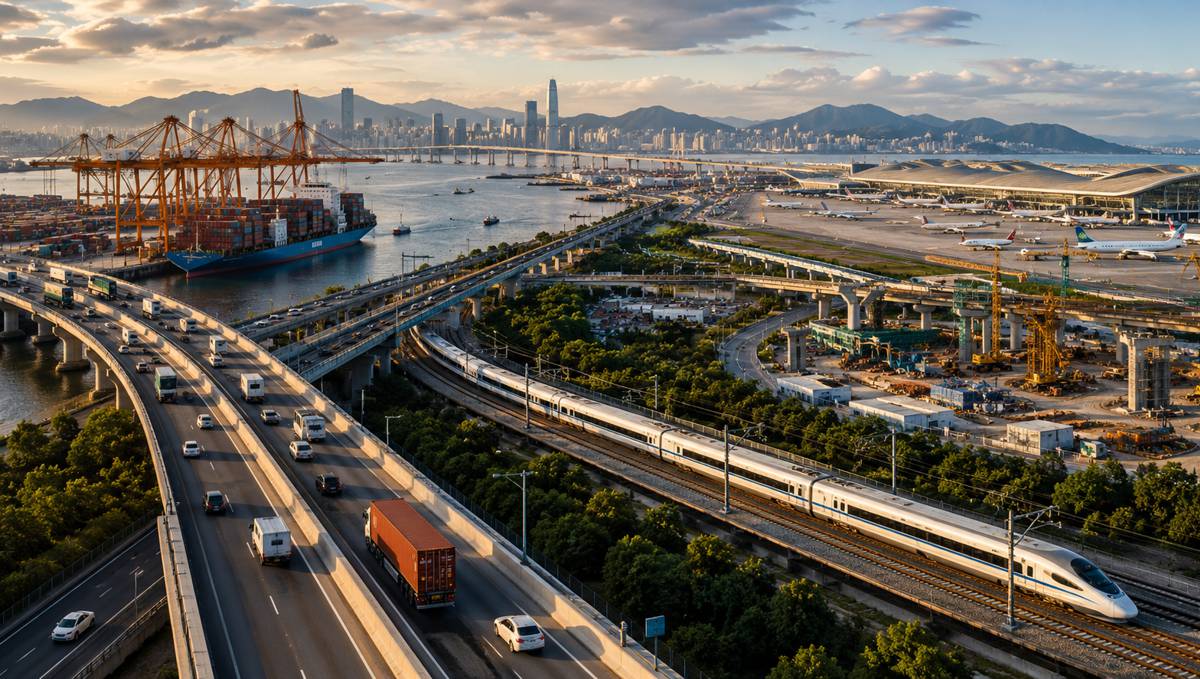
A new analysis from the Asian Development Bank (ADB) has delivered a stark message for policymakers, investors and infrastructure planners. Even as developing economies across Asia and the Pacific embark on the largest transport infrastructure expansion programme in history, demand for mobility, connectivity and economic integration is rising even faster.
Published on 19 May 2026 by ADB experts Alvin Mejia, James Leather and Sudhir Gota, the report presents what is arguably the most comprehensive assessment yet of transport infrastructure requirements across the region’s developing economies. It concludes that annual transport investment will need to rise from approximately US$800 billion today to around US$2.6 trillion per year through 2035, yet even that unprecedented level of spending will not fully close the infrastructure gap.
For construction companies, engineering consultancies, equipment manufacturers, transport authorities and institutional investors, the findings carry major implications. The coming decade promises enormous opportunities across roads, railways, airports, ports and urban transit systems. At the same time, financing constraints, governance challenges and shifting sustainability priorities will determine whether these investments translate into genuine economic and social benefits rather than simply adding more concrete and steel to the landscape.
Briefing
- Developing Asia requires approximately US$2.6 trillion annually in transport investment through 2035.
- Roads remain the largest spending category, while rail investment is forecast to reach US$7 trillion.
- Airport infrastructure is expected to experience the fastest physical expansion, more than doubling in area.
- Funding gaps persist despite record investment levels, creating opportunities for innovative financing models.
- Strong governance, planning and maintenance strategies will be as important as construction expenditure itself.
Asia’s Infrastructure Expansion Reaches Historic Scale
Few regions in history have attempted infrastructure development on the scale now underway across Asia and the Pacific. Rapid urbanisation, industrialisation and rising household incomes continue to transform mobility patterns from South Asia to Southeast Asia and beyond.
The United Nations has designated 2026-2035 as the Decade of Sustainable Transport, reflecting the growing recognition that mobility systems underpin economic growth, trade competitiveness and social inclusion. According to estimates from organisations including the World Bank and OECD, transport infrastructure remains one of the most powerful enablers of productivity growth, particularly in emerging economies where connectivity constraints continue to hinder development.
ADB’s latest outlook suggests developing Asia could add approximately three million kilometres of roads by 2035. Such expansion would represent one of the largest road-building programmes ever undertaken globally. Yet despite this remarkable achievement, road availability per person would remain substantially lower than levels seen in advanced economies. Developing countries across the region are projected to maintain around 4.4 kilometres of road per 1,000 people, compared with roughly 17 kilometres in OECD nations.
The figures reveal a challenge familiar to infrastructure planners. Economic growth creates prosperity, but prosperity itself generates additional demand for mobility. As populations become wealthier, vehicle ownership increases, logistics networks become more sophisticated and passenger travel expands dramatically.
Railways Continue to Drive Regional Connectivity
Rail investment remains central to Asia’s long-term transport strategy. Across the region, approximately 60,000 kilometres of additional heavy rail infrastructure is expected to be delivered during the next decade.
The majority of this expansion will occur in India and the People’s Republic of China, two countries that have already transformed their national transport networks through sustained rail investment. Even with this growth, rail density across developing economies will remain significantly below that of wealthier nations, highlighting the scale of the remaining challenge.
High-speed rail continues to play an increasingly important role in regional mobility. The network is forecast to expand by nearly 40%, reaching around 87,000 kilometres by 2035. Although impressive, this growth rate is considerably slower than the explosive development witnessed during the previous decade, suggesting that many of the easiest expansion opportunities have already been captured.
Urban transit systems tell a similar story. Metro networks, light rail systems and bus rapid transit corridors continue to expand, yet growth rates are moderating. For rapidly urbanising cities facing congestion, air pollution and land-use pressures, this slowdown raises important questions about future mobility capacity.
Airports and Ports Enter a New Era of Growth
While roads and railways often dominate infrastructure discussions, airports and ports may deliver some of the most dramatic physical transformations during the coming decade.
According to ADB’s projections, port infrastructure across developing Asia will expand by approximately one-quarter, increasing from around 580 square kilometres to 720 square kilometres. This growth exceeds expansion rates anticipated in both Europe and North America, reflecting Asia’s continuing role as the centre of global manufacturing and maritime trade.
Airport infrastructure is expected to grow even faster. Aerodrome area across the region is projected to increase from roughly 7,000 square kilometres to 17,000 square kilometres by 2035. Such expansion reflects growing passenger demand, rising tourism flows and increasing air freight activity.
This growth aligns with forecasts from the International Air Transport Association, which expects Asia-Pacific to remain the world’s fastest-growing aviation market over the coming decades. For contractors specialising in airfield construction, terminal development, logistics infrastructure and airport systems integration, opportunities are likely to remain substantial.
Roads Still Command the Largest Share of Investment
Despite advances in rail and aviation, roads continue to dominate transport spending across developing Asia.
ADB estimates that roads will account for approximately 44% of future construction expenditure and 17% of maintenance spending. This reflects the reality that roads remain the backbone of freight distribution, rural accessibility and urban mobility throughout much of the region.
Maintenance requirements are becoming increasingly significant. Across many emerging economies, infrastructure networks built during previous growth cycles are now ageing and require rehabilitation. The challenge facing governments is no longer simply expanding networks but preserving asset performance over decades.
Asset management is therefore emerging as a critical policy priority. Digital inspection technologies, AI-driven maintenance forecasting, connected infrastructure systems and lifecycle management platforms are increasingly becoming essential tools for transport agencies seeking to maximise returns on public investment.
The Financing Gap Remains the Defining Challenge
Perhaps the most significant finding from the ADB analysis is not the scale of construction itself but the challenge of paying for it.
Even achieving the projected US$2.6 trillion annual investment level will place considerable pressure on government budgets across developing economies. Transport infrastructure expenditure is forecast to average approximately 2.3% of regional GDP during the next decade, slightly higher than historical levels but applied to economies that are substantially larger than before.
Public-private partnerships currently account for only around 2.3% of transport infrastructure investment in the region, with official development assistance contributing approximately another 1%. The overwhelming majority of infrastructure funding continues to come directly from public finances.
This funding structure exposes governments to fiscal pressures at a time when competing demands for healthcare, education, climate adaptation and social programmes are also increasing. As a result, innovative financing mechanisms are likely to become increasingly important.
Unlocking New Sources of Capital
One of the most intriguing observations in the report concerns the potential reallocation of existing public spending.
ADB notes that governments across the region spend an amount equivalent to approximately 3% of transport investment value on fossil fuel subsidies. In practical terms, direct subsidies for petrol and diesel exceed the combined contribution currently provided by public-private partnerships and development assistance.
Redirecting even a portion of these subsidies could create a substantial funding source for transport infrastructure. However, political realities often make subsidy reform difficult, particularly during periods of economic uncertainty.
Road user charging mechanisms offer another opportunity. Several countries already employ fuel levies, registration fees, customs duties and tolling systems to support transport investment. Yet revenue collection systems frequently suffer from limited scope or insufficient protection against diversion into general government spending.
Nepal provides a useful example highlighted by ADB. While road user charges generate more than 2% of GDP annually, only a small proportion is directed toward dedicated road maintenance funding, leaving significant maintenance requirements unmet.
Real Estate and Capital Markets Offer Alternative Solutions
Transport infrastructure increasingly intersects with property development and financial markets.
Hong Kong’s well-known rail-plus-property model demonstrates how real estate development around transport hubs can generate substantial revenue streams. By capturing increases in land value created by new transport infrastructure, transit operators can reduce reliance on direct government support while encouraging more integrated urban development.
Capital market innovation is also emerging as an important financing tool. ADB highlights the example of Royal Railway Cambodia, which secured funding for rail improvements through bond issuance supported by a credit guarantee from GuarantCo. This structure attracted institutional investors including major insurance companies while avoiding additional sovereign debt obligations.
Such examples illustrate how financial engineering can help unlock private capital for infrastructure projects that might otherwise struggle to secure funding.
Success Depends on More Than Construction
Infrastructure investment alone does not guarantee positive outcomes. The effectiveness of future transport networks will depend heavily on governance quality, project selection and operational performance.
International experience shows that poorly planned infrastructure can generate disappointing economic returns despite substantial expenditure. Conversely, well-designed projects supported by robust maintenance programmes and effective governance frameworks often deliver benefits that far exceed initial expectations.
ADB emphasises the importance of stronger revenue systems, more rigorous feasibility assessments, targeted concessional finance and improved coordination between public and private stakeholders. These institutional capabilities may ultimately prove as important as the physical assets themselves.
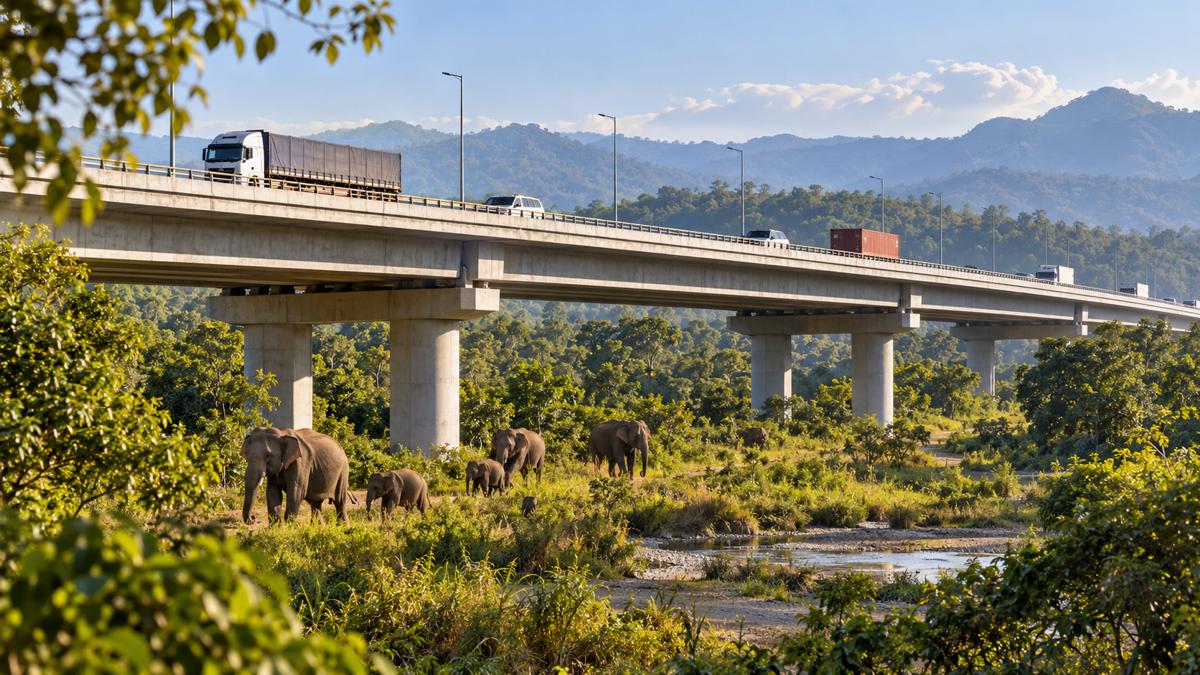
Climate resilience also cannot be ignored. Much of Asia’s future infrastructure will be exposed to extreme weather events, sea-level rise and increasing temperature extremes. Incorporating resilience measures from the outset is likely to be considerably less expensive than retrofitting vulnerable infrastructure later.
Building Networks That Deliver Results
The coming decade will define the future shape of transport across Asia and the Pacific. Few regions have ever attempted infrastructure expansion on such a scale, and few have faced such intense pressure to deliver economic growth while simultaneously improving sustainability, accessibility and resilience.
The numbers presented by ADB are impressive, but they also reveal a deeper reality. The challenge is no longer simply building more roads, railways, ports and airports. The real objective is creating transport systems that support economic opportunity, connect communities, strengthen supply chains and improve quality of life for billions of people.
Asia is already building at a pace unmatched anywhere else in the world. Whether those investments prove sufficient will depend not only on how much money is spent, but on how wisely it is deployed, how effectively assets are managed and how successfully governments align infrastructure delivery with long-term development goals. The next chapter of global transport infrastructure is already being written, and much of it will unfold across Asia and the Pacific.