Rethinking Power Infrastructure in the Age of AI
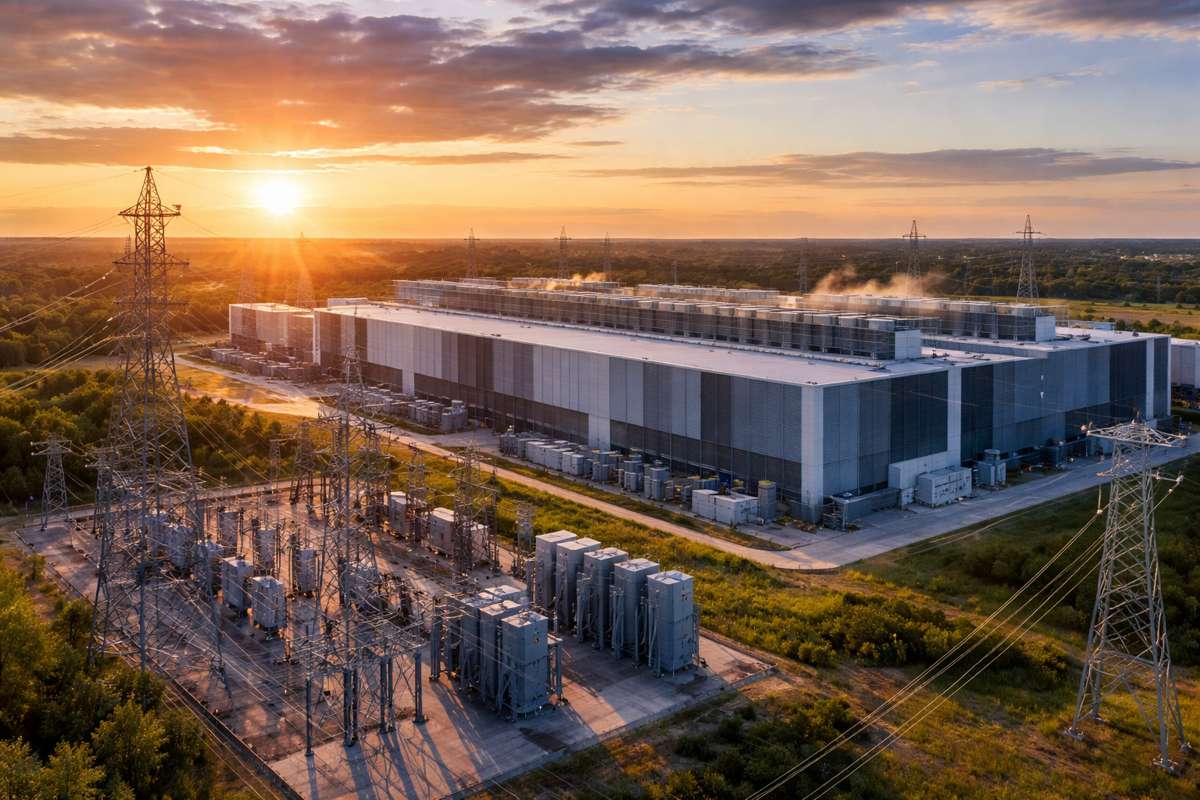
Artificial intelligence may be intangible, but the infrastructure that sustains it is anything but. Across the United States, the rapid expansion of AI systems is fuelling a construction boom in data centres, reshaping regional energy systems and intensifying debates over electricity prices, grid resilience and environmental trade-offs.
At Georgia Institute of Technology, researchers are examining the AI surge not as a technological abstraction but as a physical and economic force. Faculty affiliated with the Brook Byers Institute for Sustainable Systems are analysing how AI-driven infrastructure affects communities, modelling its impact on national energy systems, and building tools to help the public understand the difficult decisions embedded in grid planning. Taken together, their work underscores a simple truth. AI’s future depends as much on transformers and transmission lines as it does on algorithms.
Data Centres as Critical Infrastructure
Data centres are often described as the backbone of the digital economy. That description is no longer metaphorical. As generative AI models scale in size and complexity, training and inference workloads demand vast fleets of graphics processing units operating continuously for days or weeks. According to analysis from Lawrence Berkeley National Laboratory, data centre electricity consumption in the United States could double or even triple by 2028, potentially reaching up to 12 percent of total national electricity demand.
Construction figures reflect that trajectory. The American Edge Project reported that US spending on data centre construction surged by nearly 70 percent between May 2023 and May 2024. This is not incremental growth. It is a structural shift in industrial development, with consequences for contractors, utilities, policymakers and ratepayers alike.
Ahmed Saeed, an assistant professor in computer science and faculty fellow at the sustainability institute, has been studying the unseen infrastructure that supports AI. He argues that data centres now occupy a role similar to highways in the twentieth century. They are indispensable to economic life, yet their placement and operation generate local disruption and require careful regulatory oversight.
Speaking about the digital economy’s reliance on such facilities, Saeed said: “Data centers are the infrastructure for our digital life, so more of them are necessary to keep doing what we’re doing,” he said.
The comparison to highways is instructive. Just as road building once transformed cities and suburbs, data centre development is reshaping industrial zoning, land values and utility planning. The difference is that AI-focused chips can consume between 10 and 14 times more power than traditional processors, placing unprecedented strain on electricity networks.
Uneven Impacts on Electricity Prices and Communities
While national consumption figures grab headlines, the lived reality of AI infrastructure is intensely local. Northern Virginia remains the largest data centre hub in the United States, with more than 300 operational facilities. Yet states such as Georgia are rapidly attracting new projects, drawn by reliable power supplies and favourable tax frameworks.
Hard numbers suggest the stakes are significant. In Virginia, consumer advocates have warned that rapid data centre expansion could raise electricity bills by 5 percent in the short term and as much as 50 percent over time, depending on how grid investments are structured. Utilities, by contrast, maintain that upgrades are necessary and may ultimately benefit customers by modernising networks and spreading costs over a larger base.
The regulatory debate is already evolving. In Georgia, the Georgia Public Service Commission has begun requiring new high load customers to shoulder more of the costs associated with grid expansion. The policy signals a broader shift in how states may allocate infrastructure costs as AI-related demand accelerates.
Environmental concerns add another dimension. Data centres require substantial water for cooling and often rely on backup diesel generators for reliability. The Environmental Protection Agency has recently tightened generator regulations, reflecting mounting scrutiny of emissions from standby systems. Although definitive long-term public health studies linking data centre growth to regional impacts remain limited, the regulatory climate is clearly shifting.
Saeed’s research focuses on reducing the operational footprint of these facilities. By optimising workload scheduling across server fleets, his team has demonstrated power savings of between 4 and 12 percent. In isolation, that may sound modest. At scale, if data centres approach a double-digit share of national electricity use, such efficiencies translate into meaningful reductions in demand and emissions.
Measuring the Macroeconomic Energy Effect
The broader question is whether AI constitutes an energy crisis or a manageable adjustment within the overall economy. Tony Harding, an environmental and energy economist at Georgia Tech’s policy school, has sought to quantify that impact.
In research published in Environmental Research Letters, Harding and his co-author analysed how productivity gains from AI adoption might influence national energy use. Their findings indicate that AI-related activity could increase annual US energy demand by around 0.03 percent and carbon dioxide emissions by roughly 0.02 percent at a macroeconomic level.
Harding framed the results cautiously: “Those numbers are small in the context of the overall economy,” Harding said. “But the impacts are highly uneven.”
That unevenness matters. Even if national effects appear marginal, concentrated clusters of high consumption can drive local price pressures, stress water supplies and alter housing markets. Harding’s ongoing work explores why data centres cluster in urban areas, how they influence property values and whether they intensify regional resource constraints.
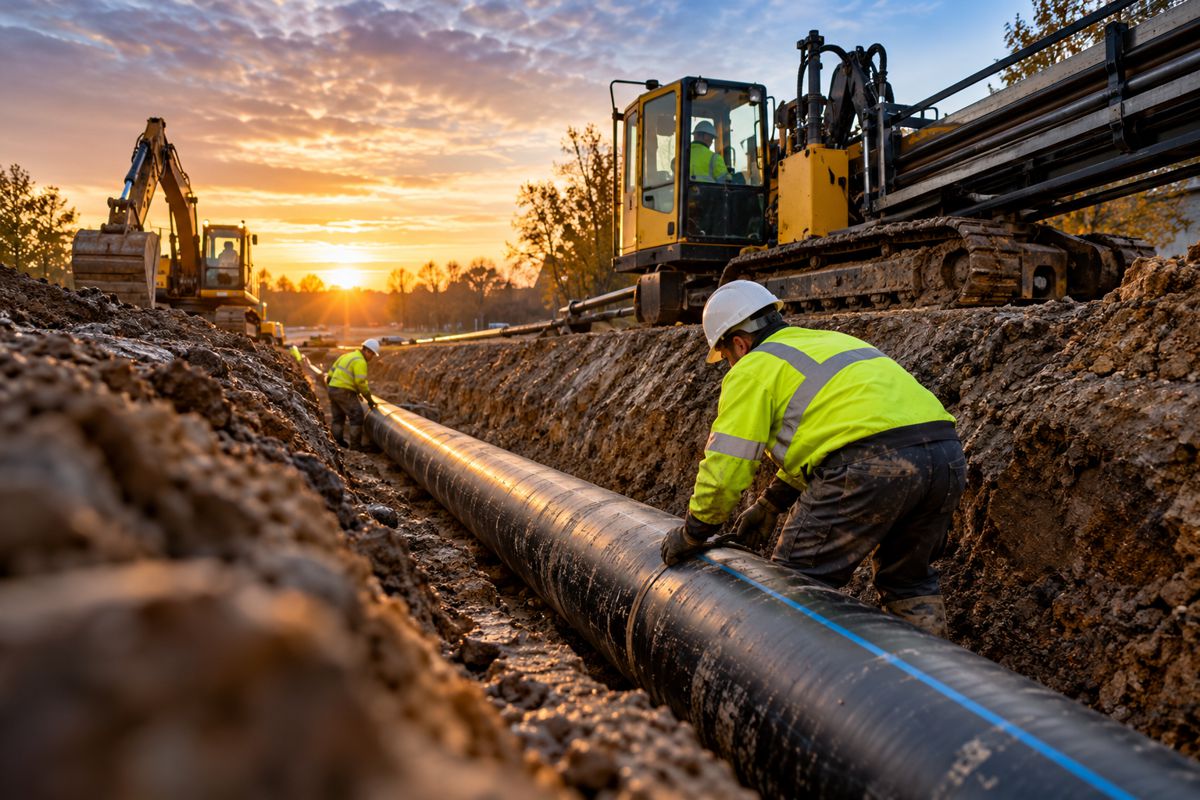
For infrastructure investors and contractors, this uneven geography has commercial implications. Grid reinforcement projects, substation upgrades and transmission expansions are increasingly tied to AI-driven demand. For policymakers, the challenge is designing incentives that attract high value digital industries without imposing disproportionate costs on households.
As Harding noted: “To manage these technologies responsibly,” he said, “we need a clear picture of their intended and unintended consequences.”
An Aging Grid Under New Pressure
Even without AI, the US power grid faces mounting strain. The US Energy Information Administration projects that electricity demand could rise by approximately 25 percent by 2030, driven not only by data centres but also by electric vehicles and broad electrification of heating and industry. Much of the transmission and distribution infrastructure is decades old, with transformers approaching or exceeding their intended lifespan.
Daniel Molzahn, an associate professor of electrical and computer engineering at Georgia Tech, argues that understanding grid constraints requires more than spreadsheets and policy briefs. It requires experiential learning. Through the National Science Foundation funded CAREER programme and Georgia Tech’s Vertically Integrated Projects initiative, Molzahn and his students developed a browser-based simulation called Current Crisis.
The game places players in the role of a utility decision maker, balancing wildfire risk, reliability, renewable integration and affordability. It illustrates a central tension of modern grid planning. Hardening infrastructure, for example by burying power lines, can reduce wildfire risk but dramatically increases capital costs. Those costs eventually feed into electricity rates.
Molzahn explained the broader implications: “These choices aren’t abstract,” he said. “They shape affordability, resilience, and our path toward a cleaner grid.”
The project has expanded to involve dozens of students and collaborates with the Technology Integrated Learning Environments Lab. Jessica Roberts, a learning scientist associated with the lab, emphasised public engagement as a central objective: “As a learning scientist, I look at how to engage people with science and scientific data and get people having conversations they might not otherwise have,” says Roberts, who hopes the seed grant helps the team determine first that they are going in the right direction and, second, how to broaden the impact.
Graduate researcher Stella Quinto Lima has integrated the simulation into her doctoral work. She described its broader ambition: “I hope that we can really engage adults and help them see it’s not black and white. The game is not only about power grids, but how AI affects the grid, how it affects our lives, and how it will impact our future.”
Infrastructure Policy in an AI Powered Economy
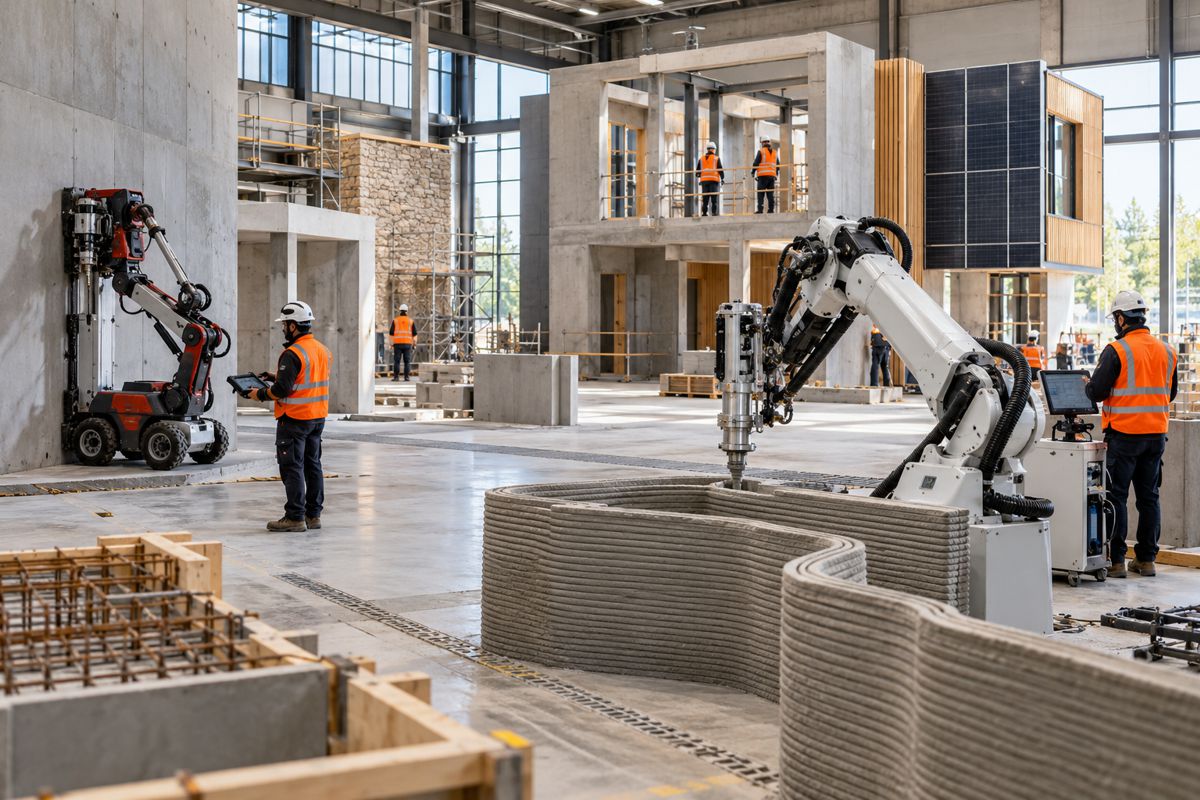
For the global construction and infrastructure sector, the significance of this research extends well beyond academia. AI infrastructure is catalysing a new wave of capital expenditure, from hyperscale data halls to transmission corridors and substations. Contractors are responding to demand for accelerated build schedules and higher power densities. Utilities are reassessing load forecasting models that historically assumed relatively stable consumption patterns.
The policy dimension is equally critical. Decisions about who pays for grid upgrades, how environmental risks are managed and where facilities are sited will shape public acceptance of AI infrastructure. Transparent cost allocation frameworks and evidence-based regulation are likely to become central to maintaining political support for digital expansion.
The work at Georgia Tech illustrates a broader lesson for infrastructure planning worldwide. Technological revolutions do not unfold in isolation. They are embedded in physical systems, financial structures and community contexts. AI may operate in the cloud, but its consequences are firmly grounded in steel, concrete and copper.
As the AI boom continues, the question is not whether electricity demand will rise. It will. The more pressing issue is whether grid planning, regulatory oversight and community engagement can keep pace. The answer will determine not only the sustainability of AI growth, but the resilience and affordability of the power systems that underpin modern economies.