The Next Generation of UAV Technology for Critical Infrastructure
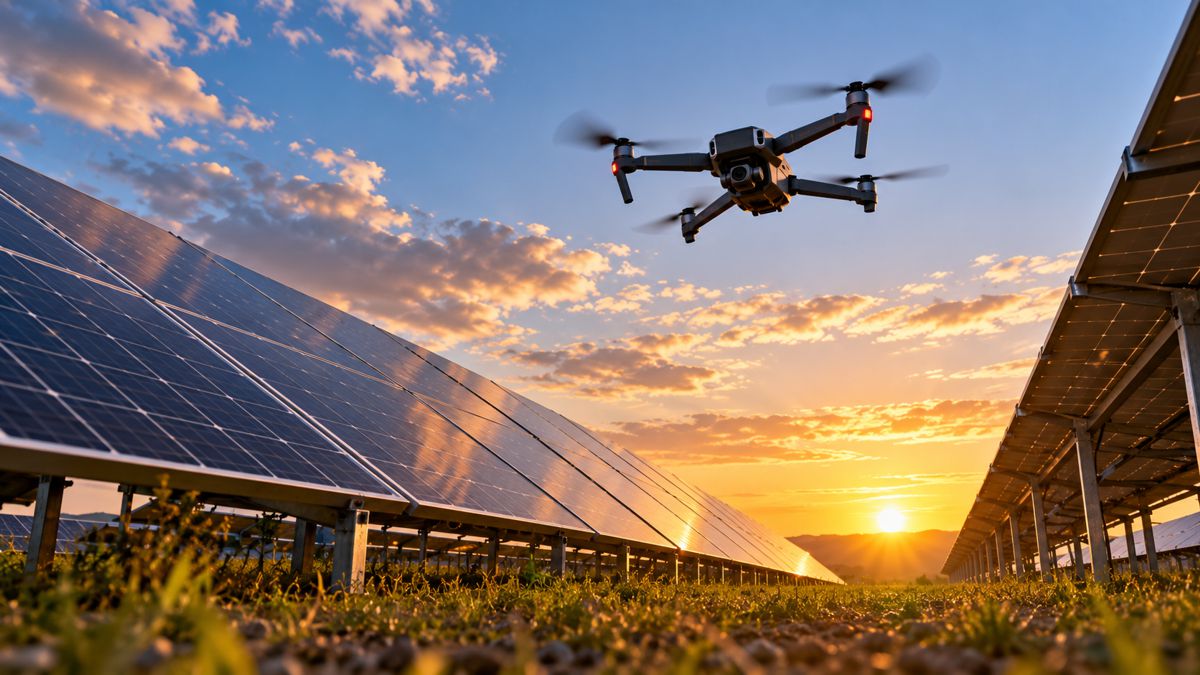
The commercial drone sector is entering a new phase. What began as a technology largely associated with aerial photography and experimental inspection programmes has evolved into a sophisticated operational tool supporting utilities, transport networks, emergency services, environmental monitoring and smart city management. As infrastructure owners face mounting pressure to improve efficiency, enhance safety and gather better operational intelligence, unmanned aerial systems are increasingly becoming part of everyday asset management strategies.
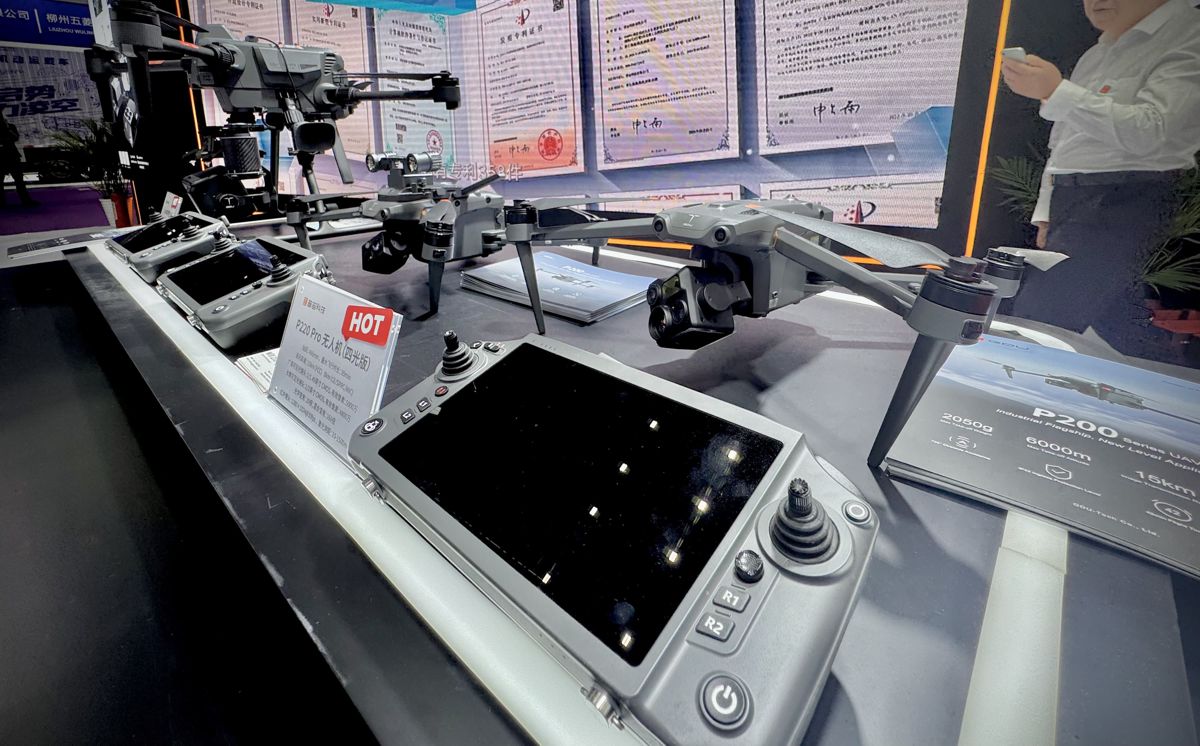
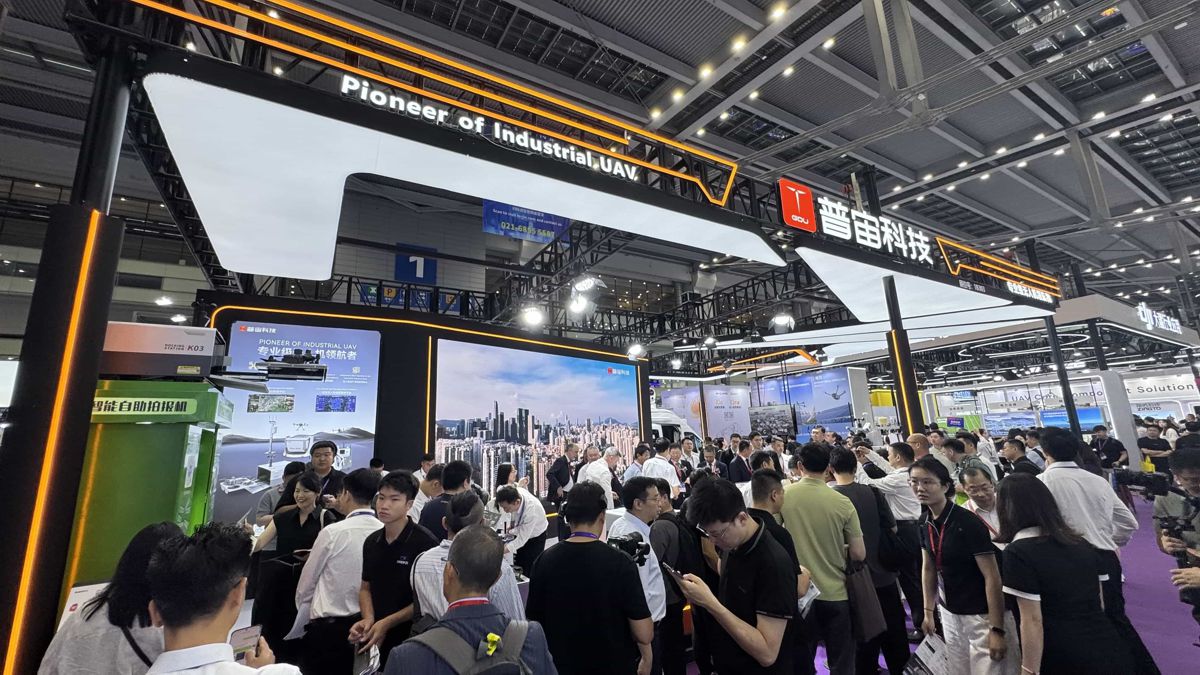
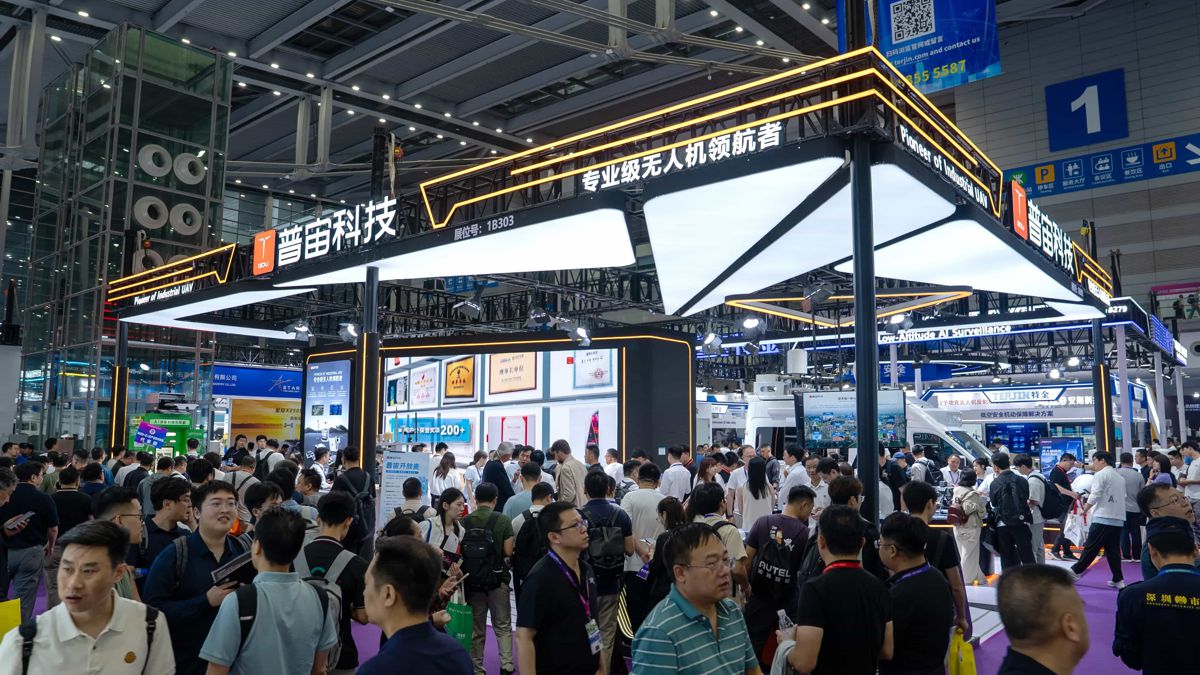
That shift was clearly reflected at the recent Drone World Congress 2026, where enterprise-focused manufacturers showcased platforms designed not merely to fly, but to integrate into complex operational ecosystems. Among those exhibitors, GDU Technology presented a portfolio centred on autonomous inspection, artificial intelligence, mobile deployment and persistent aerial monitoring. The company unveiled a range of systems spanning portable inspection drones, AI-enabled aerial platforms, vehicle-mounted deployment systems and automated docking infrastructure designed for continuous operations.
Rather than focusing on consumer applications, the technologies on display targeted sectors where reliability, rapid deployment and operational certainty carry significant commercial and public safety implications. For infrastructure managers responsible for power transmission networks, highways, rail corridors, industrial facilities and urban environments, these developments highlight how drone technology continues to mature into a practical component of modern operational workflows.
Briefing
- Enterprise drones are increasingly being integrated into infrastructure inspection, public safety and utility management operations.
- GDU Technology showcased AI-powered inspection UAVs, mobile vehicle-mounted drone systems and autonomous docking solutions at Drone World Congress 2026.
- Onboard artificial intelligence enables real-time target detection, automated tracking and edge-based analytics without relying entirely on remote processing.
- Vehicle-mounted drone deployment systems are expanding operational flexibility for patrol, emergency response and mobile inspection missions.
- Automated docking stations are supporting continuous, unmanned operations for smart cities, energy infrastructure and environmental monitoring programmes.
Infrastructure Owners Seek Better Data and Faster Decisions
Across the infrastructure sector, the challenge is no longer simply gathering information. Organisations must collect accurate data rapidly, process it efficiently and convert it into actionable intelligence before operational issues escalate into safety risks or costly failures.
Traditional inspection methods often require road closures, specialist access equipment, helicopters or personnel working in hazardous environments. Drones have already demonstrated their ability to reduce many of these operational constraints. According to research from the World Economic Forum and various infrastructure agencies worldwide, UAV deployment can significantly reduce inspection times while improving access to difficult or dangerous locations.
What is changing now is the growing integration of artificial intelligence, automation and remote operational management. Modern enterprise platforms increasingly function as airborne data collection systems capable of analysing conditions, identifying anomalies and supporting operational decision-making in near real time. The result is a transition from simple aerial observation toward intelligent infrastructure monitoring.
AI Moves Processing Power Into the Aircraft
One of the most significant trends emerging across the commercial UAV sector is the migration of computing capability from cloud-based systems to onboard processing platforms.
GDU’s P200 Series reflects this movement by incorporating an octa-core AI processor capable of delivering 21 TOPS of onboard computing performance. This allows the aircraft to perform target recognition, object tracking and mission-related analytics directly during flight operations rather than relying exclusively on remote processing infrastructure.
For operators working in remote environments or areas with limited communications coverage, onboard intelligence can offer considerable advantages. Inspection missions in mining operations, remote transmission corridors or disaster zones often occur where network connectivity cannot be guaranteed. Edge-based computing allows aircraft to continue analysing imagery and identifying points of interest without depending on continuous communications links.
The P200 combines these AI capabilities with a 48-megapixel imaging system, thermal sensing technology and enhanced low-light imaging designed to support surveillance, inspection and public safety operations. The inclusion of starlight night vision technology demonstrates the growing emphasis on around-the-clock operational capability, a requirement increasingly demanded by infrastructure operators and emergency response agencies.
Multi-Sensor Payloads Expand Inspection Capabilities
Inspection requirements rarely involve a single data source. Engineers responsible for bridges, power networks, pipelines or industrial facilities often require visible imagery, thermal analysis, distance measurement and detailed zoom capability within the same mission.
To address these needs, enterprise drone manufacturers are increasingly integrating multiple sensing technologies into compact payload packages. GDU’s S400E platform exemplifies this approach through its integrated five-in-one payload configuration. The system combines wide-angle imaging, optical zoom capability, thermal sensing, laser ranging and near-infrared illumination within a single package.
Such integration reduces operational complexity in the field. Instead of deploying multiple aircraft or changing payloads between flights, inspection teams can gather several forms of data simultaneously. For utility operators inspecting transmission infrastructure or transport authorities monitoring large asset networks, this can significantly improve productivity and reduce mission duration.
The S400E also incorporates obstacle avoidance technologies combining binocular vision systems with millimetre-wave radar. The ability to identify small obstacles such as power lines remains a critical safety requirement as drones increasingly operate near complex infrastructure environments.
Mobile Drone Operations Gain Momentum
One of the more interesting developments emerging within the enterprise UAV market is the concept of truly mobile drone deployment.
Historically, autonomous drone operations have relied upon fixed docking stations positioned at predetermined locations. While effective for static monitoring applications, these systems offer limited flexibility when operational priorities shift rapidly across large geographical areas.
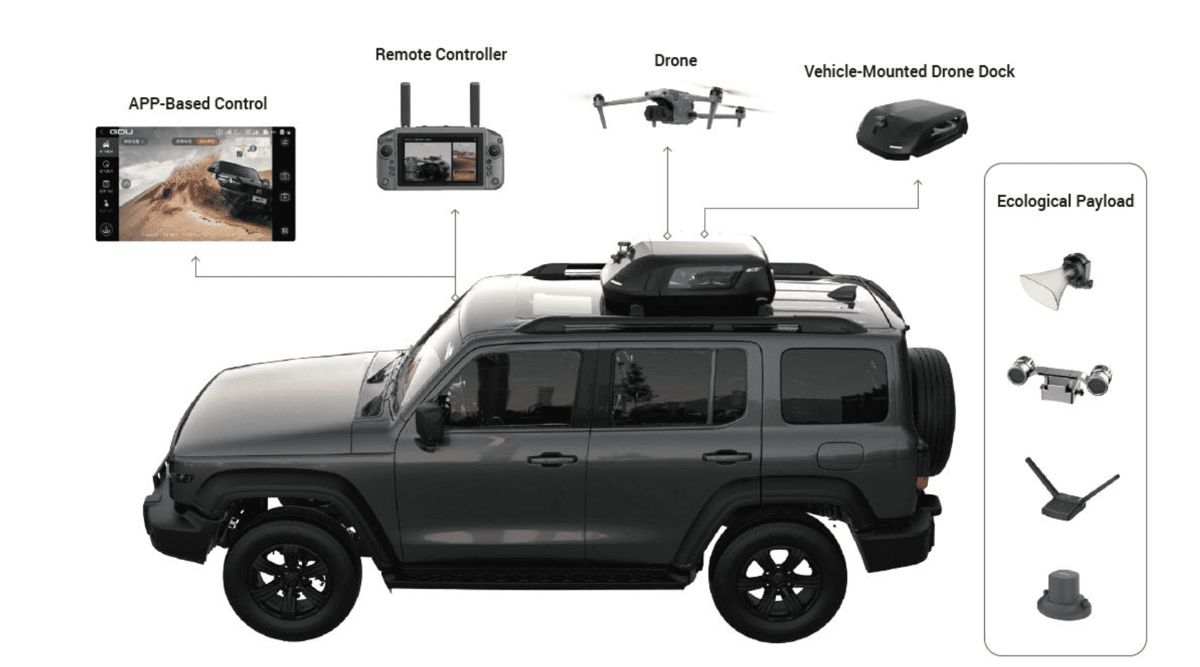
GDU’s K05 Vehicle-Mounted Drone System seeks to address this challenge by allowing autonomous launch, recovery, charging and redeployment from a moving vehicle travelling at speeds of up to 30 kilometres per hour.
For organisations responsible for highway patrols, utility inspections, environmental monitoring or emergency incident management, mobile deployment capability introduces new operational possibilities. A vehicle can serve as a continuously moving command platform, extending aerial coverage without requiring permanent infrastructure installations.
The system’s retrofit-oriented design also addresses a practical concern frequently raised by fleet operators. Rather than purchasing purpose-built vehicles equipped with proprietary drone infrastructure, organisations can potentially adapt existing operational fleets to incorporate aerial capabilities. This approach may lower deployment costs while simplifying adoption across multiple operational environments.
Autonomous Docking Infrastructure Enables Persistent Monitoring
While mobile deployment addresses flexibility, permanent infrastructure monitoring increasingly relies on autonomous docking systems capable of supporting continuous operations.
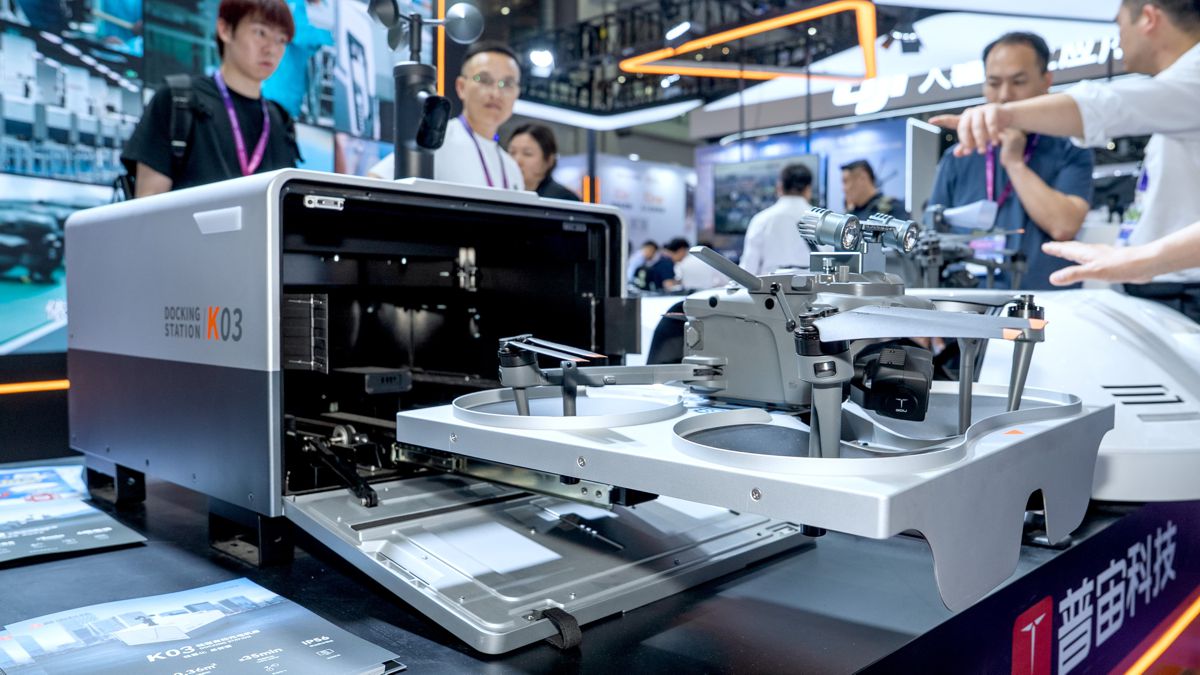
Around the world, utilities, transport authorities and municipalities are exploring drone-in-a-box concepts as a means of providing persistent aerial oversight without maintaining dedicated on-site personnel. These systems can automatically deploy aircraft, recharge batteries, transfer mission data and prepare for subsequent flights.
GDU’s docking station portfolio, including the K02 and K03 systems, targets this growing market segment. Features such as automated charging, backup power systems, remote management functionality and weather-resistant construction reflect broader industry efforts to support reliable unattended operations.
The operational implications are substantial. Power utilities can schedule routine transmission inspections automatically. Municipal authorities can monitor infrastructure assets across large urban areas. Environmental agencies can conduct regular surveys of protected areas. Security teams can establish rapid-response aerial coverage for critical facilities without maintaining permanent staffing at every location.
As regulatory frameworks continue to evolve globally, autonomous deployment infrastructure is expected to become an increasingly important component of large-scale drone operations.
Smart Cities Drive Demand for Integrated UAV Ecosystems
The rise of smart city programmes is creating new demand for integrated aerial intelligence platforms rather than standalone drones.
Urban authorities increasingly require coordinated systems capable of linking aerial data collection with broader digital infrastructure. Traffic management systems, environmental monitoring networks, emergency response platforms and infrastructure asset databases all benefit from timely aerial information.
This requirement helps explain why enterprise UAV manufacturers are investing heavily in ecosystem development. Modern drone programmes increasingly encompass aircraft, payloads, communications infrastructure, analytics platforms, automation systems and operational management software.
GDU’s exhibition strategy reflected this broader trend by presenting a complete operational framework rather than focusing exclusively on individual aircraft specifications. The company’s approach highlights a growing recognition that long-term value often comes from integrated operational workflows rather than hardware alone.
For infrastructure owners and policymakers, this evolution may prove particularly significant. Procurement decisions are increasingly centred on operational outcomes, lifecycle management and interoperability rather than isolated technical features.
Building Operational Confidence in Mission Critical Environments
Perhaps the most important factor influencing enterprise drone adoption remains trust. Infrastructure operators responsible for public safety, critical utilities or strategic assets cannot afford unreliable technology or inconsistent performance.
As drones assume larger operational roles, reliability, standardisation and deployment experience become increasingly important selection criteria. Manufacturers capable of demonstrating successful deployments across diverse operational environments gain a significant advantage.
According to GDU, its systems have been deployed across more than 300 cities worldwide, supporting applications ranging from public safety and environmental protection to infrastructure inspection and smart city operations. The company attributes its approach to end-to-end research and development capabilities combined with experience gained through practical deployment programmes.
For the wider infrastructure sector, the significance extends beyond any individual manufacturer. Drone technology has moved decisively beyond experimental pilot projects. Increasingly sophisticated AI processing, autonomous operations, mobile deployment systems and integrated management platforms indicate a market maturing rapidly into a mainstream operational technology.
Aerial Intelligence Becomes Part of Everyday Infrastructure Management
The technologies presented at Drone World Congress 2026 illustrate a broader transformation taking place across infrastructure industries worldwide. Drones are no longer viewed solely as inspection tools deployed occasionally to gather imagery. They are becoming persistent intelligence platforms integrated into operational decision-making processes.
Artificial intelligence, autonomous deployment infrastructure and mobile operational capability are accelerating that transition. As organisations seek greater visibility across increasingly complex infrastructure networks, aerial systems capable of delivering timely, actionable information will become ever more valuable.
For construction firms, utility operators, transport authorities and smart city planners, the future appears less focused on whether drones should be deployed and more concerned with how extensively they can be integrated into routine operations. The next chapter of infrastructure management is likely to involve aircraft that work continuously in the background, collecting information, analysing conditions and helping organisations respond faster to emerging challenges.