Amey Sets the Standard for Safety Excellence with RoSPA Gold Success
For organisations responsible for maintaining critical infrastructure, delivering engineering services and managing complex public assets, safety performance is more than a compliance exercise. It is a defining measure of operational capability, workforce engagement and long-term resilience. In sectors such as highways, rail and facilities management, where employees routinely work in high-risk environments, a strong safety culture often determines whether projects are delivered efficiently, reputations are protected and lives are safeguarded.
Infrastructure services provider Amey has secured a series of significant recognitions at the 2026 RoSPA Health and Safety Awards, earning Gold awards across its business divisions and receiving several notable sector distinctions. The achievement reflects a sustained focus on occupational health and safety at a time when infrastructure owners, contractors and consultants face increasing pressure to improve workforce wellbeing, reduce incidents and strengthen organisational resilience.
The awards also highlight a wider shift occurring across the infrastructure sector. Traditional safety management systems remain essential, yet leading organisations are increasingly combining behavioural safety programmes, digital technologies and data-driven decision-making to identify risks earlier and support a more proactive approach to workforce protection.
Briefing
- Amey achieved RoSPA Gold awards across multiple business divisions in the 2026 RoSPA Health and Safety Awards.
- The company’s Rail division won the Construction Engineering Sector Award.
- Amey Consulting received the prestigious RoSPA Order of Distinction after achieving 17 consecutive Gold awards.
- Highways earned a Highly Commended Award in the Construction Engineering Sector category.
- Amey continues to strengthen its safety culture through behavioural programmes, workforce engagement and AI-supported risk management tools.
RoSPA Recognition Remains an Industry Benchmark
The RoSPA Health and Safety Awards are among the most established occupational safety recognition programmes in the United Kingdom and internationally. Organised by the Royal Society for the Prevention of Accidents, the awards assess organisations against rigorous criteria covering health and safety management systems, leadership, workforce engagement, risk control measures and evidence of continuous improvement.
For infrastructure businesses operating across large and geographically dispersed networks, achieving recognition at this level requires far more than documenting procedures. Organisations must demonstrate that safety principles are embedded into daily operations and consistently applied across diverse working environments.
The significance of these awards has arguably grown in recent years. According to the UK’s Health and Safety Executive (HSE), workplace incidents continue to impose substantial human and economic costs across construction, infrastructure and engineering sectors. While fatal injury rates have declined significantly over the past several decades, construction remains one of Britain’s highest-risk industries, accounting for a disproportionate share of workplace fatalities and serious injuries.
Recognition through RoSPA therefore serves as an external validation that safety management systems are functioning effectively and delivering measurable outcomes across an organisation.
Rail Division Earns Top Construction Engineering Sector Honour
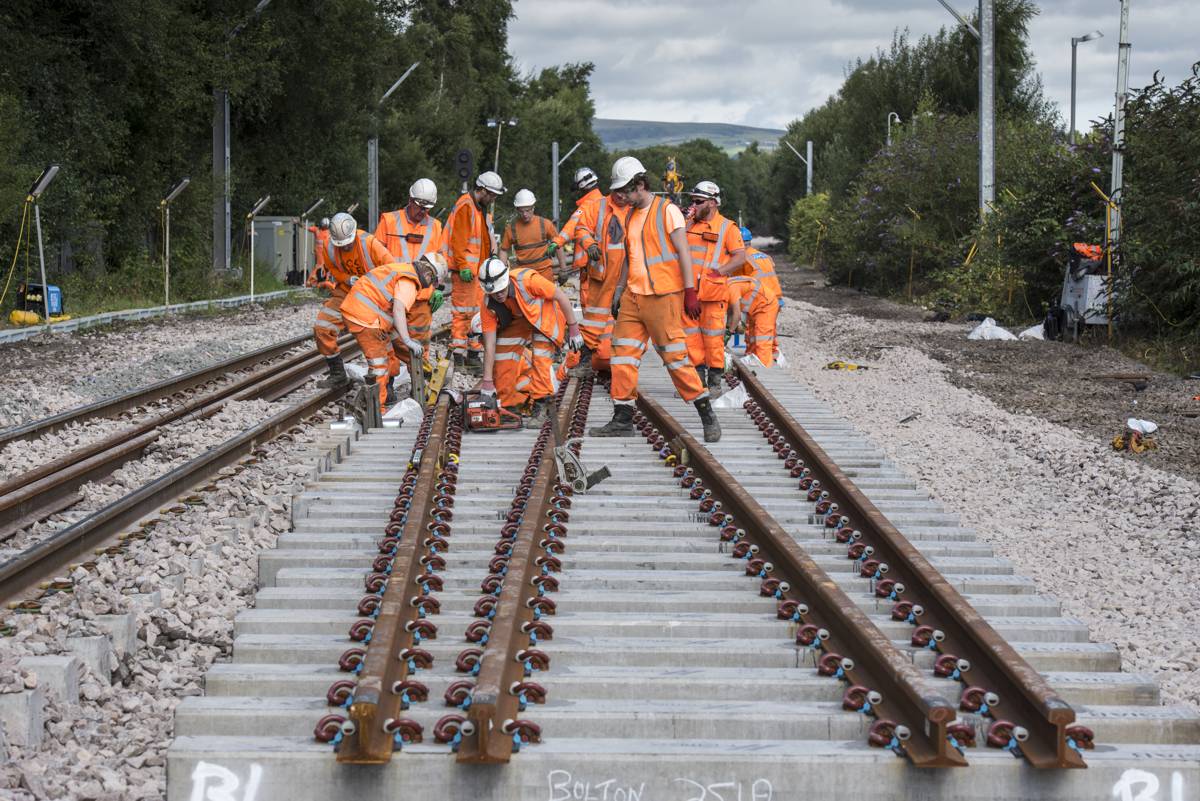
Among Amey’s achievements, the Rail business secured the Construction Engineering Sector Award, one of the most notable distinctions within the 2026 awards programme.
Rail infrastructure environments present some of the most demanding safety challenges in modern engineering. Teams frequently operate within live operational corridors, often working around electrified systems, moving rolling stock, complex signalling equipment and restricted access conditions. Managing these risks requires extensive planning, disciplined execution and continuous monitoring.
Across Europe and other mature rail markets, infrastructure owners are increasingly demanding evidence of strong safety performance from contractors and supply chain partners. Major rail modernisation programmes, digital signalling deployments and electrification projects all depend upon maintaining robust safety standards while minimising operational disruption.
Recognition for Amey’s Rail division suggests the organisation has successfully combined operational delivery with effective workforce protection, a balance that remains central to successful infrastructure management.
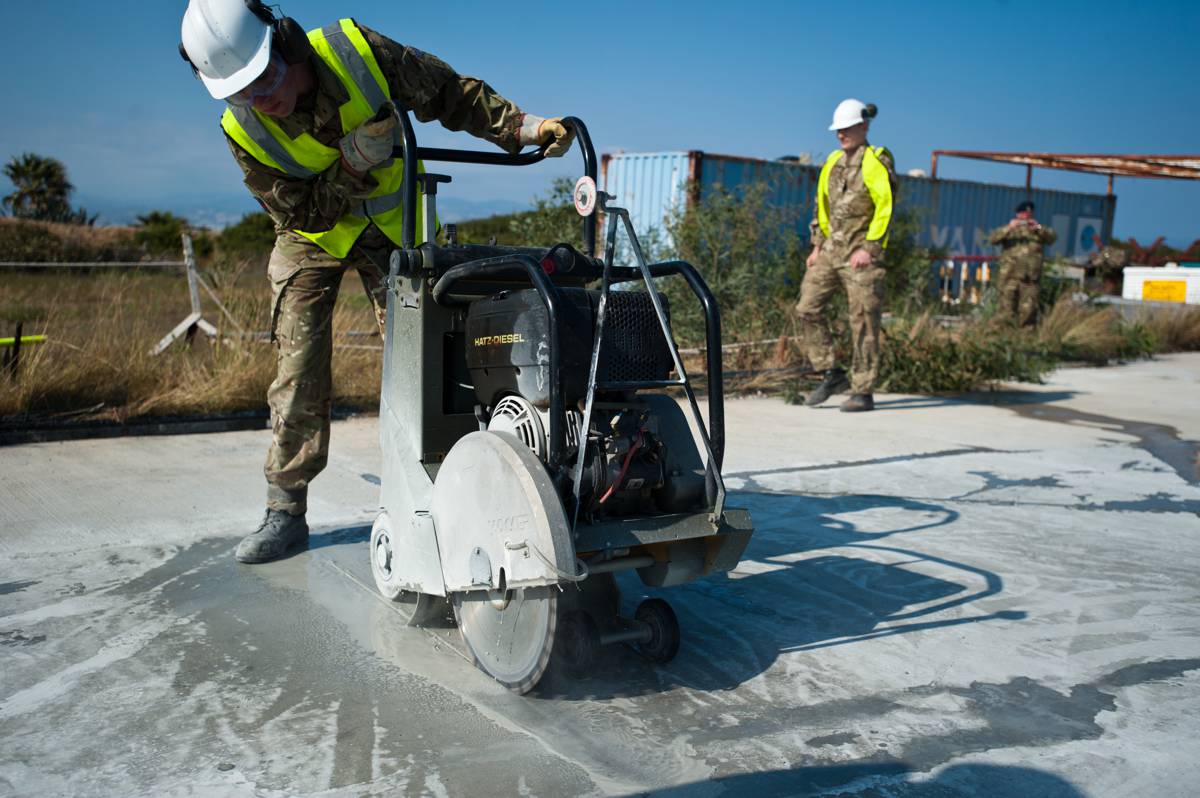
Consulting Achieves Rare Order of Distinction
Perhaps the most remarkable achievement came from Amey Consulting, which received the RoSPA Order of Distinction following 17 consecutive Gold awards.
Sustaining high performance over nearly two decades requires a level of organisational consistency rarely achieved within the engineering and consultancy sectors. It reflects not only effective safety systems but also enduring leadership commitment and workforce engagement across multiple economic cycles, project portfolios and organisational changes.
Consultancy environments may not immediately appear as high-risk workplaces compared with construction sites or operational rail corridors. Yet modern engineering consultancies manage significant responsibilities associated with design safety, project assurance, asset management and risk assessment.
The influence of consulting organisations extends far beyond office environments. Design decisions made during project planning often determine the long-term safety outcomes of infrastructure assets throughout their operational life. Recognition at this level therefore reflects a broader commitment to safety leadership that extends into project delivery and asset management practices.
Highways Operations Continue to Demonstrate Strong Performance
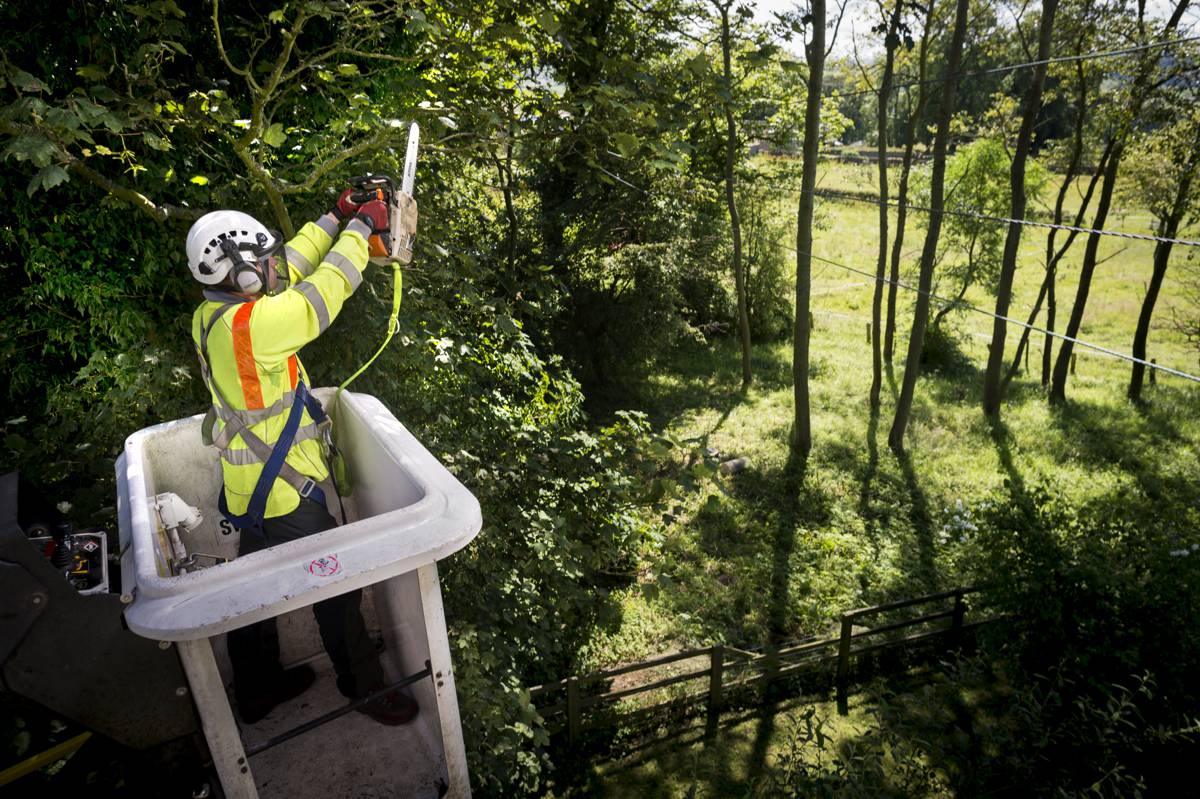
Amey’s Highways division received a Highly Commended Award in the Construction Engineering Sector category, reinforcing the company’s reputation within one of infrastructure’s most challenging operational environments.
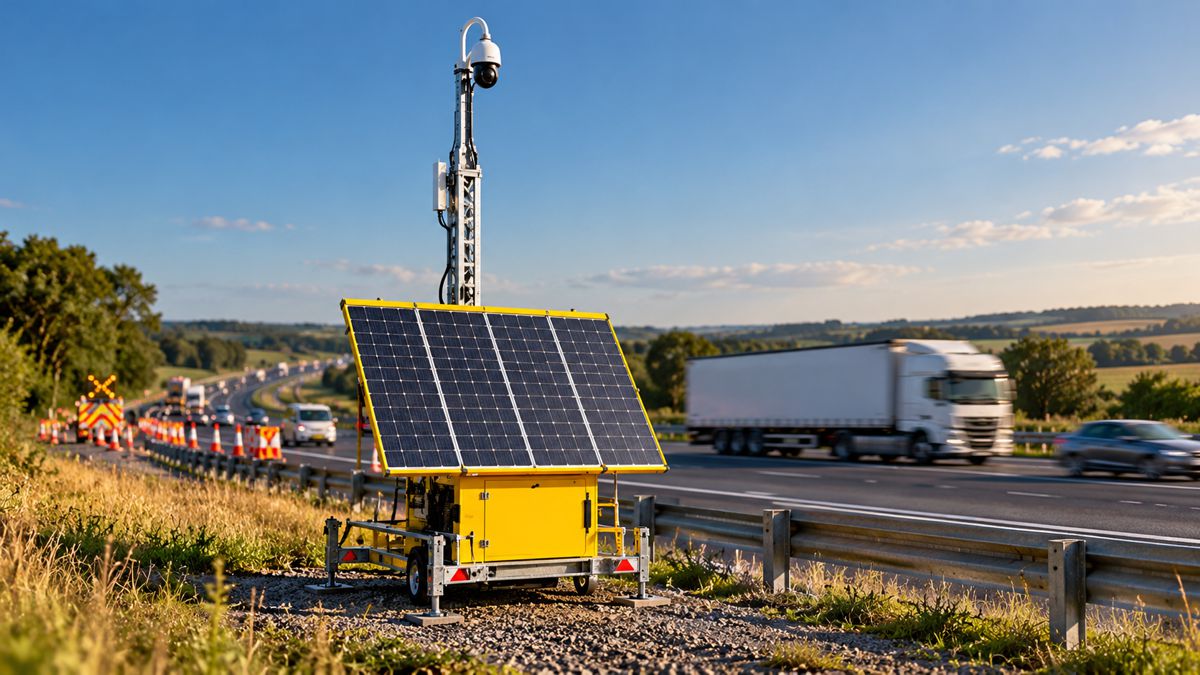
Road maintenance and highway management activities expose workers to a unique combination of hazards. High-speed traffic, unpredictable driver behaviour, adverse weather conditions and night-time operations create risks that require constant vigilance and careful planning.
The importance of highway worker safety has become an increasingly prominent issue internationally. Governments, transport agencies and industry associations continue to advocate for stronger protection measures, enhanced enforcement around work zones and greater public awareness regarding the risks faced by maintenance crews.
Technology is playing a growing role in supporting these efforts. Connected work zones, smart traffic management systems, predictive maintenance platforms and real-time monitoring solutions are helping infrastructure operators improve situational awareness and reduce exposure to hazards. Organisations capable of integrating these technologies into wider safety strategies are often better positioned to improve both operational efficiency and workforce protection.
Long-Term Consistency Demonstrated in Facilities Management
Amey’s Complex Facilities division also maintained its strong safety record by achieving its eighth consecutive RoSPA Gold Medal Award.
Facilities management operations frequently involve a wide range of activities including maintenance, engineering support, building services, security operations and asset management. The diversity of these responsibilities creates unique challenges for safety leaders seeking consistency across multiple locations and operational contexts.
Achieving sustained recognition over eight consecutive years suggests that safety processes have become deeply integrated into day-to-day operations rather than existing as standalone compliance initiatives.
Across the wider facilities management sector, clients increasingly view health and safety performance as a key indicator of supplier quality. Organisations with strong safety credentials often benefit from improved client confidence, stronger workforce retention and enhanced operational performance.
Building a Culture Beyond Compliance
While awards recognise outcomes, the foundations of strong safety performance are typically established through organisational culture rather than documentation alone.
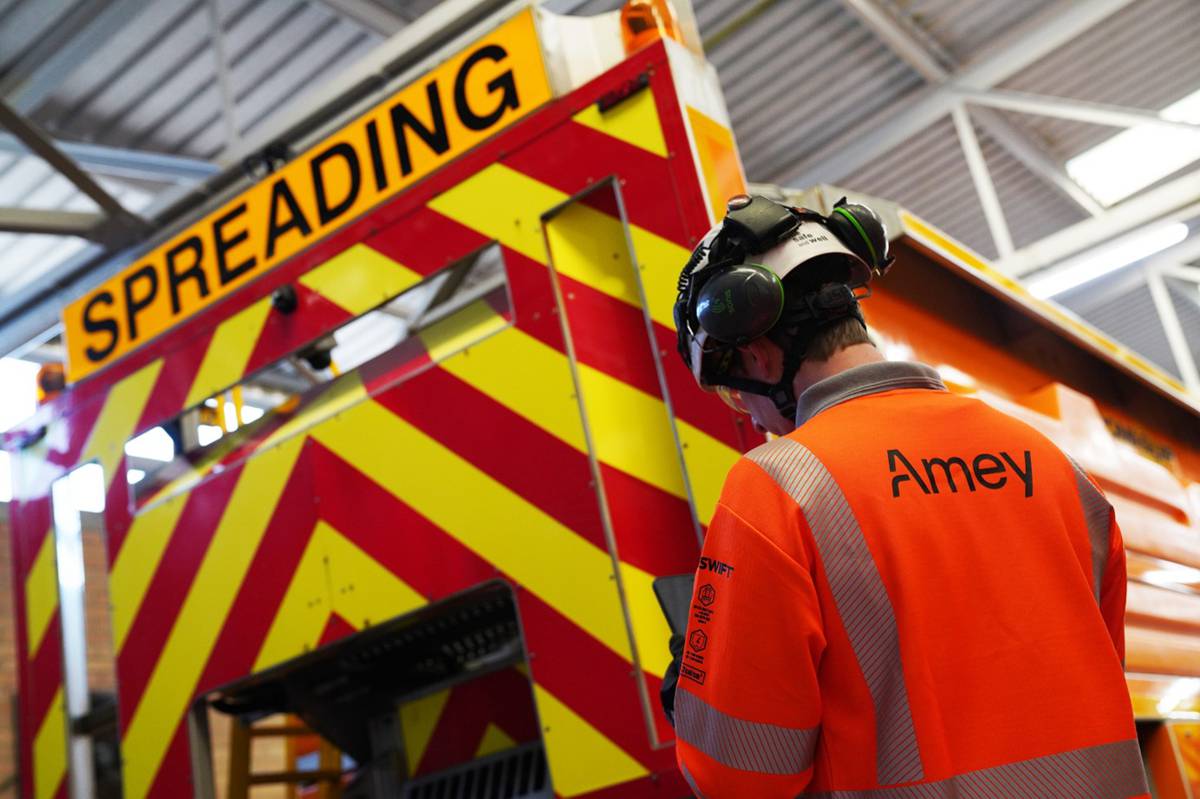
Amey attributes much of its progress to its Zero Code behavioural framework, an initiative designed to reinforce personal responsibility, encourage intervention and support open communication around safety concerns.
Speaking about the awards, Robert Doyle, Amey’s Health, Safety and Assurance Director, said: “We are proud to be recognised by RoSPA in this way. These awards reflect the everyday commitment shown by our teams to keep people safe, whether they are working on busy highways, complex rail environments, facilities operations or in our offices. Our ambition is ensuring that everyone who works for Amey gets home safe and well every day. Achieving Gold across the business, alongside sector-leading recognition for highways and rail, is a strong endorsement of the safety-first culture our people continue to build.”
Behavioural safety programmes have become increasingly important throughout construction and infrastructure industries. Research from organisations including the HSE and international safety institutes consistently demonstrates that open communication, workforce empowerment and visible leadership engagement can significantly improve safety outcomes.
Creating psychologically safe workplaces is now recognised as an important component of effective risk management. Employees who feel comfortable raising concerns, challenging unsafe conditions or stopping work when necessary are more likely to identify hazards before incidents occur.
Data and Artificial Intelligence Strengthen Risk Management
One of the more notable aspects of Amey’s approach is its growing use of data and AI-enabled insights to support decision-making.
The infrastructure sector is undergoing a rapid digital transformation, with organisations increasingly adopting advanced analytics to improve asset performance, operational efficiency and workforce safety. Predictive safety tools can analyse trends, identify emerging risks and highlight patterns that may not be immediately visible through traditional reporting methods.
These capabilities allow organisations to move from reactive responses towards preventative interventions. Rather than investigating incidents after they occur, safety leaders can focus resources on areas where risks are beginning to emerge.
For infrastructure operators managing extensive asset networks and large workforces, this shift has significant implications. Early identification of risk can reduce incidents, improve productivity and support more informed operational planning.
The use of artificial intelligence does not replace human judgement or leadership accountability. Instead, it provides an additional layer of intelligence that helps teams make better-informed decisions in increasingly complex operating environments.
Safety Leadership Remains Central to Infrastructure Delivery
The broader significance of Amey’s RoSPA success extends beyond individual awards. Infrastructure investment programmes across the UK and internationally continue to expand, encompassing transport modernisation, energy transition projects, digital connectivity improvements and climate resilience initiatives.
Delivering these programmes safely will remain one of the sector’s defining challenges. Labour shortages, ageing infrastructure assets, growing project complexity and evolving regulatory expectations all place additional demands on organisations responsible for delivery.
Companies that successfully combine strong leadership, engaged workforces, behavioural safety principles and advanced digital tools are likely to be better positioned to meet those challenges.
Amey’s recognition across rail, highways, consulting and facilities management demonstrates that safety excellence is not confined to a single division or project type. Instead, it reflects an organisation-wide commitment to protecting people while delivering essential infrastructure services.
As infrastructure owners increasingly evaluate contractors and service providers on environmental, social and governance performance alongside operational capability, achievements of this nature carry significance well beyond award ceremonies. They signal organisational maturity, operational discipline and a culture capable of supporting long-term infrastructure delivery in an increasingly demanding environment.