New AGD Traffic Detector boosts safety with AI
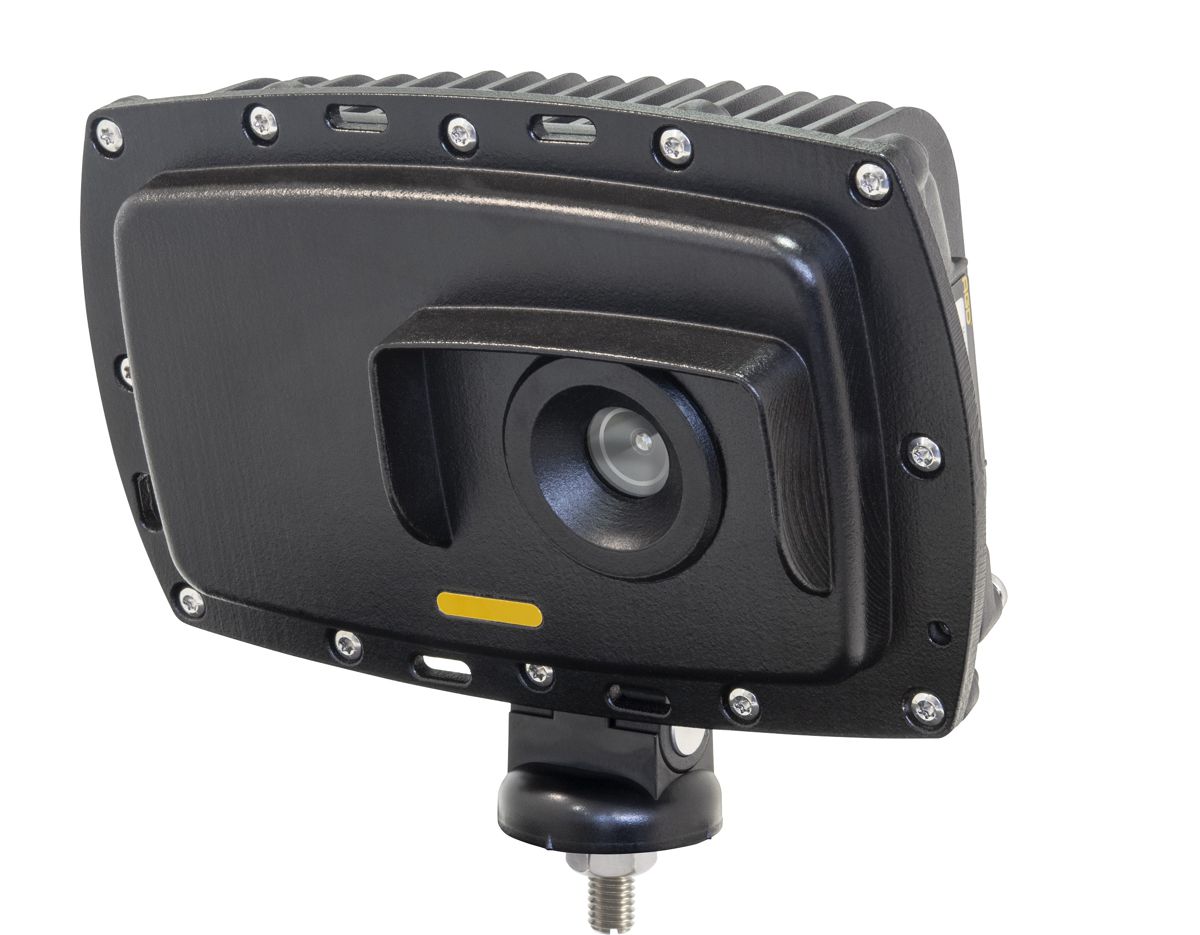
The first ever AGD650s manufactured by AGD Systems were sent to local authorities so they could trial the dual zone stop line detector, which makes use of AI technology.
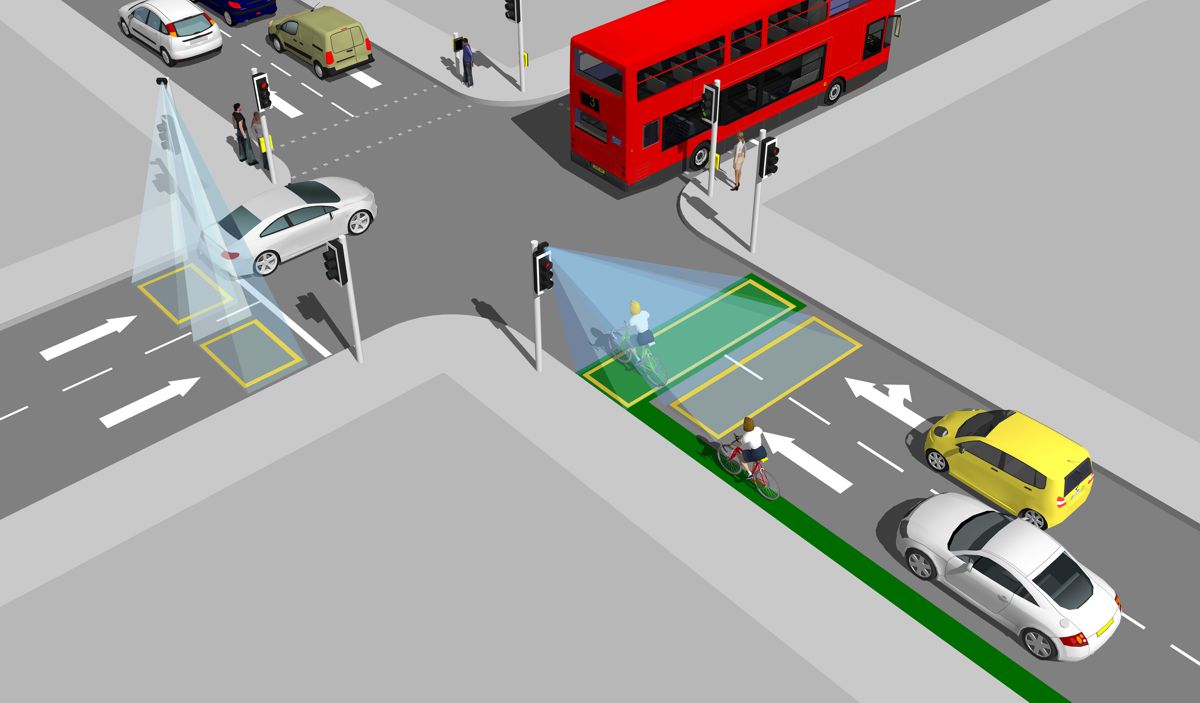
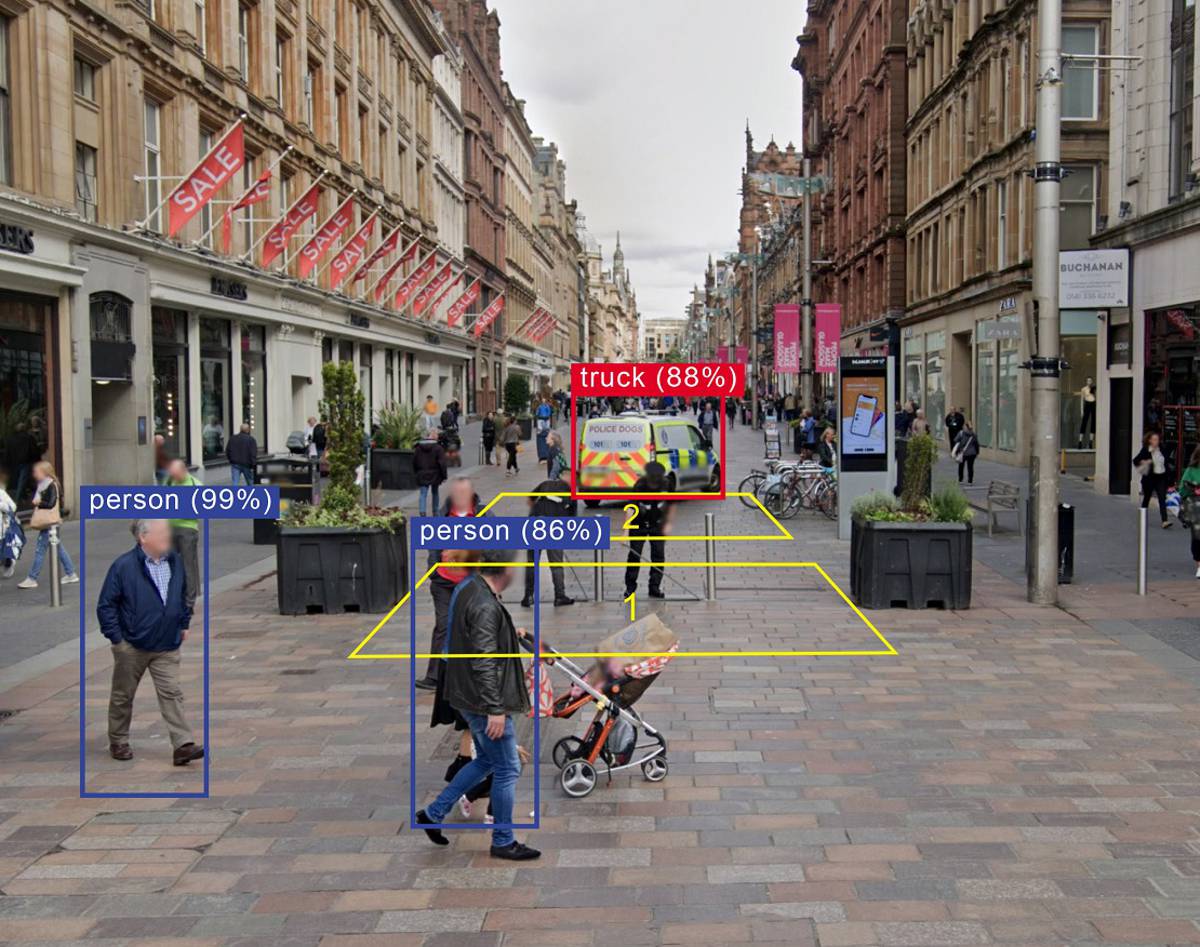
The 650 was specifically designed to detect both moving and stationary targets in two independent user-adjustable zones, using a new neural processing AI platform with sophisticated algorithms and deep learning image recognition.
Among the local authorities which took part in the UK trials at the end of 2022 – ahead of wider production beginning this quarter – were Cardiff City Council and Glasgow City Council.
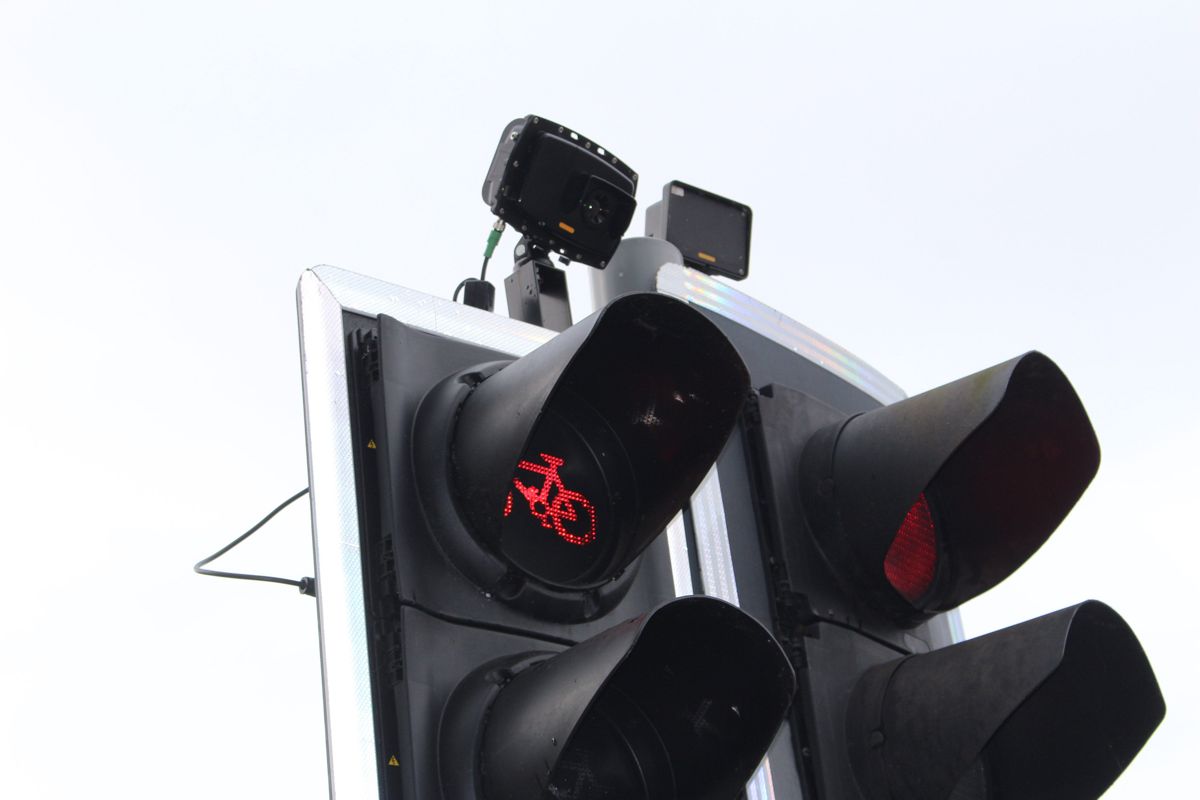
In Cardiff, the 650 was used at a site where a cycle lane intersected a busy road: the technology previously being used wasn’t effectively detecting cyclists, and there was no function to cancel demand if a cyclist moved away from the crossing before the red light had been triggered for vehicles.
Paul Jones, City Operations Section Leader (Electrical) at Cardiff Council, said: “Previously, we’d spoken to a number of cyclists who felt they weren’t being detected by the old product as they approached the junction. Since the AGD650 has been in place, this has been greatly reduced.
“It’s important for the detector to be able to automatically cancel demands as often cyclists will proceed if the road is clear (sometimes on a red cycle signal), this results in other movements being delayed needlessly because the cyclist has already cleared the junction.
“We have a different detector (the AGD645) in place at a number of sites in the city, so we contacted AGD and that’s when they asked us if we’d like to trial the 650 at this junction. We have been really happy with how pro-active they are and the team’s communication, and they even came to install the detector and show the team how it worked.”
Two AGD650s were sent to Glasgow, the first sited at a junction where service vehicles exit from a pedestrian section of a road. The number of pedestrians in the area meant there were repeated false detections with previous detectors, so the 650 was set up to only trigger when four-wheel vehicles entered the detection zone.
At the second location, vehicles exit from a car park adjacent to a stop line which usually meant they weren’t being detected by the existing solution.
A council spokesman said: “The outcome of the trial was that the detector was 100% effective in both test locations. The technology has the capability of correctly identifying vehicles, cyclists and pedestrians – and giving an improved level of control for traffic signals which makes it more reliable and effective than traditional detectors.
“As the detector is more reliable, traffic signals are only triggered when required and this makes them more efficient and reduces lost time at junctions.”
Greg Baker, Commercial Manager at AGD, said the trials had highlighted the benefits of the AGD650 at a variety of junctions where there were very different existing detection challenges: “During the development of the 650, our focus was ensuring accuracy of detection which – during the trials – has been shown to support the smooth running of traffic and reduce unnecessary wait times.
“Working with forward-thinking local authorities like Cardiff and Glasgow has allowed us to comprehensively trial the AGD650 before it goes into general production, providing an insight of how we can develop new features to support more complex traffic control applications going forward.”