SMT and CEMEX Cutting Emissions with EcoOperator Training for Site Managers
In the race to net zero, every operational tweak and efficiency gain matters. Recognising this, CEMEX UK has expanded its partnership with SMT to roll out a tailored version of the EcoOperator training programme—this time aimed at site managers.
The goal? To bridge the gap between operational efficiency and sustainable site management, helping to slash CO2 emissions from existing diesel machinery while paving the way for a future of zero-emission equipment.

Enhancing Operator Efficiency to Drive Decarbonisation
As one of the world’s leading building materials suppliers, CEMEX has long acknowledged the pivotal role machine operators play in maintaining productivity and profitability. However, as the company intensifies its decarbonisation efforts, it’s also tapping into operator expertise to drive meaningful emissions reductions.
CEMEX has set ambitious sustainability targets, aiming to cut CO2 emissions from cement production by 47% by 2030 (compared to 1990 levels) and to achieve carbon neutrality by 2050. A key component of this strategy is optimising machine operations through the EcoOperator programme—a training initiative developed by SMT, Volvo Construction Equipment’s exclusive dealer in Great Britain.
“Even with conventional diesel machines, operators can implement techniques to improve efficiency and reduce emissions, laying the groundwork for a seamless transition to zero-emission equipment, powered by renewable energy or hydrogen power in the future,” says Kevin Cage, Head of UK Aggregate Operations at CEMEX.

Why Train Site Managers?
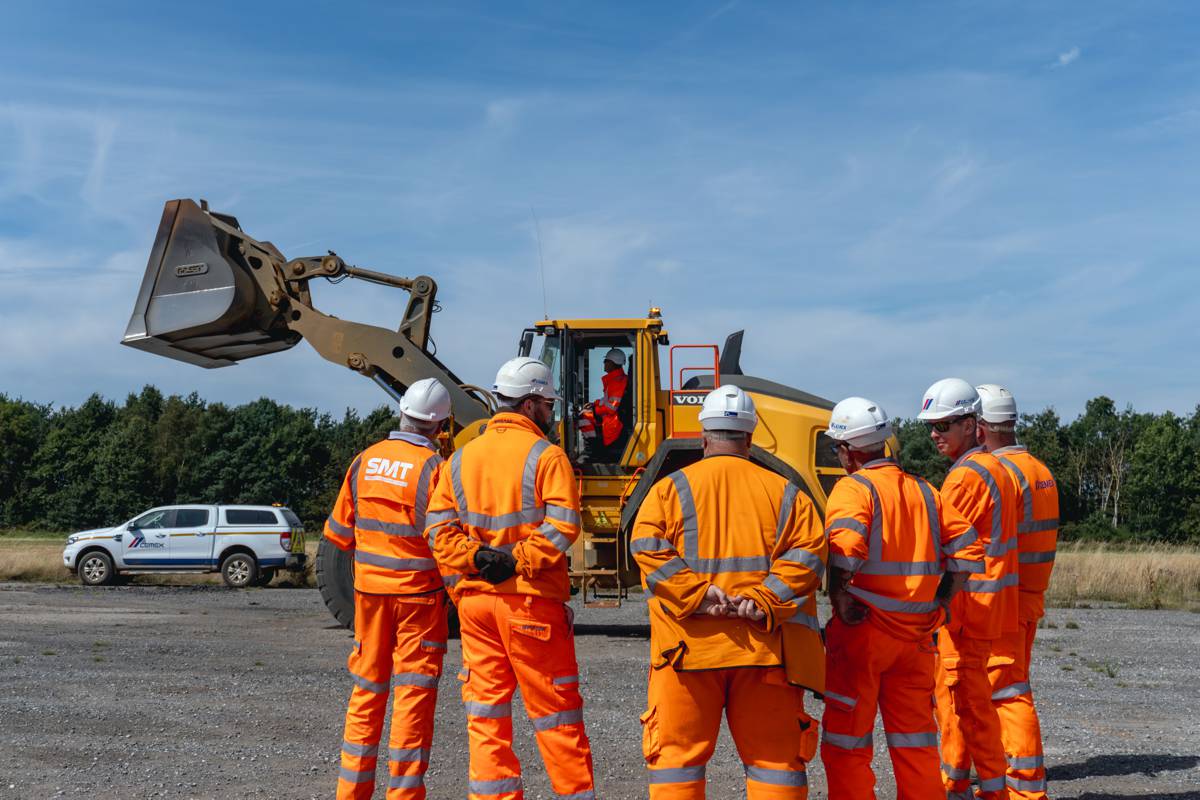
While machine operators can certainly influence emissions, their impact is limited without structured support from site managers. Recognising this, CEMEX challenged SMT to develop an EcoOperator training module specifically for managers—giving them the tools to interpret machine telematics, optimise fleet and site setups, and set realistic efficiency targets.
EcoOperator training combines theory with hands-on exercises, equipping operators with practical skills to lower fuel consumption, extend equipment lifespan, and reduce carbon footprints. The new site manager-focused programme ensures that operational improvements don’t just rest on individual operators but become a strategic initiative across entire sites.
“When managers understand the goals we’re trying to achieve with the operators, it significantly enhances the effectiveness of the entire programme. It’s much easier when everyone is on the same page,” explains Cage.

Small Changes, Big Impact
The EcoOperator programme has a proven track record of delivering fuel efficiency improvements of around 5%. While this may sound modest, the cumulative impact is significant, as Richard Cannon, Operator Training Manager at SMT, explains: “Given that each litre of diesel consumed emits 2.63 kg of CO2, based on a study of 7,500 machines operating 2,000 hours annually with an average fuel consumption of 15 litres per hour, the potential savings are immense. This could mean reducing fuel consumption by 11 million litres and cutting CO2 emissions by 30,000 tonnes per year—that’s equivalent to eliminating the carbon footprint of 1,395 flights between Stockholm and Paris!”
Site managers play a crucial role in making these savings a reality. Their ability to balance operational efficiency with machine longevity is essential. For example, while excessive idling is a known fuel waster, simply imposing strict idling limits could backfire—encouraging operators to skip necessary engine cooldowns and risk turbocharger damage. Through this training, managers gain a deeper understanding of how to set realistic, effective targets that balance emissions reduction with equipment health.
Long-Term Commitment to Sustainability
To ensure the programme delivers long-lasting impact, SMT will work closely with CEMEX to track progress, analyse telemetry data, and identify further areas for improvement. Continuous monitoring will allow for refinements in strategy, whether through additional training or new technologies.
“At SMT, we share the CEMEX team’s commitment to reducing CO2 emissions, and we’re proud to be at their side on this important journey,” says Cannon. “Whether through additional training or new technologies, we’ll continuously monitor and refine our approach to help them along the way.”
CEMEX has been impressed by SMT’s collaborative approach and willingness to tailor training to meet specific operational needs. Cage concludes: “SMT has proven to be a valued partner in our decarbonisation efforts, demonstrating true collaboration in helping us achieve our sustainability goals.”