JCB Hydrogen Loadall Put to the Test on BAM Construction Site
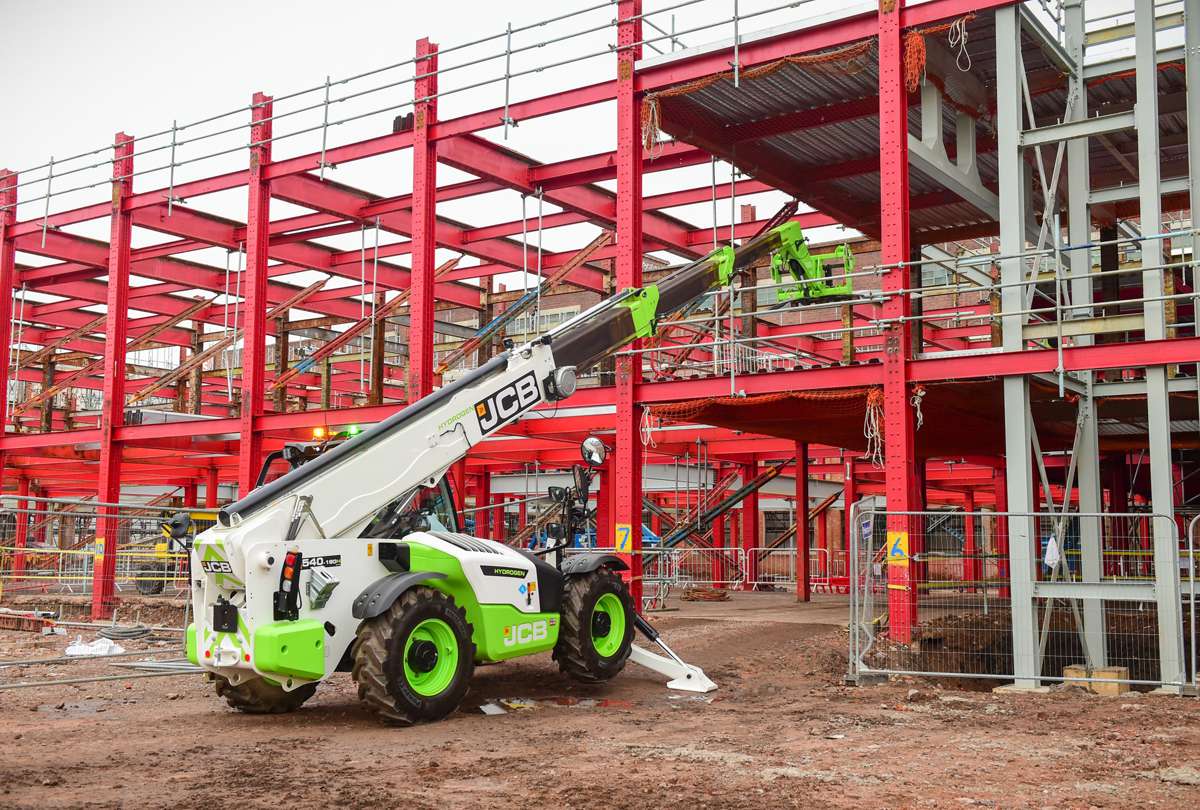
Hydrogen power is no longer just a concept for the future, it’s powering real machines on active construction sites today. That’s the message coming out of Birmingham’s dynamic Tea Factory regeneration project, where BAM Construction has been busy putting JCB’s ground-breaking hydrogen-powered Loadall telescopic handler through its paces. And the verdict so far? Industry insiders are buzzing about the ease of refuelling, robust performance, and the massive potential for slashing emissions in construction.
Colin Evison, BAM’s Innovation Technical Lead, offered a frank assessment: “We’re starting to explore the use of hydrogen as an alternative fuel. It was important to get the hydrogen fuel machine on a real construction site. We’ve seen it in test environments, and we know that technically it does work, but putting it to the test on a real site makes a real difference.” This leap from laboratory to live project marks a major milestone—not just for BAM and JCB, but for the entire construction sector eager to cut its carbon footprint.
Simplicity at Its Best
Among all the new technology on show, it’s the everyday practicality that’s turning heads. Forget fiddly procedures and endless instructions. With JCB’s hydrogen-powered Loadall, filling up is as easy as it gets. BAM’s teams found the process refreshingly simple—a far cry from the teething problems many expect from such cutting-edge kit.
Evison observed: “We’ve noticed no difference in the way the machine operates. We have to refuel the machine in a different way, but it’s a simple and straightforward process.” This is no small win. As every site manager knows, if new equipment disrupts workflows or complicates logistics, uptake slows to a crawl. But in this case, JCB has truly nailed the user experience.
JCB ensures smooth operation by delivering hydrogen to site in a mobile refuelling trailer, which connects directly to the Loadall. A quick connection, the press of a button, and the machine is ready to roll again. For busy contractors, that’s exactly the sort of hassle-free solution that could make hydrogen mainstream in short order.
Meeting Net Zero Goals
For leading firms like BAM Construction, sustainability is more than a buzzword—it’s woven into every business decision. The drive to hit ambitious net zero targets, especially around hard-to-tackle Scope 3 emissions, means embracing innovation and shaking up supply chains.
Maggie Hall, BAM’s Environmental Sustainability Manager, highlighted the urgency: “Sustainability is one of our firm’s core values and we have set ambitious net zero targets. One of those targets is to halve our Scope 3 emissions, compared to our 2019 levels. Scope 3 emissions are the ones that we can influence, but we can’t directly control. A significant part of our Scope 3 emissions is associated with our supply chain, so it’s crucial that we work with the supply chain to reduce emissions.”
Hydrogen-powered machinery is shaping up to be a critical part of this puzzle. Hall continued: “The road to net zero will introduce lots of different things to our industry and hydrogen is an important part of that solution. It can be easily serviced and easily refuelled. It’s a really important step to take to reduce our emissions.”
For contractors under pressure to decarbonise, hydrogen represents both a technological breakthrough and a practical route to real-world impact.
Hydrogen Combustion Engines Come of Age
The JCB 540-180H Loadall tested at Digbeth isn’t just a regular bit of plant. Under the bonnet lies a purpose-built hydrogen combustion engine—developed, tested, and manufactured by JCB in Derbyshire. This zero-carbon driveline matches the punch and power of its diesel cousin, offering contractors the performance they expect, minus the emissions.
Tim Burnhope, JCB’s Group Director – Special Projects, summed up the journey so far: “We’ve been working for over three years to develop this fantastic hydrogen combustion engine and we’ve spent that time testing the machines on JCB sites, accumulating over 50,000 hours of testing.”
He added: “Now we’ve put JCB hydrogen combustion machines on to customer sites. We are proving with our customers that this really can work, that hydrogen can be the future for construction and agricultural equipment, the mobile fuel of the future, and one that is carbon-free, producing nothing but clean steam.”
The real-world validation is a crucial step. For a sector known for its healthy scepticism, evidence beats hype every time. Contractors, plant hire firms, and policymakers are all watching to see if hydrogen can live up to the promise.
Investment and Leadership
JCB hasn’t just dabbled in hydrogen—it’s gone all-in, investing more than £100 million into a family of ultra-efficient hydrogen engines. This pioneering effort, personally championed by JCB Chairman Anthony Bamford, has seen engineers push the limits of what’s possible in alternative fuels.
The company’s innovation pipeline is firing on all cylinders. Alongside the Loadall, prototype hydrogen-powered backhoe loaders and generators are now clocking up hours on sites across the Midlands. Partnerships with rental giants and leading contractors ensure a steady flow of feedback, with lessons from the front line shaping the next generation of hydrogen machines.
JCB’s efforts haven’t gone unnoticed by regulators, either. The company has already secured green lights from 11 European licensing authorities for commercial use of its hydrogen engines, with more expected to follow. This regulatory momentum could open doors for widespread adoption, both in the UK and further afield.
Industry Impact and Future Prospects
Hydrogen-powered plant isn’t just a PR exercise. As regulations tighten, clients demand greener credentials, and public scrutiny grows, contractors need practical, scalable ways to cut carbon. Hydrogen offers a route to net zero that doesn’t force operators to compromise on performance or productivity.
A 2024 report from the UK’s Construction Leadership Council underscores the urgency: the sector accounts for 25 percent of UK greenhouse gas emissions, with off-road plant playing a significant role. While battery-electric machines are making inroads for smaller kit, hydrogen is rapidly emerging as the solution for heavy-duty applications and longer shifts.
And it’s not just about the UK. The European Union’s Green Deal, coupled with rising investor expectations, means the pressure to decarbonise is only intensifying. For global contractors and supply chain partners, getting to grips with hydrogen now is a savvy move.
Overcoming Challenges: What’s Next for Hydrogen?
Of course, it’s not all plain sailing. For hydrogen to become truly mainstream, the industry faces a series of hurdles:
- Infrastructure: Building out a reliable network of hydrogen production and refuelling stations is critical. JCB’s mobile refuelling trailers are a clever interim fix, but industry-wide solutions are needed.
- Cost: While prices are falling, hydrogen production and distribution remain expensive compared to diesel. Policy support and economies of scale will be vital to drive costs down.
- Safety and Training: Safe handling and storage of hydrogen demand new skills and robust procedures. Ongoing training and clear guidelines are essential as more sites adopt the technology.
Industry groups and government bodies are moving quickly to address these issues. Initiatives like the UK Government’s Hydrogen Strategy and partnerships with universities are accelerating research, pilot projects, and investment.

Why Hydrogen Loadalls Could Be Game-Changers
So, where does this leave contractors, investors, and policymakers watching from the sidelines? The answer is clear: hydrogen-powered Loadalls and similar machines are no longer just a futuristic idea. They’re here, they’re working, and they’re setting new benchmarks for what’s possible on site.
Key benefits include:
- Rapid Refuelling: Comparable to diesel, with none of the tailpipe emissions.
- Familiar Performance: No compromise on power or torque.
- Net Zero Impact: A practical route for contractors to hit environmental targets.
As Maggie Hall put it: “It’s a really important step to take to reduce our emissions.” Contractors looking to futureproof their fleets—and their business models—would do well to keep hydrogen firmly on their radar.
Clean Construction’s Bright Horizon
The message from Digbeth is loud and clear: hydrogen-powered construction machinery isn’t a pipe dream. With pioneering partnerships, ongoing investment, and boots-on-the-ground testing, the sector is taking tangible steps towards a cleaner, more sustainable future.
JCB’s Loadall is only the beginning. As hydrogen infrastructure improves and costs come down, expect to see more sites swapping out diesel for clean, green alternatives. For contractors, investors, and the supply chain alike, that spells opportunity. The time to embrace the hydrogen revolution is now.