Smarter Algorithms Beat the Digital Rush Hour in Smart Cities
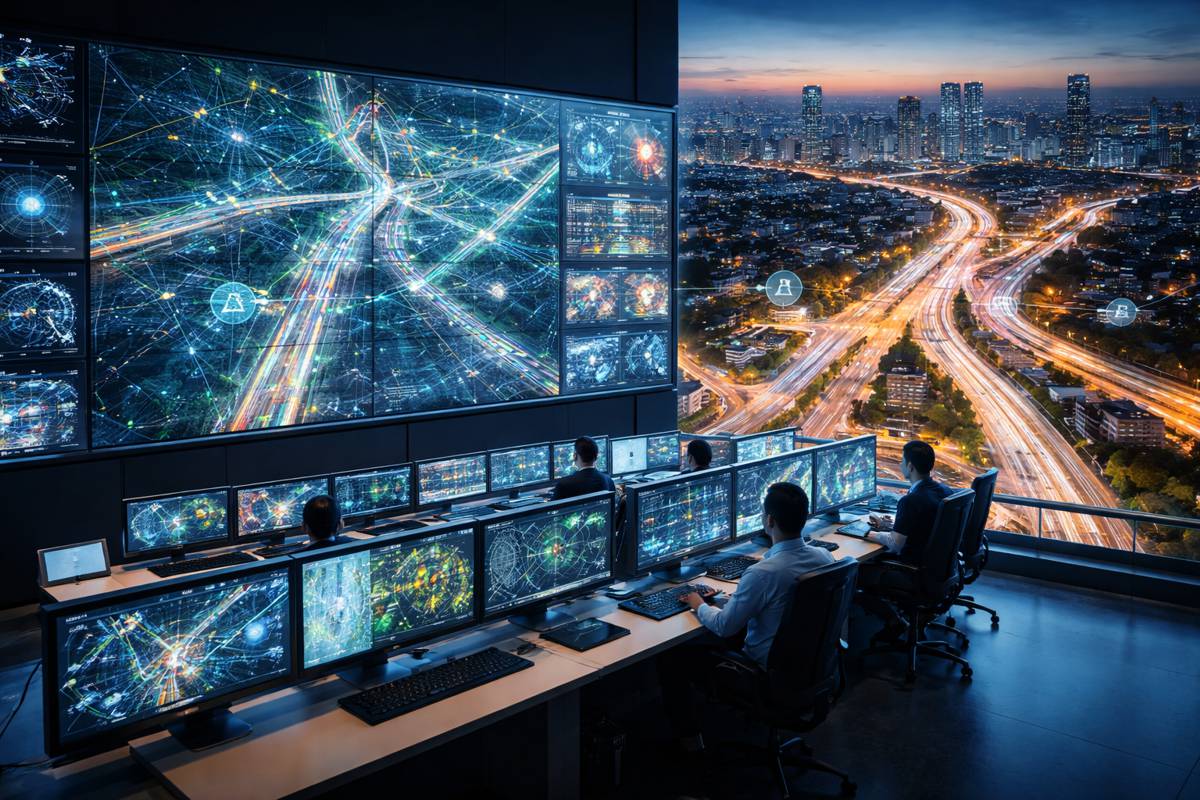
In a world where smartphones, wearables, and sensors track everything from traffic patterns to air quality in real time, the future of smart cities hinges on one thing: the seamless flow of data. But here’s the catch—when too many devices try to offload information all at once, the system chokes. The result? Lagging updates, drained batteries, and even worse, missed emergency alerts during critical moments like earthquakes or flash floods.
That’s not just inconvenient; it can be life-threatening. As our urban environments grow more connected, ensuring that real-time services remain responsive during public emergencies is becoming mission-critical.
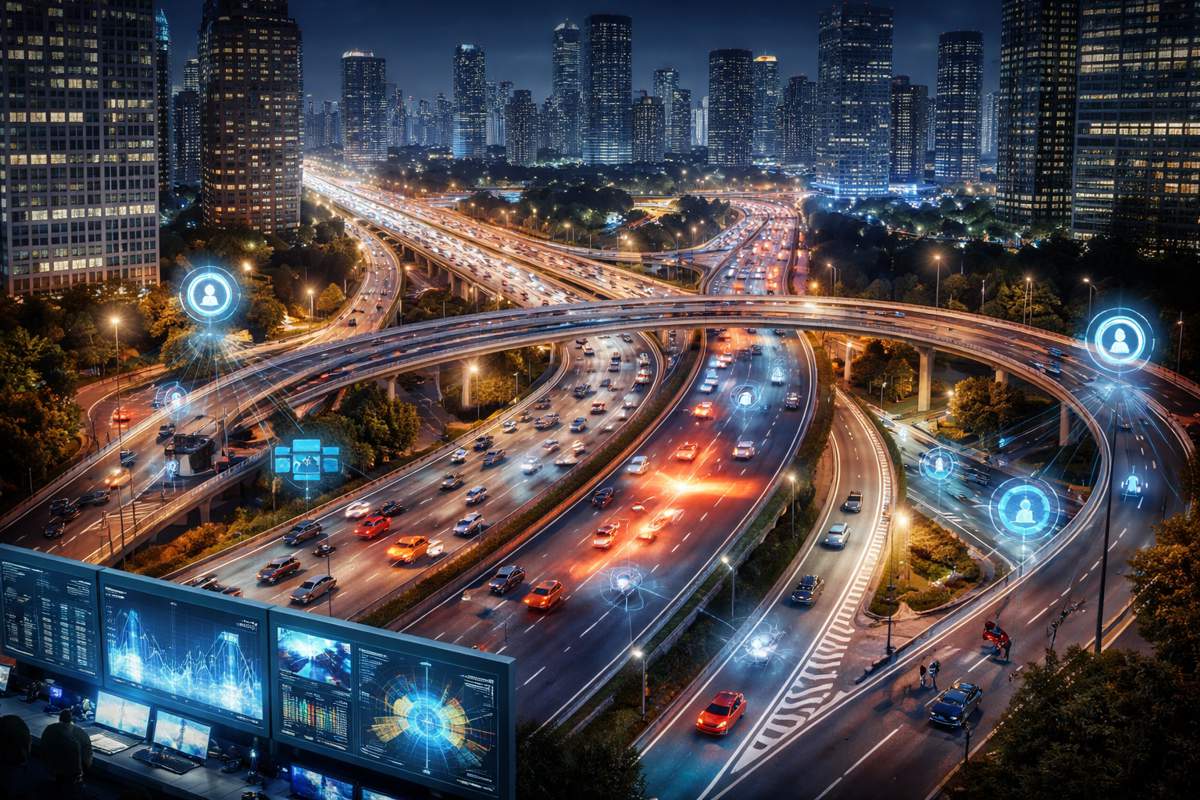
Enter a clever new approach from a collaboration between researchers at Jilin University in China and the University of North Carolina in the US. They’ve engineered an energy-efficient, delay-minimising data routing strategy that acts like a digital traffic cop—directing data flow with precision, even when every device is shouting for bandwidth.
Intelligent Data Control
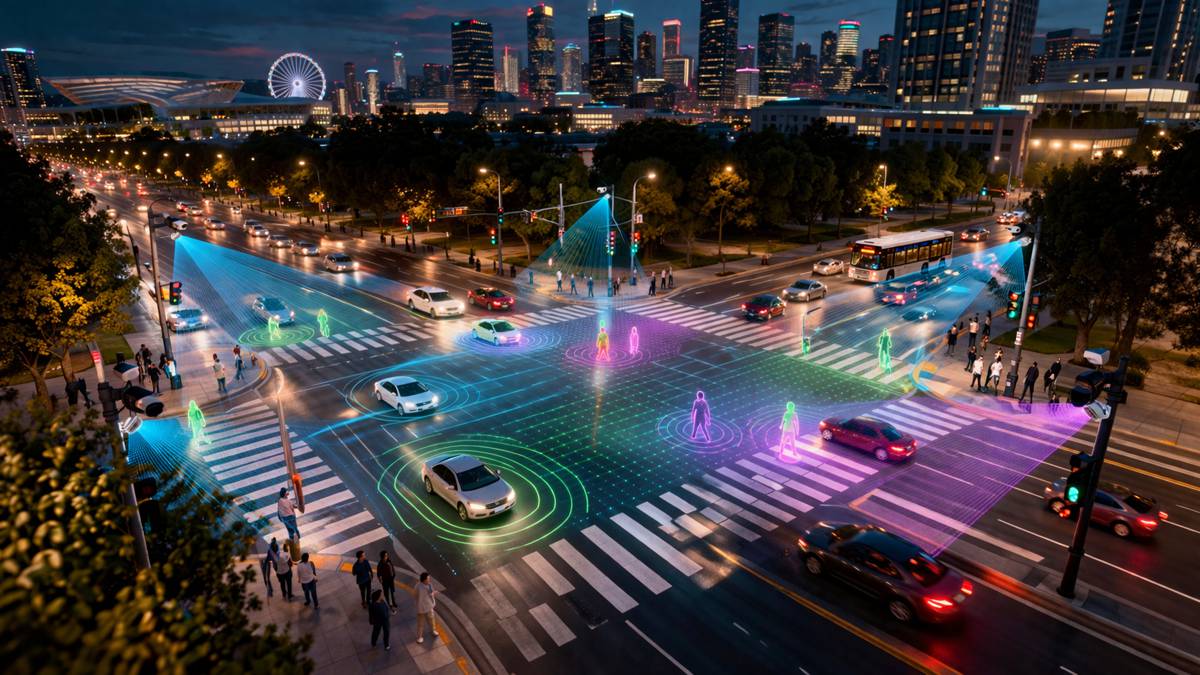
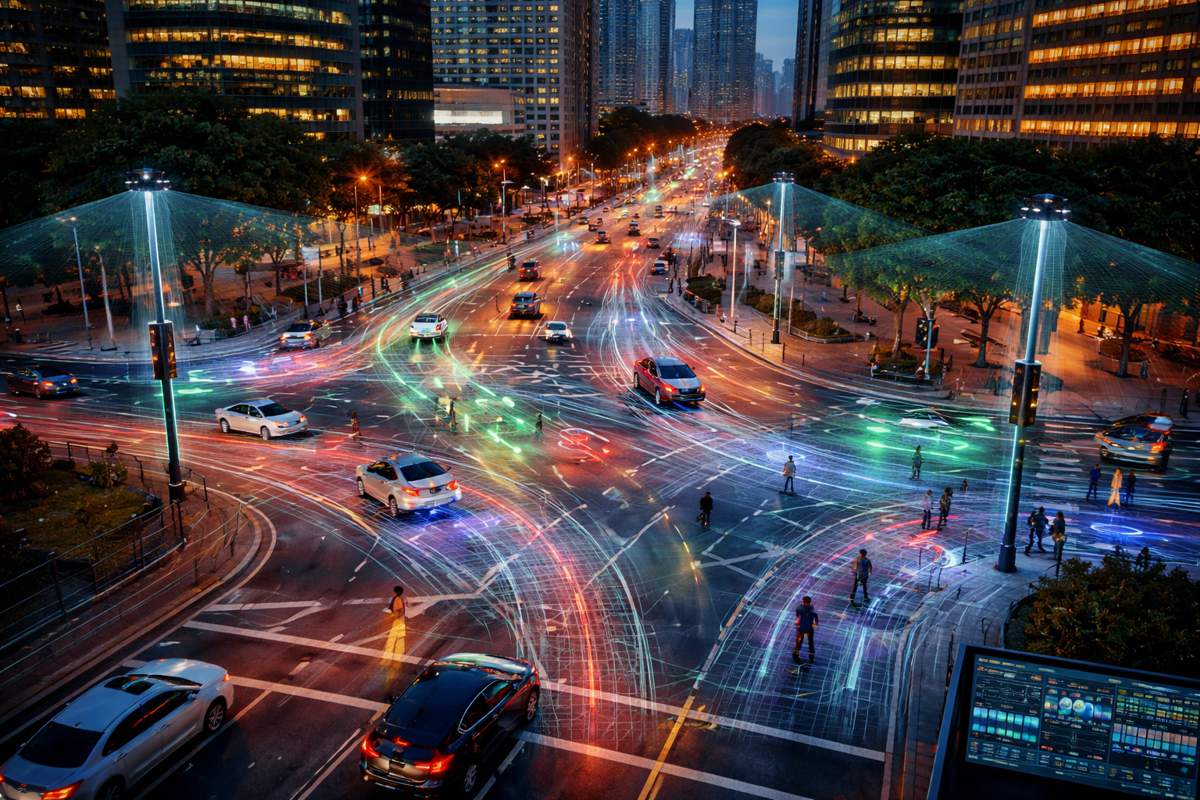
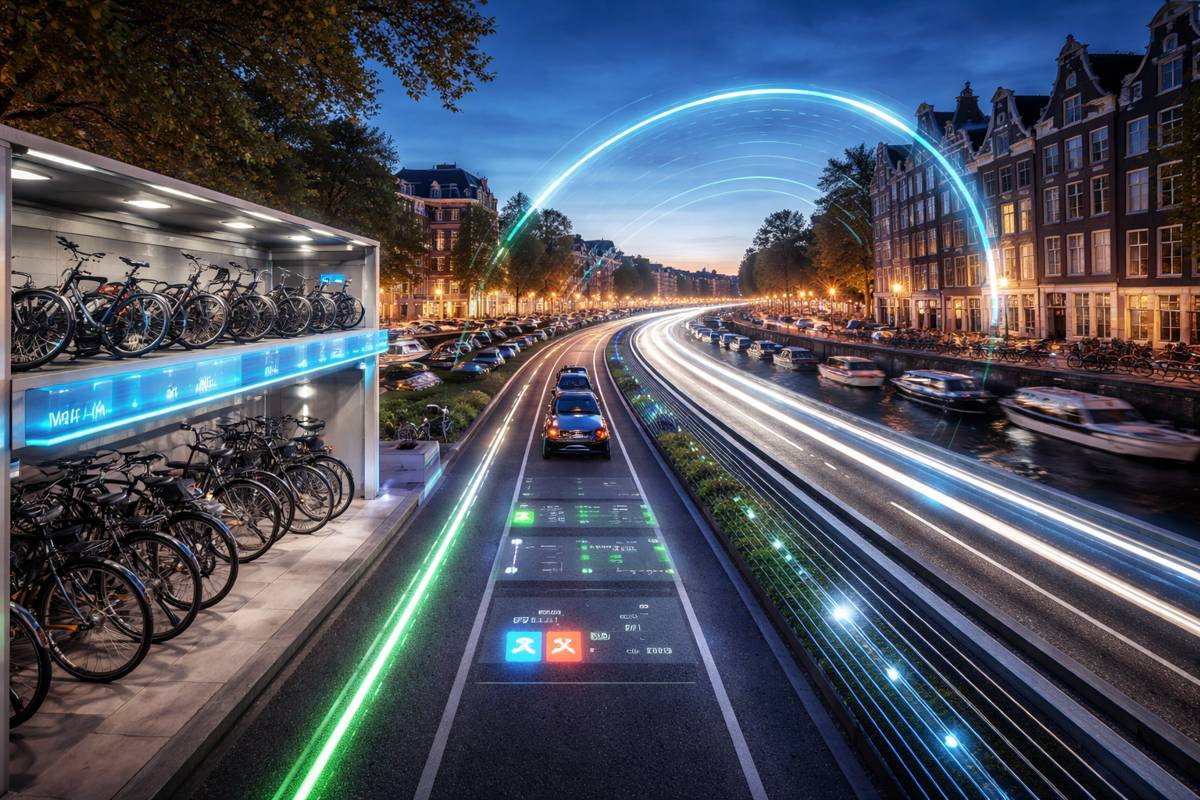
The system they’ve devised relies on a pair of advanced algorithms that work together to balance load and cut energy use. The first step is all about timing: using a method called Lyapunov optimisation, the system gauges how busy each device and server is. Then it decides how much data each should transmit and when—mirroring the way adaptive traffic lights regulate the flow of vehicles across a city.
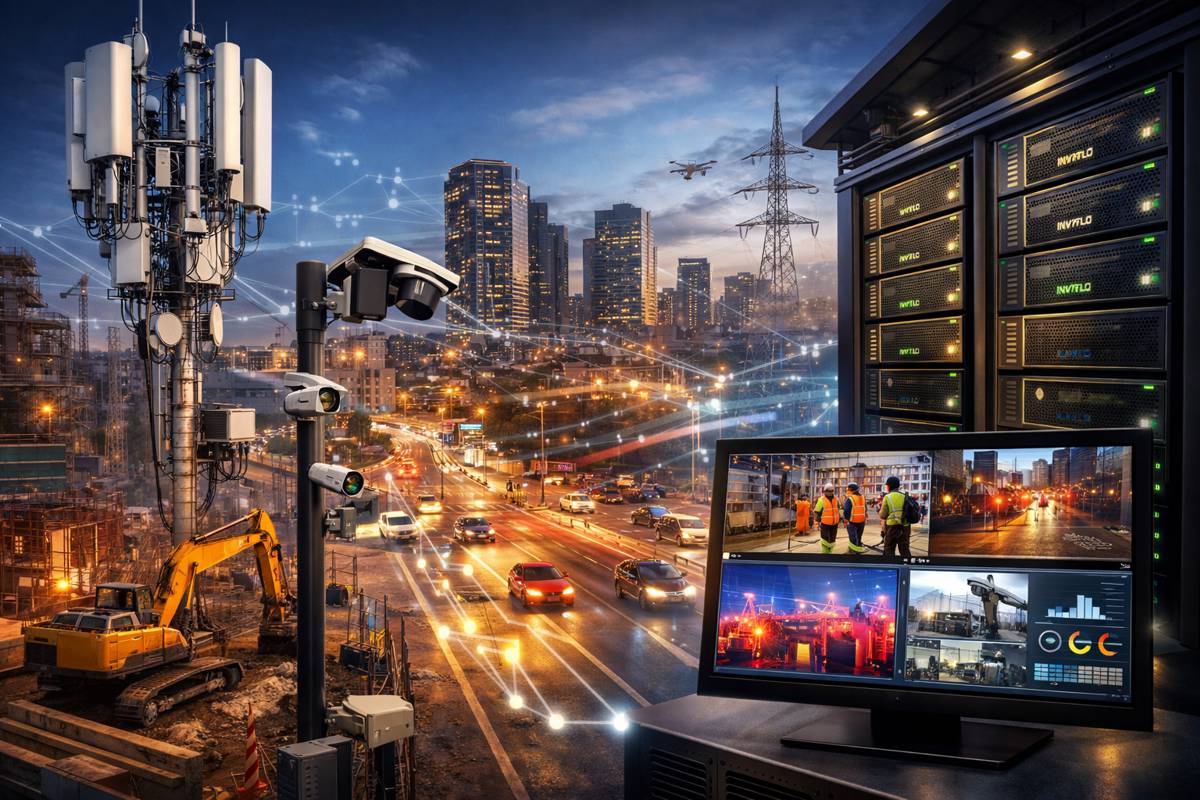
Step two is where the routing magic happens. Once data is ready to move, the system deploys the Kuhn-Munkres algorithm to categorise and assign data types—be it video, image, or plain text—to the most suitable server. Think of it like a logistics hub assigning parcels to the right delivery trucks based on their size and urgency.
This coordinated manoeuvre doesn’t just trim power use; it keeps data queues short and servers humming—even when device numbers skyrocket, like during major public events or climate emergencies.
Emergency Response Under Pressure
During public emergencies, the stakes skyrocket. Whether it’s a bushfire threatening suburbs or a transport system knocked out by flooding, information must flow freely.
As Professor Jing Deng, the project’s lead researcher, puts it: “Our goal was to keep everyone’s devices up and running—even when the digital rush hour hits—without draining the battery.”
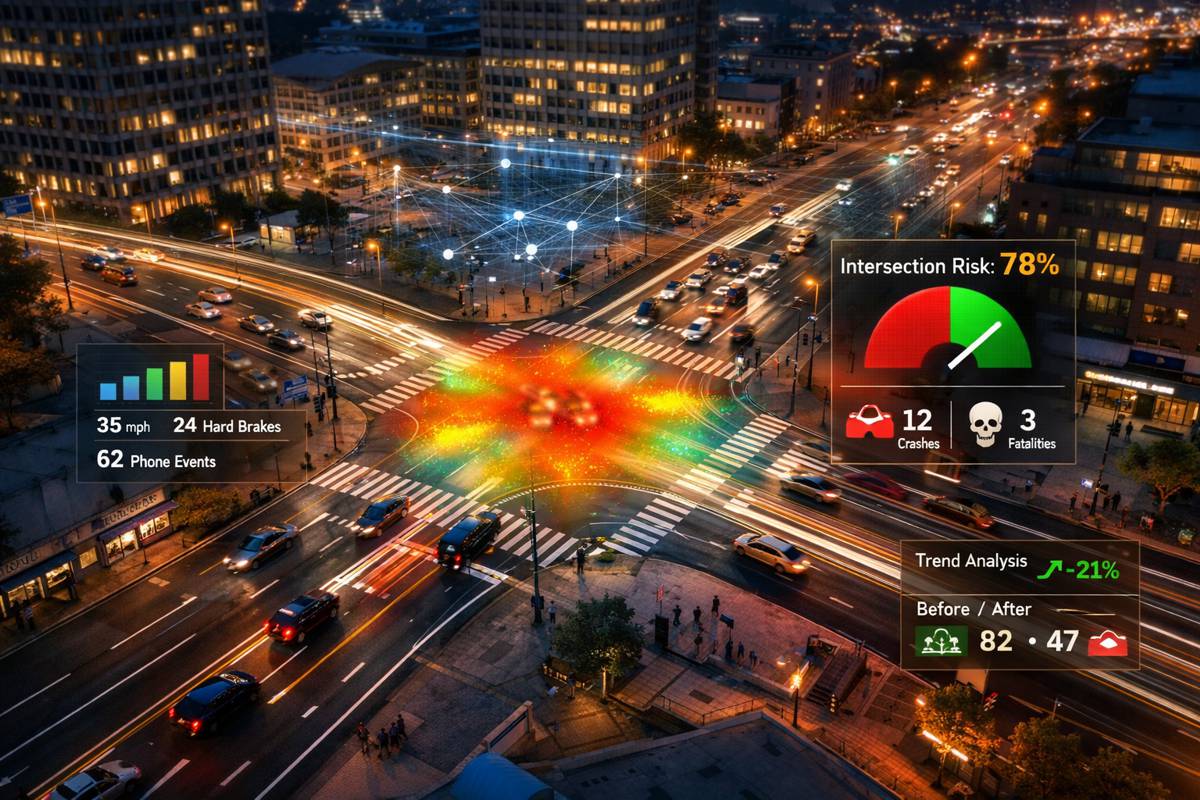
This tech isn’t just about keeping Google Maps smooth during a parade. It’s about ensuring life-saving alerts get delivered, rerouting commuters in real-time, and allowing rescue teams to coordinate swiftly and effectively.
With their smart routing strategy, the researchers have designed a system that works as fast as the crisis demands, without overheating the very infrastructure it relies on.
Outperforming the Status Quo
The team benchmarked their system against traditional methods, and the numbers speak volumes. While other strategies could bring down energy use a tad, they often did so at the cost of massive server queues—basically kicking the can down the road. The new approach held queue lengths in check, maintained consistent performance under pressure, and handled high data loads with ease.
For city administrators and infrastructure planners, that means fewer compromises. No more choosing between keeping devices alive and maintaining system speed. With these algorithms, it’s possible to have both.
Building Resilient Urban Ecosystems
Smart cities are becoming the backbone of future-ready infrastructure. From self-adjusting streetlights to AI-powered public transport, the success of these technologies hinges on dependable, low-latency communication.
But let’s be honest—many current systems are fragile. A sudden spike in user demand or a network hiccup can throw off critical services. This research tackles that head-on, offering a scalable solution that doesn’t just patch holes, but builds a more robust, energy-aware foundation.
It also opens doors for integrating AI and machine learning into city systems, enabling predictive responses instead of reactive ones. For instance, traffic rerouting could be automated based on a blend of weather data, live congestion levels, and even upcoming public events.
What’s Next for Urban Intelligence?
While the technology is still in its academic phase, the implications are vast. Industry players focused on smart infrastructure, IoT device manufacturers, and urban planners should take note. The principles behind this system could shape the next generation of:
- Emergency response networks
- Smart mobility apps
- Pollution and climate monitoring platforms
- Energy-efficient wearable technologies
With global cities under mounting pressure from climate change, population growth, and ageing infrastructure, innovations like this offer a timely boost. They represent not just incremental improvements, but a potential leap in how cities operate under stress.
A More Connected, Confident Future
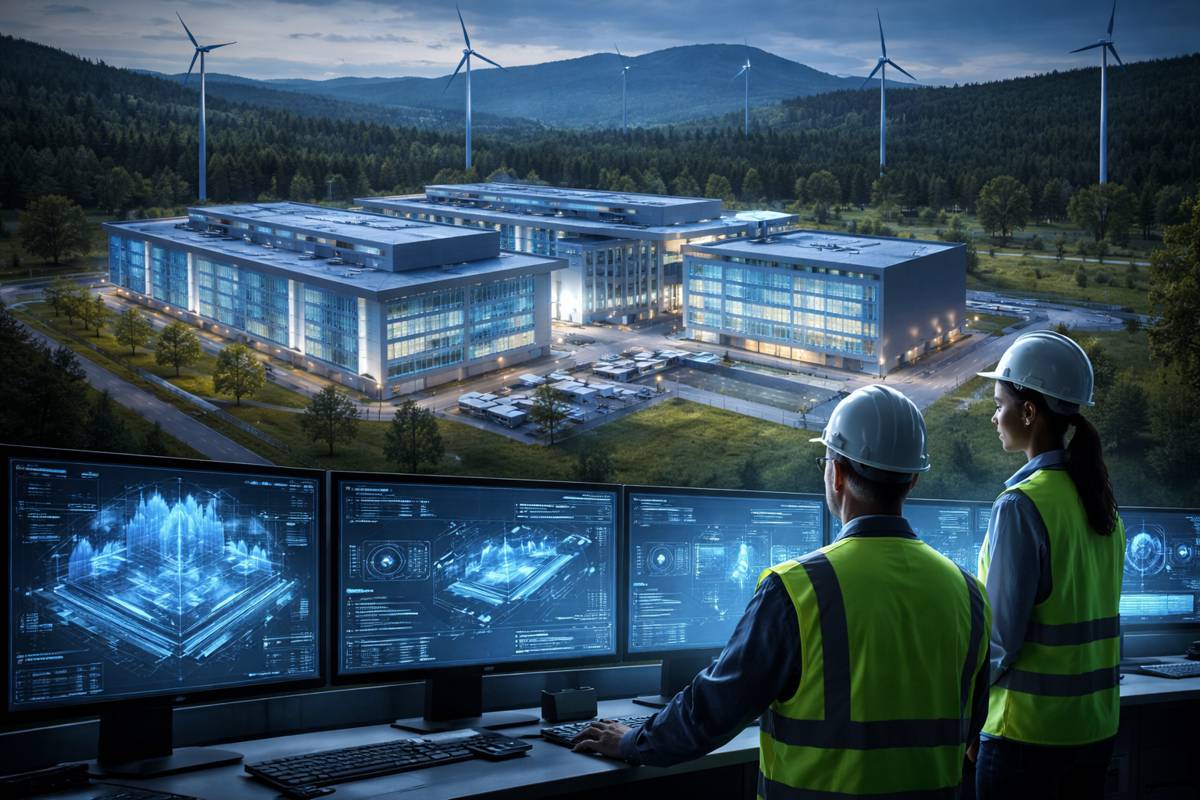
This research proves that with the right algorithms, even the most chaotic data environments can be tamed. The twin-engine approach of smart data scheduling and adaptive routing ensures that cities stay connected and responsive—even when the going gets tough.
By prioritising performance without compromising power, these innovations pave the way for more resilient, efficient, and human-centred urban ecosystems. And as smart cities continue to scale, solutions like this will be the backbone of progress.