DJI FlyCart 100 Redefining Heavy-Lift Aerial Logistics
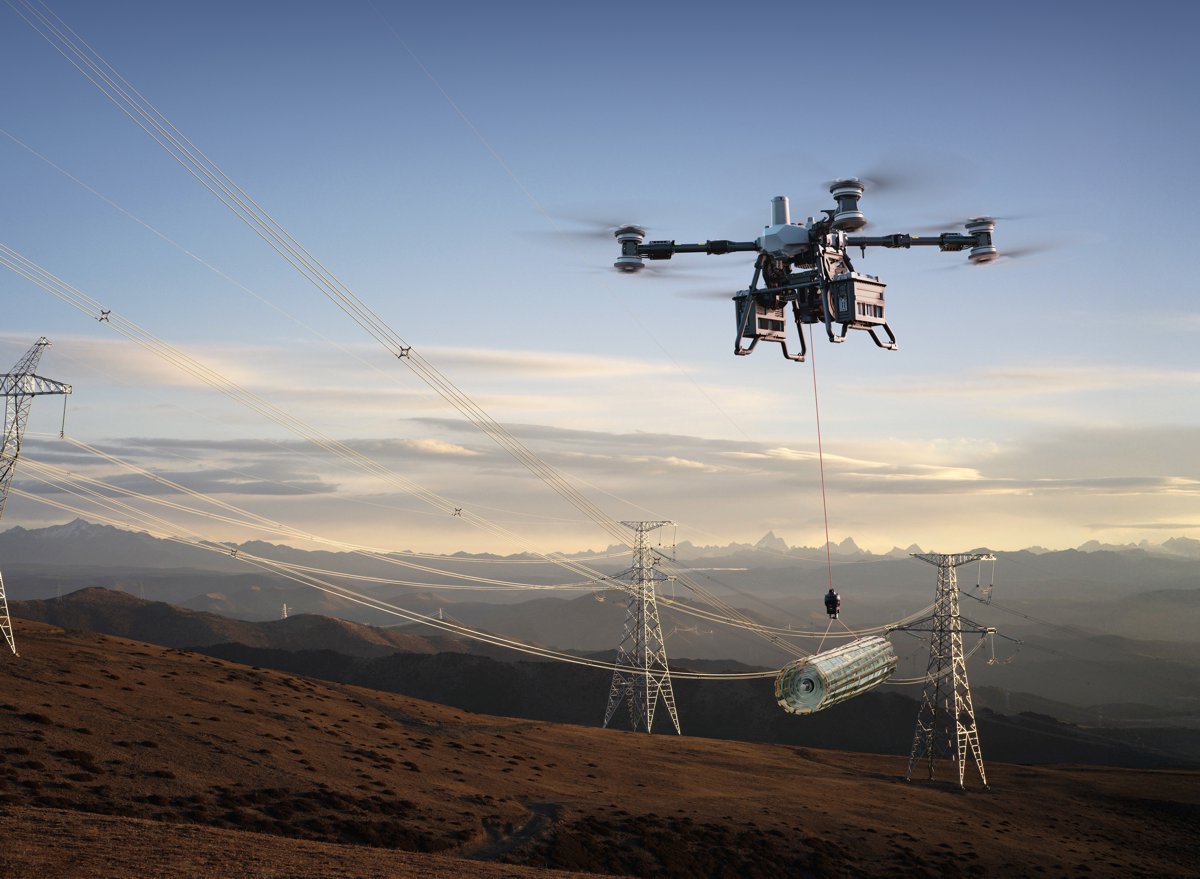
DJI has expanded the landscape of airborne logistics with the introduction of the DJI FlyCart 100, a next-generation industrial drone engineered to transform heavy-lift aerial delivery. As the global leader in civil drones and creative imaging systems, DJI continues to respond to the growing need for safer, cleaner, and more efficient delivery solutions across construction, emergency response, infrastructure, remote supply routes, and maritime environments.
The FlyCart 100 builds on the proven performance of the FlyCart 30, a platform that famously enabled aerial transport at the summit of Mount Everest. The latest iteration raises the standard with a maximum payload capacity of up to 100 kilograms, faster and more adaptable charging solutions, and an intelligent safety architecture featuring LiDAR, an integrated parachute, and advanced multi-sensor obstacle detection. DJI has also unveiled the DJI Delivery App and DJI DeliveryHub to simplify real-time flight planning, team coordination, and operational data management.
Hao Jin, Head of DJI Delivery Sales, highlighted how quickly aerial logistics has moved beyond experimentation and into widespread industrial use: DJI continues to innovate to meet industry needs. Even in the early days of aerial delivery, our advanced civilian drone technology has become the trusted solution globally for emergency response, construction, and supply chain logistics – from transporting air tanks and trash on Mount Everest to delivering emergency supplies after the devastating floods. Jin added: With the next-generation DJI FC100, we built a drone that can deliver more – in payload capacity, endurance, and safety – and support more applications across more industries.
Payload Capacity Built for Real-World Demand
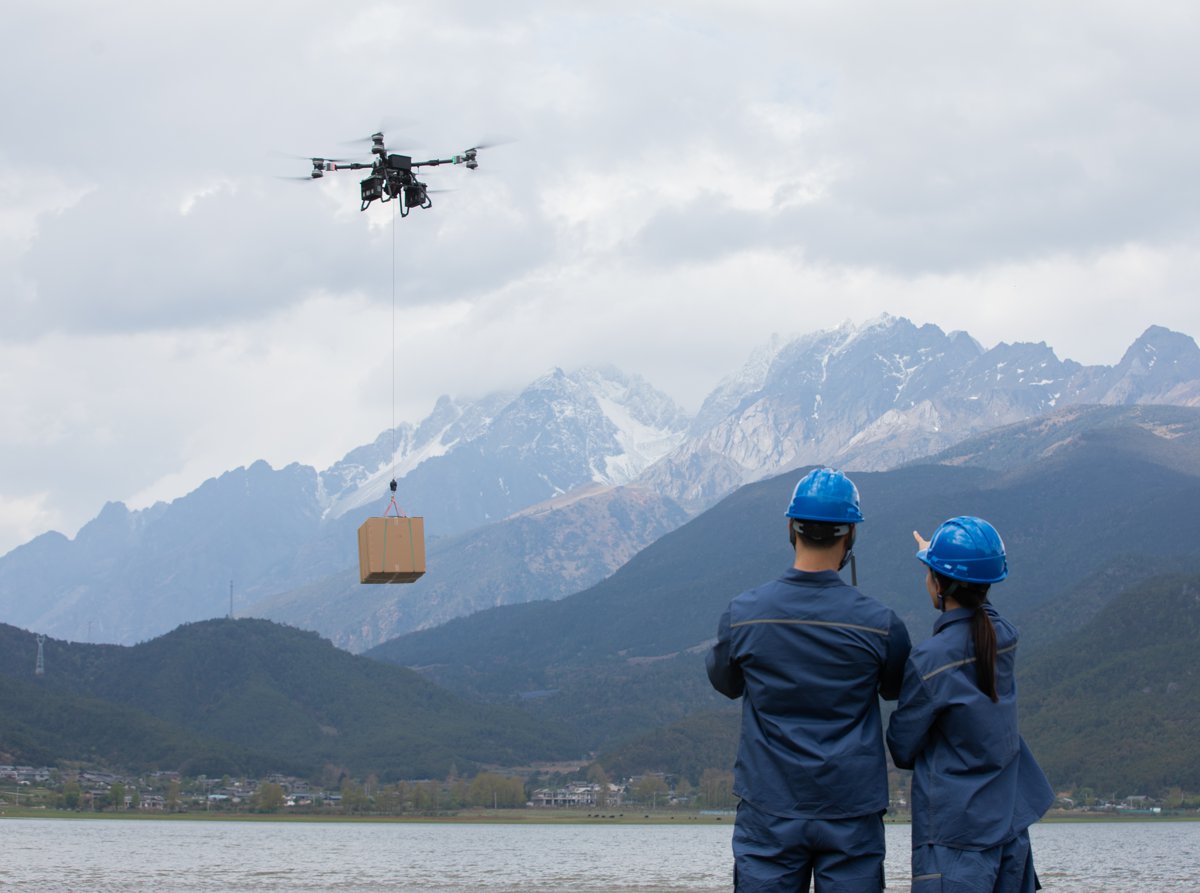
Designed for rugged environments, from mountain passes to coastal waterways, the FC100 brings significant performance improvements to the industrial drone market. Enhancements to motor torque, carbon-fibre propulsion, and aerodynamic geometry allow the drone to carry dramatically heavier loads across longer distances.
With dual batteries, the FC100 can transport payloads up to 65 kilograms across 12 kilometres, doubling the capabilities of its predecessor. When operating with an emergency single-battery configuration, it can carry up to 80 kilograms over a six-kilometre route, making it ideal for urgent lightweight or time-critical operations.
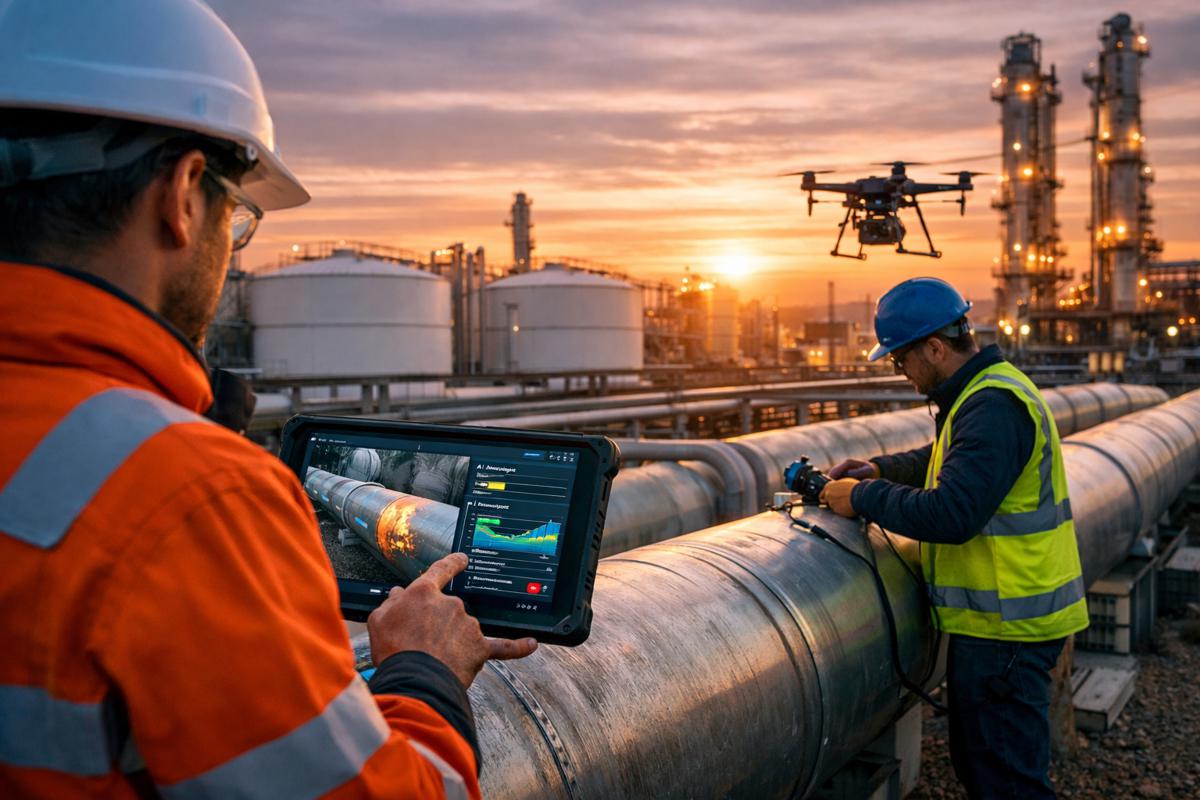
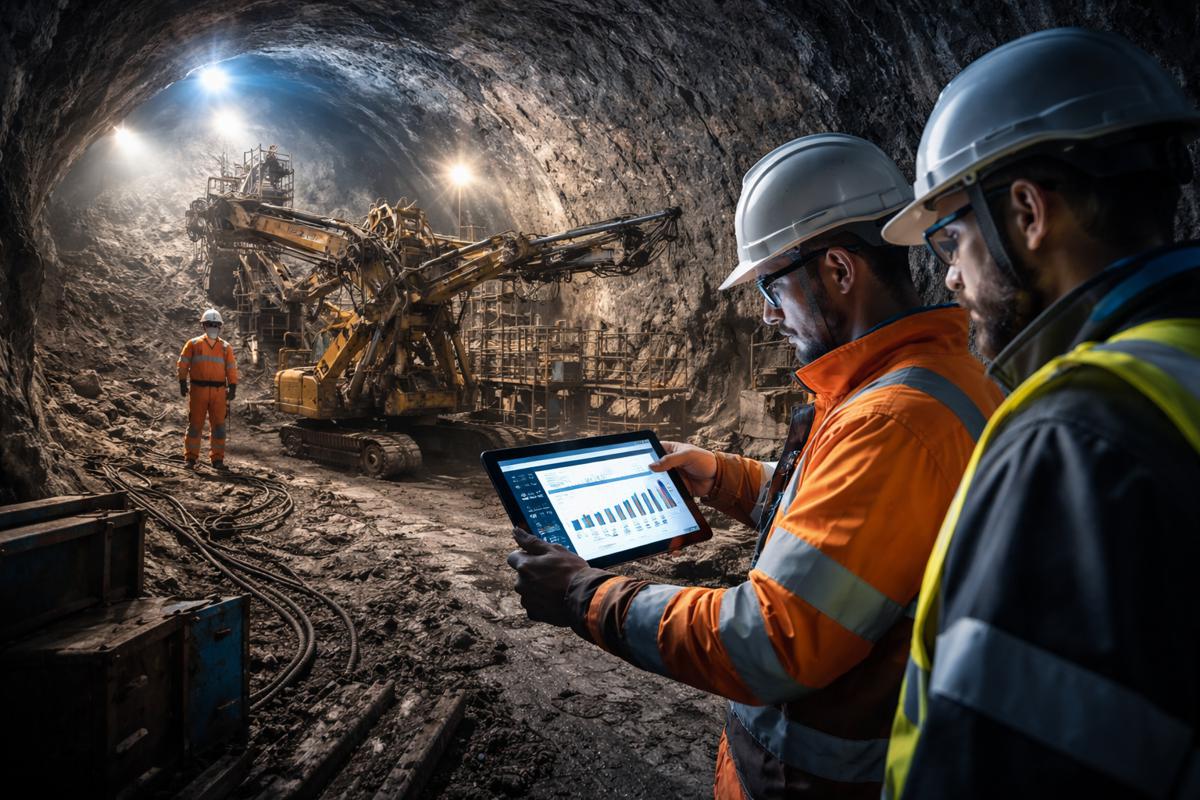
Industrial and infrastructure operators continue to demand drones capable of moving materials, tools, medical supplies, samples, and measurement devices safely and efficiently. Heavy-lift drones now serve offshore construction, seismic survey pads, utilities infrastructure, and even remote mining operations where ground logistics are slow, risky, or impractical.
Across the wider industry, heavy-lift drone adoption is accelerating. In the United States and Europe, logistics companies and utility operators increasingly use drone systems to transport spare parts, diagnostics tools, rope access equipment, and even small modular components across hazardous terrain. In parts of Africa and Southeast Asia, drones now supply field hospitals, mining routes, and island villages where roads are impassable or severely underdeveloped.
Faster and More Flexible Energy Management
The FC100’s upgraded energy system recognises operational realities in remote or industrial environments. The platform supports ultra-fast charging through the DJI C12000 charger or the D14000iE generator, allowing batteries to be replenished rapidly even in off-grid locations.
Operational uptime is extended through dual-battery hot-swapping, a redundancy design that keeps the aircraft airborne without disrupting scheduled movements. Battery heating through the DJI Battery Incubator safeguards performance in challenging weather conditions, particularly at high altitudes or on early-morning deployments.
Drone-based delivery increasingly requires power systems that function both indoors and outdoors on a spectrum of commercial energy sources. By supporting various chargers and long-range batteries, the FC100 offers a flexible backbone for field operations, construction sites, emergency staging areas, and rapid infrastructure builds.
Battery innovation remains one of the most important aspects of scalable aerial logistics. Manufacturers continue exploring fast-charge methodologies, lightweight industrial battery chemistries, and intelligent energy management software. The FC100’s compatibility with mission-critical charging ecosystems adds to its appeal across commercial fleets.
A New Generation Winch System
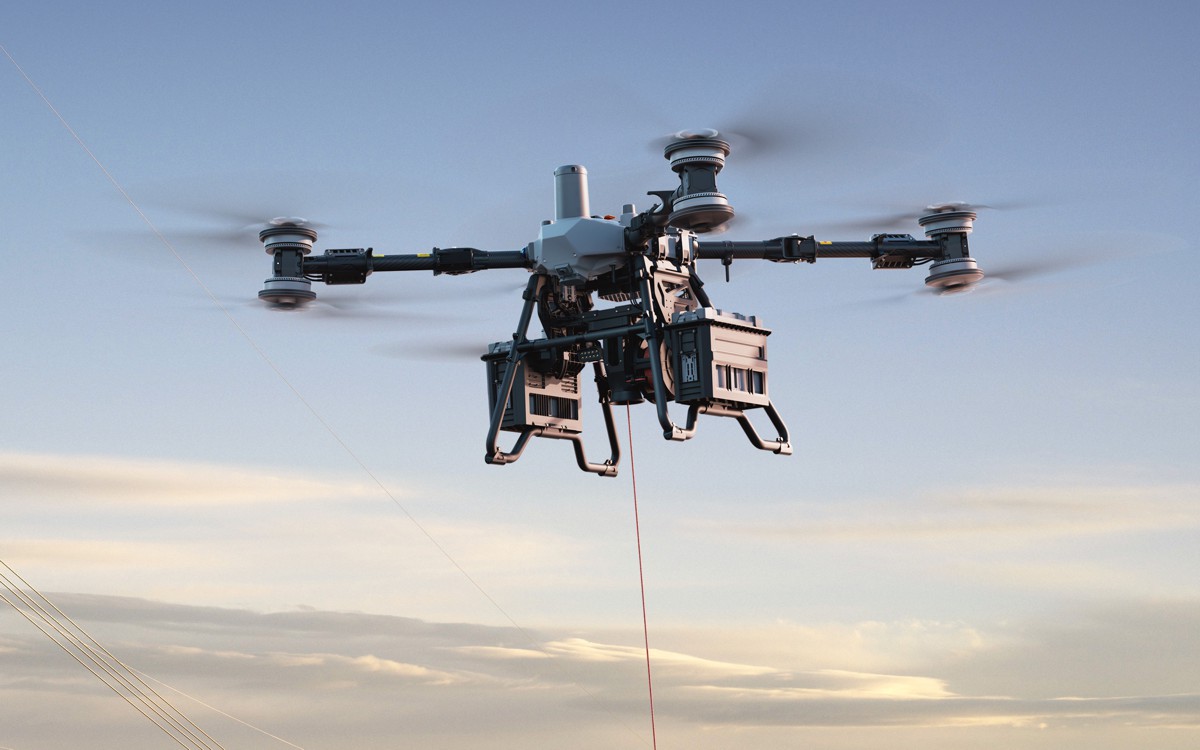
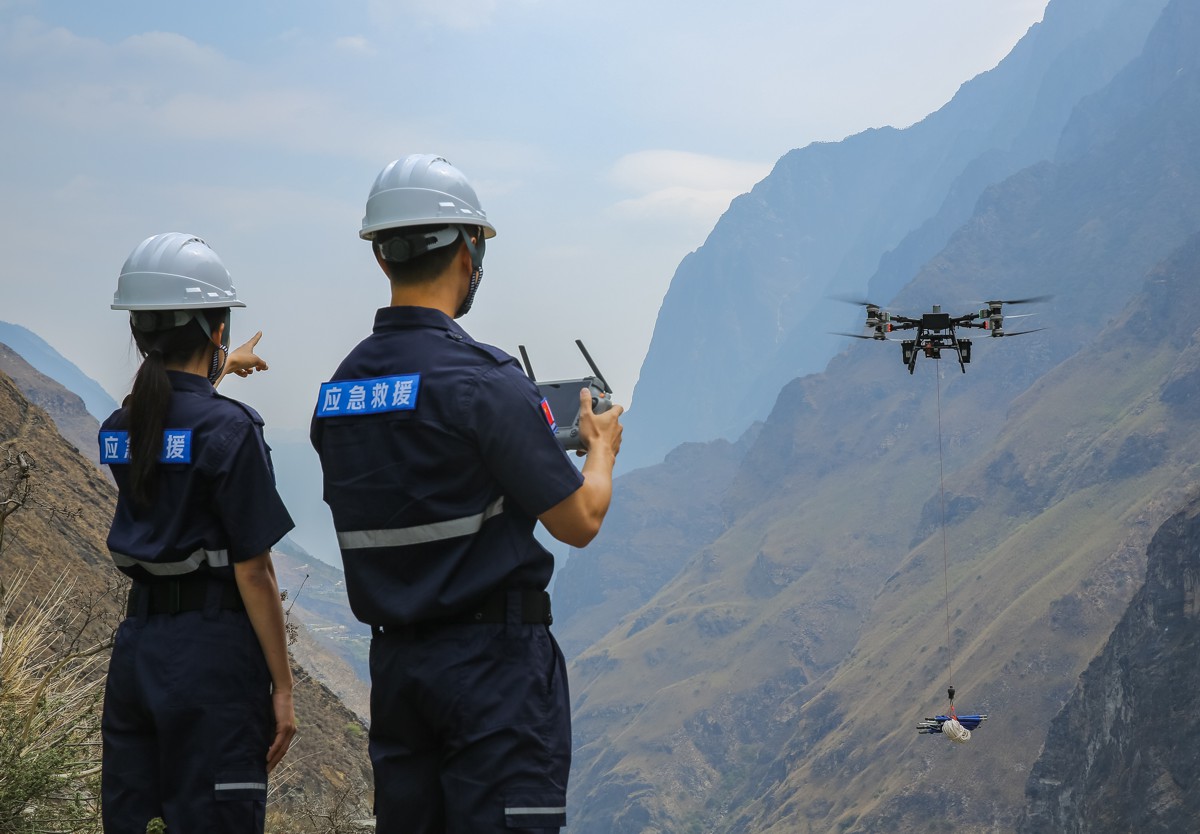
The FC100 incorporates DJI’s new Flagship Winch System, bringing a significantly more capable load management mechanism for precise vertical delivery. Designed for field personnel, utility crews, and survey engineers, the electric hook system enables rapid loading and unloading while operating with automated or manual control.
A 30-metre cable provides the vertical reach needed for valley sides, ship-to-shore transfers, foundation pours, and difficult-terrain delivery. The system maintains a retractable speed of up to 1.2 metres per second even with heavier cargo, delivering predictable performance for repetitive or regulated lifting procedures.
Industrial winch systems increasingly allow drones to perform point-specific deliveries without landing, especially at disaster scenes, offshore platforms, mountainous survey pads, new bridge works, and wind-energy installations. Improving operational precision also extends drone usage into confined or highly regulated sites.
Intelligent Flight Safety for Challenging Environments
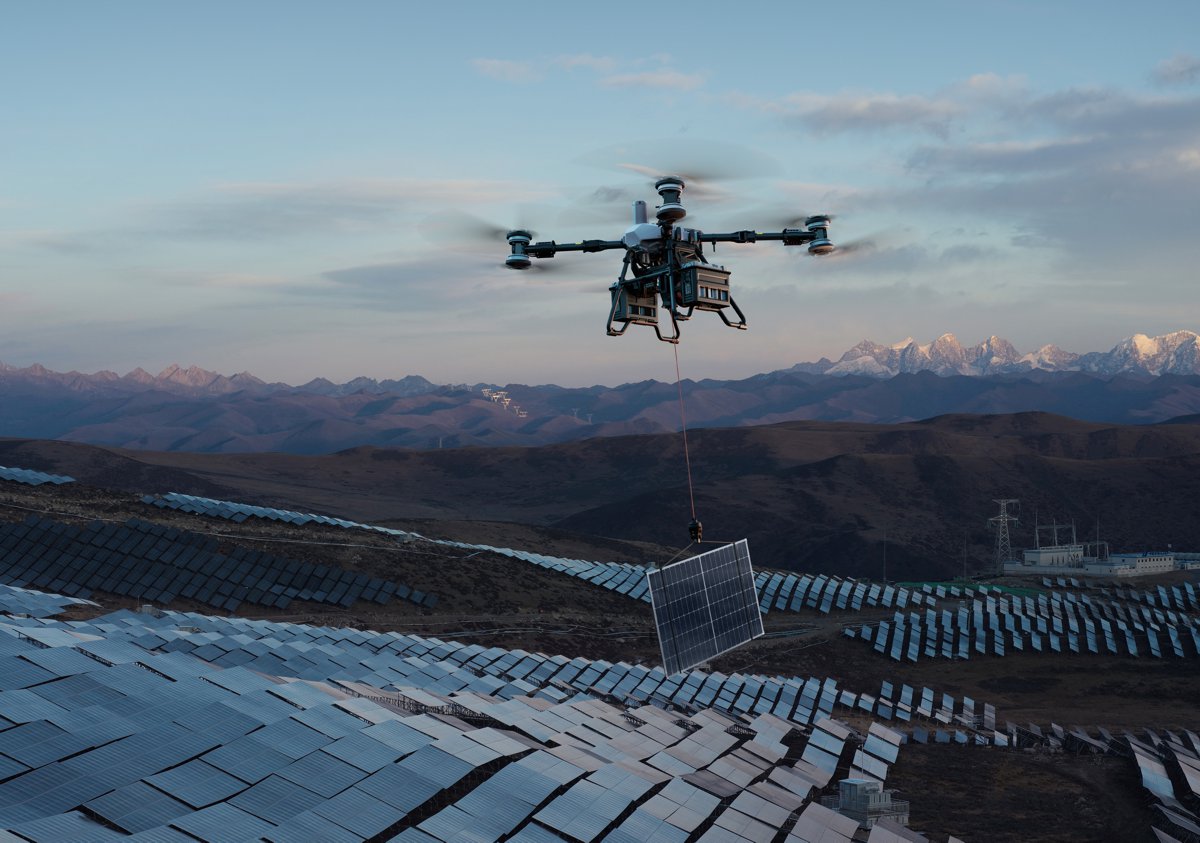
Flight safety is the defining factor in scalable aerial logistics. The FC100 integrates a multi-layer safety package featuring high-precision LiDAR, millimetre-wave radar, and a penta-vision obstacle detection system to improve environmental awareness during complex missions.
In a true emergency, an integrated parachute slows descent to approximately 7 metres per second and reduces risk to people or property. The aircraft’s IP55-rated water and dust protection ensures operations across industrial worksites, coastal construction pads, or dusty road networks. It is engineered to perform across a temperature range of minus twenty to forty degrees Celsius, withstand winds of up to 12 metres per second, and operate at altitudes reaching 6,000 metres.
Drone safety is advancing across the wider market. Modern industrial systems now feature geofencing, redundant propulsion, terrain mapping based on real-time sensor fusion, and predictive analytics designed to spot anomalies before they escalate. The FC100 reflects this broader movement toward mature aerial logistics safety frameworks suitable for regulated construction and critical infrastructure settings.
Smarter Operational Management Tools
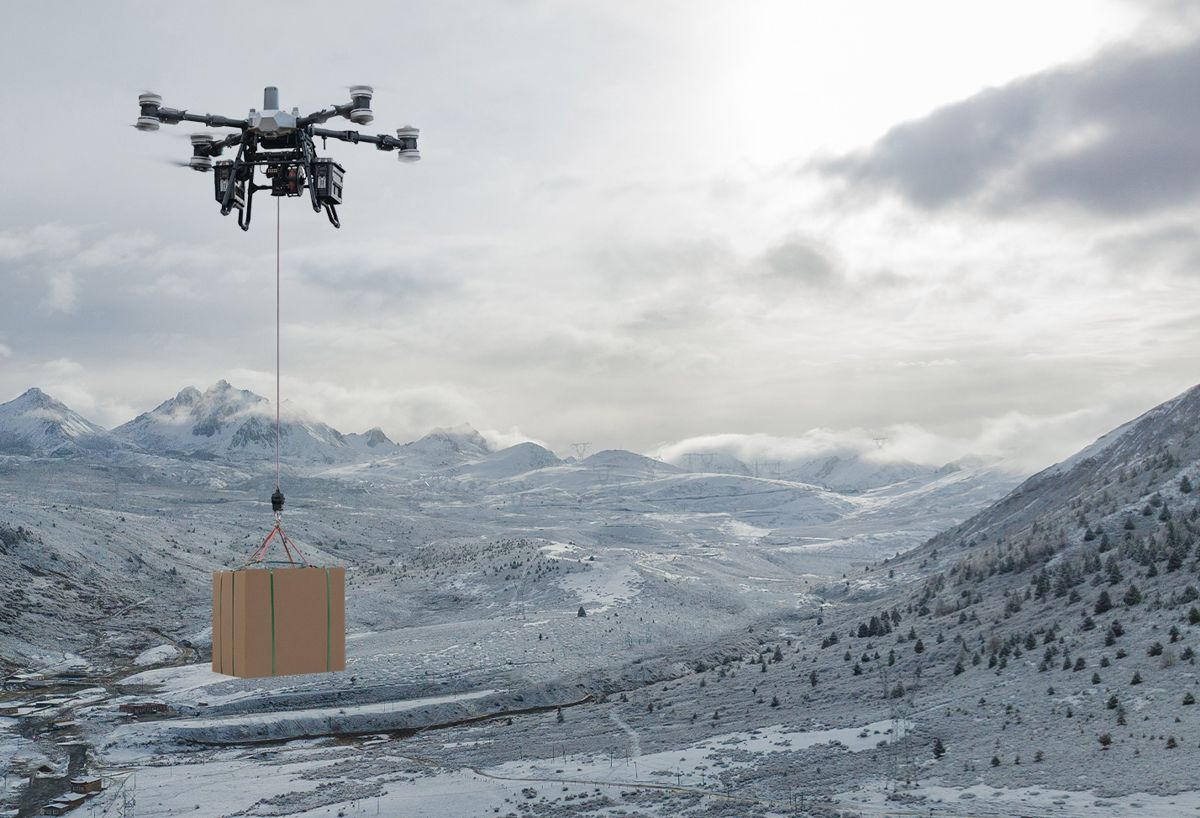
The newly launched DJI Delivery App enhances direct control with real-time flight data, route management, and an AR-enhanced pilot interface. A-B route automation allows fleets to standardise repeated journeys, reducing pilot fatigue and lowering operational training demands.
DJI DeliveryHub expands this capability into a centralised logistics platform for multi-team air operations. Fleet operators can plan routes, share status information, coordinate ground teams, analyse historical performance, and manage digital records from a single platform. Unified data helps enterprises measure efficiency, support predictive scheduling, and strengthen regulatory compliance.
The FC100 is compatible with PSDK and high-power third-party interfaces, enabling construction operators, utility companies, or emergency response teams to integrate advanced sensor payloads, thermal imaging systems, atmospheric measurement gear, or mapping instruments.
Air logistics management platforms are expected to scale as drone networks become embedded in national infrastructure. Delivery management software now forms a key component of integrated construction planning, emergency logistics, road asset monitoring, and on-site provisioning.
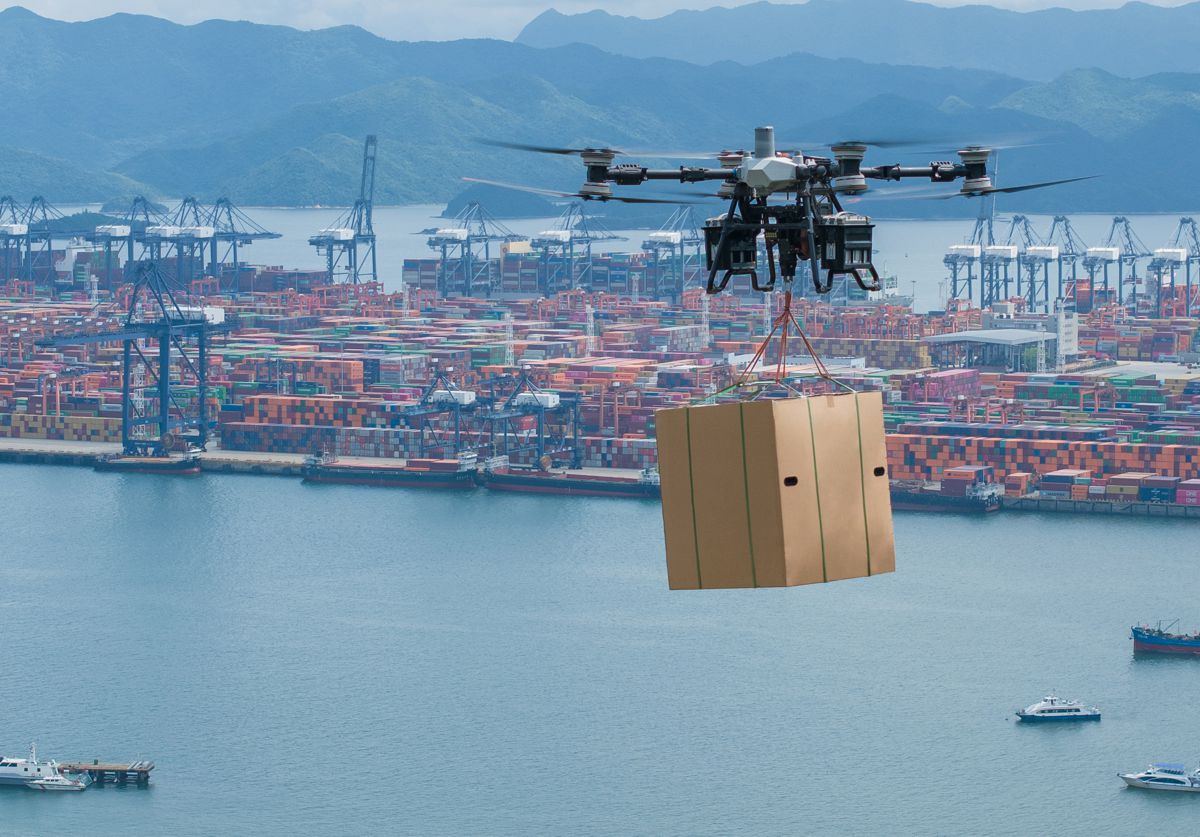
Heavy-Lift Drones Moving into Mainstream Infrastructure
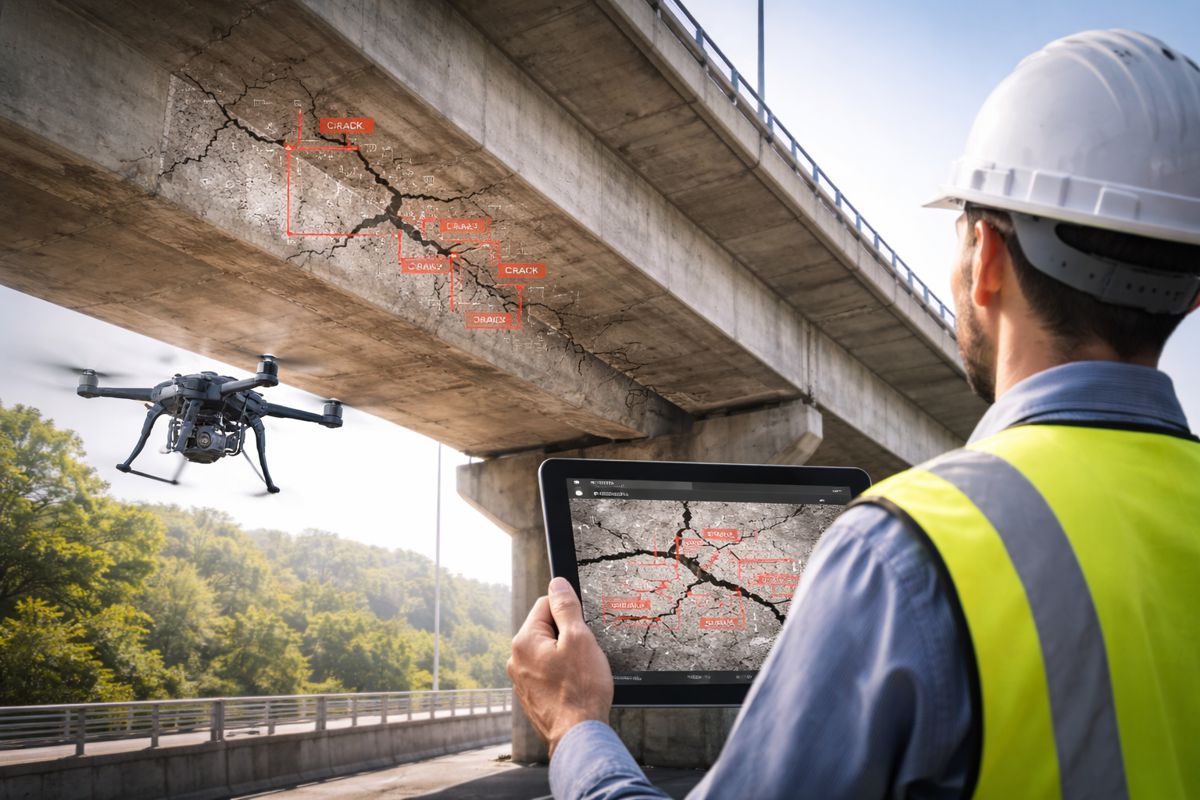
Heavy-lift drones such as the FC100 are increasingly seen as practical tools for infrastructure development. In bridge construction, drones deliver inspection tools, measurement devices, bolts, and small structural components to places that are slow or unsafe to reach by rope access. In tunnelling, drones carry monitoring sensors or small volumes of consumables across long underground corridors.
Around offshore wind farms, drones assist maintenance crews by delivering tools and safety equipment to nacelles or transition platforms before rope access teams ascend. They have also begun transferring small diagnostic devices, spare filters, and environmental sensors between barges and anchor points.
In large-scale road construction, drones now move sample containers, soil density meters, thermographic scanners, and handheld LiDAR systems between lab teams and field crews without interrupting traffic or staging heavy vehicles.
Industry analysts expect global drone delivery revenues to exceed USD 29 billion by 2030, with heavy-lift logistics representing one of the fastest-growing segments. Advances in flight automation, fast-charge technology, safety architecture, battery performance, and real-time operations software will continue to accelerate professional adoption.
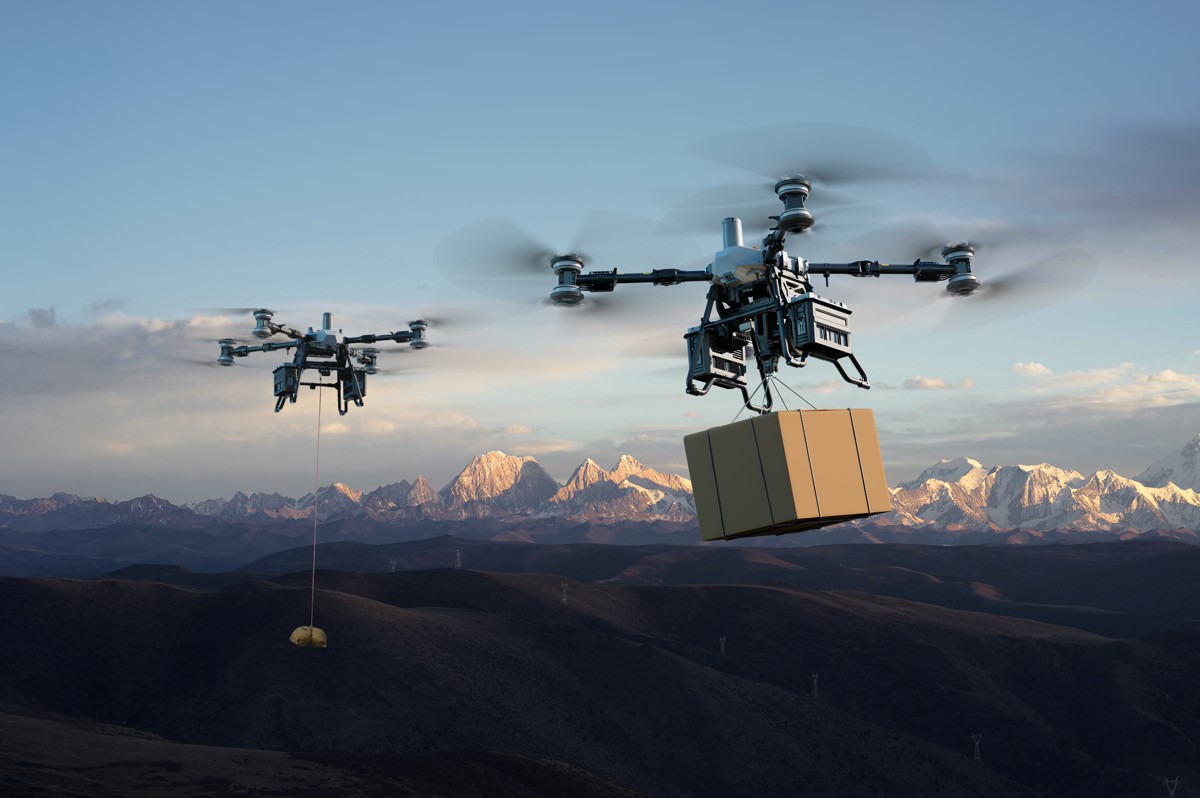
A Future Built on Scalable Air Logistics
As construction and infrastructure projects become larger, more remote, and more complex, scalable air logistics is evolving from novelty to necessity. The DJI FlyCart 100 demonstrates how industrial drones are transitioning into high-reliability tools for routine job-site provisioning, remote sensing, safety monitoring, and emergency deployment.
Integrating delivery software with air-rated safety systems, intelligent flight sensing, rapid-charge energy solutions, and precision winch operations reflects a maturing industry where aerial logistics strengthens worksite productivity without adding environmental or operational burden.
End-user demand points toward a future in which fleets of industrial drones support urban infrastructure maintenance, emergency supply corridors, maritime construction, bridge refurbishment, and resource-sector operations.
The drone-powered logistics era is well underway, bringing new efficiency and safety advantages to industrial environments that traditionally relied on slow or disruptive ground transport.