EIB Investing €289.5m for India’s Sustainable Metro Growth
The European Investment Bank (EIB), through its international development arm EIB Global, has approved €289.5 million in new financing to support the expansion of sustainable metro networks in India.
The investment consists of a €240 million loan to extend the Nagpur metro and a €49.5 million top‑up loan to strengthen the Pune metro system. These projects represent a major milestone in enhancing inclusive public transport infrastructure in one of the fastest‑growing global economies.
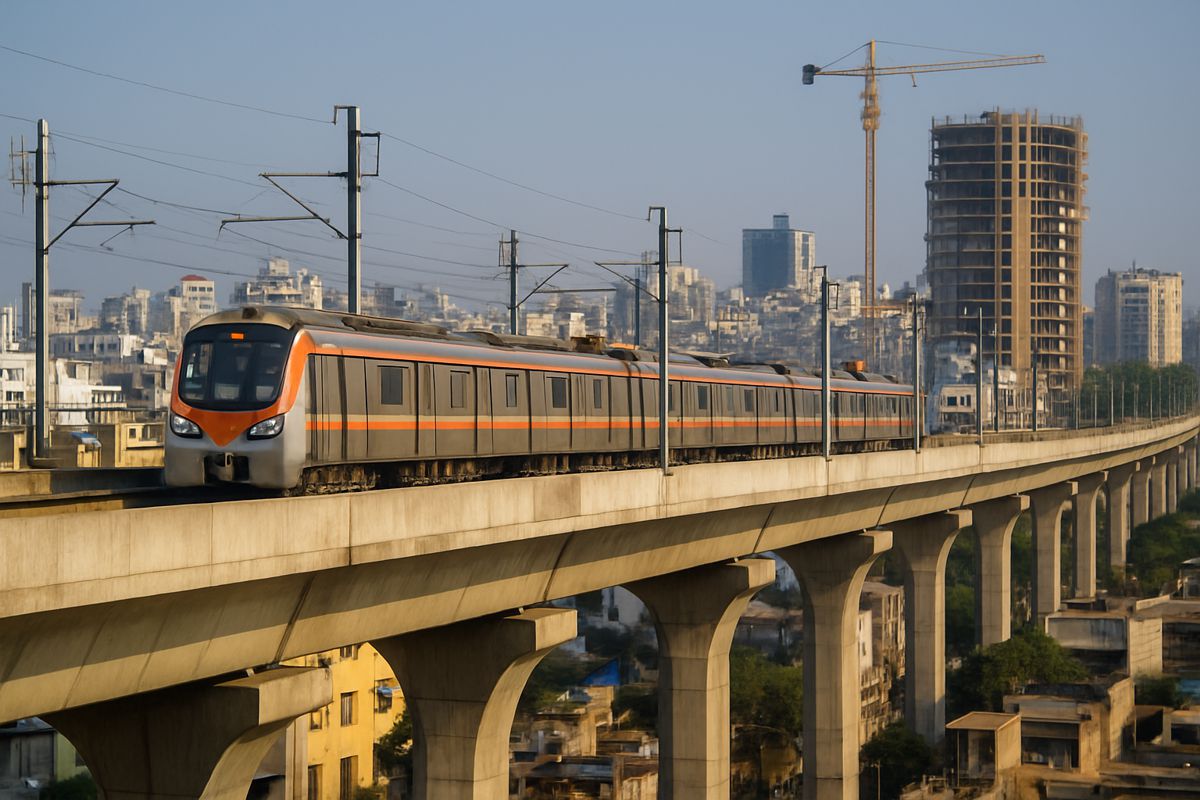
India’s rapidly expanding metropolitan regions are under growing pressure from rising vehicle numbers, worsening congestion and escalating carbon emissions. Metro systems provide a practical, scalable and low‑carbon solution that delivers measurable environmental and social gains. By shifting commuters from private vehicles and road‑based transport to modern rail systems, Indian cities are improving air quality, reducing noise levels and lowering accident rates. Metro expansion also promotes safer and more efficient movement for millions of residents, while creating new economic opportunities.
Metro Expansion Driving Emissions Reduction
Nagpur stands at the centre of this strategic investment. The full commissioning of new metro extensions is expected to reduce transport‑related carbon emissions by approximately 22 per cent across the city. Growing adoption of low‑carbon mass transit will play a pivotal role in improving urban health outcomes and supporting national climate strategies.
Ridership levels in Nagpur are projected to reach around 190,000 passengers per day by 2041. This marks a 75 per cent increase over current figures and reflects broader confidence in metro connectivity. The network will more than double in total length, expanding its reach and integrating neighbourhoods that historically relied on private motor vehicles. As accessibility improves, journey times are expected to shorten, creating stronger links between employment centres, educational districts and social facilities.
The development of metro corridors has been central to India’s smart‑city agenda. By reducing traffic density and accidents, metro networks allow cities to modernise mobility in a way that supports sustainable planning, enhances safety and lifts overall quality of life.
Pune Metro Strengthened Through Additional Financing
Pune has been a flagship example of long‑term investment by the EIB. The bank has already committed €600 million for two metro lines covering 31.25 km, 30 stations and a fleet of 102 modern metro cars. The new top‑up financing will consolidate system performance, support capacity enhancement and extend regional access.
Since March 2022, the Pune metro has safely transported over 100 million passengers. The metro provides a reliable, climate‑friendly alternative to private vehicle travel, easing congestion and limiting tailpipe emissions. Its benefits are strongest for communities with limited access to safe mobility, including women, students and lower‑income professionals. For many families, metro services have reduced commuting uncertainty, enhanced safety and increased access to essential services.
Urban planners in Pune are focusing on better multimodal integration, allowing commuters to transition seamlessly between buses, metros, cycling lanes and pedestrian links. This approach aligns with European principles on green mobility, combining digital journey planning, station improvements and safer last‑mile connectivity.
India as EIB’s Largest Transport Partner Outside Europe
India now represents the largest beneficiary of EIB transport investments outside Europe, with financing across mobility projects exceeding €3.6 billion. These funds have helped shape the development of public transit infrastructure in cities such as Lucknow, Bangalore, Agra and Kanpur. Metro systems in India have consistently demonstrated stable ridership growth, high user satisfaction and quantifiable environmental gains.
Nicola Beer, EIB Vice‑President, reinforced this ongoing partnership: “By extending Nagpur’s metro and further supporting Pune’s network, we are helping to deliver cleaner air, safer travel and faster connections for millions of people. These projects show how European financing can have a direct impact on people’s daily lives while supporting India’s green transition and climate goals. With more than €3.6 billion committed since 2016, India remains our largest transport partner outside Europe under the EU Global Gateway strategy.”
The EU Global Gateway initiative prioritises resilient connectivity between regions through strategic investment in infrastructure, climate projects and digital systems. For India, these initiatives help accelerate sustainable transport, reduce dependency on fossil fuels and introduce scalable low‑carbon infrastructure.
Metro Investment Supporting Health, Safety and Productivity
Mass transit development improves more than mobility. It directly contributes to better air quality, safer roads and more equitable access to urban centres. Chronic traffic congestion has long strained India’s metropolitan infrastructure, creating delays, heightened accident risks and escalating emissions.
Metro adoption offers several measurable outcomes:
- Lower noise pollution compared to intensively developed road corridors.
- Fewer transport‑related fatalities through safer travel environments.
- Improved punctuality for workers, reducing productivity losses.
- Increased commercial opportunities along new corridors.
- Enhanced city planning that supports compact, transit‑oriented development.
Research by The Energy and Resources Institute (TERI) indicates that metro expansion across major Indian cities has reduced traffic density on arterial roads by up to 30 per cent during peak hours. Greater frequency, increased network length and better digital ticketing have also encouraged higher ridership.
Delivering Modern Infrastructure for Inclusive Growth
Reliable public transport plays an essential role in expanding access to employment and healthcare. For many students, workers and women travelling alone, metro systems deliver safer routes and improved surveillance, offering a level of confidence not easily matched by informal road transport. Wider station coverage also raises real estate values and encourages local commercial activity.
India’s metro ecosystem continues to mature through partnerships with technology providers, infrastructure specialists and academic institutions. Intelligent signalling, automated safety controls and real‑time passenger analytics are enabling smarter mobility planning. In Pune, digital twin technologies are being increasingly used to evaluate asset performance, inform scheduling and improve maintenance forecasting.
Nagpur’s network is also adopting integrated smartphone ticketing and digital payment platforms to streamline operations and widen accessibility for urban residents. Inclusive ticketing applications are particularly valuable to commuters who rely on public transport for frequent regional travel.
EIB Global and the Global Gateway Agenda
EIB Global serves as the development arm of the European Investment Bank, responsible for international investment, partnerships and climate financing outside the EU. It supports sustainable global connectivity in digital infrastructure, clean energy, transport, education and healthcare. Through regional development, EIB Global aims to support €100 billion of cumulative investment by the end of 2027, representing one‑third of the total EU Global Gateway initiative.
The bank is now focusing on high‑quality projects that reinforce climate resilience, improve cross‑border access and support digital and sustainable development. Its growing presence across Asia demonstrates growing confidence in institutional collaboration that integrates climate targets, economic development and social equity.
Since 1993, the EIB has delivered over €5.6 billion of funding in India. More than 100 projects have been financed, covering energy diversification, metro systems, and support for micro‑enterprises and mid‑cap industrial growth. Collaborations with national agencies and state governments have also improved technical capacity and governance across infrastructure sectors.
A Positive Shift For India’s Urban Future
India’s expanding metro landscape supports a long‑term shift toward cleaner mobility, inclusive access and sustainable development. With populations in cities continuing to rise, long commutes, road safety challenges and worsening pollution require resilient solutions. Metro systems offer a modern approach that helps cities transition away from vehicle‑centric planning and improves overall liveability.
Investments from the EIB and EIB Global continue to demonstrate how international development partnerships can strengthen local outcomes while supporting global climate priorities. As metro networks evolve, Indian cities stand to benefit from safer travel, lower emissions and stronger community connectivity, shaping a healthier urban environment for generations to come.