ADB Investment Strengthens Climate Resilient Road Networks in South Java
Java’s southern coastline has long been overshadowed by the island’s well-connected north, where major highways, ports, and economic centres boost trade, logistics, and industrial development. Rural agricultural communities along the southern corridor rely on narrow dirt roads, fragmented access links, and inefficient transport routes that isolate markets, limit trade, and constrain economic mobility. Journeys between the fertile agricultural districts of Jember and Banyuwangi in East Java can take up to eight hours on unreliable and hazardous terrain.
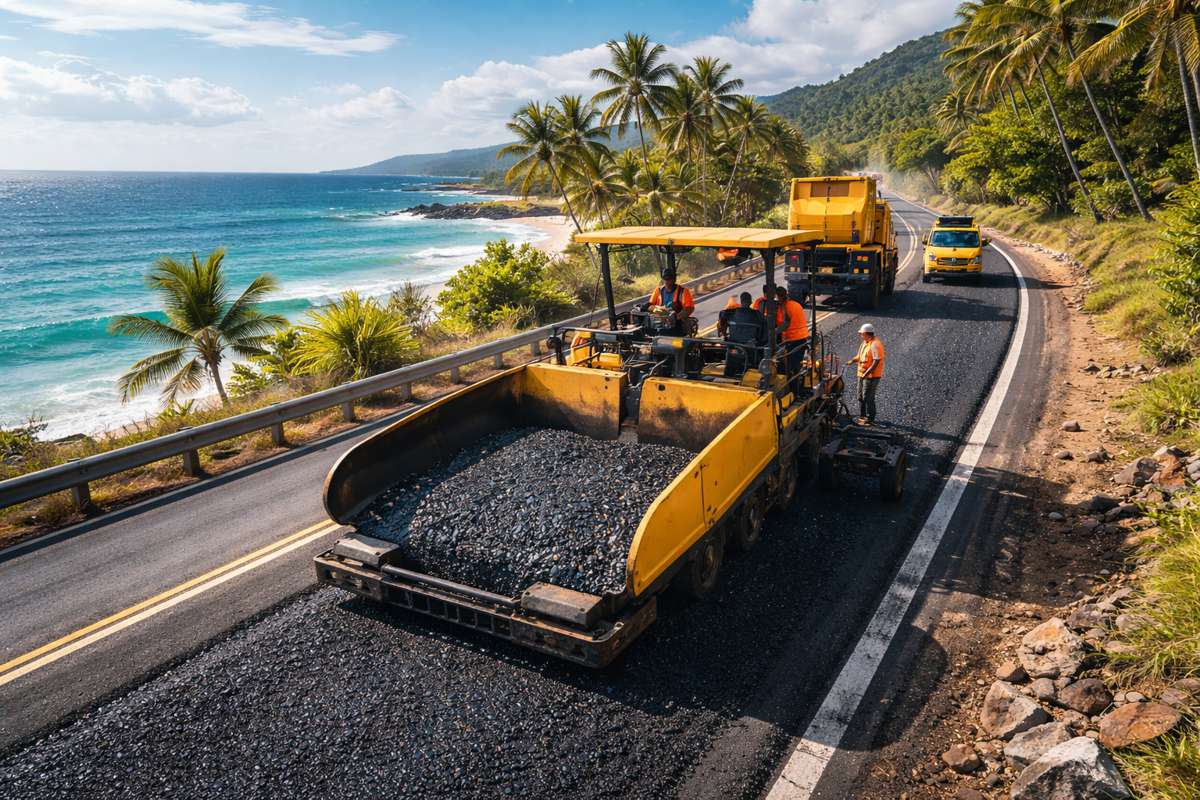
A landmark investment is set to change this narrative. The Asian Development Bank (ADB) has approved a 300 million dollar project finance loan for the Trans South-South Java Road Project, a 72 kilometre disaster-resilient coastal road designed to significantly reduce transport bottlenecks, improve mobility, and unlock new economic opportunities across Java’s southern belt. When completed, travel times between remote farming communities and major commercial hubs will shrink from eight hours to about two hours, allowing producers to reach markets faster, reduce spoilage, cut logistics costs, and access vital services such as education, healthcare, and finance.
ADB Country Director for Indonesia Bobur Alimov emphasised the strategic importance of the initiative: “This road project addresses the critical infrastructure gap between Java’s developed northern corridor and its southern regions. By incorporating climate-resilient design and bioengineering solutions, we are creating sustainable infrastructure that can withstand extreme weather events and improve national and rural connectivity.”
Improved road access is expected to stimulate regional tourism, strengthen inter-provincial trade, accelerate small and medium enterprise development, and boost local business creation. Better movement of goods will also encourage diversification, allowing rural producers to explore higher-value crops, agribusiness services, and modern logistics partnerships.
Strengthening Infrastructure Resilience and Climate Adaptation
Indonesia is highly vulnerable to extreme rainfall, landslides, flooding, and storm events due to its tropical climate and mountainous coastal geography. Roads in rural and coastal zones frequently sustain damage during monsoons, leading to transport disruptions, increased repair costs, and prolonged community isolation. Many undeveloped routes in East Java experience temporary closures every time river levels rise, leaving households and agricultural cooperatives unable to move crops or access essential services.
The Trans South-South Java Road Project directly responds to this challenge through climate-smart engineering and nature-based solutions.
The design incorporates a range of adaptation features such as:
- Hydraulic structure upgrades to improve drainage capacity and reduce flood risks
- Bioengineered slope stabilisation using vegetation and nature-based erosion controls
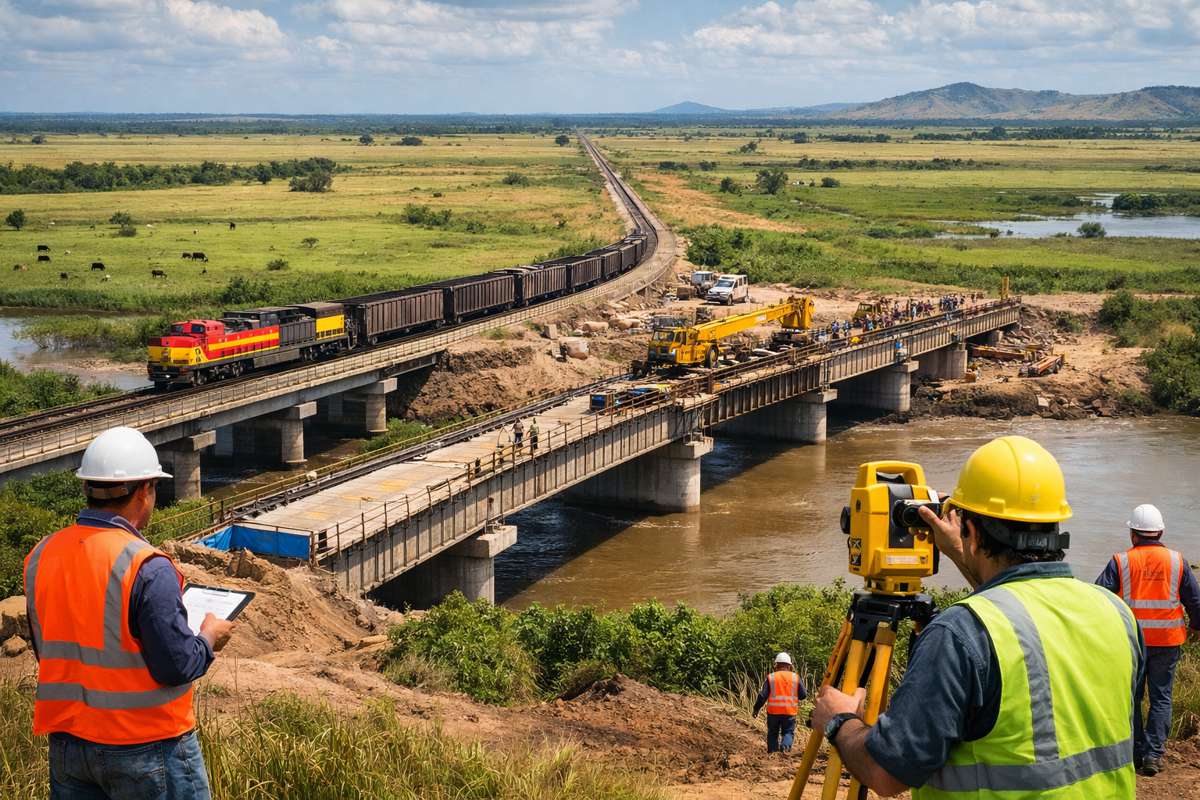
- Climate-resilient bridges capable of maintaining access during extreme weather
- Improved road geometry, embankments, and materials designed for safer year-round mobility
These measures align with Indonesia’s commitments under the Paris Agreement and reflect a shift toward resilient infrastructure development across the Asia-Pacific region. Rural roads in climate-sensitive environments increasingly employ hybrid natural and engineered protections, avoiding expensive maintenance cycles, protecting biodiversity, and reducing downstream sedimentation impacts.
This project mirrors proven approaches deployed in the Philippines, Nepal, Malaysia, and Sri Lanka, where bioengineered slope protection significantly lowered disaster recovery costs and improved road safety. Studies by the World Bank and regional engineering institutes show that nature-based systems offer long-term maintenance savings compared with conventional concrete stabilisation, particularly in tropical, high-rainfall environments.
Supporting National Development Priorities
The ADB initiative forms part of Indonesia’s National Long-Term Development Plan 2025 to 2045, which seeks to integrate remote regions into national economic systems, lift productivity, strengthen resilience, and reduce spatial inequality. Java remains Indonesia’s economic powerhouse, yet most industrial and financial activity concentrates in the north-central corridor. Southern coastal regions hold untapped agricultural, tourism, and logistics potential that remains constrained by a lack of connectivity and under-investment in large-scale mobility systems.
The ADB support also aligns with the bank’s country partnership strategy for Indonesia from 2025 to 2029. This framework prioritises sustainable infrastructure, climate adaptation, disaster risk reduction, and gender-inclusive development models. By closing long-standing infrastructure gaps, Indonesia can accelerate competitiveness, reduce logistics costs, and stimulate broader private sector participation.
Transport experts predict that newly integrated rural corridors allow faster aggregation of crops, improved farm-to-market supply chains, and greater adoption of agro-processing and cooperative logistics. Provinces along the route will benefit from easier access to schools, hospitals, digital connectivity, vocational training programmes, and regional tourism economies. As a result, living standards are expected to rise, households can pursue diversified income, and young people can participate more fully in modern economic systems.
Empowering Women and Strengthening Community Outcomes
An important dimension of the Trans South-South Java Road Project is its gender inclusion framework. At least 10 percent of skilled construction roles are reserved for women, opening new career pathways in engineering, surveying, and infrastructure management. Skilled technical positions in Indonesia traditionally favour men, particularly in rural districts, making this initiative a significant milestone for workforce inclusion.
The project also embeds road safety programmes that address the needs of women, children, and persons with disabilities. Rural transport environments can be hazardous, especially where limited traffic controls, inadequate lighting, and informal transport methods expose vulnerable users to higher risks. Community-based safety measures will raise awareness of safe mobility practices, improve signage, and strengthen engagement with schools and local organisations.
Social protection frameworks will be implemented throughout construction to prevent gender-based violence, harassment, and human trafficking. These safeguards comply with national regulations and international best practice, helping ensure that new infrastructure contributes to safer living conditions and dignified employment standards.
Evidence from other ADB-supported rural mobility programmes in Bangladesh, Cambodia, and Laos shows that transport upgrades correlate with improved women’s entrepreneurship, access to markets, and participation in income-generating activities. Better roads reduce travel constraints, facilitate safer commuting, and increase labour force participation, particularly in agricultural processing, retail, and small-scale trade.
Driving Inclusive Growth Through Regional Connectivity
ADB has delivered major road, port, power, and water infrastructure financing across Asia and the Pacific since 1966. The institution is owned by 69 members, including 50 from the region, and operates as a key development partner for national governments and multilateral stakeholders. Its financing tools support sustainable growth, disaster resilience, social inclusion, and environmental stewardship.
The Trans South-South Java Road Project adds to ADB’s broader portfolio of regional infrastructure transformation. Indonesia alone has received support for disaster-resilient highways, flood management assets, seaport modernisation, renewable energy integration, and sustainable urban transport systems. ADB’s disaster-proofing methodology is widely recognised for improving long-term durability and reducing service disruptions in climate-exposed countries.
Strategic connectivity in Java’s southern corridor is expected to help balance national development, relieve pressure on dense northern transport systems, support inter-regional trade, and diversify economic geography. As access becomes more predictable, agricultural cooperatives, logistics operators, and small industries will invest with greater confidence. Families will experience safer travel, reduced vehicle maintenance costs, and improved access to daily essentials.
With rising tourism demand across Java’s marine parks, coastal heritage destinations, and rural landscapes, improved road quality is also poised to catalyse sustainable hospitality and community-based tourism. Visitor flows, homestays, craft clusters, and cultural attractions stand to benefit from safer and faster mobility without seasonal disruptions.
Building A Stronger Future For Indonesia’s Southern Coast
The Trans South-South Java Road Project represents a pivotal step toward inclusive national development, reduced regional inequality, and resilient transport networks capable of withstanding future climate shocks. By integrating sustainability, social protection, gender inclusion, and economic diversification, the new corridor will support long-term rural transformation and greater national competitiveness.
Communities that were once cut off for hours due to flooding or poor road conditions will gain year-round access to services, digital skills, entrepreneurship, and wider sectoral opportunities. Local producers will reach markets more efficiently, students will travel more safely, and households will benefit from improved livelihoods.
ADB’s support underscores the strategic value of resilient roads as catalysts for growth, social integration, and climate adaptation. As connectivity strengthens, Java’s southern coastline can progressively unlock its potential and participate more fully in Indonesia’s future.