BPW Elevates Low Loader Performance With Next Generation Swing Axle
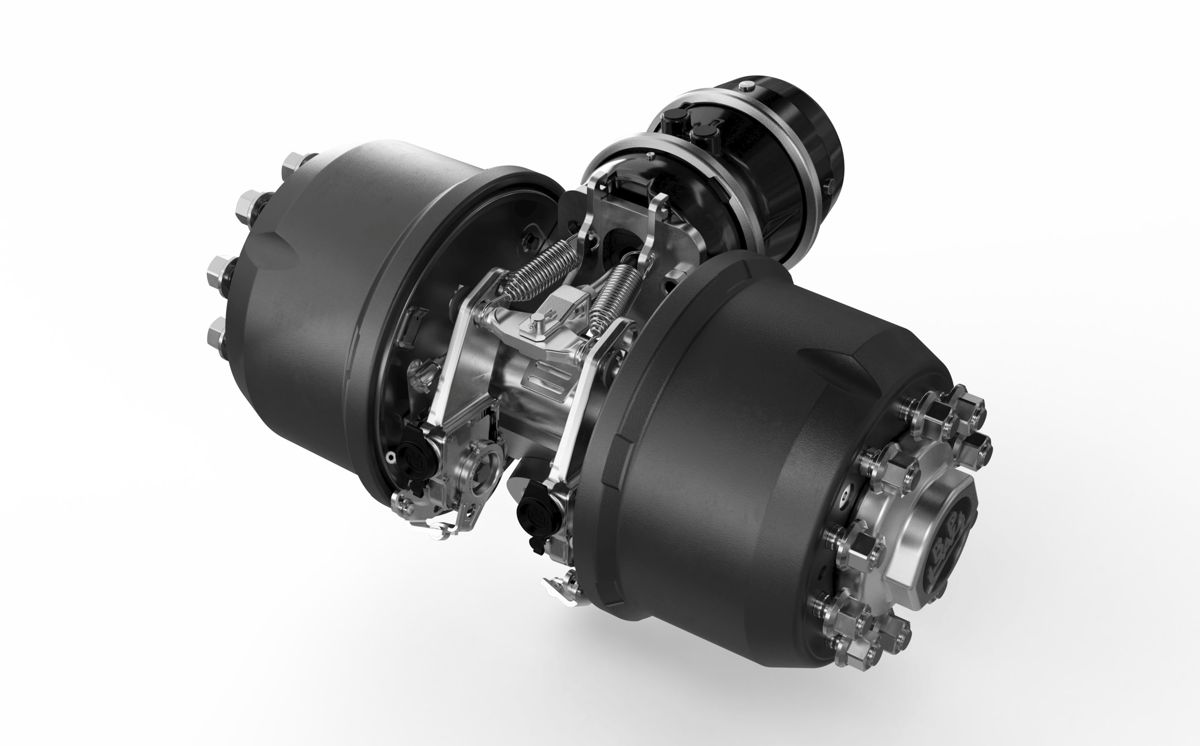
BPW has introduced a new 7-tonne swing axle designed for heavy-duty low-loaders, semi-trailers and semi-low-loaders. The axle supports the transport of large and sensitive cargo, including construction and mining machinery, industrial plants, transformers and components for the wind power industry such as tower segments, rotor blades and generators. The fully redesigned system became commercially available on 1 December 2025 and is positioned to redefine operational resilience and efficiency in specialist haulage.
The axle arrives with a warranty that sets a benchmark in the heavy transport sector. BPW now offers coverage of 800,000 kilometres or six years in on-road operation. The warranty dramatically enhances planning confidence for fleet owners, reduces maintenance exposure and underscores the company’s approach to reliability. For off-road applications, BPW has specified a warranty of 120,000 kilometres or one year, adding clarity for operators undertaking demanding construction and industrial transport services.
Meeting the Long-Life Demands of Specialist Fleets
Trailing equipment designed for oversized or heavy cargo is capital intensive and frequently remains in service for 15 to 20 years. The loads are also extremely valuable and often require special permits and escort arrangements. Operational interruptions create substantial financial and logistical impact, making safety and reliability mission-critical for long-distance and highly regulated transport operations.
The axle’s warranty reflects a clear commitment to long-term dependability. According to BPW, the 800,000 kilometre on‑road rating equates to roughly twenty times the circumference of the Earth at the equator. This confidence in performance highlights the robustness of the axle’s suspension dynamics, structural integrity and bearing durability.
Industry experts widely recognise that equipment failures during heavy plant, transformer or wind energy component haulage involve considerable disruption. Delays often lead to storage charges, demurrage penalties, re-routing, police escort rearrangements and lost productivity on construction sites. By designing an axle system that mitigates these risks, BPW is addressing a major financial and operational challenge for fleet operators.
Compact Engineering With High Payload Potential
The 7-tonne swing axle incorporates a modular construction with compact installation dimensions and low dead weight, giving vehicle manufacturers greater flexibility when designing low-loaders for different market regions and project applications. The axle has been developed using advanced large-scale manufacturing processes that achieve a weight reduction of approximately five kilograms per axle compared with equivalent products in the market. When compared to the previous generation, BPW has achieved an impressive reduction of around 24 kilograms.
This reduced tare weight translates directly into payload gains and fleet profitability. Even modest weight savings become significant in multi-axle low-loader configurations, where cumulative reductions can provide additional margin for heavy or oversized engineering equipment.
Swing axle architecture, when paired with heavy-duty suspension systems, offers advantages in balancing lateral forces, improving manoeuvrability and maintaining stable ground contact. These benefits are essential when navigating access roads, bridge approaches, off‑grid industrial sites or uneven construction terrain.
Maintenance-Friendly Design Helps Reduce Downtime
A major benefit of the BPW axle is its service-friendly layout, designed to minimise through-life operating costs. The axle utilises the proven BPW ECO Drum drum brake system, featuring large pad volumes that have been tested and refined through millions of global installations. The engineering approach helps ensure reliable stopping power for oversized transport loads while extending friction material life.
The C‑clamp design simplifies field servicing because maintenance tasks can be performed efficiently without extensive disassembly. The wheel bearing is fully maintenance-free, reducing the frequency and cost of interventions and improving fleet availability over long operating cycles.
Operators can choose between configurations depending on national registration limits. The swing axle can operate as a 6‑tonne unit with 17.5‑inch single tyres, or as a 7‑tonne axle with 19.5‑inch single tyres. This converts to a permissible line axle load of either 12 tonnes or 14 tonnes, depending on trailer design, allowing flexible adaptation to differing regulatory frameworks across Europe and international markets.
Responding to Strong Market Demand
The market for heavy-duty specialist transport is undergoing rapid expansion. The energy transition is accelerating wind turbine deployment and enlarging components for offshore and onshore power generation. Bridge refurbishment programmes and motorway maintenance backlogs are generating further volume for oversized materials and machinery movement. Plant construction, prefabricated infrastructure elements and the mining and raw materials sectors are also increasing demand for purpose-built low-loader fleets.
The complexity and cost of operating specialist haulage fleets has grown substantially. Operators are focused on predictable operating costs, durability and fleet uptime. Meanwhile, vehicle manufacturers are prioritising lightweight, modular and space-efficient axle and suspension systems that enhance payload capacity without compromising safety.
Swing axles play a fundamental role in the design of heavy-duty low-loaders. Each wheel can move independently with a high degree of displacement, improving traction, steering and load balancing while providing reliable performance on uneven ground. The mechanical response maintains consistent wheel contact, which is essential when transporting long turbine blades, heavy cranes, site excavators, pre‑cast bridge beams or high-value industrial assets.
Industry Context and Technical Considerations
Specialised heavy transport often requires permitted routing, escort teams, bridge stress analysis and strict compliance with axle weight regulations. The broader ecosystem includes:
- Route surveying and digital risk planning
- Police escort scheduling and regulatory approval for abnormal loads
- Structural feasibility assessments for bridges, tunnels and overpasses
- Safe loading, securing and lifting protocols for industrial cargo
Fleet operators increasingly use integrated telematics, dynamic braking analysis and route planning software to improve safety outcomes and reduce total cost of ownership. Swing axles featuring robust suspension, modular wheel-end technology and predictable braking behaviour are highly compatible with digital fleet management systems.
BPW’s engineering approach reflects the heavier weight of emerging industrial components. Modern wind turbine rotors frequently exceed blade lengths of 80 metres and tower segments can reach multi‑tonne ratings. Transporting these products requires stable and adaptable axle dynamics across inland road networks, coastal staging sites and remote construction environments.
Strengthening Low-Loader Scalability and Profitability
With the launch of its 7-tonne swing axle, BPW has significantly improved the scalability of modern low-loader fleets. The product gives operators predictable service life, reduced downtime and enhanced payload margins. Compact engineering offers manufacturers space advantages that can be used to increase platform width, improve steering geometry or customise deck arrangements for international project logistics.
Industry analysts anticipate growing demand for modular suspension platforms that reduce the cost and complexity of manufacturing heavy-duty semi-trailers. Innovations in material design, suspension integration and automated axle servicing are expected to shape the next phase of low-loader evolution.
Fleet operators also continue to benefit from collaboration between specialist trailer manufacturers, major civil engineering contractors and renewable energy developers. As the scale of infrastructure and industrial assets increases, the technical advantages of resilient swing axle platforms are becoming important for both domestic and cross‑border logistics.
Long-Term Reliability
The new BPW axle solution delivers clear value for low-loader operators seeking predictable fleet performance and reduced maintenance exposure. High availability, modular assembly, robust braking, maintenance-free wheel bearings and a market-leading warranty combine to establish a compelling case for operators planning multi‑year investment horizons.
Growing demand in the renewable energy, construction and mining sectors continues to shape the landscape for specialist heavy transport. BPW’s engineering response positions the company to support an expanding community of fleet operators, trailer manufacturers and infrastructure developers who require cost-effective, reliable and long-life axle systems.