Building a Smarter and More Reliable US Electricity Grid
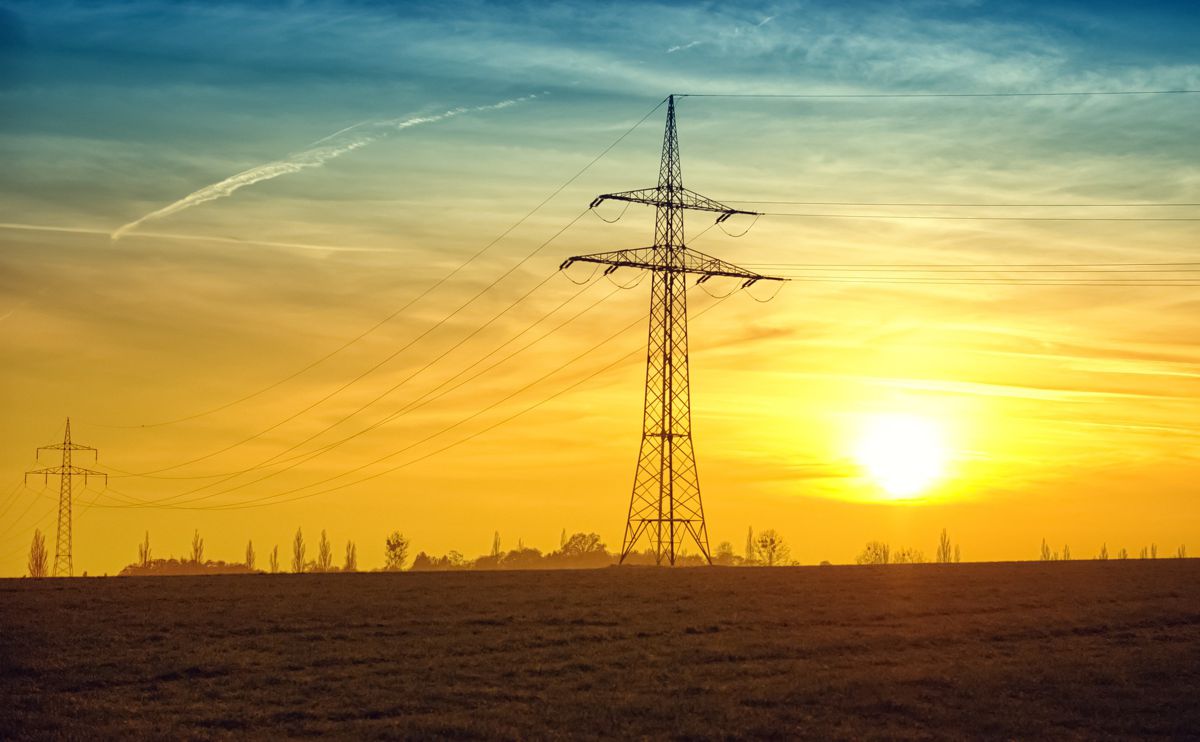
America’s electricity grid is entering a period of rapid change. Rising demand from electric vehicles, digital businesses, industrial electrification, and heating systems means the national grid must evolve. Most experts agree that grid expansion is unavoidable, although how the expansion unfolds will significantly influence reliability, carbon emissions, and the overall cost of electricity.
A newly published academic study by MIT researchers offers one of the most sophisticated evaluations yet of grid policy proposals currently being considered in Congress. The findings compare two major approaches to grid development. One focuses on building more transmission capacity in regions where renewable energy resources are strongest, while the other proposes uniform interconnectivity requirements across all regions. The study reveals that each policy direction offers independent benefits for the country’s energy future.
Comparing Two Grid Expansion Strategies
MIT researchers evaluated two distinct approaches to expanding the US transmission system. The first examined a more geographically targeted strategy, concentrating investment in regions with rich renewable resources such as wind or solar. For example, some of the most cost-effective wind energy in North America lies across central US states, where wind speeds remain consistent and undeveloped land is abundant.
The alternative strategy builds new infrastructure everywhere at roughly equal levels. This “prescriptive” approach increases national interconnectivity, limiting the exposure of regional grids to extreme weather or local disruptions. Both strategies are technically viable, although they serve different priorities.
After running detailed modelling exercises, the study concluded that an unbalanced grid expansion, heavily concentrated around renewable hotspots, would be 1.13 percent cheaper over the long term and would reduce emissions by 3.65 percent when compared with the uniform approach. However, a nationally interconnected grid would significantly reduce outages caused by extreme weather, reducing the number of failures by up to 39 percent.
Christopher Knittel, an economist at the MIT Sloan School of Management, helped lead the research and highlighted the policy dilemma: “There’s a tradeoff between the two things that are most on policymakers’ minds: cost and reliability. This study makes it more clear that the more prescriptive approach ends up being better in the face of extreme weather and outages.”
The Policy Context And Legislative Drivers
The findings are especially relevant as US lawmakers debate grid-expansion proposals. One of the most discussed bills is the BIG WIRES Act, supported by Sen. John Hickenlooper of Colorado and Rep. Scott Peters of California. The legislation requires every transmission region in the US to be capable of sending at least 30 percent of its peak load to neighbouring regions by 2035. Achieving this would transform the character of the national grid, shifting the US away from regional frameworks and toward a system with stronger federal coordination.
Many grids across the US were built regionally over several decades, with limited national oversight or cross-regional engineering requirements. That model served the country well during the 20th century when electrification needs were more localised. However, today’s demands reflect a far more complex energy landscape.
Juan Ramon L. Senga, a postdoctoral researcher at the MIT Center for Energy and Environmental Policy Research, emphasises the importance of modernisation: “The US grid is aging and it needs an upgrade. Implementing these kinds of policies is an important step for us to get to that future where we improve the grid, lower costs, lower emissions, and improve reliability. Some progress is better than none, and in this case, it would be important.”
Modelling Grid Expansion Through MIT’s Gen X
To model the effects of proposed expansion policies, MIT researchers used Gen X, a highly respected energy modelling platform developed at the MIT Energy Initiative. The system simulates real-world generation mixes and complex electricity flows under different legislative conditions.
Using a 30 percent interregional connectivity requirement, the model estimated that outages driven by extreme cold could fall by as much as 39 percent. This is not a hypothetical concern. The state of Texas experienced major winter power disruptions in 2021 when unusually severe weather overwhelmed local distribution systems. A more interconnected national grid would have allowed electricity to be delivered from less affected states, reducing the scale of disruption.
Senga notes that this outcome reflected a strong priority among stakeholders: “Reliability is what we find to be most salient to policymakers.”
Cost, Emissions And Resource Location
The targeted grid-buildout approach offers notable advantages for cost and emissions. A central principle in renewable power is that the cost of generation varies enormously depending on location. From 2010 to 2022, the global levelised cost of wind and solar declined by 89 percent and 69 percent respectively, due to improvements in manufacturing, economies of scale, and technology efficiency.
By concentrating grid infrastructure near America’s best renewable resources, more low-cost power can be captured, which helps both emissions and long-term generation costs. Although the cost savings are modest, they remain consistent, particularly when viewed across multi-decade infrastructure timelines.
Senga adds: “On the cost side, this kind of optimized system looks better. Although, it is not that much cheaper. It’s single percentage points.”
Knittel highlights why the optimised approach helps emissions: “On the emissions side, it’s not clear the optimized system would do better, but it does. That’s probably tied to cost, in the sense that it’s building more transmission links to where the good, cheap renewable resources are, because they’re cheap. Emissions fall when you let the optimizing action take place.”
Examining Hybrid Approaches For Balanced Outcomes
The study does not endorse one method exclusively. Instead, the team evaluated a hybrid framework that blends national connectivity with targeted regional investment. Hybrid systems offer a useful compromise for lawmakers who wish to reduce emissions and costs while improving reliability.
A mixed grid may still benefit from stronger interconnectivity standards, while also exploiting the natural value of renewable hotspots. For policymakers, this may offer a more politically acceptable pathway, allowing each region to evolve while ensuring the national grid remains more resilient to extreme conditions.
Senga concludes: “You can find a balance between these factors, where you’re still going to still have an increase in reliability while also getting the cost and emission reductions.”
Research Integration With Public Policy
One of the distinguishing features of this academic project is its policy integration. Unlike most academic publications, which are often theoretical, MIT’s Climate Policy Center worked directly with lawmakers developing legislation. This allowed the researchers to test real policy proposals before they reach implementation.
According to Knittel: “Compared to the typical academic path to publication, this is different, but at the Climate Policy Center, we’re already doing this kind of research.”
This model has powerful benefits. Policymakers obtain advanced analysis that supports legislative planning, while researchers gain real-world feedback for their modelling tools. As grid modernisation becomes a national priority, collaboration between academia, government and industry may accelerate progress and reduce the cost of trial and error.
Looking Ahead To A More Resilient National Grid
The study reinforces a message widely understood across industry and energy policy circles. America’s grid modernisation is no longer optional. Electrification, climate adaptation, and economic competitiveness all depend on a more resilient, better connected, and lower-carbon national network.
The path forward will require careful policy design, long-term federal investment, and intelligent regional planning. Whether through targeted buildouts, national interconnectivity standards, or a blend of both, expanding the grid will help America meet its future energy needs with greater resilience, lower emissions and improved operational efficiency.
A smarter and more connected grid will ultimately reduce power disruptions, improve economic stability, and unlock greater renewable potential across the country, demonstrating that the right mix of policy, engineering and research can deliver real-world benefits across generations.