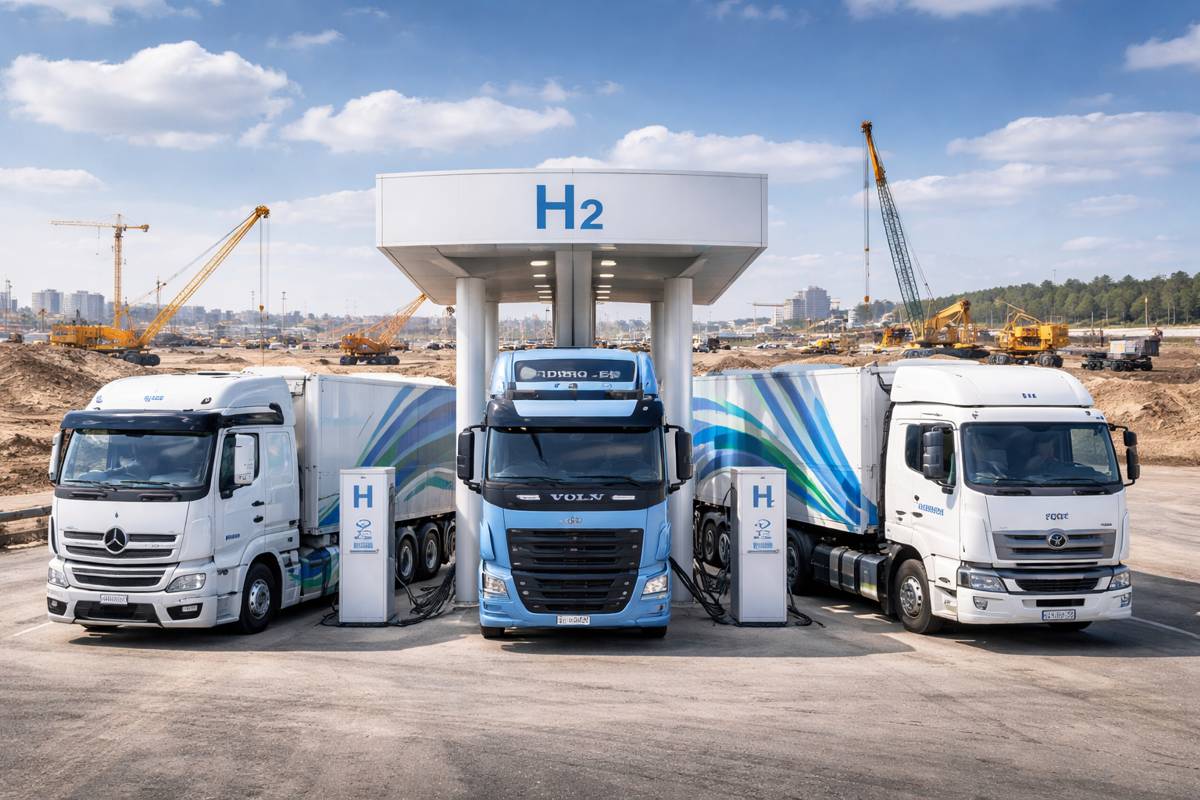
Vinci Highways Expands Greek Mobility With Patras Pyrgos Upgrade
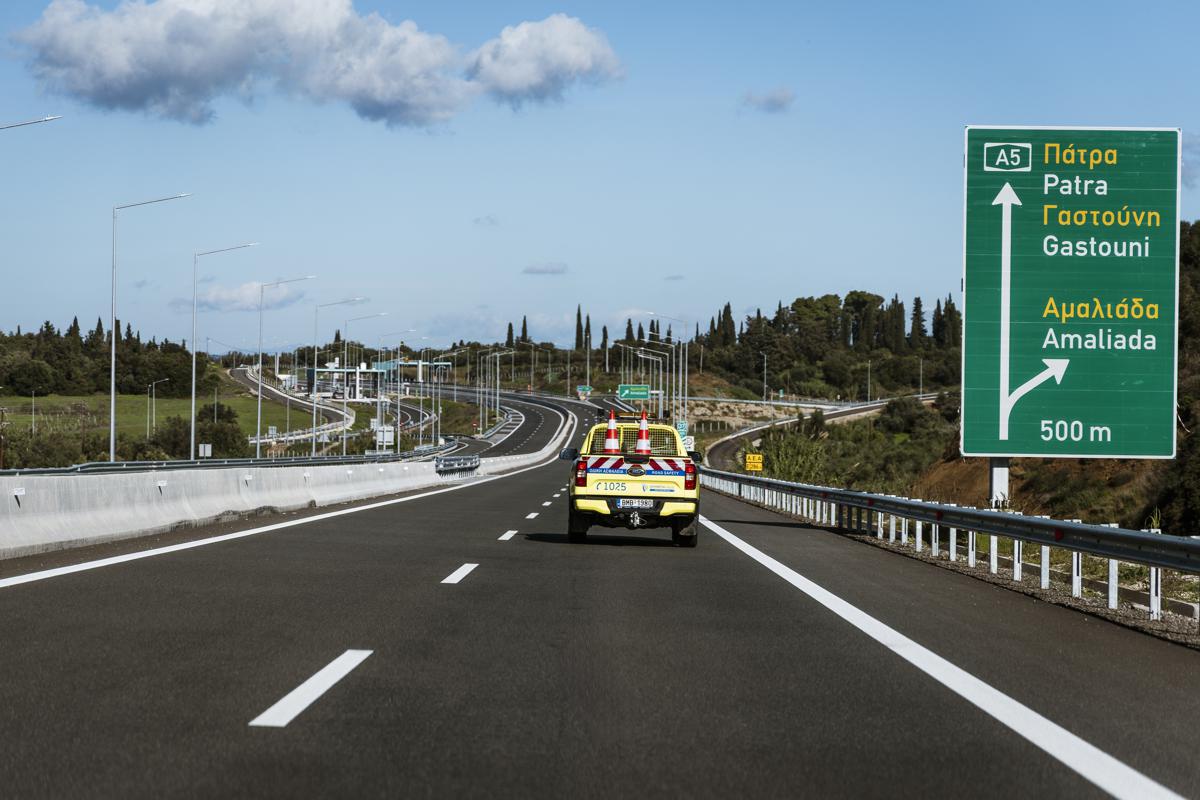
The final section of the Patras to Pyrgos highway has officially opened, marking a defining moment for Greece’s expanding modern transport network. The inauguration, attended by Greek Minister of Transport and Infrastructure Christos Dimas, reinforces the country’s strategy to use concession-based partnerships as a core driver for national connectivity, safety, and operational efficiency.
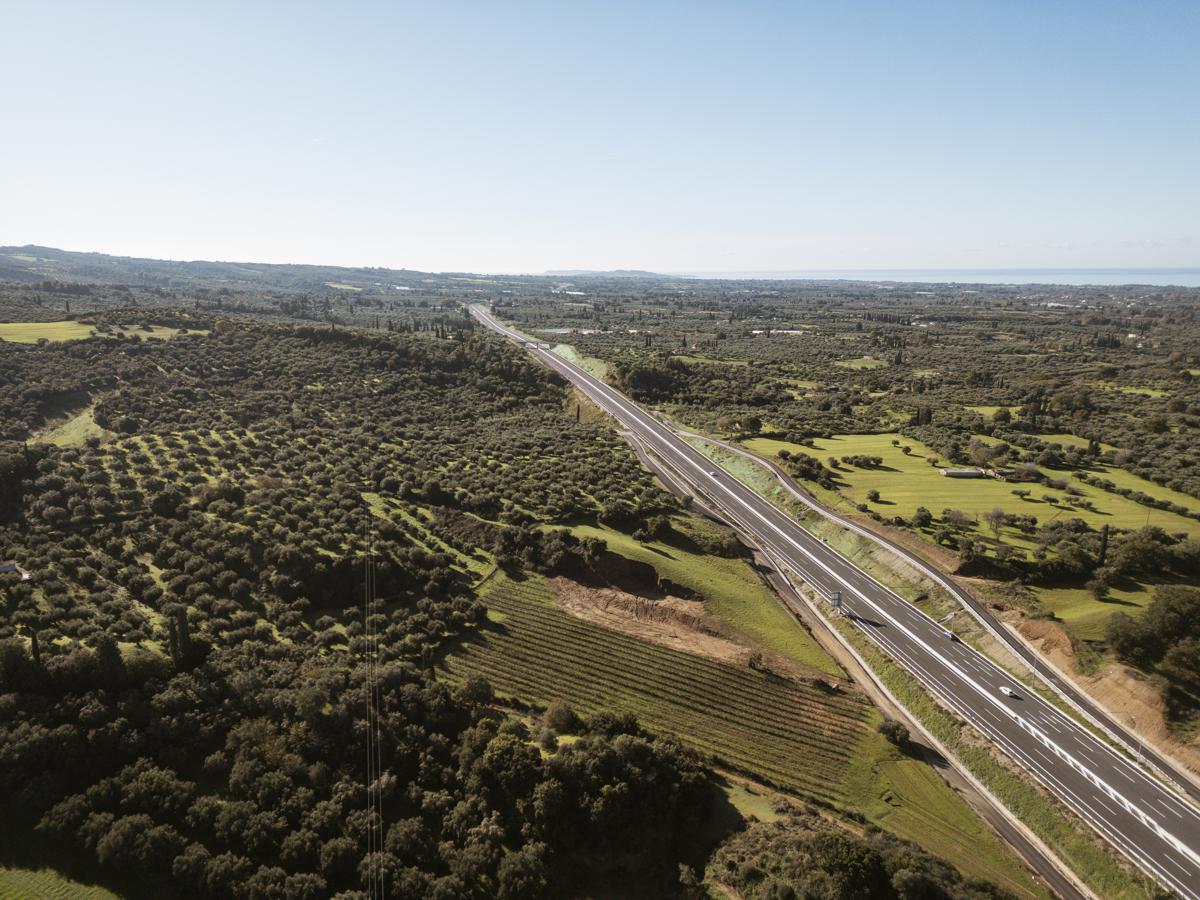
The new 75-kilometre corridor significantly improves mobility within the Western Peloponnese, connecting regional communities, agricultural areas, tourism hubs, and logistics networks. Delivered as part of the wider Olympia Odos concession, the project strengthens Greece’s ability to leverage private investment for infrastructure modernization while benefitting from long-term operational guarantees.
Concession Delivery Accelerates National Infrastructure
Greece has increasingly relied on concession frameworks to advance major strategic projects, particularly in highways, ports, and energy. This structure brings together private-sector expertise in design, financing, management, and lifecycle operation, enabling infrastructure upgrades that meet international performance standards.
The Patras to Pyrgos highway showcases this strategy in action. VINCI Highways and its partners took responsibility for planning, construction support, financing, systems integration, and long-term operation until 2044. According to the company: “this approach enabled the Greek State to accelerate delivery while ensuring a consistent operational standard across the network.”
This development reflects a wider trend in Europe, where concession-based delivery has become a cost-efficient alternative to traditional public procurement. By combining government oversight with private capital and performance incentives, Greece has unlocked a €331 million project finance investment that transforms a long-congested national road into a safer, smarter, and more resilient route.

Enhanced Safety, Efficiency and Travel Quality
The highway now features modern roadway geometry, intelligent safety systems, improved roadside surveillance and rehabilitation of junctions and bridges. These upgrades reduce accident exposure, improve journey predictability, and provide a more comfortable driving experience.
Additional investment in digital technologies strengthens performance across the transport network. The corridor includes fully automated tolling, digital monitoring, and electrification support with EV charging availability. Upcoming solar-powered operations, currently under development, will improve environmental performance and energy autonomy, reinforcing Greece’s long-term carbon reduction ambitions.
EV charging networks across Greece have grown steadily in the last five years, boosted by both public and concession-based investments. Western Peloponnese remains a strategic corridor for coastal tourism, agricultural freight, and island gateway traffic, making accessible charging infrastructure an important commercial and environmental milestone.

Delivering Regional Economic Value
Infrastructure development along the Western Peloponnese is not solely an exercise in road building; it acts as an accelerant for wider regional growth. Shorter travel times enhance economic competitiveness for primary industries such as farming, food processing and manufacturing. Logistics operators benefit from streamlined freight movement between Patras’ port, industrial estates and the wider Peloponnese.
Modern highways also support expanding domestic and international tourism, which remains one of Greece’s largest economic contributors. Patras and Pyrgos serve as important gateways to archaeological sites, coastal resorts and maritime connections. Enhanced access allows faster, safer journeys for residents, visitors and service providers.
Business sentiment has been strong, with local commercial operators already reporting reduced journey times and improved road safety. Agricultural exporters transporting olives, citrus goods, dairy products and packaged foods are expected to benefit from predictable scheduling and lower transport losses.

Financing Strategy Supports Long-Term Value
The €331 million investment incorporated within the Olympia Odos concession guarantees ongoing system performance, maintenance, and technology upgrades. This structure balances lifecycle risk, incentivising preventive management rather than reactive maintenance, while ensuring unified performance standards across the entire Olympia Odos network.
Across Europe, concession models have been successful in countries including Portugal, France, Spain and Italy. Greece has followed a similar path, reflecting its ambition to maintain strong transport performance while reducing public debt exposure. Highly structured concession financing remains one of the most efficient ways to deliver large-scale, multi-decade infrastructure at competitive cost.
Independent assessments by European investment institutions have repeatedly concluded that the strategic deployment of transport concession models encourages service continuity, systematic upgrades and operating transparency. Greece’s long-term partnership with VINCI Highways builds on a decade-long track record of successful highway delivery across the country.
The Next Strategic Step: Pyrgos to Tsakona Extension
With the Patras to Pyrgos corridor now fully operational, the Greek Government is examining further expansion from Pyrgos to Tsakona. This next phase would connect Western Peloponnese with the broader motorway system, reinforcing economic access and national strategic mobility.
VINCI Highways stated its ongoing commitment to Greece: “VINCI Highways, a long-term partner of Greece and the country’s leading international highway operator, remains fully committed to supporting the Government in this next strategic step.”
Extending modern highway services further south would help unlock additional regional resilience, support agricultural exports, and enhance coastal tourism. The gradual expansion of Olympia Odos strengthens Greece’s position as a strategic logistics corridor linking Adriatic ferry routes, southern agricultural production and industrial distribution networks.
Advancing Greece’s National Mobility Ambitions
Greece has developed one of the most ambitious integrated mobility strategies in southern Europe. Motorway expansion is complemented by investments in inter-urban rail, port efficiency, digital multimodal networks and low-carbon mobility. Highway concessions remain a vital platform for delivering these goals without overstretching public budgets.
As Greece’s road network strengthens, national resilience follows. Modern corridors allow emergency response teams to reach communities faster during wildfires or floods, improving civil protection outcomes. Reliable transport systems are also central to climate adaptation, especially across agricultural and wildfire-prone regions.
The Patras to Pyrgos milestone showcases the convergence of transport modernisation, digital efficiency, renewable energy integration and regional economic development. Strategic infrastructure remains a catalyst for both domestic growth and international competitiveness.

Growth, Safety and Sustainable Access
Well-designed highways directly influence economic productivity, but just as importantly, they reduce accident exposure and enhance community access to services. The Western Peloponnese now benefits from improved mobility that allows safer travel for residents, better logistics performance for businesses and increased commercial connectivity for tourism and maritime operations.
Renewable-powered highway systems present a major future advantage for Greece. As solar generation becomes more accessible, concession operators will be able to reduce operating energy consumption and improve environmental scorecards without compromising service.
The country continues to strike a balance between infrastructure scale, environmental responsibility and public affordability. As Greece enters a new decade of mobility transition, partnership-based models remain essential to accelerating safe, efficient, and future-ready road operations.