DuPont Advancing Comfort and Safety with New Tyvek Protective Clothing
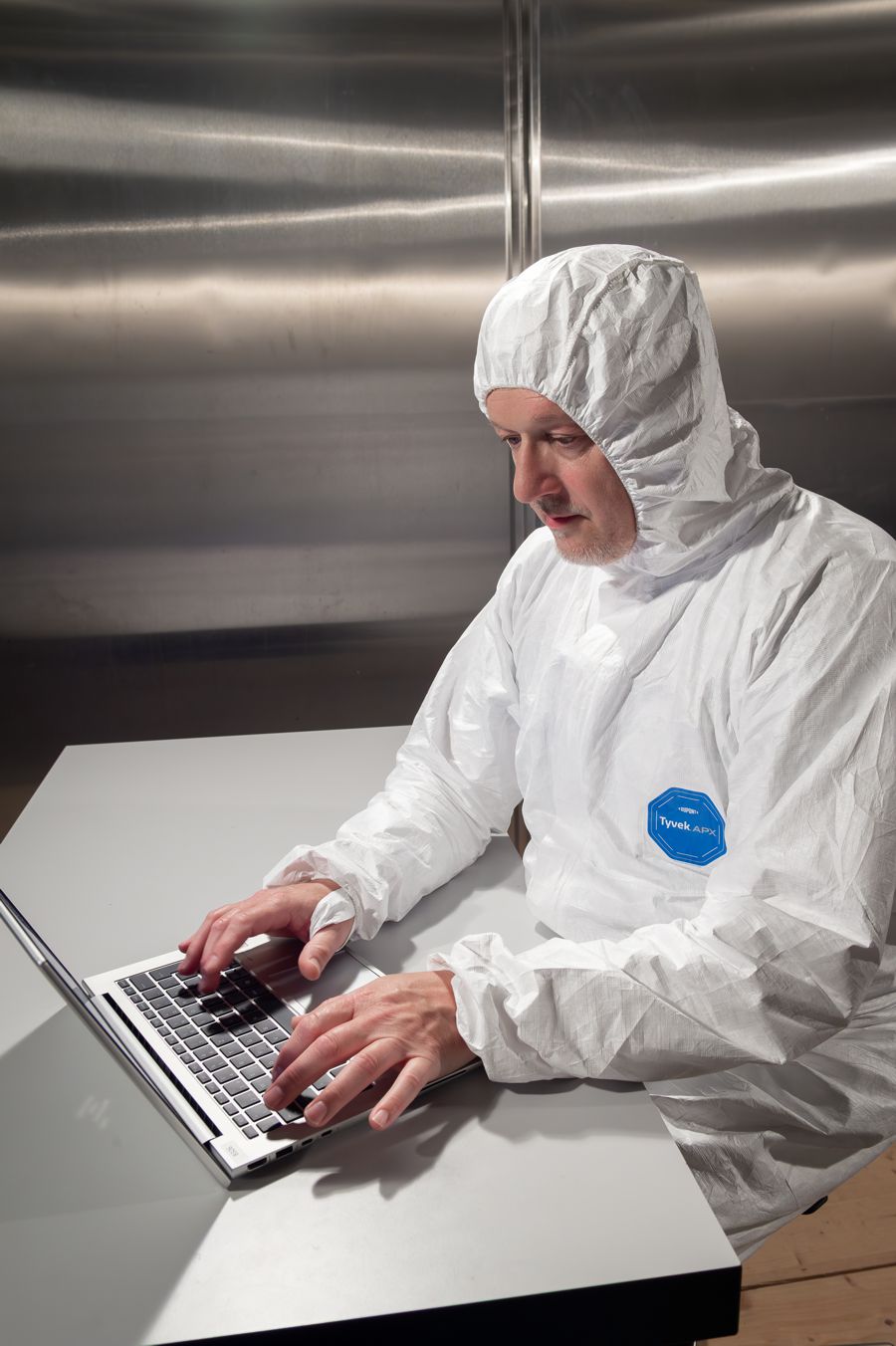
DuPont has reached a new milestone in personal protective equipment innovation following a series of independent assessments led by Empa, the Swiss Federal Laboratories for Materials Science and Technology. Studies confirm that the latest Tyvek APX protective garments deliver significantly enhanced breathability compared to conventional PPE solutions, without compromising protective performance. This progress represents a strategic step forward in the long-term evolution of protective workwear, particularly in environments where heat exposure and physical exertion can impair worker safety.
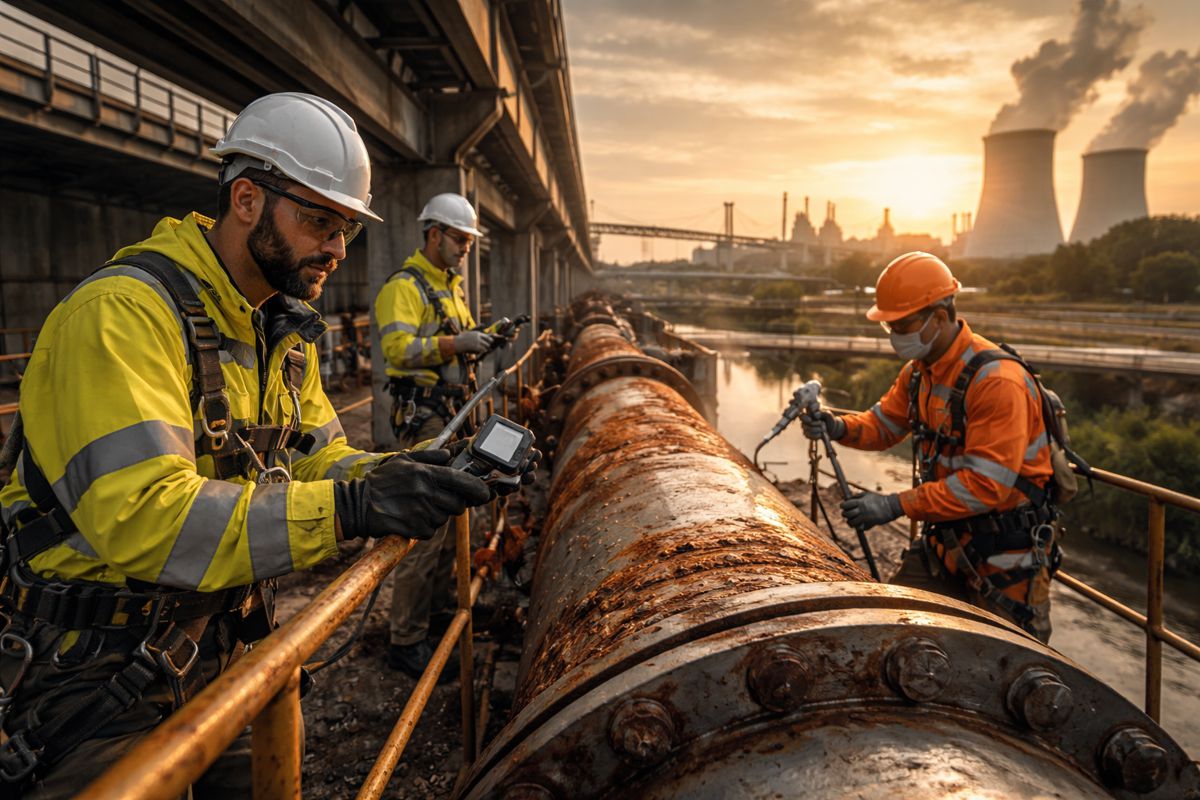
Improving comfort in protective clothing has long been a challenge for manufacturers, as garments designed to block dangerous particles and contaminants often restrict airflow and trap heat. Workers in industrial, construction, and hazardous environments face an increased risk of heat stress when protective clothing lacks adequate ventilation. With Tyvek APX, DuPont has positioned breathability as a central component of PPE design, backed by scientific modelling and biometric validation.
Enhancing Wearer Comfort With Robust Scientific Evidence
The collaboration between DuPont and Empa focused on a sophisticated physiological assessment of garment performance. The research applied Empa’s human thermoregulation model to evaluate thermal responses under conditions that simulate real-world activity, including elevated ambient temperatures, controlled humidity, and varying levels of physical exertion.
Simulation results suggested that Tyvek APX fabric supports a slower increase in core body and skin temperature. When heat accumulates in the body, workers may experience discomfort, fatigue, impaired concentration, and increased risk of heat-related incidents. A garment that delays thermal rise can therefore support safer, sustained working conditions.
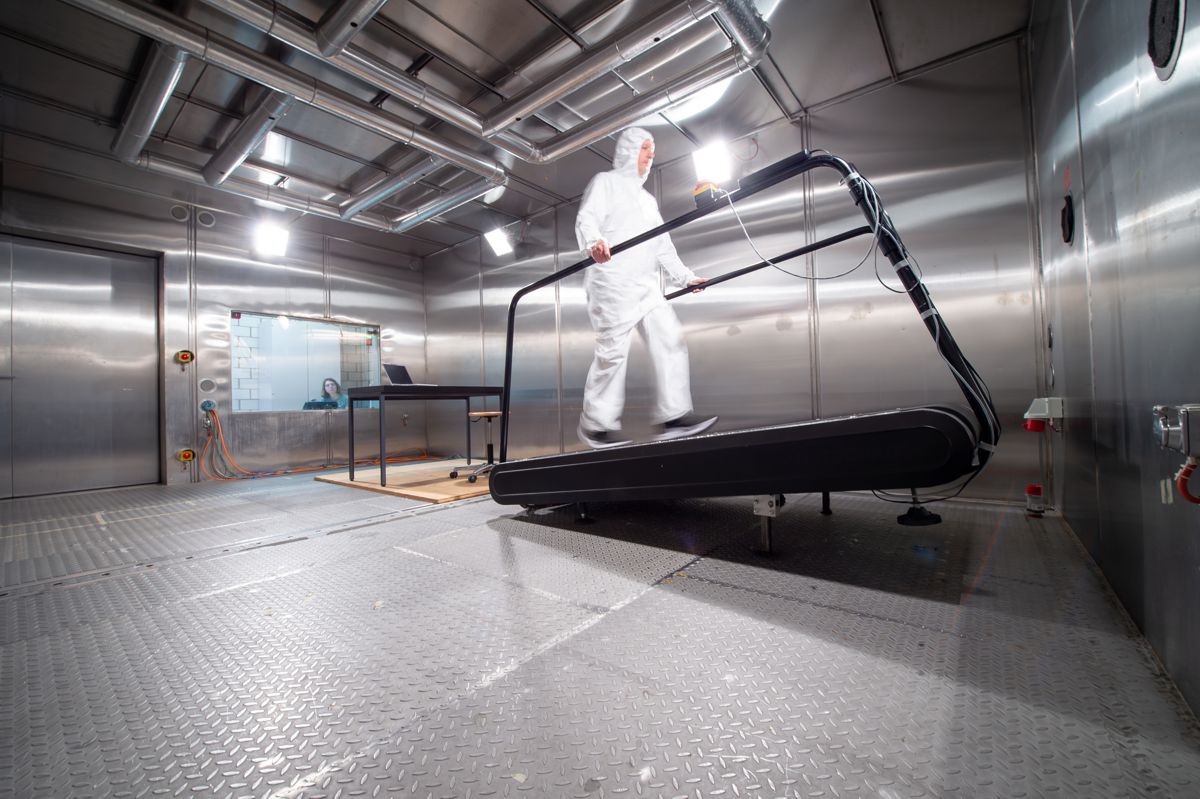
Empa’s controlled trials assessed key biometric indicators including sweat rate, cardiovascular performance, breathing rate, and subjective comfort feedback. The simulation data was later compared against biometric readings captured during human trials to ensure accuracy and applicability. The combination of simulated and real-world assessments provides a stronger evidence base than garment-only laboratory tests, and elevates the relevance of the data for industrial users.
Aldjia Begriche, Global Application Development Leader at DuPont Personal Protection, explains the value of this approach: “DuPont is committed to embracing scientific, data-driven methodologies that go beyond traditional means of PPE testing. The scientific collaboration with Empa provided a rigorous simulated dataset that was then verified by human trials with biometric monitoring of real people using metrics like skin temperature, core body temperature, heart rate, breathing rate, and sweat loss. The results demonstrated the superior breathability performance of Tyvek APX protective clothing, enhancing wearer comfort without compromising PPE safety.”

Validation Through Biometric Human Trials
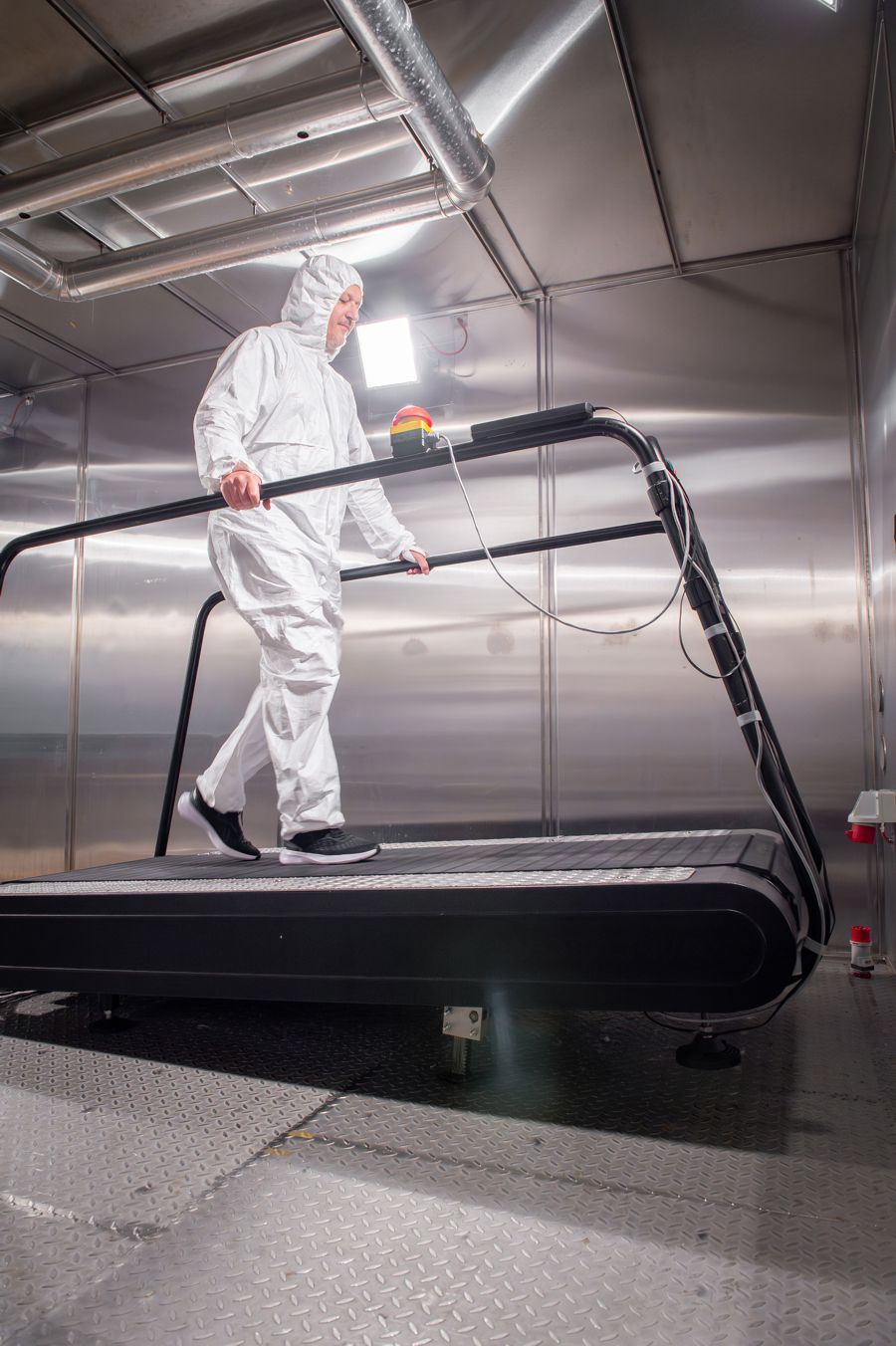
Human trials played a central role in reinforcing the simulation outcomes. Volunteers equipped with biometric sensors performed controlled activities while wearing Tyvek APX alongside other protective garments. Comparisons consistently demonstrated that Tyvek APX reduced heat load and improved comfort perception.
Participants wearing Tyvek APX recorded lower core body temperatures, reduced skin temperature, and diminished cardiovascular and respiratory demands. These findings show that workers may carry out tasks for longer periods before experiencing heat strain, which can support productivity and reduce the risk of heat-related injuries.
Simon Annaheim, Scientific Group Leader, Biomimetic Membranes and Textiles at Empa, highlights the importance of physiological measurement in garment evaluation: “The key objectives of the physiological study are to measure biometrics in order to evaluate the interactions between protective clothing and human responses, particularly comfort. Comfort can be evaluated based on fabric or garment data, but adding the measurement of biometric data allows for a more comprehensive view of protective clothing in real-world applications.”
Expanding Scientific Insight To Improve Worker Safety
The findings indicate that Tyvek APX’s microstructure enables airflow and water vapour transmission while sustaining effective protection from hazardous particulates and liquids. This enhanced thermal performance improves the garment’s suitability for extended shifts, high-temperature environments, and physically demanding roles.
PPE-related thermal stress has been widely studied within occupational safety research. According to global health and safety data reviewed from industry studies, heat stress remains one of the leading causes of reduced on-site performance and increased accident rates in industrial and construction settings. Workers wearing heavier or impermeable clothing may experience early signs of fatigue, elevated heart rate, dizziness, and dehydration.
International research from the US National Institute for Occupational Safety and Health (NIOSH) and the European Agency for Safety and Health at Work indicates that heat stress incidents are more prevalent in environments with inadequate airflow or excessive layering. Optimising garment breathability can therefore support broader worker safety strategies, including hydration, shaded rest areas, and shift planning.
By incorporating measurable physiological metrics into the garment design process, DuPont and Empa contribute to a new phase in PPE development where user well-being becomes as vital as hazard mitigation. This approach also responds to occupational safety directives that increasingly require employers to consider both physical protection and overall work conditions.
Strategic Collaboration Builds Scientific Innovation
The DuPont-Empa collaboration follows a phased programme of physiological testing. The first two phases included model-based performance predictions and targeted garment assessments. The third phase, now in progress, will broaden human trials to include greater participant diversity, varied work conditions, and expanded biometric datasets. This expansion will help confirm statistical robustness and support more generalisable conclusions.
Aldjia Begriche emphasises the strategic value of the partnership: “Empa has world-renowned expertise in materials science and technology, and we are delighted to continue our collaboration in pursuit of the PPE innovations that improve wearability to maximize worker safety.”
The collaboration aligns with DuPont’s wider commitment to evidence-driven product development. Tyvek fabrics are widely deployed across industrial, pharmaceutical, construction, and emergency response environments, where performance and comfort both influence safety outcomes. The APX generation advances this legacy by prioritising thermoregulation and ergonomic performance alongside protective capability.
A Future-Ready Perspective On Protective Clothing
The PPE landscape is evolving as digital modelling, physiological measurement, and advanced materials science converge to optimise safety performance. Tyvek APX illustrates how multi-layered validation, including biometrics, can accelerate confidence in garment comfort and real-world suitability.
Industry stakeholders increasingly recognise that comfort is not a secondary feature but a core safety determinant. Longer term adoption of improved PPE design encourages consistent usage, reduces non-compliance, and enhances workplace resilience. With wearable biometric technology growing more accessible, garment testing will continue to integrate physiological insight into product development.
Improved breathability remains a key competitive differentiator in protective clothing, supporting safer working conditions, enhanced productivity, and reduced recovery periods. By combining scientific modelling with empirical validation, DuPont and Empa reinforce the role of research-driven innovation in shaping the next generation of PPE.