Road Surface Maintenance 101 – What Causes Deterioration and How to Fix It
Roads form the backbone of modern transportation infrastructure. Every day, pavements endure relentless assault from traffic loads, environmental conditions, and time itself.
Understanding deterioration mechanisms and effective repair strategies helps infrastructure managers extend asset life while controlling costs and minimizing disruption.
Environmental Factors Drive Pavement Breakdown
Water stands as pavement’s most persistent enemy. Moisture infiltration through surface cracks penetrates base layers, weakening structural integrity. Freeze-thaw cycles create expanding ice that fractures asphalt from within. Even in temperate climates, trapped water saturates base materials, creating voids that lead to surface collapse under traffic loading.
Temperature extremes compound moisture damage. Ultraviolet radiation oxidizes asphalt binders, making surfaces brittle and prone to cracking. Thermal cycling causes expansion and contraction that opens stress fractures. In regions experiencing temperature swings exceeding 50°C between summer and winter, pavement materials endure continuous strain that accelerates deterioration rates.
Chemical exposure from de-icing salts, fuel spills, and industrial runoff attacks pavement materials directly. Salt infiltrates cracks, degrading aggregates and accelerating freeze-thaw damage. Petroleum products soften asphalt binders, creating deformations under wheel loads. Areas subject to regular chemical exposure deteriorate significantly faster than protected surfaces.
Traffic Loading Accelerates Wear Patterns
Heavy vehicle traffic generates repetitive stress that fatigues pavement structures. Each axle load bends asphalt layers, creating tension that eventually manifests as cracks. High-traffic corridors experience exponentially faster degradation compared to residential streets with lighter usage patterns.
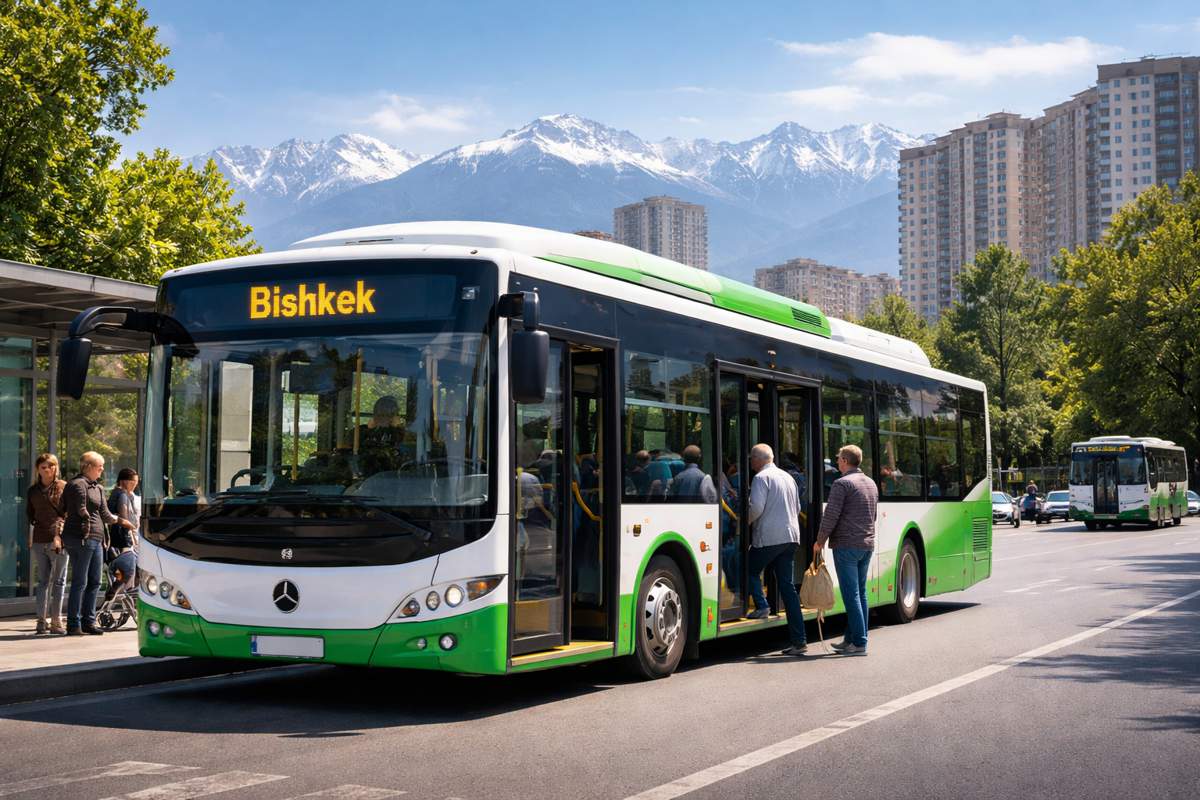
Load concentrations at intersections create unique challenges. Stopping, starting, and turning movements generate shear stresses exceeding normal traffic forces. Bus stops and loading zones face particularly severe conditions from stationary heavy vehicles. These areas often require specialized mix designs and increased structural depth to resist deformation.
Modern freight patterns intensify loading challenges. Average truck weights have increased substantially over recent decades. Overloaded vehicles cause disproportionate damage—one overweight truck can inflict equivalent pavement stress to thousands of passenger vehicles. Enforcement and design must account for actual operating conditions rather than theoretical load assumptions.

Construction Quality Determines Initial Performance
Foundation preparation critically influences long-term pavement performance. Inadequate subgrade compaction creates soft spots where surfaces settle differentially. Poor drainage design traps water beneath pavements, accelerating base layer deterioration. These construction deficiencies manifest as premature cracking, rutting, and structural failures regardless of surface layer quality.
Material selection impacts durability substantially. Mix designs must match local conditions and anticipated loads. Using inappropriate binder grades, insufficient asphalt content, or poorly-graded aggregates compromises performance from day one. Warm-weather pavements require different specifications than cold-climate installations.
Quality control during placement ensures proper density and material properties. Inadequate compaction leaves voids where water collects and materials disintegrate. Temperature management during paving affects binder distribution and aggregate coating. Proper practices during construction establish foundations for decades of reliable service.
Recognizing Common Distress Patterns
Different crack patterns indicate specific underlying problems. Alligator cracking signals structural failure in base layers, requiring more than surface treatment. Longitudinal cracks typically follow construction joints or indicate edge support problems. Transverse cracks result from thermal stress or reflective cracking from underlying layers.
Rutting develops where repeated traffic compresses pavement layers beyond recovery. Deep wheel path depressions collect water and create hazards requiring correction beyond simple overlays. Progressive rutting indicates inadequate mix stability for actual traffic conditions and loads.
Surface raveling occurs when oxidized binders no longer hold aggregate particles together. Loose material breaks away, leaving rough surfaces that accelerate further deterioration. Early intervention prevents progression into potholes requiring expensive repairs.
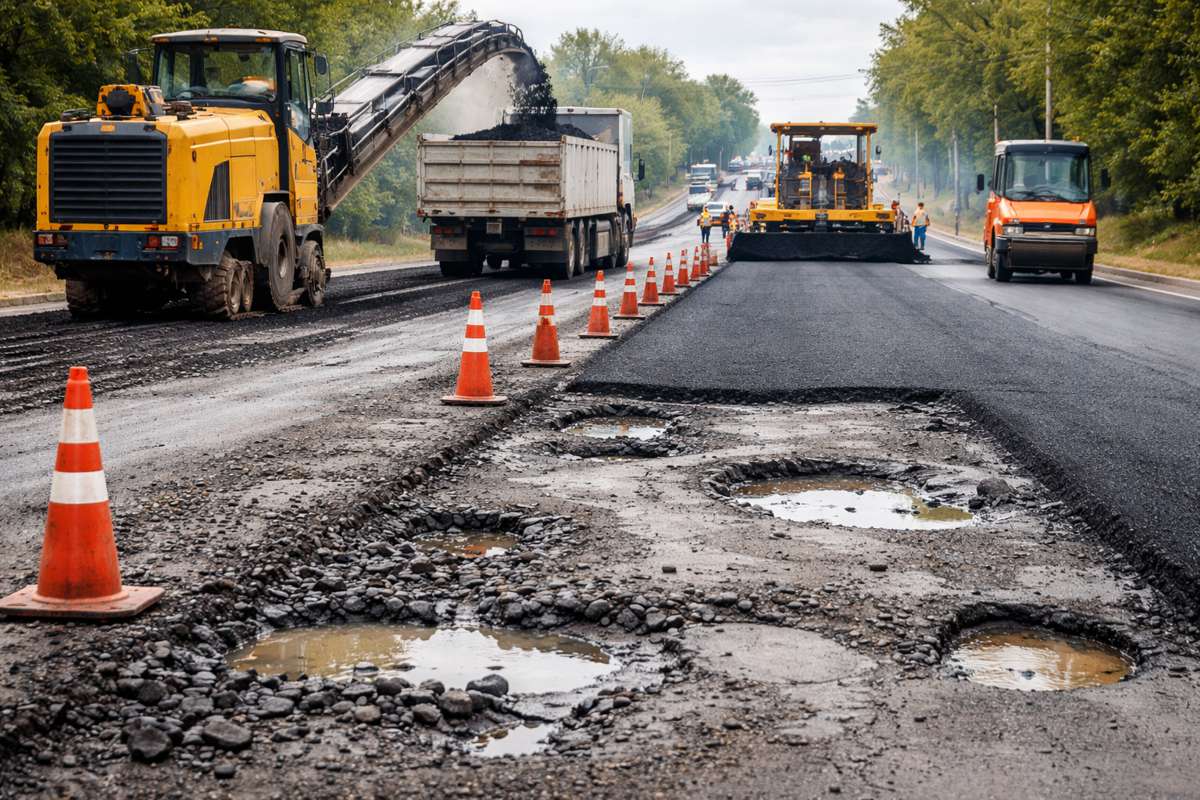
Pothole formation represents advanced deterioration where multiple failure mechanisms combine. Water infiltration, traffic loading, and material breakdown create voids that collapse under vehicle weight. Widespread pothole development signals systemic problems demanding comprehensive rehabilitation rather than spot repairs.
Preventive Maintenance Extends Service Life
Seal coating protects surfaces from oxidation and water infiltration. Applied at three- to five-year intervals, seal treatments extend pavement life significantly. Strategic pavement preservation programs demonstrate that timing matters greatly—sealing oxidized surfaces provides minimal benefit, while protecting newer pavements slows aging processes dramatically.
Crack sealing stops water entry before damage spreads. Hot-pour rubberized sealants fill fractures, preventing moisture penetration into base layers. Addressing cracks promptly keeps minor problems from escalating into structural failures requiring reconstruction. Regular crack maintenance programs deliver exceptional return on investment.
Surface treatments renew wearing courses without full reconstruction. Chip seals bond aggregate to existing surfaces, restoring texture and waterproofing. Slurry seals fill surface voids and provide renewed skid resistance. Micro-surfacing applies polymer-modified emulsions that correct minor irregularities while adding protective layers.
Proper drainage maintenance prevents water-related damage. Cleaning catch basins ensures runoff exits roadways quickly. Maintaining shoulder grades directs water away from pavement edges. Keeping drainage systems functional protects infrastructure investments from moisture damage.
Repair Techniques for Various Conditions
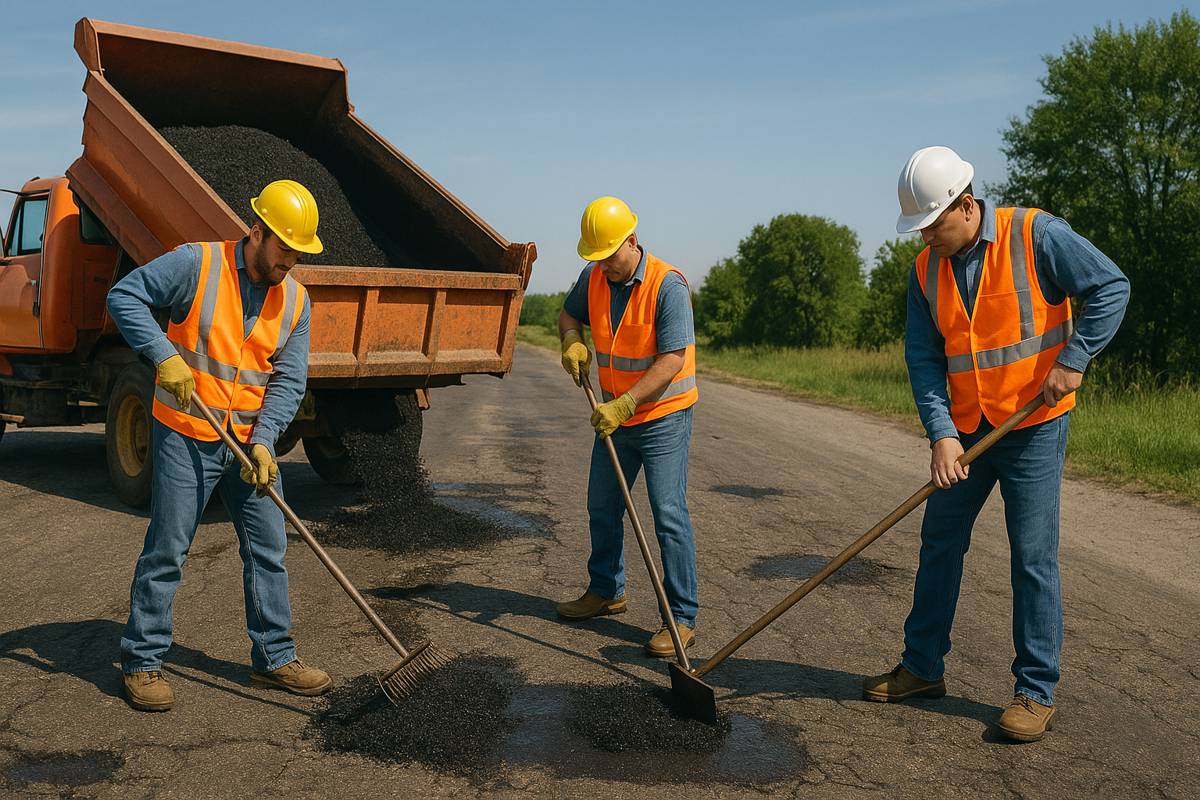
Cold mix patches provide temporary pothole repairs using stockpiled materials. While convenient for emergency situations, these fixes rarely last beyond one season. Hot mix asphalt patches offer superior performance and durability when properly installed with adequate preparation and compaction.
Skin patching addresses surface-level distress without excavating deep layers. This technique works well for shallow raveling or oxidation damage where structural integrity remains sound. Full-depth patching becomes necessary when deterioration extends through base layers affecting load-bearing capacity.
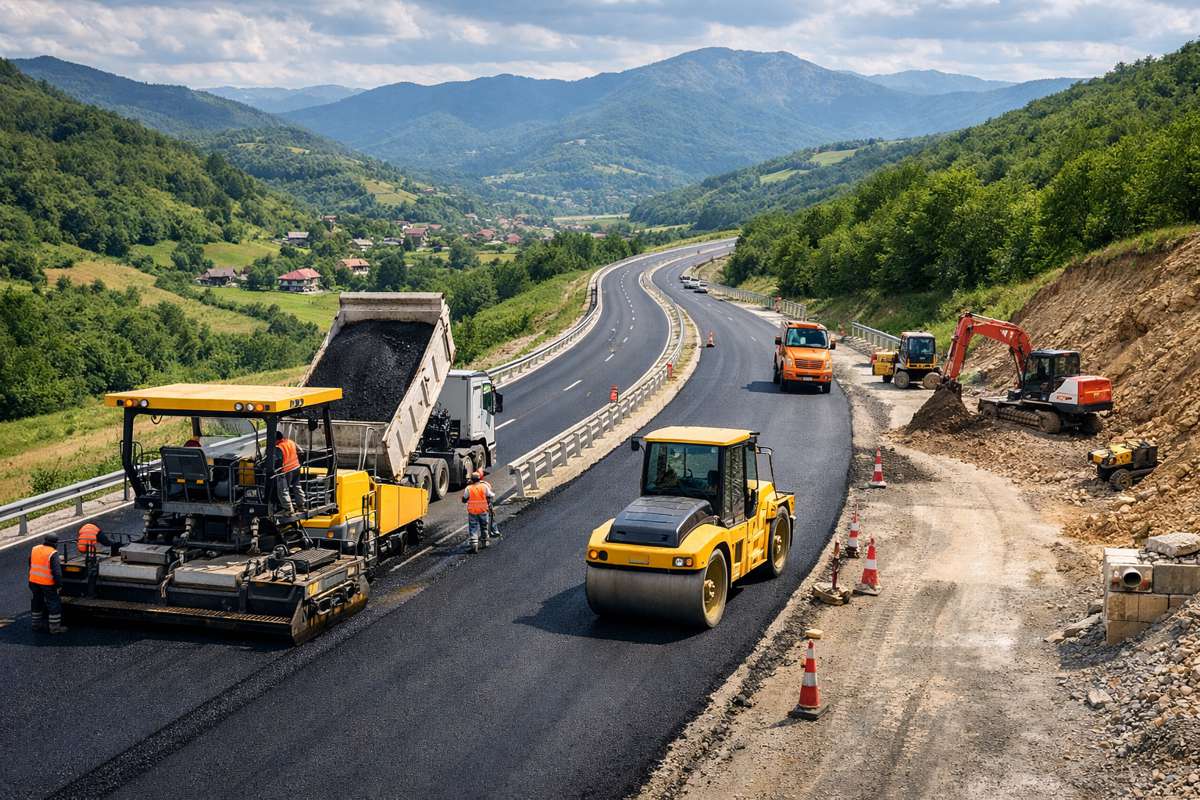
Milling removes damaged surface layers while preserving underlying structure. Specialized equipment grinds pavement to specified depths, creating clean, level surfaces ready for overlay placement. This approach works effectively for correcting rutting, surface deformations, and extensive cracking patterns.
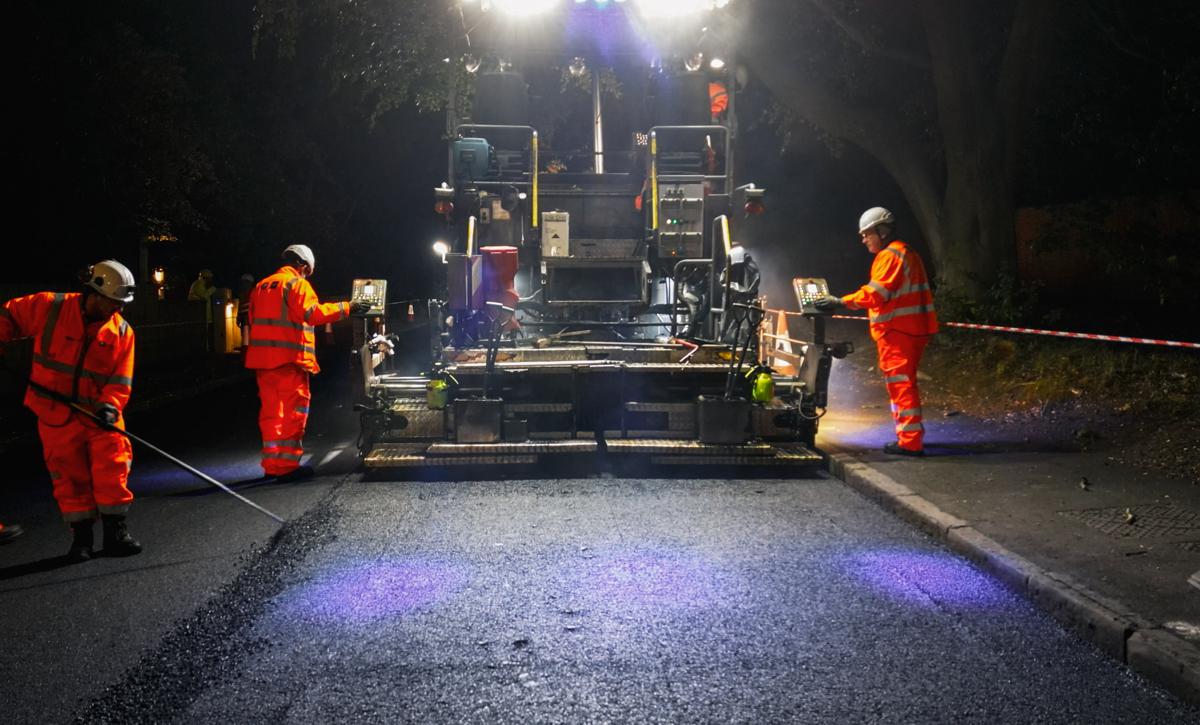
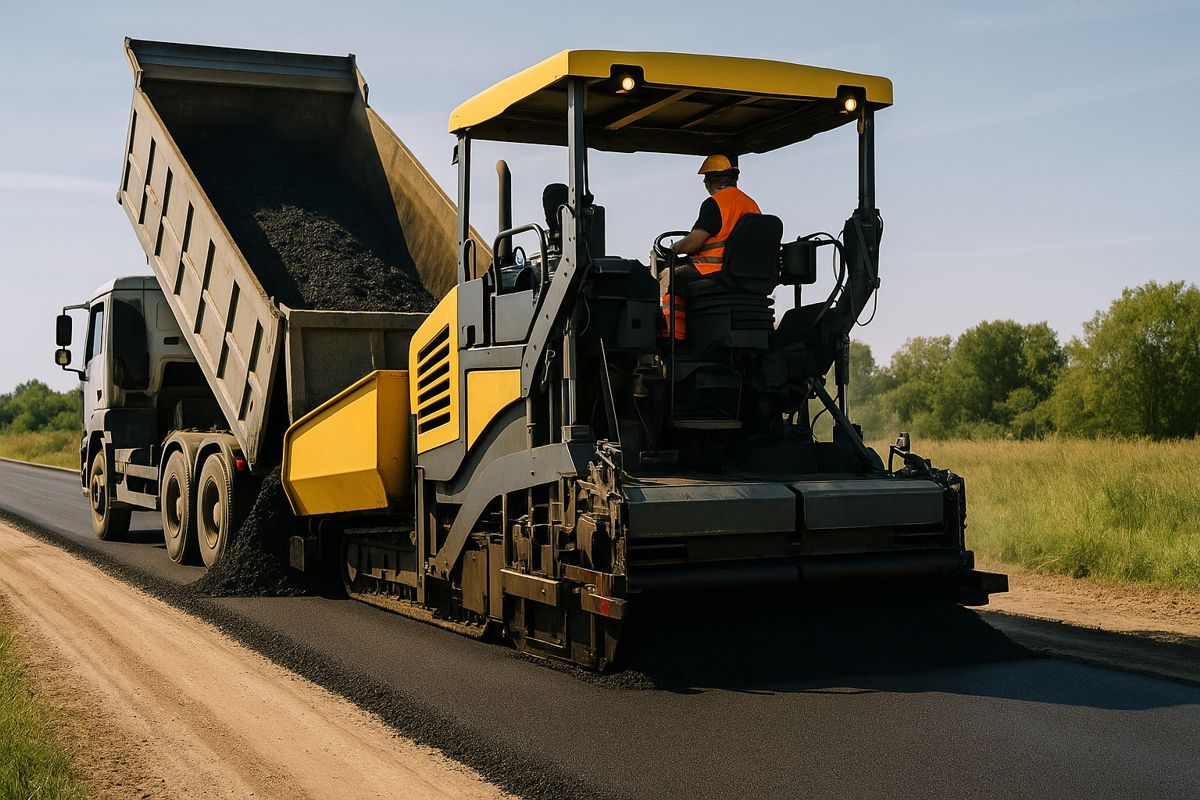
Overlays add new asphalt layers atop existing pavement. Proper surface preparation ensures good bonding between old and new materials. Milling before overlay placement prevents excessive build-up heights at curbs and drainage structures. Structural overlays increase pavement capacity for heavier traffic loads.
For comprehensive maintenance solutions addressing deterioration at all stages, Solve Civil’s comprehensive asphalt services handle everything from assessment through final surface placement for projects across Sydney and NSW, ensuring repairs meet stringent quality standards while minimizing operational disruption.
Material Innovation Improves Performance
Polymer-modified asphalts resist rutting and thermal cracking better than conventional mixes. These additives improve binder elasticity, allowing pavements to accommodate temperature variations and traffic stresses without permanent deformation. High-performance applications like intersections and truck climbing lanes benefit substantially from modified binders.
Recycled materials reduce costs while maintaining quality. Reclaimed asphalt pavement incorporated into new mixes performs well when properly proportioned with virgin aggregates and appropriate binder adjustments. Using recycled content reduces landfill waste while lowering material costs and embodied carbon.
Warm-mix technologies allow pavement placement during extended construction seasons. Reduced production temperatures cut energy consumption and emissions while improving worker safety. These innovations expand the window for quality construction activities beyond traditional hot-mix limitations.
Specialized additives address specific performance requirements. Anti-stripping agents improve adhesion between aggregates and binders in moisture-prone areas. Fiber reinforcements resist crack propagation. Rejuvenators restore aged binder properties in recycled materials. Modern mix design leverages these technologies to optimize pavement performance.
Timing Interventions for Maximum Effectiveness
Pavement condition deteriorates non-linearly. Initial surface aging progresses slowly, but once structural damage begins, deterioration accelerates exponentially. Intervening while pavements remain in good condition costs substantially less than waiting until reconstruction becomes necessary.
Data-driven management systems help prioritize limited budgets for maximum impact. Rating road conditions objectively identifies candidates for different treatment types. Advanced data analytics and predictive models now enable agencies to forecast deterioration and optimize intervention timing, extending overall network life within budget constraints more effectively than reactive approaches.
Network-level planning considers entire road systems rather than individual segments in isolation. Strategic preservation of good-condition roads prevents costly reconstruction needs. Targeted rehabilitation of moderate distress maintains functionality economically. Accepting that some severely damaged roads need reconstruction allows realistic resource allocation.

Best Practices for Quality Results
Temperature management during asphalt work ensures proper material properties. Hot-mix asphalt requires minimum placement temperatures to achieve adequate compaction. Cold weather hardens material quickly, potentially creating weak spots if proper procedures aren’t followed. Scheduling major paving during moderate weather produces superior results.
Rain during construction creates numerous problems. Wet surfaces prevent proper tack coat adhesion. Moisture in base materials reduces compaction effectiveness. Water trapped beneath new asphalt causes premature failure. Monitoring weather forecasts and protecting work areas ensures quality outcomes.
Compaction quality determines long-term performance. Proper density eliminates voids where water collects and materials disintegrate. Using appropriate roller patterns and achieving specified density levels throughout pavement depth creates durable structures. Inadequate compaction negates benefits of quality materials and design.
Quality control testing verifies work meets specifications. Checking material temperatures, compaction levels, and surface smoothness confirms proper installation. Documentation creates records proving compliance with standards while identifying problems before they become widespread issues.
Looking Forward
Infrastructure management continues evolving with new technologies and materials. Sensor networks embedded in pavements provide real-time condition monitoring. Predictive analytics forecast deterioration rates based on traffic, climate, and material properties. These tools help managers make informed decisions that maximize infrastructure value.
Self-healing asphalt incorporating encapsulated rejuvenators shows promise for autonomous crack repair. Bio-based binders reduce environmental impacts while maintaining performance standards. Advanced additives improve resistance to specific distress mechanisms. Innovation continues improving both pavement performance and sustainability.
Smart maintenance strategies leverage data analytics to optimize intervention timing and treatment selection. Machine learning algorithms identify patterns indicating impending failures. Automated survey vehicles collect condition data efficiently. Technology integration enhances traditional engineering approaches for better outcomes.
Taking Action
Understanding road deterioration causes and available repair strategies empowers better infrastructure management. Regular inspections catch problems early when treatments cost less and work more effectively. Preventive maintenance protects investments cost-effectively compared to reactive approaches. Quality repairs executed with appropriate materials and techniques deliver lasting results.
Roads serve communities best when properly maintained through systematic approaches to assessment, prioritization, and intervention. Whether addressing immediate needs or planning long-term strategies, knowledge guides decisions that preserve vital transportation infrastructure. Successful programs balance technical requirements with budget realities, focusing resources where they deliver maximum benefit.
Strategic infrastructure investment extends beyond simply fixing roads—it encompasses understanding deterioration mechanisms, selecting appropriate treatments, timing interventions effectively, and maintaining quality throughout execution. Professional management combining engineering expertise with modern technologies ensures road networks remain safe, functional, and cost-effective for generations of users depending on these essential assets.