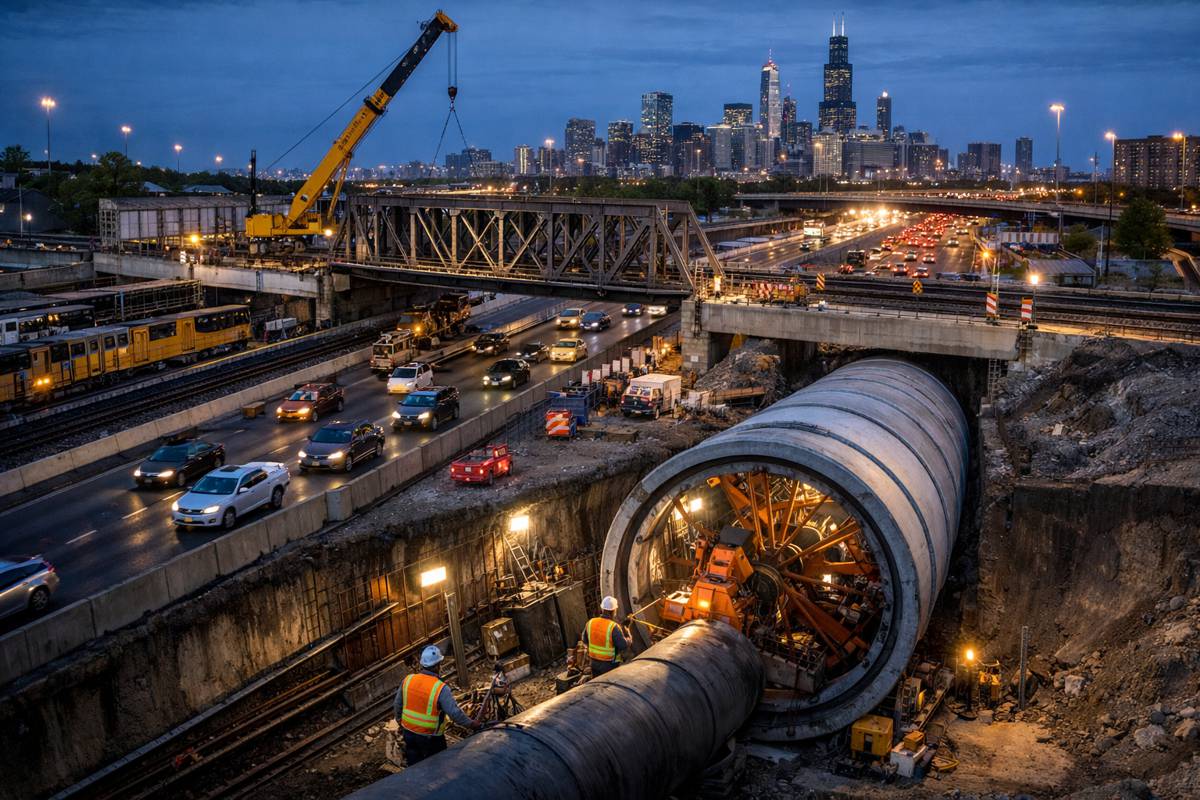
Herrenknecht Showcases Cutting Edge TBM Manufacturing in China
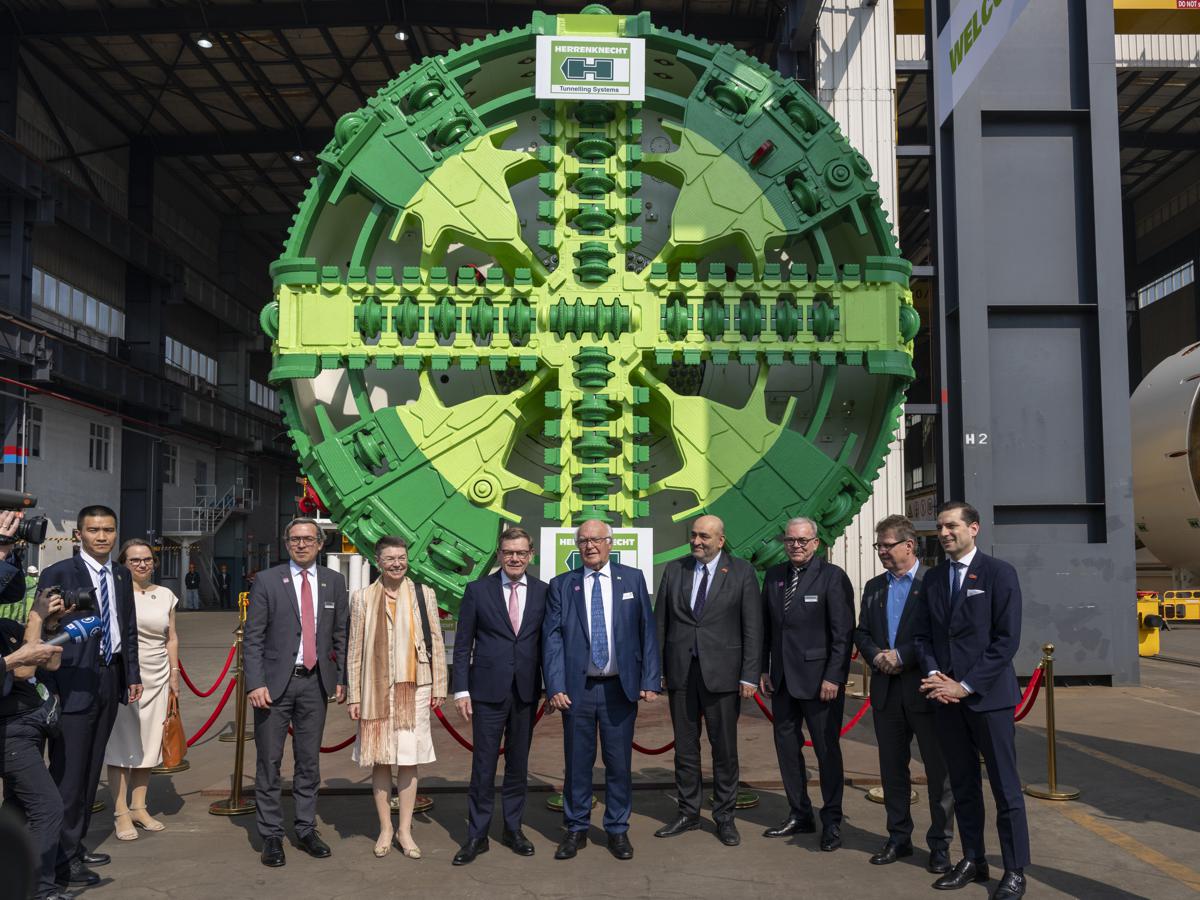
Federal Foreign Minister Dr Johann Wadephul recently visited Herrenknecht’s state‑of‑the‑art factory in Nansha, southern China, accompanied by a German business delegation. Herrenknecht, headquartered in Baden‑Württemberg, has maintained a strong and growing presence in China for more than two decades. The company now employs around 950 people across the country, including approximately 750 specialists based in Guangzhou.
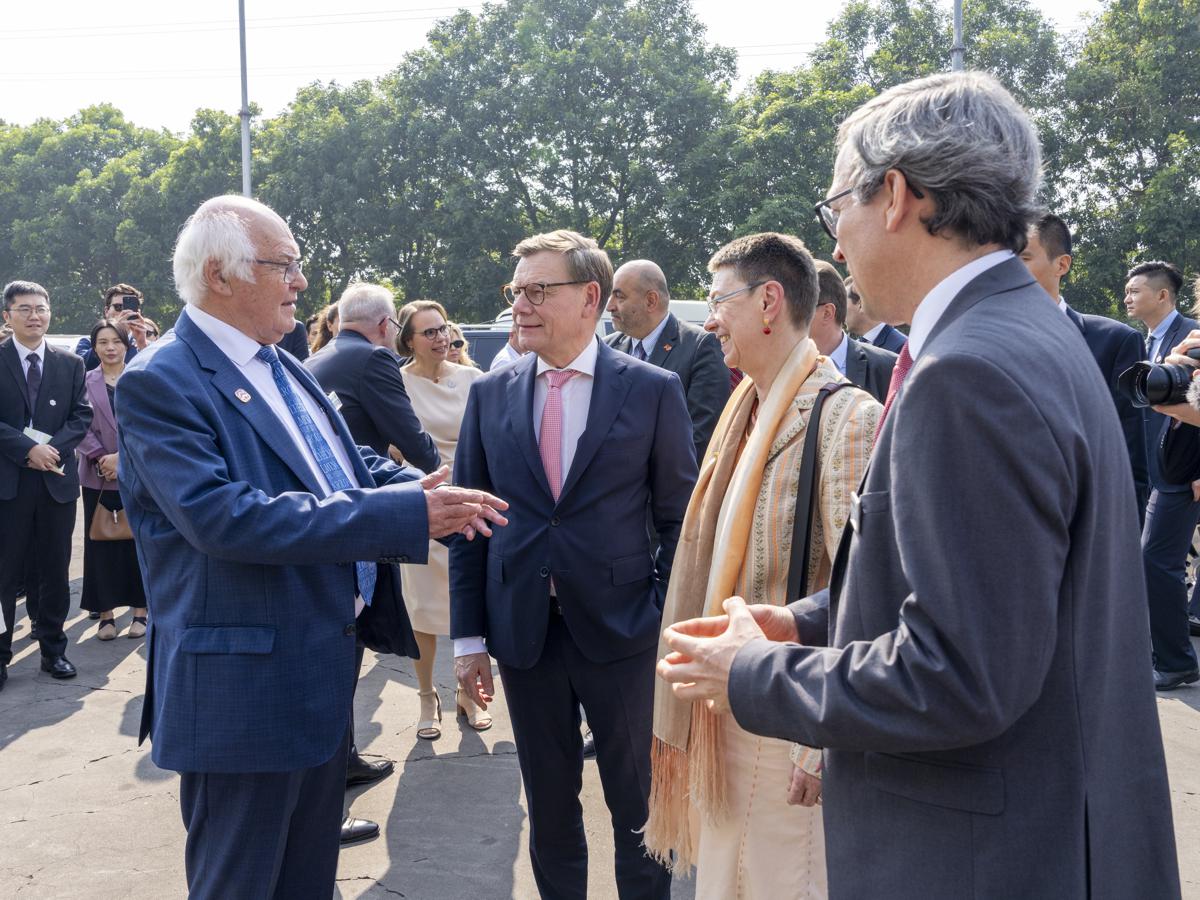
The Minister engaged in a detailed tour of the site and technical discussions with Dr‑Ing E.h. Martin Herrenknecht, founder and CEO of Herrenknecht AG, and Michael Sprang, Vice Chairman of the Board of Management. The executive team shared the company’s strategic development in China, the evolving market environment, and the wider opportunities in infrastructure development.
Herrenknecht’s Nansha facility remains one of its most significant production centres worldwide, responsible for manufacturing tunnel boring machines deployed across international and domestic projects. The factory also produces advanced technology tailored to China’s growing infrastructure ambitions. In 2014, Nansha delivered the world’s largest tunnel boring machine, with a diameter of 17.6 metres and a total weight of 4,850 tonnes. This record‑breaking TBM dug a key section of the Tuen Mun to Chek Lap Kok Link in Hong Kong.
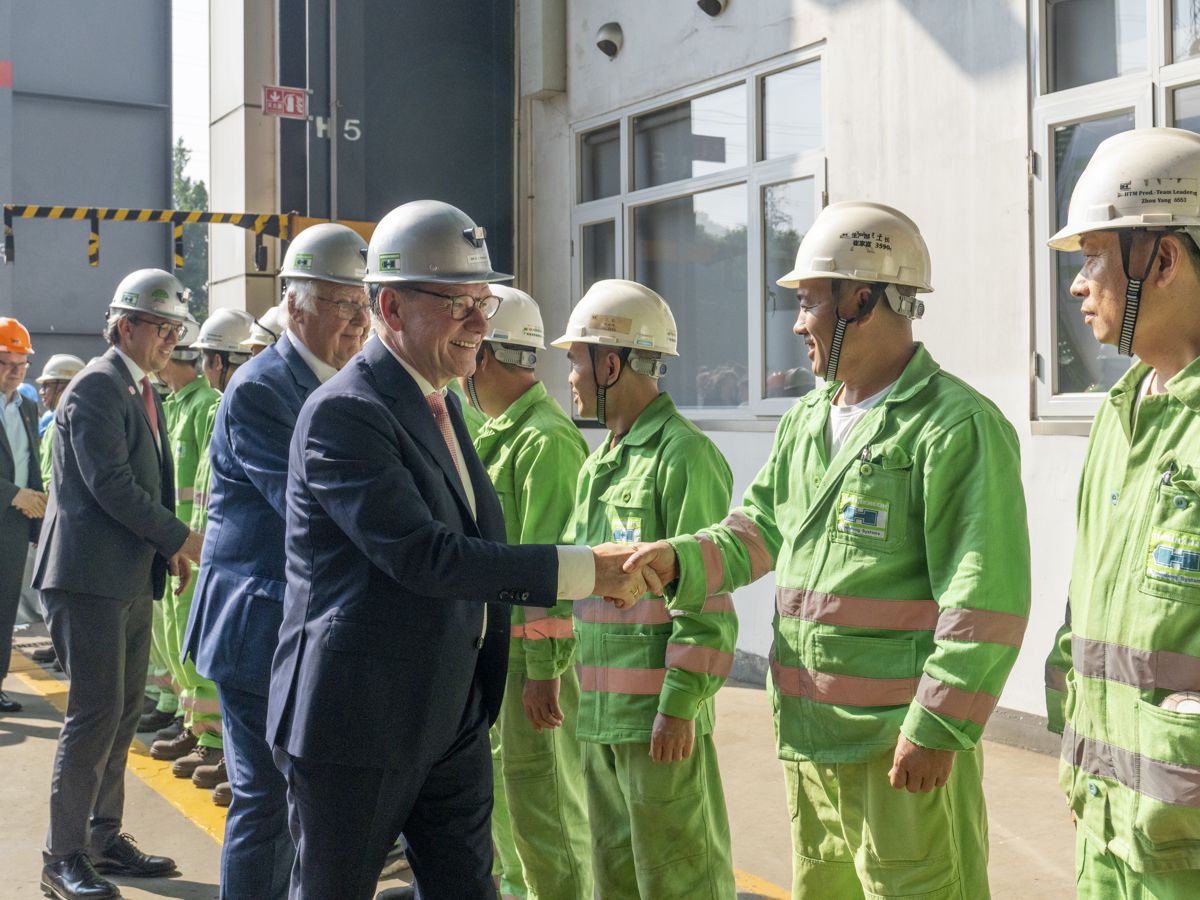
During the tour, the Minister witnessed the factory’s precision engineering, automation, and advanced fabrication capabilities. He praised the site’s innovation culture and global contribution: “Herrenknecht is a prime example of world‑class German engineering. The visit to Nansha shows how much demand there is for German technology around the globe. At the same time, it highlights the challenges companies face in the Chinese market today. These challenges must be addressed through close cooperation.”
Navigating a Changing Regulatory and Competitive Landscape
Conversations with the Minister focused on shifts in China’s manufacturing regulations and evolving market access conditions. Herrenknecht remains the only Western manufacturer still independently operating in the international TBM sector. In recent years, competing European and American companies have been acquired by Chinese industrial groups, leaving Herrenknecht as the final Western technology leader still driving global tunnel excavation innovation.
Dr‑Ing E.h. Martin Herrenknecht highlighted China’s role as a foundational market: “Our locations in China, including the one in Nansha, remain strategically important for us.” He emphasised the company’s commitment to collaboration, transparent regulation, and long‑term industrial partnerships. Stable engagement remains vital: “We are committed to long‑term dialogue and fair framework conditions so that we can deliver cutting‑edge technology to our customers worldwide. Stable, cooperative partnership is in the interest of all sides.”
Herrenknecht continues to operate in China as a trusted supplier for major national megaprojects across rail, metro construction, water management, and cross‑border infrastructure. China’s tunnelling market remains one of the most rapidly expanding in the world due to urbanisation, coastal defence, inter‑regional connectivity, and underground logistics hubs.
Keeping Industrial Dialogue and Political Engagement Aligned
The Minister’s visit reinforced the need for stronger alignment between industrial policy and operational realities. Herrenknecht’s global success demonstrates how international engineering firms benefit when market transparency, design standards, and regulatory cooperation remain consistent. The company has delivered more than 6,000 TBM projects worldwide and continues to play a vital role in complex tunnel design and construction.
Constructive international dialogue remains key to ensuring predictable frameworks, intellectual property protection, and fair access conditions for Western firms. The visit helped highlight how joint political and industrial exchanges strengthen competitiveness, supply chain cooperation, and innovation.
Herrenknecht also underlined the critical importance of stable partnerships in managing major cross‑border works, including:
- Subsea and river crossing tunnels
- Metro and intercity rail expansion
- Infrastructure upgrades in dense urban environments
- Logistics and underground utilities development
International tunnel construction continues to advance due to smart analytics, automation, and machine learning embedded into new TBM generations. Herrenknecht’s strategic footprint in China allows it to scale production, adapt machine design to local geology, and deliver rapid technical support.
Advancing Infrastructure Excellence Through Knowledge Sharing
The technical exchange pointed toward the growing importance of pairing engineering leadership with regulatory diplomacy. Large‑scale tunnelling projects depend on a high degree of reliability, safety, and predictable risk management, particularly in earthquake‑prone geographies or coastal environments. Herrenknecht’s continuous R&D improvements have resulted in safer cutting heads, advanced soil conditioning systems, cleaner machine operation, and digital monitoring technologies.
China’s tunnelling sector has accelerated rapidly over the last decade, supported by national targets for railway electrification, metropolitan transit expansion, and coastal resilience. German manufacturing expertise remains valued due to lifecycle quality, operator safety, and consistent reliability across diverse geological conditions.
International research underscores that large TBM projects are increasingly paired with BIM‑based risk modelling and AI‑assisted excavation planning. Tunnel safety margins, slurry pressure modelling, and live performance analytics now factor into daily machine operations. Herrenknecht’s new generations of TBMs integrate this digital intelligence, allowing project teams to manage subsurface risks, geological variability, and schedule performance with greater accuracy.
Strengthening Global Infrastructure Through Robust Partnerships
The Minister’s visit underscored how international engagement supports stable industrial ecosystems. Herrenknecht’s continuous involvement with governments, research institutions, and academic training centres drives innovation in tunnel methodology, ground stabilisation, and high‑precision automation.
The company maintains long‑standing cooperation with international mining and geotechnical universities, supporting workforce training for machine operators, mechanics, and engineering graduates. This helps raise skill levels globally, contributing to safer and more productive tunnelling practices.
The exchange between Herrenknecht and the Minister highlighted the importance of maintaining open channels between political leadership and industrial supply chains. Reliable partnerships enable complex infrastructure to be delivered on time, strengthen cross‑border investment decisions, and uphold engineering excellence.
The Nansha site remains one of the most advanced TBM assembly and testing locations globally. Its continued integration into international engineering networks demonstrates how stable and transparent cooperation can sustain long‑term growth and shared innovation.
A Positive Outlook for Future Cooperation
The factory visit provided an opportunity to reinforce shared ambitions for safe, sustainable, and high‑quality infrastructure delivery worldwide. Herrenknecht’s strategic position as the leading Western TBM manufacturer offers unique value to both domestic and international markets. Ongoing dialogue ensures that regulatory climates remain predictable, while industrial and political cooperation fosters innovation.
International tunnelling demand is expected to remain strong due to resilient transportation networks, water infrastructure upgrades, urban mobility programmes, and underground space optimisation. Herrenknecht’s continued leadership in machine development, digital diagnostics, and global support provides positive momentum for the industry.