Volvo Trucks Expands its Line-up with the Volvo FL Electric
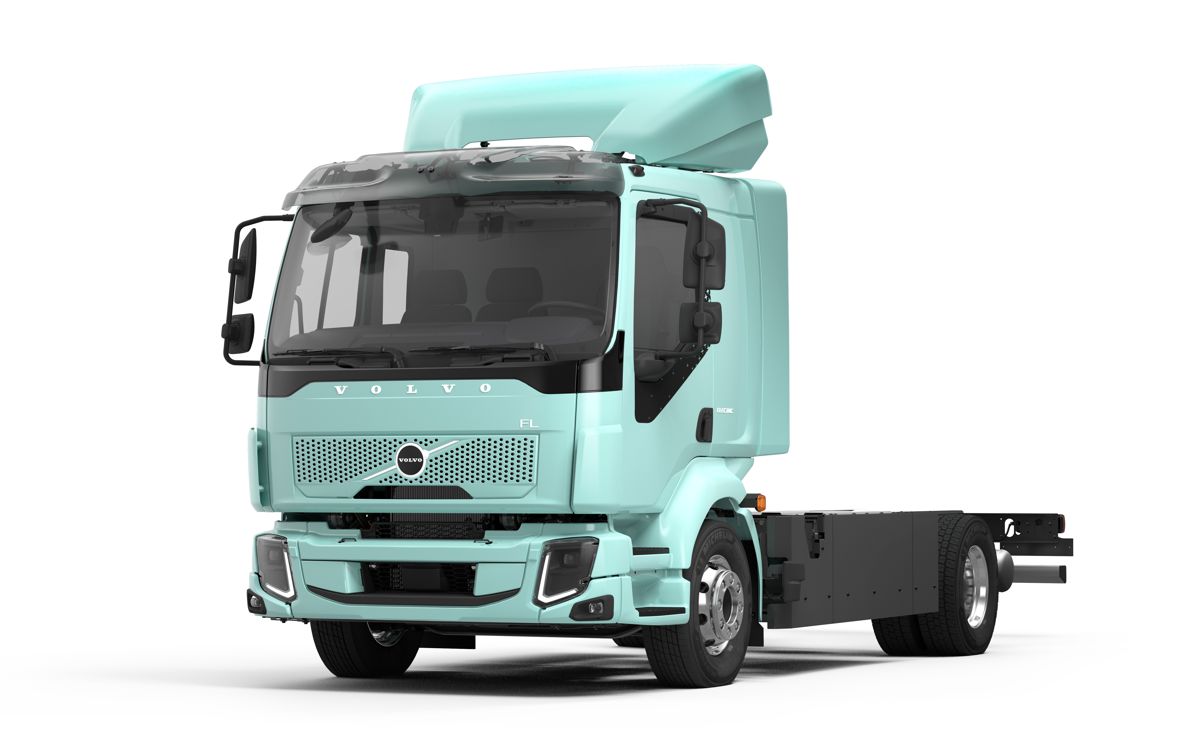
Volvo Trucks has expanded its electric truck family with a new 14 tonne version of the Volvo FL Electric, making urban logistics cleaner, quieter, and far more flexible for transport operators.
The latest medium duty entry level variant has been engineered to support a diverse range of city-based applications where zero tailpipe emissions and minimal operational noise are real game-changers.
Since its debut, the Volvo FL has been recognised as one of the brand’s pioneering medium duty electric trucks. Designed from the outset with an all-electric driveline, the model has gained momentum across Europe, the Middle East, Africa, Asia, and Australia. Its compact dimensions allow seamless access through narrow urban streets, dense delivery corridors, and older neighbourhoods where manoeuvring traditional diesel trucks proves challenging.
Transport companies operating within congested metropolitan environments are increasingly making the transition to electrically powered machinery. The absence of tailpipe emissions supports environmental targets while also helping cities reduce local pollution levels, particularly around schools, residential zones, and commercial districts.
Expanding Volvo’s Electric Portfolio
Volvo Trucks continues to broaden its electric truck portfolio, ensuring that its vehicles address a wide spectrum of logistics activities. The introduction of the new 14 tonne Volvo FL Electric variant marks a strategic step forward in payload practicality and optimised battery capacity.
Jan Hjelmgren, Head of Product Management at Volvo Trucks, highlights the importance of careful planning when adopting electrification strategies: “This is a perfect inner-city workhorse with no tailpipe emissions. We are always there to help our customers find the best electric truck for their business. You should only buy as much battery capacity as you need for the task to maximise the productivity in terms of payload capacity and profitability.”
In effect, Volvo encourages transport operators to consider actual daily operational requirements rather than overspecifying batteries. Installed capacity influences overall vehicle weight and must be balanced against payload targets for profitability.

Modular Configurations for Specialist Tasks
The Volvo FL Electric offers a wider choice of wheelbases, axle designs, and battery options to accommodate tailored fleet needs. This modular approach benefits operators that must adapt trucks for refuse collection, parcel delivery, municipal services, catering logistics, refrigerated distribution, or roadside assistance.
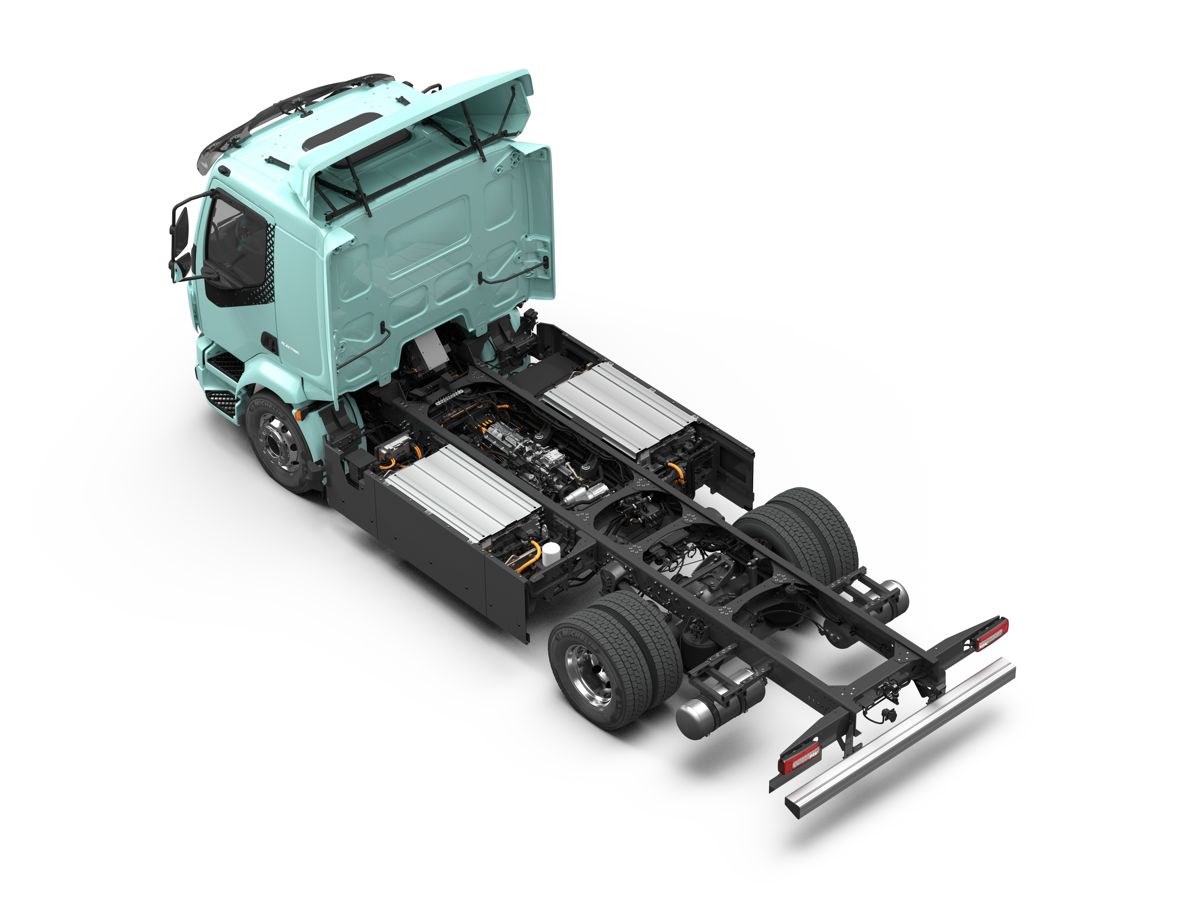
A key engineering feature is the method of battery installation. The structure ensures there is no interference with bodybuilding equipment mounted to the vehicle frame. Coachbuilders and upfitters can integrate cranes, loading platforms, box bodies, chillers, waste compaction systems, and tail lifts without redesigning or compromising weight distribution.
With potential widths down to 2.4 metres, agility around town is noticeably improved. Transport planners increasingly prioritise manoeuvrability because cities are introducing more restricted access lanes, pedestrianised zones, and narrow heritage streets.
Propulsion Technology and Performance
Despite its compact footprint, the 14 tonne electric truck offers substantial power and endurance. Battery energy stands at 145 kWh and feeds an electric motor delivering 180 kW. Under typical inner city conditions, ranges of up to approximately 200 km can be achieved depending on load, driver behaviour, traffic patterns, terrain, and ambient temperature.
Ground clearance of 240 mm provides sufficient capability for uneven surfaces, curb interactions, and light municipal work. Wheelbases range from 3,800 mm up to 6,500 mm, supporting an extensive selection of body lengths.
DC rapid charging from 20 to 80 percent requires roughly 1 hour and 25 minutes when utilising eight battery units. This charging performance allows operators to schedule routes, depot rotations, and maintenance cycles without lengthy downtime.
Compatibility Across Multiple Volvo Models
The new batteries are not limited to a single vehicle. They are compatible across several Volvo electric truck classes, including the 16 tonne and 18 tonne Volvo FL Electric models and the Volvo FE Electric platform offering GCW capacities up to 26 tonnes.
Volvo has invested heavily in developing a scalable battery architecture that can power light, medium, and heavier trucks depending on operational duty cycles. The result is a consistent technological foundation that simplifies maintenance, parts management, training, and charger compatibility.
Electric versions of Volvo’s FL and FE trucks entered the market in 2019 and have been deployed by transport operators across numerous international markets. The technology continues to mature with higher adoption levels year on year.
Proven Market Adoption
Volvo now has eight battery electric truck models in full production and more than 5,700 electric trucks operating globally. Adoption reflects not only environmental commitments but also rapid improvements in the business case for electric transport.
Municipalities and private logistics firms are increasingly favouring electric vehicles because they enable longer operating hours with minimal noise disturbance. Early morning deliveries, late evening collections, and daytime servicing can occur in sensitive areas without disrupting households, small retailers, cafés, and pedestrian activity.
Cities that enforce emissions-restricted zones or charge penalties for diesel access provide strong incentives for shifting to zero emission vehicles. Several urban centres across Europe, the UK, and Asia are planning tighter low-emission traffic schemes. Trucks such as the FL Electric position fleet operators for long-term compliance.
Lower Maintenance and Operational Costs
Electric drivetrains operate with far fewer moving parts than combustion engines. Fewer filters, oils, belts, or gear assemblies significantly reduce maintenance expenditure over the vehicle’s life. Scheduled services are often less frequent, while regenerative braking helps minimise wear on traditional braking systems.
The operational savings extend beyond maintenance costs. Drivers frequently report smoother acceleration, reduced vibration, and quieter cabins. A more comfortable working environment supports retention, safety, and productivity. These improvements also contribute to fewer driver-related fatigue issues during repetitive stop-start cycles in city driving.
Charging Infrastructure and Depot Integration
Urban electrification depends on strategic charging design. Fleet operators typically manage depot-based charging for predictable shift patterns, scheduled swapping, and overnight replenishment. Many organisations integrate solar or renewable power installations to lower electricity costs.
Public rapid-charging corridors for heavy and medium duty electric vehicles are expanding across Europe and Asia. Automotive policy frameworks encourage investment in multi-megawatt charging hubs and urban logistics parks. Combined with depot charging, these developments allow greater routing freedom without adding inefficiencies.
Industry analysts expect further harmonisation of charging standards across regions. In several European countries, utilities are working with logistics companies to streamline permitting processes and grid connection approvals. Simplifying electrical infrastructure lowers overheads and reduces time to deployment for electrified fleets.
Global Market Trends for Electric Urban Transport
Sustainability drivers, municipal procurement policies, noise restrictions, and fuel price volatility are accelerating the move towards electric urban transport. Operators specialising in last-mile logistics, food service, pharmaceuticals, municipal waste, and parcel delivery are particularly motivated to electrify.
Digital route optimisation, telematics monitoring, and predictive fleet analytics help determine exact battery requirements and support long-term operational forecasting. Artificial intelligence and connected vehicle technology improve dispatch efficiency and reduce idle times.
Electrified logistics vehicles are increasingly viewed as part of a smart urban ecosystem. When combined with data-driven fleet control systems, operators can improve efficiency and reduce costs while meeting sustainability targets.
Supporting Information and Additional Industry Context
Market research conducted by European logistics organisations indicates that medium duty electric trucks are set to expand rapidly over the next decade. The European Automobile Manufacturers’ Association (ACEA) reports continuous growth in electric commercial registrations across major economies.
Battery manufacturing costs are steadily decreasing, and higher energy density platforms are in development. These technological gains are expected to allow higher payload margins, faster charging cycles, and extended operating lifetimes.
Global policy initiatives, including the EU Green Deal and the UK’s zero emission vehicle strategy, reinforce demand. Regulations supporting decarbonised logistics will drive further adoption of electric commercial trucks in urban and suburban environments.
A Positive Outlook for Electric Urban Logistics
Volvo’s new 14 tonne FL Electric plays an important role in increasing operational flexibility for fleet owners. With more body configurations, predictable operating costs, rapid charging capability, and zero tailpipe emissions, the model enhances Volvo’s presence in the medium duty electric transport segment.
Transport operators can confidently plan urban service routes, comply with municipal regulations, and lower lifetime running costs. The arrival of this latest model reflects meaningful progress in electric mobility for specialist and metropolitan fleet services.